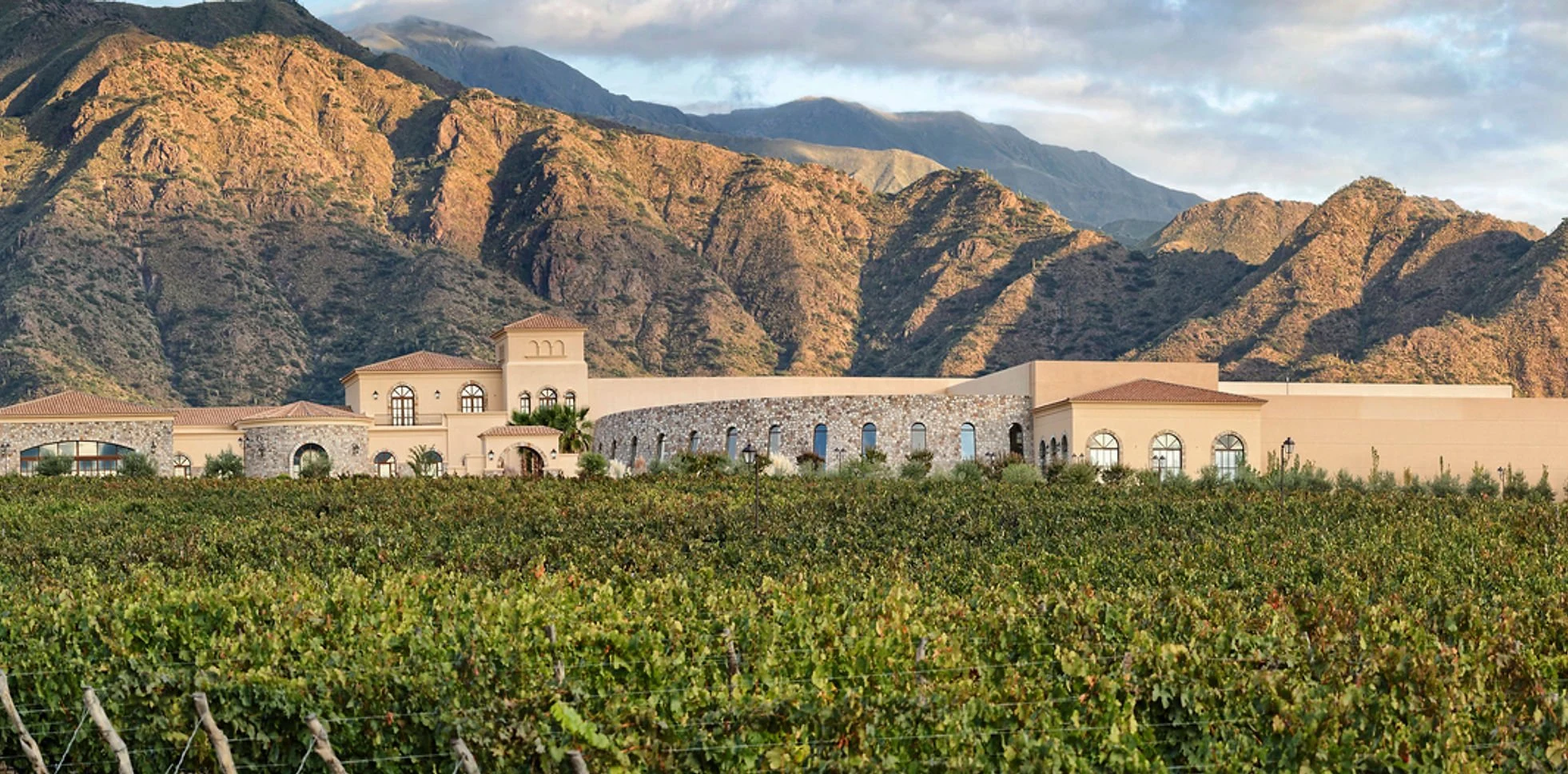
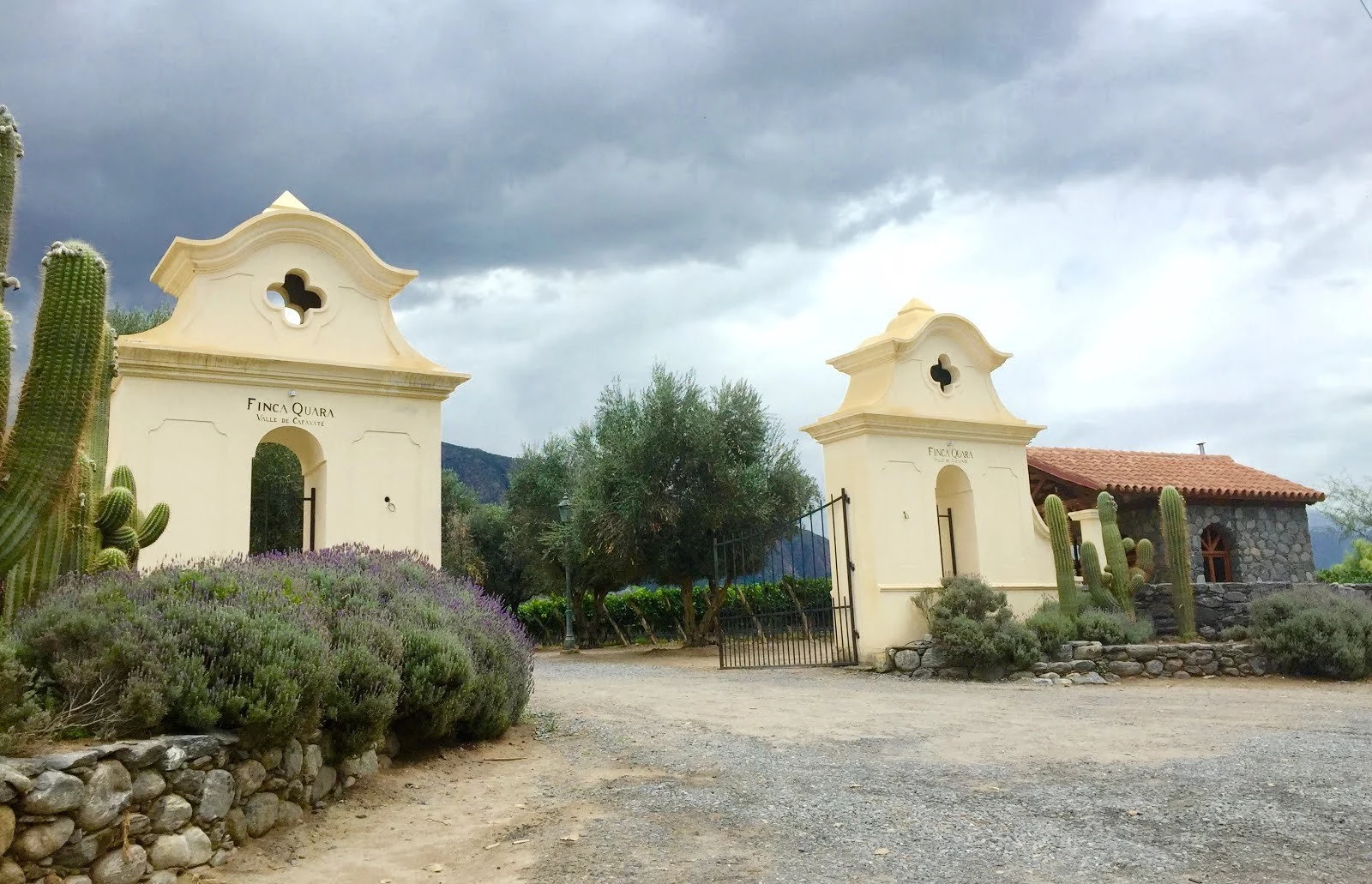
Finca Quara sits on Ruta 40 at the southern edge of Cafayate, where the Calchaquí Valley's high-altitude terroir produces Torrontés and Malbec of genuine structural weight. Awarded Pearl 2 Star Prestige in 2025, the property belongs to a tier of Cafayate producers where cellar discipline and post-harvest decisions define the final wine as much as the vineyard itself.
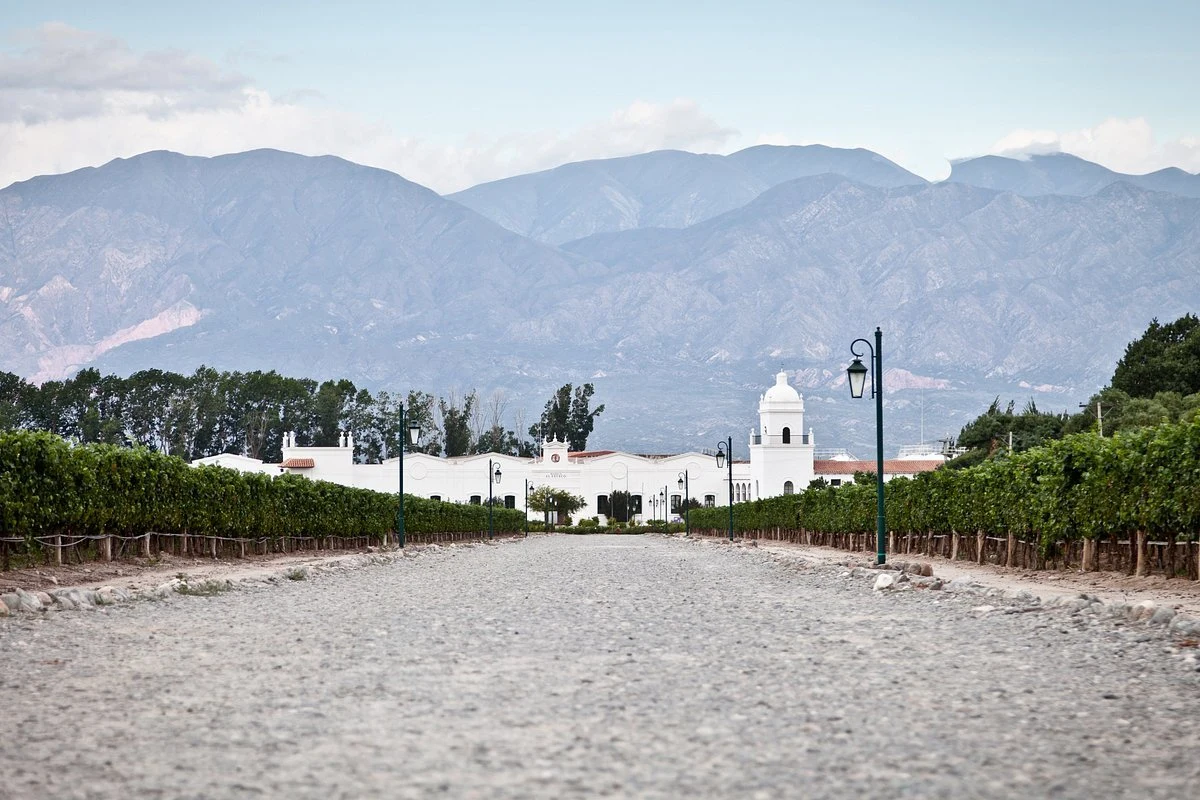
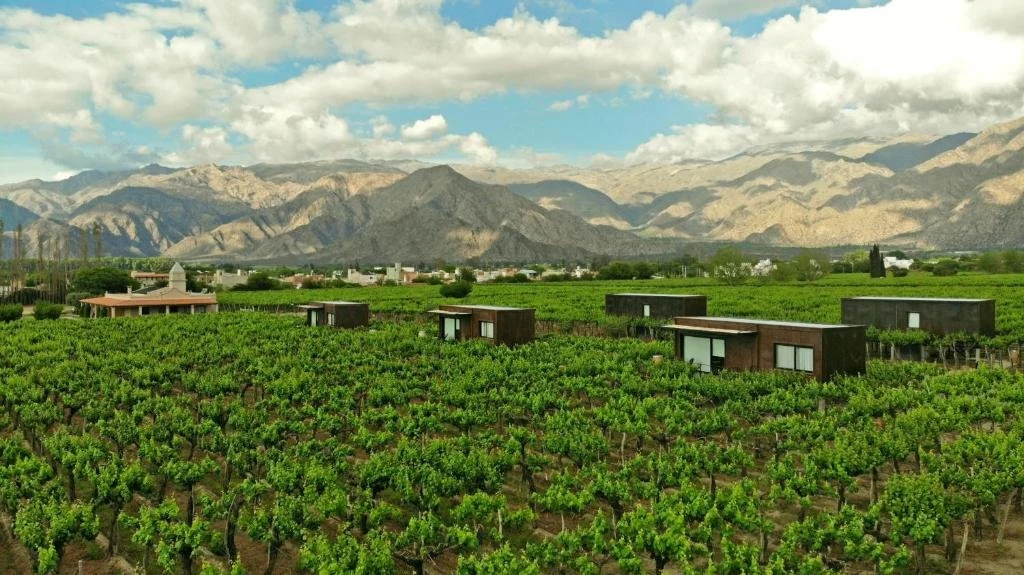
<h2>Ruta 40 and the Logic of Altitude</h2><p>There is a particular quality of light in the Calchaquí Valley at harvest time: sharp, high-UV, and arriving from a sky that sits closer to the vines than anywhere in the Mendoza lowlands. Cafayate's vineyards begin at roughly 1,700 metres above sea level, and the road that connects them, Ruta 40, one of the longest highways in the Americas, threads past finca gates and dry-stone walls with the matter-of-fact directness of a working agricultural route, not a tourist corridor. Finca Quara occupies a position on that road at kilometre marker 4340, and the address alone tells you something about the producer's setting.</p><p>In a region where altitude winemaking has become the defining creative constraint, the decisions made between harvest and bottle matter enormously. Cafayate's diurnal temperature range, routinely above 15°C between day and night, produces grapes with pronounced acidity and aromatic intensity, particularly in Torrontés, the valley's signature white. But it also raises questions that every serious producer here must answer: how much of that freshness survives extended barrel time, and which varieties benefit from aging programmes versus early release? Finca Quara, awarded Pearl 2 Star Prestige in 2025, sits in the tier of Cafayate producers for whom those questions are not rhetorical.</p><h2>The Cellar as the Second Terroir</h2><p>In the broader context of Argentine wine, Cafayate occupies a different register from Mendoza. While the Mendoza Valley's established appellations, home to producers like <a href="https://www.enprimeurclub.com/wineries/bodega-norton-lujan-de-cuyo-winery">Bodega Norton in Luján de Cuyo</a>, <a href="https://www.enprimeurclub.com/wineries/escorihuela-gascon-godoy-cruz-winery">Escorihuela Gascón in Godoy Cruz</a>, and <a href="https://www.enprimeurclub.com/wineries/rutini-wines-la-rural-tupungato-winery">Rutini Wines (La Rural) in Tupungato</a>, deal in volumes and Cabernet-facing blends with international market confidence, Cafayate operates as a smaller, more specialist zone. The wines produced here, whether the aromatic Torrontés or the structured, mineral-edged Malbec that the valley's iron-rich soils encourage, find their clearest expression in cellars that treat post-harvest decisions as a continuation of terroir work rather than a departure from it.</p><p>The question of barrel selection and aging duration in this climate is not direct. Extended oak contact risks overwhelming the aromatic precision that defines Torrontés at its finest; too little time, and Malbec from high-altitude sites can carry a structural rawness that resolves only with patience. The producers in Cafayate who have earned recognition at the premium tier tend to be those who have developed a precise understanding of their own fruit's arc: when to release, when to hold, and what vessel leading mediates between the grape's natural intensity and the palate's expectation of integration. Among Finca Quara's closest neighbours in quality terms, <a href="https://www.enprimeurclub.com/wineries/bodega-el-esteco-cafayate-winery">Bodega El Esteco</a> has long anchored the premium end of the valley, while <a href="https://www.enprimeurclub.com/wineries/domingo-molina-cafayate-winery">Domingo Molina</a> operates with a focus on small-lot, single-vineyard specificity. <a href="https://www.enprimeurclub.com/wineries/bodega-amalaya-cafayate-winery">Bodega Amalaya</a> and <a href="https://www.enprimeurclub.com/wineries/bodega-nanni-cafayate-winery">Bodega Nanni</a> each occupy distinct positions further down the price register, offering entry points into the valley's style without the cellar investment that defines the upper tier.</p><p>Finca Quara's 2025 Pearl 2 Star Prestige recognition places it in that upper tier. In the context of how Pearl ratings are distributed across Argentine wine country, from the high-altitude Patagonian producer <a href="https://www.enprimeurclub.com/wineries/familia-schroeder-san-patricio-del-chanar-winery">Familia Schroeder in San Patricio del Chañar</a> to the altitude-focused <a href="https://www.enprimeurclub.com/wineries/bodega-colome-molinos-winery">Bodega Colomé in Molinos</a>, whose vineyards reach above 2,000 metres, a 2 Star designation signals consistent quality and cellar discipline across multiple releases, not a single impressive vintage.</p><h2>Placing Finca Quara Against Its International Reference Points</h2><p>The comparison that Cafayate's better producers most often invite is not within Argentina but across altitude wine zones globally. The combination of low rainfall, intense solar radiation, and cold nights that characterises the Calchaquí Valley shares structural parameters with regions as distant as parts of northern Spain's Ribeira Sacra or the high-altitude zones of Chile's Atacama approaches. What these regions share is a challenge to conventional winemaking logic: the fruit arrives with both high sugars and high acids, and the cellar must find a path through that apparent contradiction. The leading results, whether from <a href="https://www.enprimeurclub.com/wineries/bodega-diamandes-tunuyan-winery">Bodega DiamAndes in Tunuyán</a> or from producers at higher elevations, tend to favour restraint in oak: medium-toast barrels, shorter contact periods, and blending decisions that preserve lift rather than add weight.</p><p>For a producer like Finca Quara, positioned on the floor of the valley where the Ruta 40 corridor concentrates both agricultural activity and visitor traffic, the relationship between cellar programme and eventual market is also a practical one. Cafayate's wine tourism circuit draws visitors from Salta city, roughly 180 kilometres north, and the cellars along Ruta 40 form a natural tasting route that the valley's most serious producers use to educate buyers directly. This direct relationship between producer and consumer, common across Argentina's wine regions but particularly concentrated in Cafayate's compact geography, gives wineries at Finca Quara's level an audience that can absorb explanation of aging decisions, blend rationale, and vintage variation in ways that wholesale distribution does not always permit.</p><h2>Visiting the Valley: Practical Notes</h2><p>Cafayate is most accessible between March and November; the summer months of December through February bring heat and occasional flooding to Ruta 40's northern sections, which can affect transit from Salta. The harvest window, typically falling in February and March at these altitudes, draws the most concentrated visitor interest, but the months either side of harvest, when the cellar work is at its most visible and the valley is not yet at full tourist capacity, tend to reward those willing to time their visit with some flexibility. Finca Quara's address on Ruta 40 at kilometre 4340 places it within the main cluster of Cafayate producers, meaning a single day can reasonably accommodate visits to multiple properties. <a href="https://www.enprimeurclub.com/wineries/domingo-hermanos-cafayate-winery">Domingo Hermanos</a> is among the other established producers in the area worth scheduling on the same circuit.</p><p></p><h2>How Finca Quara Fits the Larger Picture</h2><p>Cafayate is not a region that benefits from being treated as a footnote to Mendoza, and producers at Finca Quara's level are part of why. The valley's identity is built on two varieties, Torrontés and high-altitude Malbec, that require different cellar logic than their Mendoza counterparts, and the wineries earning consistent recognition here are those whose aging and blending decisions reflect that difference rather than defaulting to the conventions of Argentina's larger appellation. In a global context where altitude and thermal range have become the defining markers of the next wave of serious wine production, from Jura to Priorat to the high slopes of Georgia, Cafayate's premium tier has a legitimate claim on the attention of buyers looking beyond the conventional map. The kind of producer recognition that <a href="https://www.enprimeurclub.com/wineries/accendo-cellars">Accendo Cellars in St. Helena</a> or <a href="https://www.enprimeurclub.com/wineries/aberlour-aberlour-winery">Aberlour in Aberlour</a> carry in their respective categories is earned through exactly the kind of sustained cellar discipline that a Pearl 2 Star Prestige in 2025 signals for a Cafayate producer. Finca Quara is a winery worth understanding on those terms.</p>
Finca Quara is located at Ruta 40 Km 4340, A4427 Cafayate, Salta, Cafayate.
Finca Quara has received recognition including: Pearl 2 Star Prestige (2025).
Finca Quara's Pearl 2 Star Prestige recognition in 2025 points to its most serious expressions as the ones best representing the Calchaquí Valley's altitude character. Cafayate is the reference point globally for high-altitude Torrontés, and Malbec grown above 1,700 metres here produces a structural profile distinct from anything coming out of Mendoza. Those two varieties are where the estate's credibility sits.
Cafayate draws visitors who want to understand what altitude does to wine at an extreme — the Calchaquí Valley sits higher than virtually any comparable wine zone outside of Bolivia. Finca Quara, positioned on Ruta 40 at kilometre 4340 and holding a Pearl 2 Star Prestige award as of 2025, is among the producers that give the region its critical standing. The combination of landscape, light, and wine specificity is what separates a visit here from a standard Argentine wine itinerary.
Harvest season in Cafayate runs roughly March through April, when producer interest along Ruta 40 peaks and visitor numbers are at their highest. Finca Quara's award profile — Pearl 2 Star Prestige in 2025 — places it among the valley's more sought-after stops. Booking ahead during harvest and the broader March-to-November travel window is the practical approach; showing up unannounced at a prestige-tier estate on a busy weekend carries real risk of missing access.
Ruta 40 Km 4340, A4427 Cafayate, Salta
Cafayate