Finca Torremilanos
- 01CityAranda de Duero, Spain
- Falstaff Winery - 4 Stars · 2026
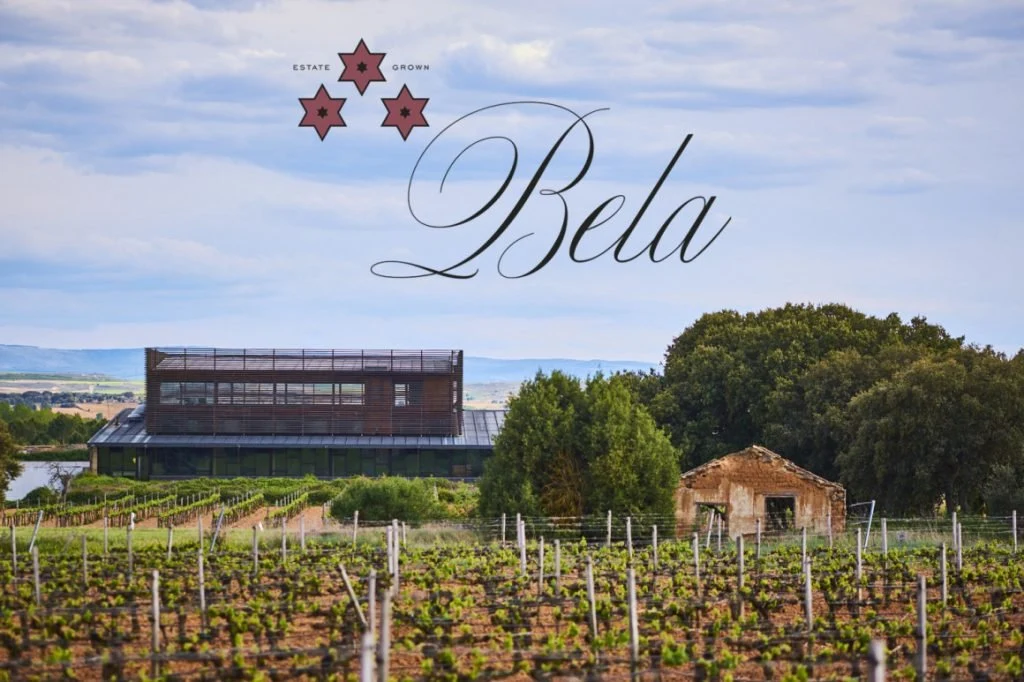
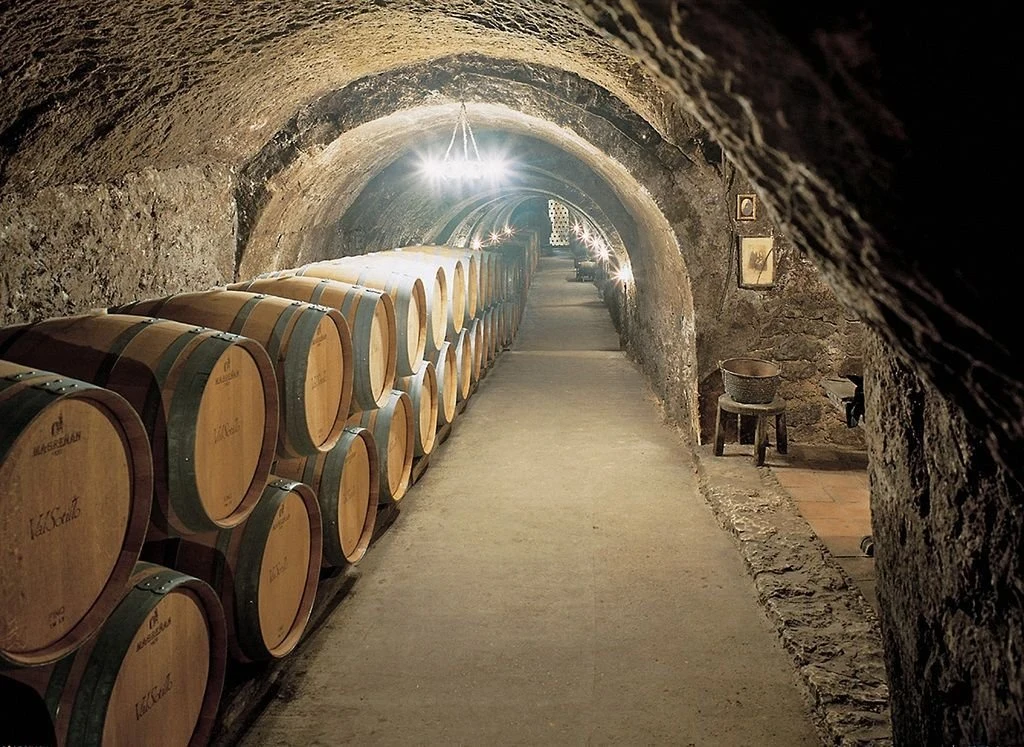
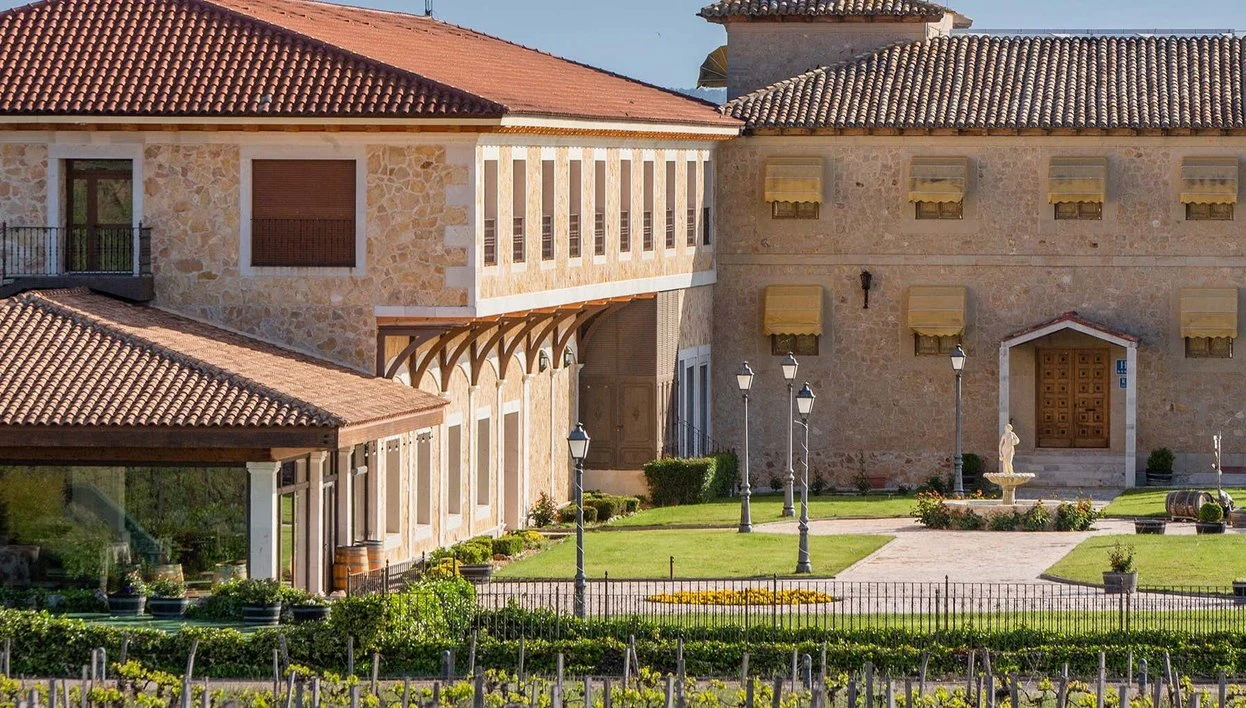
Approaching Finca Torremilanos means entering a Ribera del Duero wine estate where the setting is central to the experience. The picture is of a historic, family-run property in Aranda de Duero, with a century-old winery, traditional hotel interiors, and tranquil vineyard surroundings suited to relaxed wine tourism. Rather than relying on spectacle or a long list of confirmed amenities, the venue’s character comes through in the relationship between the estate, the hotel atmosphere, and the surrounding vineyards.
The appeal is not built on a busy urban format or a heavily specified service model. What can be stated with confidence is simpler: Finca Torremilanos offers a scenic, rustic, classic, and romantic estate atmosphere, with vineyard surroundings and a calm hotel setting shaping the visit. That makes it most useful to understand as a place where context matters: the sense of being at a Ribera del Duero property is part of the draw, not merely a backdrop to something else.
Ribera del Duero character through a historic estate setting
The most grounded way to understand Finca Torremilanos is as a wine-country estate rather than as a narrowly defined restaurant, bar, or tasting-room concept. Its identity rests on family ownership, a century-old winery, and a classic hospitality environment in Aranda de Duero. Those elements give the property a rooted, place-specific feel, especially for visitors who are seeking a quieter expression of Ribera del Duero rather than a more urban or entertainment-led experience.
Reliable draw is the estate’s historic winery character and its relaxed vineyard setting. The confirmed information points less toward a detailed program of activities and more toward atmosphere: the presence of an old winery, the continuity implied by family ownership, and the calm of a landscape shaped by vines.
For travelers who value atmosphere, that is still meaningful. The property’s traditional interiors and tranquil surroundings make it better suited to a slow, scenic wine-country stop than to a fast-paced social itinerary. It is the kind of setting where the pace of the visit should match the environment: unhurried, attentive to the estate itself, and oriented around the feeling of being in wine country.
A winery hotel atmosphere with classic interiors
Finca Torremilanos has the feel of a historic Ribera del Duero estate rather than a contemporary nightlife venue. The hotel interiors are described as traditional and classic, while the broader setting is rustic, scenic, and romantic. That combination helps define the likely mood of a visit: more composed than flashy, more estate-focused than trend-led, and more aligned with a countryside hospitality experience than with a city bar or polished modern lounge.
The price is $27 per person. Beyond that, specific claims about tasting formats, restaurant service, private events, parking, group capacity, or reservation requirements are not confirmed in the available data and should be checked directly before planning around them. This is especially important because the venue’s confirmed profile is broad and atmospheric rather than operationally detailed; visitors who need a particular format should verify the practical details in advance.
Travelers should think of the property as a relaxed wine-tourism setting in Aranda de Duero, with the century-old winery and vineyard surroundings providing the main reason to visit. The value of the stop lies in the classic estate context: a family-run property, a historic winery presence, and a calm hotel environment that together create a sense of continuity and place.
How to place it in an Aranda de Duero wine itinerary
Finca Torremilanos makes sense when Aranda de Duero is treated as a base for wine-country atmosphere and slower estate visits. Its combination of historic winery character, family-run identity, traditional hotel interiors, and tranquil vineyard surroundings gives it a grounded role in a relaxed Ribera del Duero itinerary. It is best positioned as a scenic, estate-led stop rather than as a tightly defined dining, nightlife, or tasting-room destination.
For broader planning around the city, see general Aranda de Duero winery, restaurant, hotel, bar, and experience guides. Other local dining and wine options can be considered generically when building a route, but this page verifies only the details stated here for Finca Torremilanos. In practical terms, that means using the property’s confirmed strengths as the planning anchor while leaving any service details to direct confirmation.
Travelers building a wider Spain-and-Europe wine map can compare Finca Torremilanos with other wine estates and hospitality formats elsewhere, while keeping in mind that the confirmed strengths here are its Aranda de Duero location, century-old winery, family-run character, classic hotel atmosphere, and vineyard setting. Within that frame, its role is clear: a calm, traditional, romantic Ribera del Duero estate experience where the surroundings are not incidental, but central to why the venue belongs on a wine-country route.
Questions
Frequently asked
How expensive is Finca Torremilanos?
Finca Torremilanos is listed at a price level of $$$.
The field
How it compares
| Place | Notes |
|---|---|
| Finca Torremilanos | Finca Torremilanos estate, $$$ |
| Altos Del Terral | Aranda de Duero |
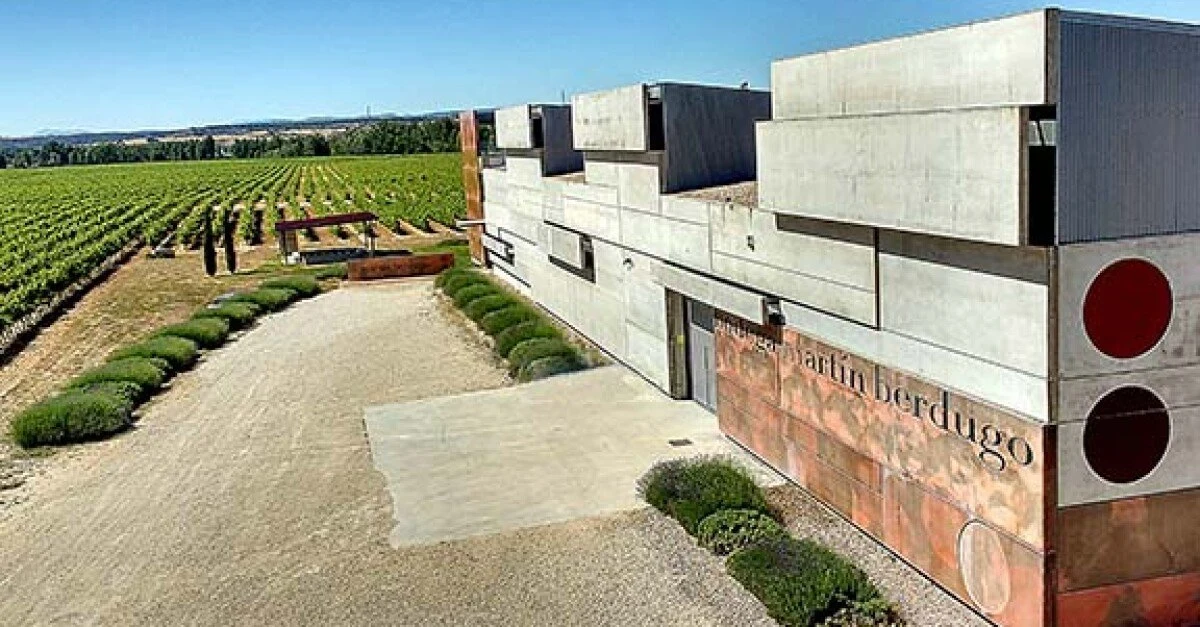
| Bodega y Viñedos Martín Berdugo | Aranda de Duero |
| Bodegas Vitulia | Aranda de Duero |
| Bodegas y Viñedos Alilian | Aranda de Duero |
| Finca Cantaburros | Aranda de Duero |
| Grupo Tudanca | Aranda de Duero |