
- Falstaff Winery - 4 Stars · 2026
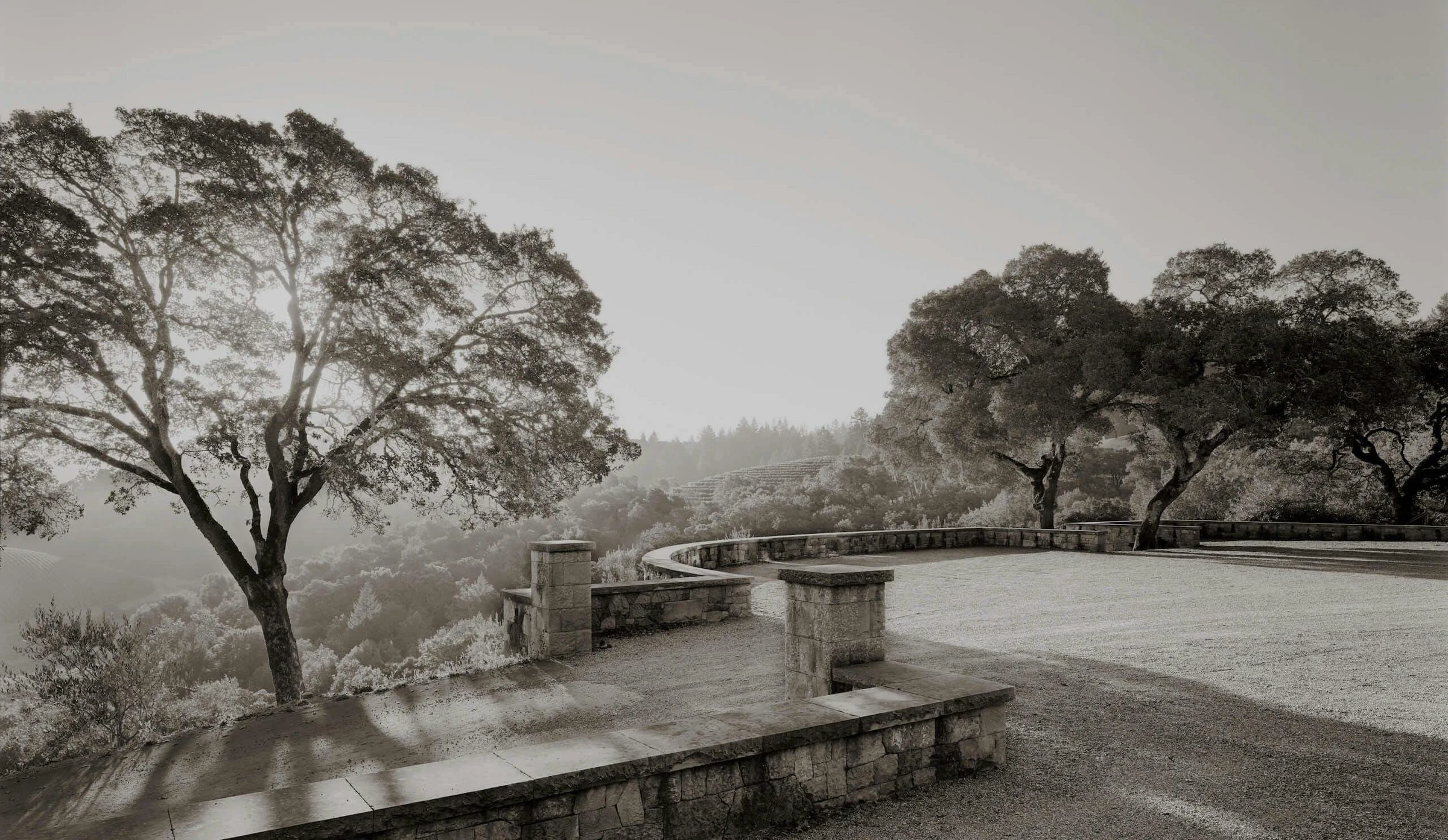
Approaching Fontanavecchia in Torrecuso means focusing on a quiet rural corner of Sannio rather than a high-gloss hospitality setting. The picture is of a historic, family-run cellar and estate, with vineyards, olive trees, and traditional underground cellars shaping a tranquil countryside atmosphere. It is the kind of listing where the surrounding landscape matters as much as the built space: the estate is framed through its agricultural context, its cellar character, and the sense of calm associated with a working rural property.
For planning, treat the listing as a grounded introduction to the estate’s setting rather than a full service manual. It gives enough to understand the mood and basic positioning of the place, but not enough to rely on for detailed logistics. Anyone building a day around Fontanavecchia should use this as a starting point, then confirm directly what is available, how visits are handled, and which practical arrangements apply.
Historic cellar atmosphere in rural Sannio
Fontanavecchia’s clearest identity is atmospheric: a family-run estate rooted in a rural Sannio setting. The surrounding vineyards and olive trees support a classic countryside feel, while the underground cellars give the place a traditional, historic character. Rather than presenting the venue as a polished urban wine bar or a restaurant-led destination, the available description points toward a quieter estate experience, shaped by agricultural surroundings and cellar architecture.
That distinction matters. The appeal here is not built around spectacle or a tightly packaged hospitality concept, but around the impression of continuity: vines, olive trees, cellars, and a family-run estate in Torrecuso. The underground cellars are especially important to the way the venue reads, because they connect the estate to older, more traditional ways of storing and presenting wine. Even without technical detail, they help define the sense of place.
The emphasis is not on spectacle or a named dining format. Fontanavecchia is not described through a tasting menu, a chef profile, a nightlife identity, or a specific culinary proposition. Its personality comes instead from the setting itself: rural Sannio, a historic cellar atmosphere, and the quiet presence of vineyards and olive trees around the estate.
Because the available data is intentionally limited, this guide does not assert specific wines, DOC or DOCG labels, vineyard size, production volume, harvest details, cellar techniques, owners, founding dates, or awards. Those details should be confirmed directly with the venue before being used for planning. The restraint is deliberate: Fontanavecchia can be understood as a historic family-run cellar and estate without attaching unsupported claims to its wines, operations, or history.
A working estate rather than a luxury tasting set
Fontanavecchia reads as a rural estate with traditional cellars, not as a venue defined by chef-driven dining, nightlife, or a luxury tasting-room script. The strongest cues are its family-run character, its countryside surroundings, and the presence of vineyards and olive trees. This makes the listing feel grounded and place-specific, with the estate’s rural identity doing most of the work.
That makes the venue most relevant for travelers who want a quieter view of Torrecuso and Sannio: cellar atmosphere, agricultural setting, and a sense of continuity around vine cultivation and aging. The listing does not verify lunch, dinner, takeout, delivery, dietary accommodations, seating count, or a formal menu format. It should therefore not be treated like a conventional restaurant page, where the main questions are what to order, when to book a table, and how the dining room is organized.
Instead, the useful way to read Fontanavecchia is as an estate-led stop: a place whose significance comes from its rural context, traditional underground cellars, and family-run identity. Travelers interested in the atmosphere of wine country around Torrecuso may find that framing more helpful than looking for a fully documented hospitality program. The available information suggests a setting to understand and verify, not a finished itinerary on its own.
Price guidance is available only at a broad level: Fontanavecchia is listed as $$. That marker gives a general sense of positioning, but it should not be stretched into assumptions about tasting fees, bottle costs, meal pricing, or package formats. If price is a deciding factor, the sensible step is to ask the estate directly before visiting.
How to read Fontanavecchia within Torrecuso
Within Torrecuso, Fontanavecchia is best understood as a historic family-run cellar and estate in a tranquil rural setting. The draw is the combination of traditional underground cellars, surrounding vineyards, olive trees, and a countryside rhythm associated with winegrowing. Those elements give the venue its editorial shape: not loud, not urban, and not defined here by a catalog of services, but by its connection to land, cellar, and rural Sannio.
For broader planning, compare Fontanavecchia with other dining or wine-related options in Torrecuso generically, and verify practical details directly before making a special trip. This is especially important because the listing does not confirm the kind of service details that often determine whether a visit works on a particular day. Treat it as a promising rural estate reference, then fill in the operational questions with the venue itself.
The editorial case for Fontanavecchia is therefore simple and restrained: it offers a grounded rural Sannio atmosphere in Torrecuso, with historic cellar character and an estate setting. It is not presented here through awards, exact wine lists, technical production claims, or invented service details. Its value in this guide is the clarity of its setting: a family-run cellar and estate surrounded by vineyards and olive trees, offering a quieter way to think about Torrecuso and its winegrowing countryside.
Questions
Frequently asked
Who works at Fontanavecchia?
Made By profiles Libero Rillo (Winemaker) at Fontanavecchia.
How expensive is Fontanavecchia?
Fontanavecchia is listed at a price level of $$.
The field
How it compares
| Place | Notes |
|---|---|
| Fontanavecchia | Fontanavecchia district, Torrecuso, $$ |
| BOND Winery | Napa |
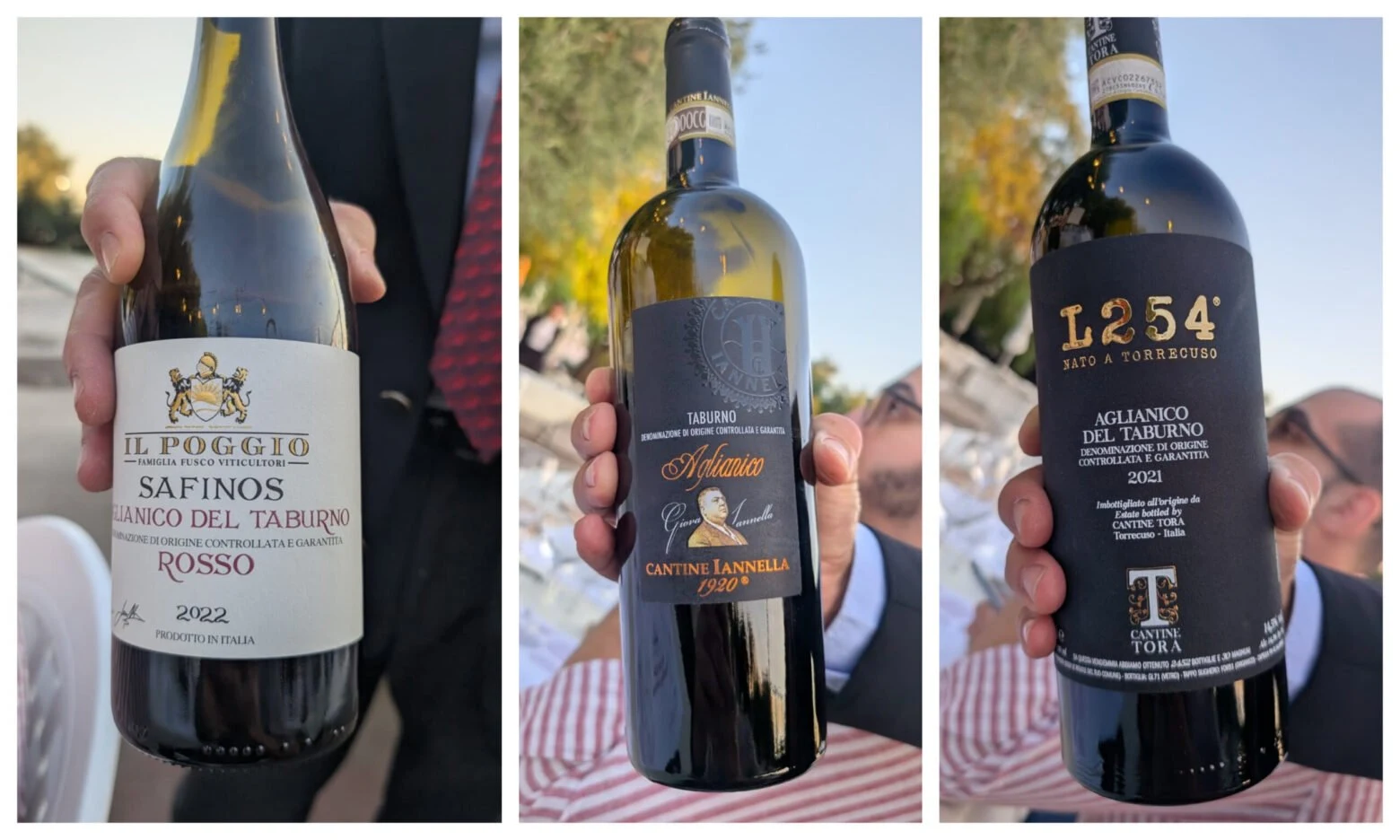
| Cantine Tora | Torrecuso |
| Chateau Petrus | Pomerol |
| Jacques Selosse | Avize |
| La Fortezza | Torrecuso |
| Ornellaia | Castagneto Carducci |