Low alcohol research in Marlborough
- Falstaff Winery - 4 Stars · 2026
Low alcohol research at the cellar door
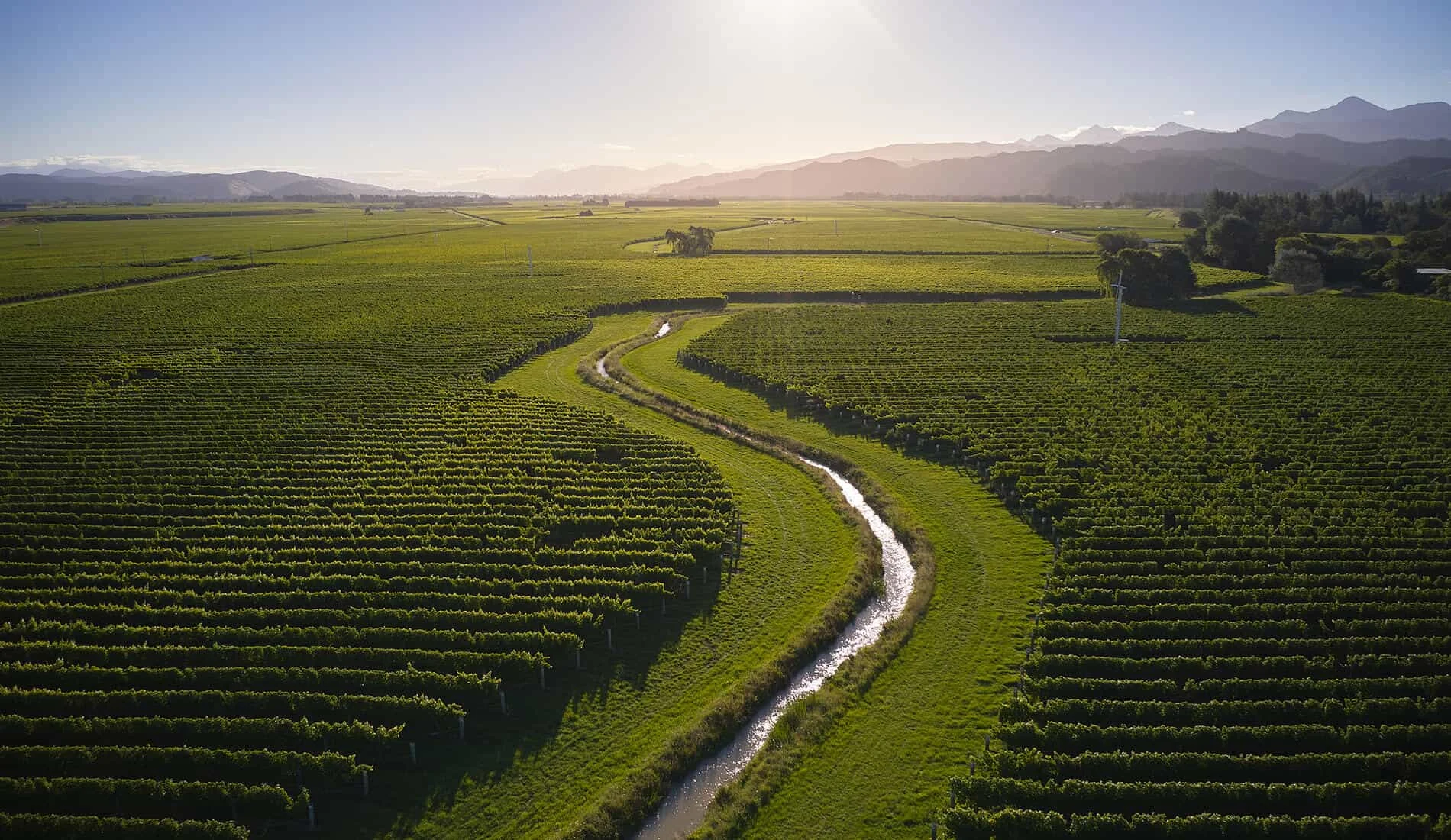
The tasting bench carries more than 20 wines, and John Forrest, winemaker at Forrest Wines in Blenheim, keeps the range tied to Marlborough ground. The estate sits just outside Renwick, among home vineyards in Sauvignon Blanc country, where the cellar door presents the work as a family-run, hands-on producer rather than a distant label. Forrest founded the winery in 1980, then brought Otago University study into the frame in 1982, so the line here runs through practice first, formal training second, and the long discipline of keeping a producer moving season after season.
His current station remains practical: owner and winemaker, with attention on low-alcohol wine research, sustainability, screw caps, and Rieslings. Those concerns sit close together. Low alcohol asks for control before the wine reaches the glass; screw caps make closure part of the method; sustainability extends the work past the cellar and into the way vines, bottles, and guests are handled. The house is also known for The Doctors’ wines, a range that has made Forrest’s lighter-alcohol work part of its public signature.
A bench spread across three regions
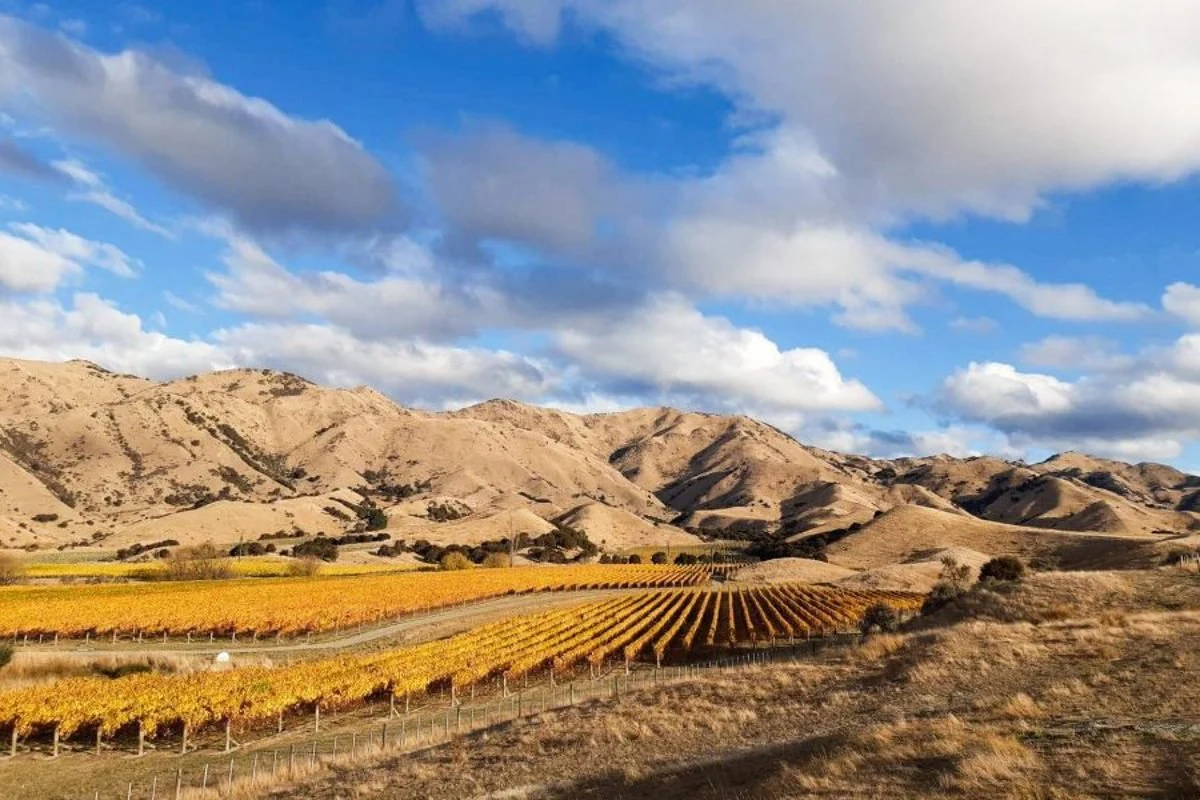
The cellar door is built around breadth, not ceremony. Visitors taste across Marlborough, Hawke’s Bay, and Otago, with the Forrest, Doctors, and Tatty Bogler ranges giving the bench its structure. That regional span matters because it turns a single tasting into a comparison of New Zealand fruit, climate, and house intention. Marlborough gives the immediate setting and the Sauvignon Blanc reference point; Hawke’s Bay and Otago widen the conversation without taking the room away from Renwick.
The property is a small, hands-on producer of premium white wine from home vineyards. The public material does not state vessel choices, fermentation temperatures, lees programs, or production volume. Better to leave those blanks alone than dress the cellar in borrowed language. What is clear is the emphasis Forrest puts in front of the guest: a broad tasting bench, lighter-alcohol research, regional range, and service that can talk about winegrowing without turning the glass into a lecture.
Vineyard ground, fire, shade
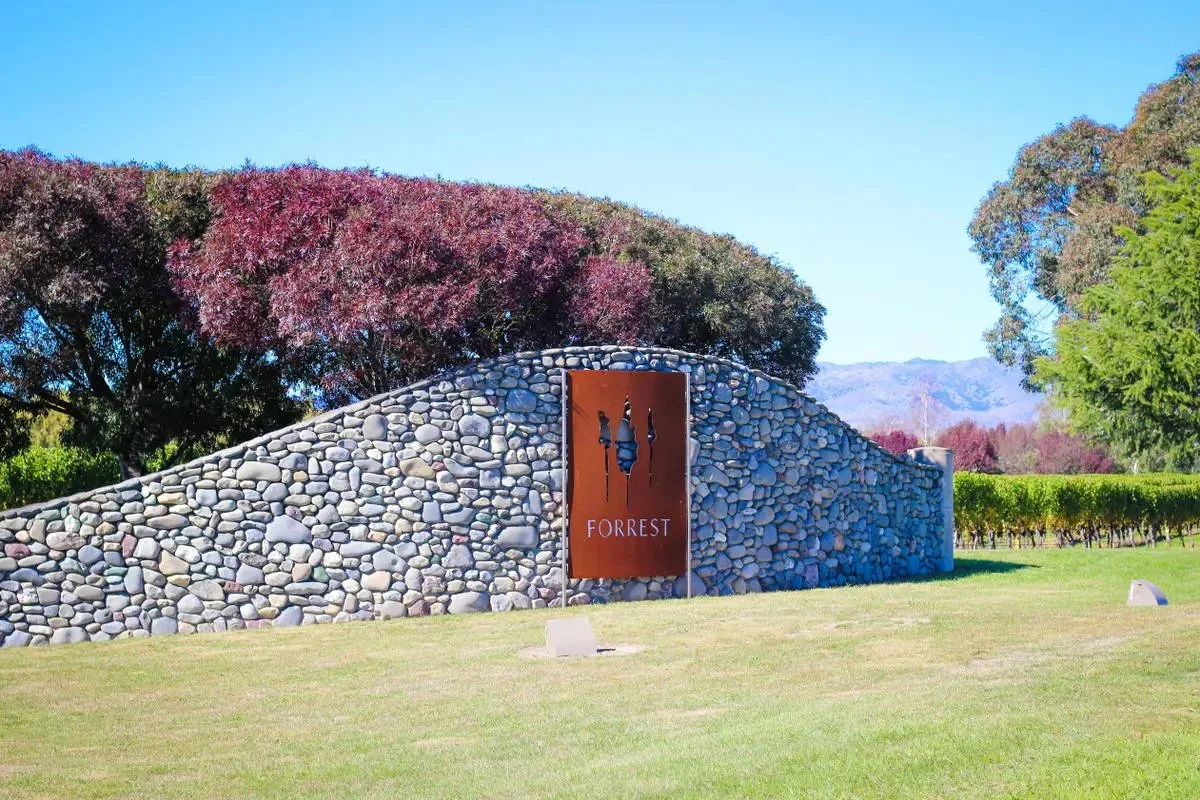
The room at Forrest Wines works in a relaxed register. In winter, a fire draws the tasting room inward; in summer, shade and lawn pull the visit outside, into park-like vineyard grounds with space for picnics and games. Petanque, volleyball, and lawn tennis sit near the cellar-door experience, not as distraction but as evidence of the estate’s chosen tempo. Wine is poured in a place meant to be inhabited for a while.
Staff are described as friendly and informative, and the tone fits the house: conversational, regionally literate, and unforced. Around the garden, sculpture and vineyard rows give the eye places to rest between pours. The useful close here is not a grand claim for Marlborough, but the steady presence of John Forrest’s bench beside The Doctors’ wines in Renwick.
Questions
Frequently asked
Who is behind Forrest Wines?
John Forrest is the winemaker and owner at Forrest Wines in Blenheim, and the winery was founded in 1980.
What is the cellar door known for?
The cellar door is built around a broad tasting bench, with more than 20 wines to taste across the Forrest, Doctors, and Tatty Bogler ranges.
What kind of wines does the winery focus on?
Forrest Wines is known for low-alcohol wine research, sustainability, screw caps, and Rieslings, and its The Doctors’ wines range has made the lighter-alcohol work part of its public signature.
What is the visit like at the estate?
The estate is a small, hands-on producer with a relaxed cellar-door setting, friendly and informative staff, and park-like vineyard grounds with a fire in winter, shade and lawn in summer, and space for picnics and games.
Can visitors drop in, and is there parking?
Forrest Wines is walk-in friendly, has casual dress, and offers on-site parking.
The field
How it compares
| Place | Notes | Awards |
|---|---|---|
| Forrest Wines | Renwick, $$ | · |
| Catalina Sounds | Blenheim | · |
| Cloudy Bay Vineyards | Blenheim | World's 50 Best |
| FROMM Winery | Blenheim | · |
| Marisco Vineyards | Blenheim | · |
| Tinpot Hut | Blenheim | · |
| Walnut Block | Blenheim | · |