
- Falstaff Winery - Listed · 2026
François Lurton – Hacienda Araucano is best understood as a quiet Colchagua Valley estate rather than a flashy visitor-center destination. In Santa Cruz, its appeal is the rural setting: vineyards, a tranquil atmosphere, and a focus on premium organic and biodynamic wine production. The draw is not a long list of promised extras, but the sense of being in a working wine-country landscape where the estate’s identity is tied closely to the vines and to the way those vines are cultivated.
The profile is deliberately simple. The estate sits within the wine-country context around Santa Cruz, with a relaxed, rustic character and a setting shaped more by vineyard work than by spectacle. For travelers comparing winery stops in the area, that makes it a fit for a calmer Colchagua route. It is the kind of place to consider when the goal is to slow the pace of an itinerary and give more weight to landscape, atmosphere, and production philosophy than to a highly programmed hospitality experience.
Organic and biodynamic production define the identity
The clearest point about François Lurton – Hacienda Araucano is its emphasis on premium organic and biodynamic wine production. That emphasis gives the estate its main editorial hook and helps distinguish it from a more generic winery listing. Rather than treating organic and biodynamic language as a side note, the available profile places it at the center of how the estate should be understood: as a wine property whose character is closely connected to its production approach.
In practical planning terms, François Lurton – Hacienda Araucano is not presented here as a restaurant, bar, or high-energy hospitality venue. It is better framed as a premium wine estate in Santa Cruz with a calm Colchagua Valley feel. That distinction matters for expectations. Visitors should not read the estate primarily through the lens of nightlife, dining, or an elaborate visitor-center offer; the confirmed appeal is quieter and more specific. The estate belongs in the category of wine-country stops where the production identity and rural environment are the main reasons to pay attention.
A quiet estate setting in Santa Cruz
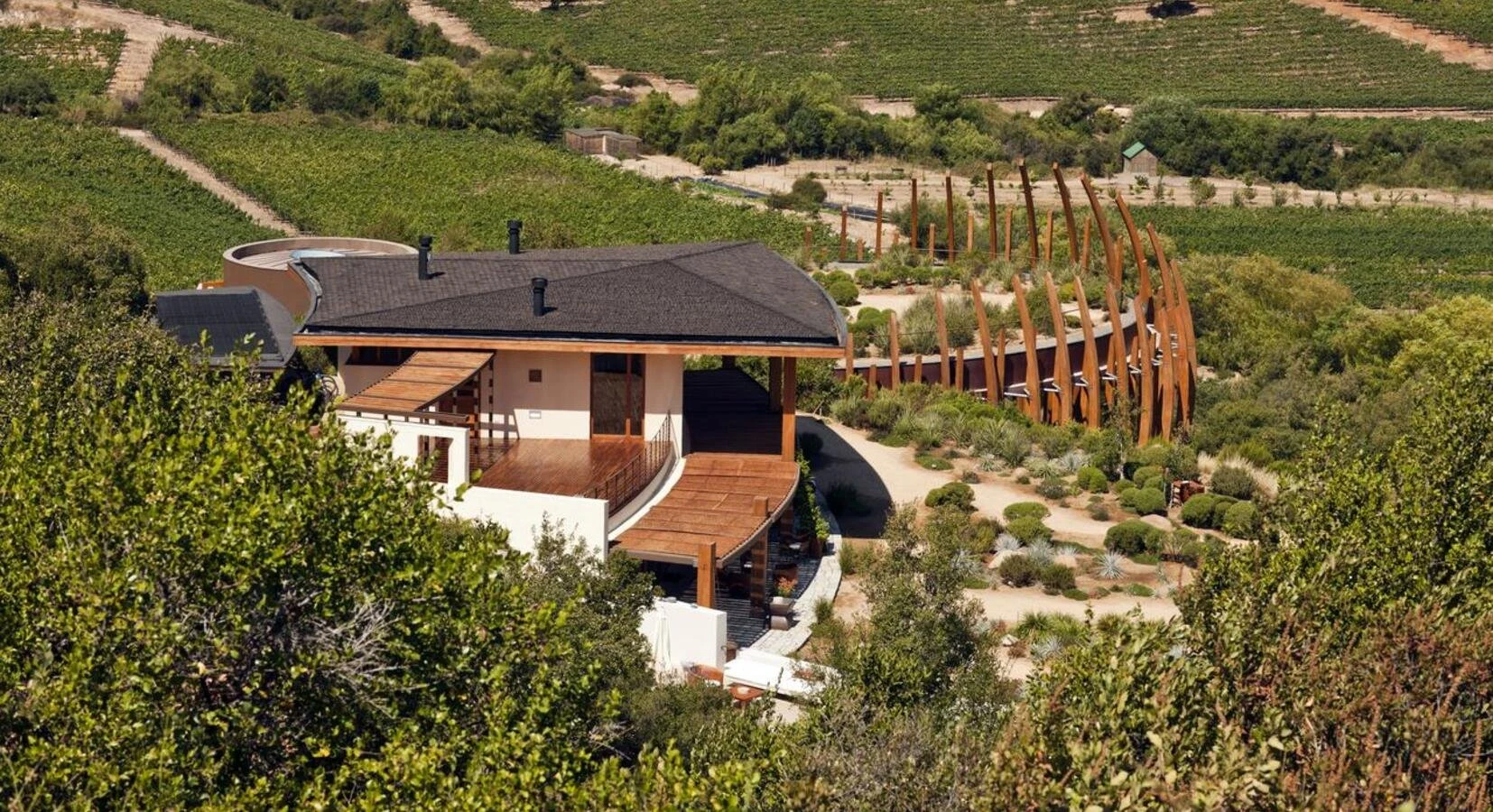
The experience should be approached through the setting rather than through service claims. The information supports a picture of a rural and tranquil estate surrounded by vineyards, with an atmosphere that is relaxed rather than showy. In that sense, François Lurton – Hacienda Araucano fits naturally into the broader appeal of Santa Cruz as a base for Colchagua wine travel: open vineyard scenery, a slower rural rhythm, and a sense of distance from more urban forms of hospitality.
Travelers should treat the estate as a wine-country stop whose confirmed appeal is its vineyard setting and organic and biodynamic focus. That means the strongest reason to include it is not because it promises a particular meal, tasting sequence, or entertainment format, but because it offers a clearly defined estate identity within a calm vineyard landscape. For some visitors, that simplicity will be exactly the point: a stop that feels rooted in wine production rather than built around spectacle.
For wider planning around Santa Cruz, it can sit naturally within a broader Colchagua wine itinerary. Other dining, hotel, bar, and experience options in Santa Cruz should be considered separately, without assuming they share the same format or setting. François Lurton – Hacienda Araucano should be planned as one piece of that wider route, not as a substitute for every part of a trip. If the day also requires a confirmed restaurant, a specific tasting appointment, or a more structured hospitality component, those elements should be checked independently rather than inferred from the estate’s premium wine-country profile.
Who should put it on a Colchagua route
François Lurton – Hacienda Araucano is a strong fit for travelers who value a relaxed rural atmosphere, vineyard surroundings, and an estate identity centered on premium organic and biodynamic wine production. Its listed price level is $$$, so it belongs in the more premium end of a Santa Cruz wine-country plan. That does not make it a flashy choice; it makes it a considered one, well suited to visitors who are comfortable prioritizing setting, production values, and a quieter estate character over a more expansive list of on-site amenities.
Those looking for a highly specific restaurant-style description, confirmed lunch format, or named tasting structure should verify those details directly before visiting. Based on the confirmed information, the reason to include it is simpler and more grounded: a tranquil Colchagua Valley estate in Santa Cruz with a rustic, vineyard-focused character. For the right traveler, that restrained profile is not a limitation but the core appeal. It belongs on a route for people who want their Colchagua planning to include a premium estate whose identity is anchored in organic and biodynamic wine production and whose atmosphere remains calm, rural, and vineyard-led.
Questions
Frequently asked
Who works at François Lurton – Hacienda Araucano?
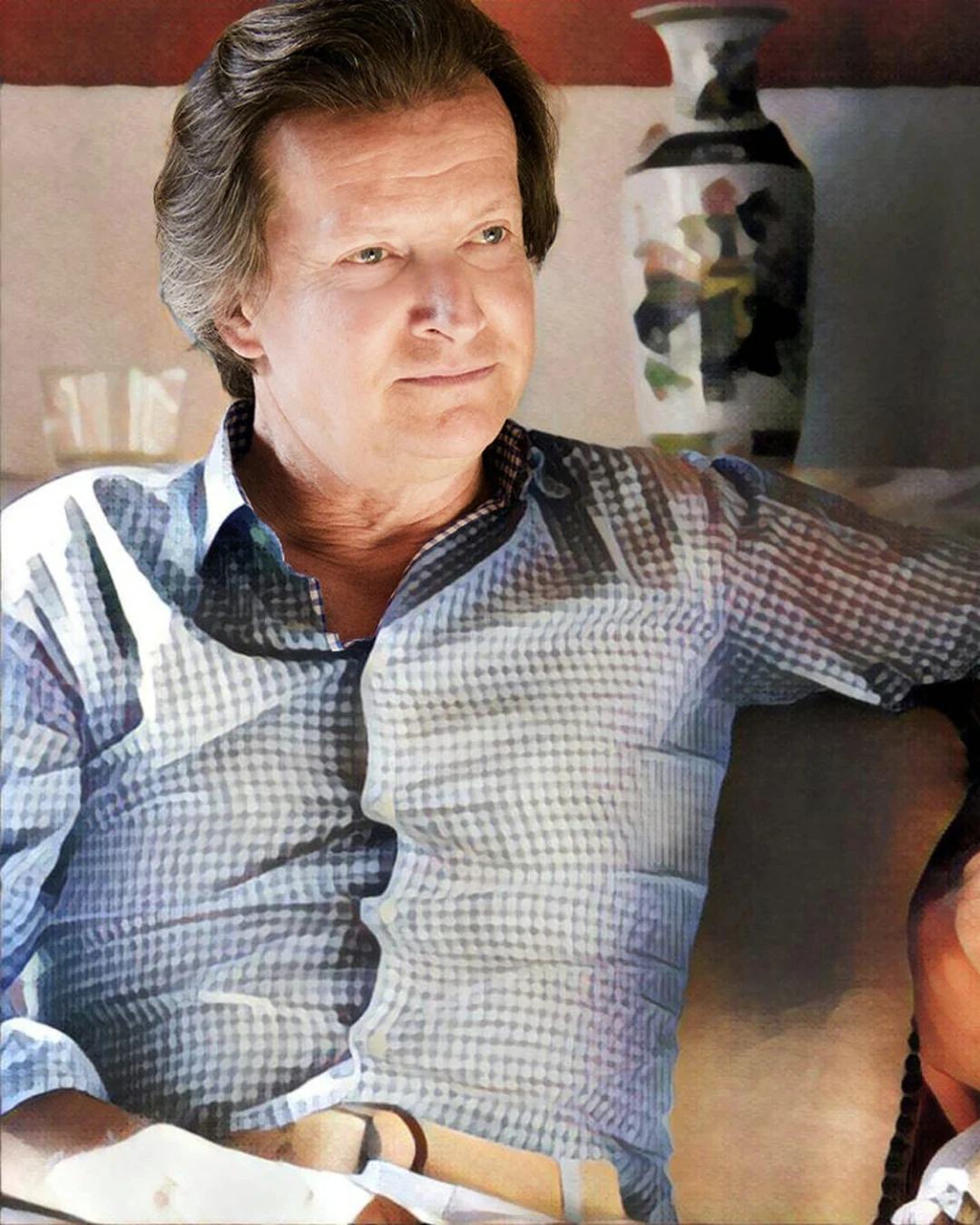
Made By profiles François Lurton (Winemaker) at François Lurton – Hacienda Araucano.
How expensive is François Lurton – Hacienda Araucano?
François Lurton – Hacienda Araucano is listed at a price level of $$$.
The field
How it compares
| Place | Notes | Awards |
|---|---|---|
| François Lurton – Hacienda Araucano | Lolol / Santa Cruz, $$$ | · |
| Chapoutier | Tain-l'Hermitage | World's 50 Best |
| Clos Apalta (Casa Lapostolle) | Santa Cruz | World's 50 Best |
| Viña Montes | Santa Cruz | World's 50 Best |
| Viña Nahuel | Santa Cruz | · |
| Viña Viu Manent | Santa Cruz | World's 50 Best |
| Viu 1 | Santa Cruz | · |