Francesco Brigatti, winemaker at Francesco Brigatti in Suno, works native Alto Piemonte grapes with careful, patient cellar practice.
Grapes arrive by hand in cases before the cellar work begins. Francesco Brigatti , winemaker at Francesco Brigatti in Suno, keeps that first decision close to the vineyard. His family has cultivated vines here since the early 1900s, when Alessandro Brigatti, his grandfather, planted grapes alongside cereals and then turned the farm more fully toward wine. The estate is now a third-generation house in the Colline Novaresi, and Brigatti’s role carries both family inheritance and technical training. He studied at the University of Turin, is an agronomist and oenologist, and took over the winery in 1995. That education matters in a place where tradition can be too easily flattened into romance. Brigatti works the native varieties of Alto Piemonte, especially Nebbiolo, Vespolina, Uva Rara, and Erbaluce, with a method built on gentle cellar practice, minimal intervention, and careful aging. The gesture is not to force the wine into a house style. It is to keep enough discipline in the vineyard and cellar that each parcel can hold its line.
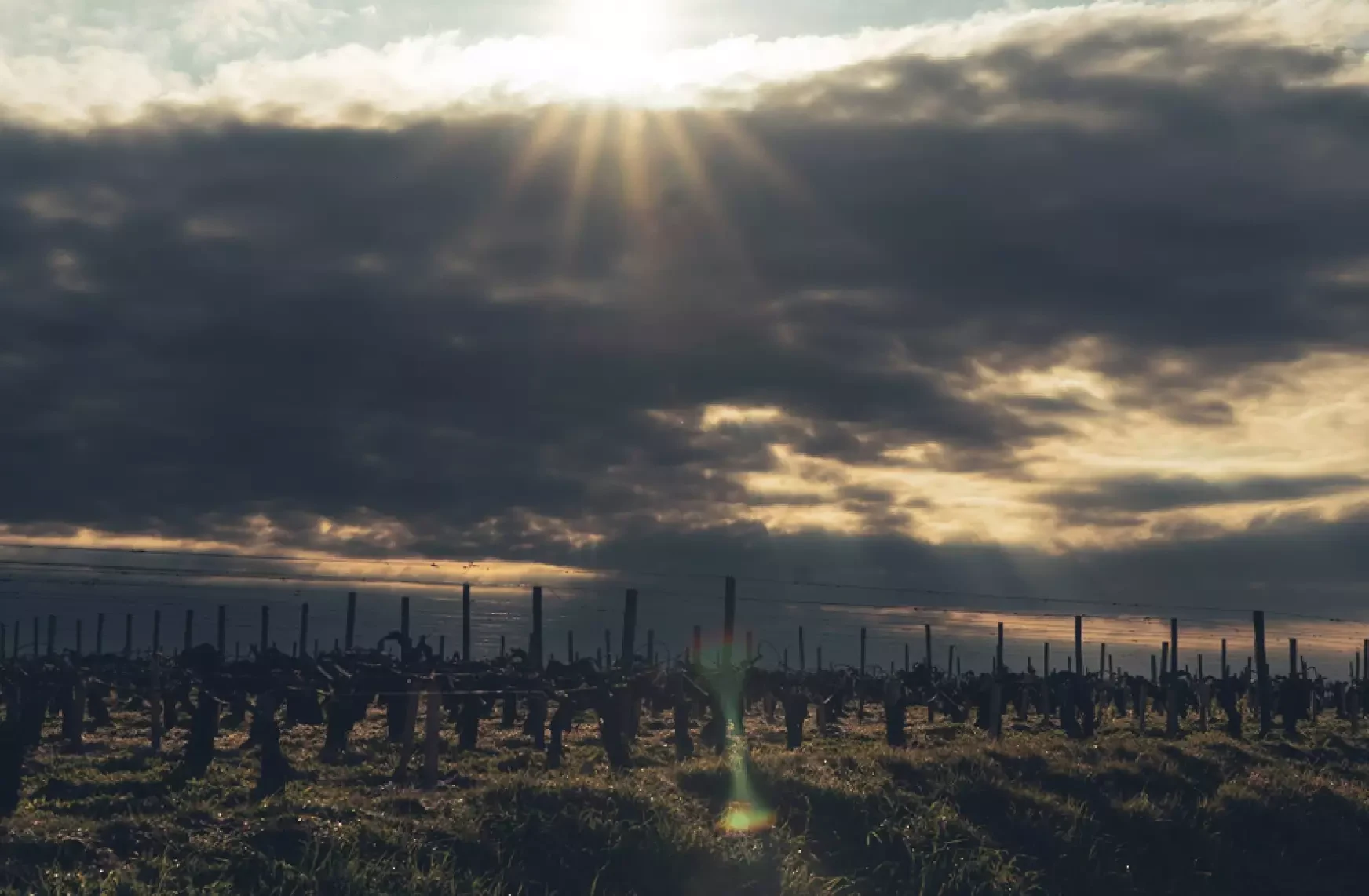
The estate’s work begins across three named hills: MötZiflon, Mötfrei, and Campazzi. MötZiflon faces southwest on clay soil; Mötfrei faces south on red sandy-loam soil; Campazzi faces west on looser ground with more sand. The vines are trained in guyot, with pruning adjusted by variety: 7–8 buds per vine for Barbera, Uva Rara, and Vespolina; 8–9 for Nebbiolo; 9–10 for white grapes. Weed control is mechanical rather than chemical, and the farming follows lotta integrata, an integrated approach that keeps intervention measured. In the cellar, Brigatti moves between stainless steel, cement, and oak according to the wine. Vespolina “Maria” ferments in stainless steel, spends about a week on skins, and ages for about six months in stainless steel. Nebbiolo “Mötfrei” ferments in stainless steel without added yeast, using a pied de cuve, then macerates for about two weeks and ages for 18 months in non-new puncheons. Ghemme “Oltre il Bosco” goes another way: Nebbiolo in cement tanks, submerged-cap management for 60 days, then two years in large 1,500-liter oak barrels, with no filtration or fining.
The red-wine cellar sits six meters underground, a practical piece of architecture for humidity and temperature as much as atmosphere. It gives the work a quieter pace. Cement, steel, and oak share the room, including Slavonian and French barrels, each vessel carrying a different part of the program rather than a decorative idea of tradition. Above it, the setting is rural hillside Suno, with south-facing, clay-rich vineyards and the stillness of a working family winery rather than a polished stage. The cellar is not built around spectacle. It is built around waiting. Long maceration has a place here, as does stainless steel for brightness, as does old wood when Nebbiolo needs time without the pressure of new oak. In that room, the place reads through the decisions: grape by grape, hill by hill, vessel by vessel.
The wines give the estate its clearest argument. Mottobello sits with a red lineup that includes Selvalunga, Campazzi, Maria, Mötfrei, Mötziflon, and Ghemme, a portfolio shaped less by scale than by local variety. Vespolina “Maria” gives a supporting grape its own bench, while Mötziflon brings Nebbiolo, Vespolina, and Uva Rara into a Colline Novaresi DOC blend of 85% Nebbiolo, 10% Vespolina, and 5% Uva Rara. The close attention now remains where it has long been: in the underground cellar, with Mötfrei, Mötziflon, and Ghemme “Oltre il Bosco.”
Suno, Piedmont, Italien
Suno