- Falstaff Winery - Listed · 2026
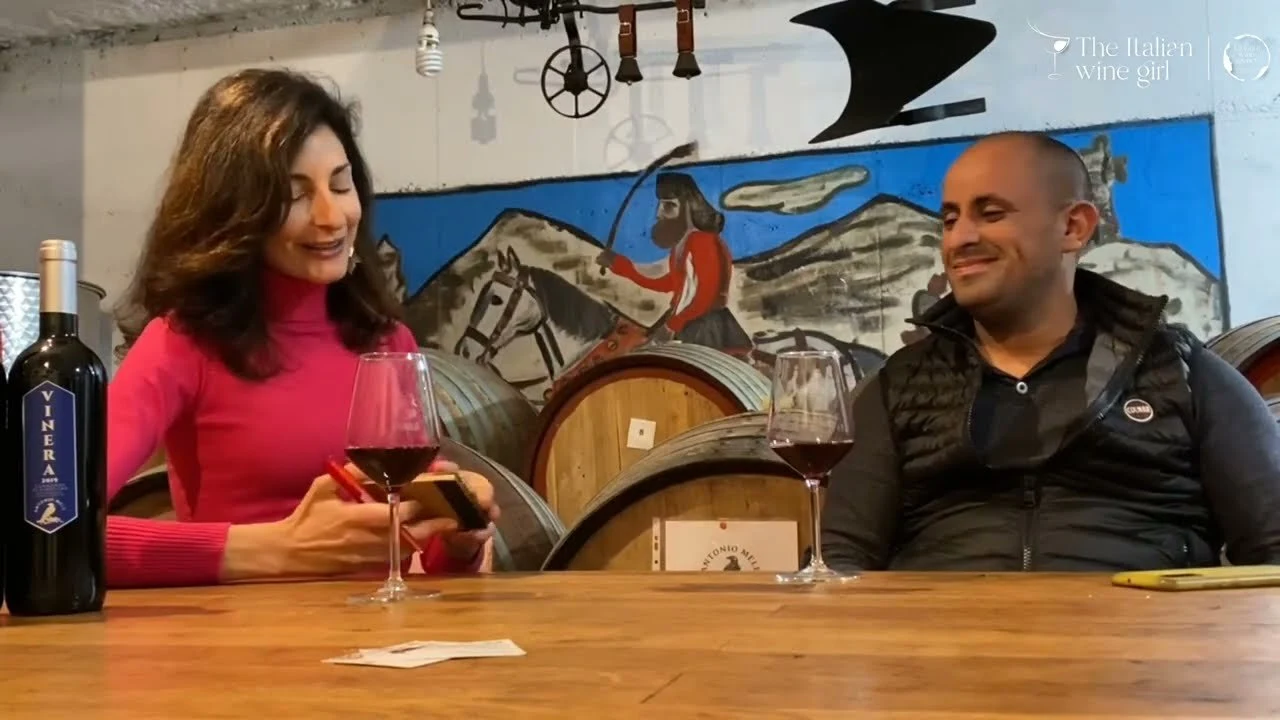
In Mamoiada, Francesco Cadinu is best understood as a small family-run cellar rather than a polished spectacle. The picture is intimate and rustic: a Barbagia hills setting, warm personal hospitality from the Cadinu family, and tastings centered on storytelling about old vines and territory. Its appeal is not framed around a glossy visitor circuit, but around the slower pleasures of being welcomed into a place where the landscape, the people and the cellar feel closely connected.
Come expecting a personal cellar experience in Mamoiada, not a restaurant-style program or a large commercial venue. The emphasis is on place, family hospitality and the character of old vines in the surrounding hills. That distinction matters, because the best version of the visit is likely to be conversational and rooted in context rather than driven by a fixed, highly produced format.
Old vines and territory in Mamoiada
Francesco Cadinu’s appeal rests on its small-scale atmosphere and the way the tasting experience connects visitors to the Barbagia landscape. The information points to a hidden-feeling, rustic cellar where conversation and context matter as much as the setting itself. In this sense, the venue’s identity is less about a checklist of technical details and more about the feeling of being in Mamoiada, surrounded by a wine culture that is presented through family memory, old vines and the surrounding hills.
Specific grape varieties, parcel names, production methods, scores and awards are not part of the available information. Rather than presenting unconfirmed technical detail, the more reliable takeaway is that the visit is built around old vines, territory and family-led storytelling in Mamoiada. That restraint is useful for setting expectations: visitors should not arrive looking for a catalogue-style explanation of every vineyard or cellar decision unless those details are confirmed directly.
That makes Francesco Cadinu a strong fit for travelers who prefer a quieter, more personal encounter over a highly staged wine-tourism stop. The experience should be approached as an intimate cellar tasting with local context, not as a broad survey of Sardinian wine styles. It is the kind of stop where the mood, the conversation and the sense of place are central to why it belongs on an itinerary.
The listed price is $33 per person. Other practical details should be confirmed directly before planning around them, since this guide does not verify specific opening hours, group size, menu inclusions or service format. Treat the price as the only concrete planning figure available here, and make contact ahead of time if your schedule depends on a particular timing or structure.
A small tasting atmosphere built around conversation
The hospitality description is warm, personal and family-run. That is the key point: Francesco Cadinu is presented as a place where the Cadinu family’s welcome and stories about the land shape the visit. The value of the tasting is therefore closely tied to human interaction, with the cellar acting as a setting for explanation, memory and a direct encounter with Mamoiada’s wine landscape.
Atmosphere is rustic and intimate, with a hidden-gem feel rather than a high-volume cellar-door identity. Visitors looking for a direct sense of Mamoiada’s Barbagia hills and old-vine culture are the natural audience. The description suggests a place for travelers who enjoy unhurried, small-scale hospitality and who are comfortable with a visit that may feel more personal than formal.
Plan with flexibility and confirm directly if those details matter to your itinerary. Because the available information does not define the exact service format, the safest approach is to see Francesco Cadinu as a personal tasting opportunity rather than a fully specified hospitality package. That mindset helps protect the charm of the experience: the draw is the family-run atmosphere and the sense of place, not a long list of guaranteed extras.
How to place it within a Mamoiada wine day
For travelers building a wider Mamoiada itinerary, Francesco Cadinu works well as a quiet, personal cellar stop. It can be paired with other unnamed local dining or wine experiences in Mamoiada, but the reason to include it is its intimate family-run character and focus on storytelling about old vines and territory. In a day that might otherwise become crowded with logistics, this is the sort of visit to leave breathing room around, so the conversation and setting can carry the experience.
The practical decision is simple: consider it if you want a rustic, small-scale tasting atmosphere in the Barbagia hills. The price is $33 per person, while timing, availability and any additional inclusions should be checked directly before you go. If you need fixed hours, a certain group arrangement or a defined food component, those are precisely the points to verify in advance rather than assume from the general description.
Readers comparing options should keep the focus on Francesco Cadinu’s own strengths: a family-run cellar in Mamoiada, an intimate rustic mood, and a tasting experience grounded in old vines, territory and personal hospitality. It is not presented here as the biggest, most elaborate or most technical stop; its character lies in being small, local and closely tied to the Cadinu family’s way of sharing their place.
Questions
Frequently asked
Who works at Francesco Cadinu?
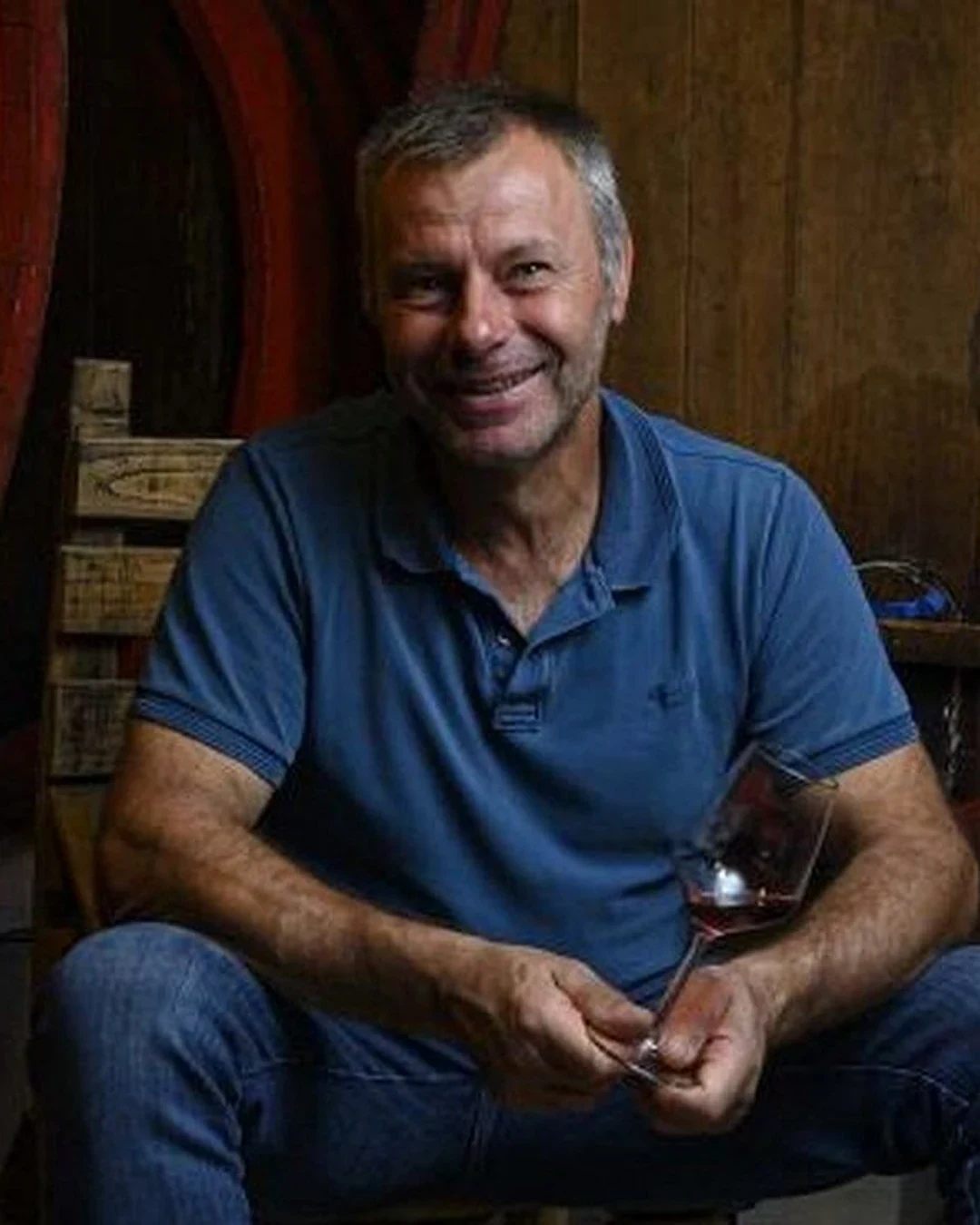
Made By profiles Francesco Cadinu (Winemaker) at Francesco Cadinu.
How expensive is Francesco Cadinu?
Francesco Cadinu is listed at a price level of $$.
The field
How it compares
| Place | Notes |
|---|---|
| Francesco Cadinu | Mamoiada, $$ |
| Cantina Antonio Mele | Mamoiada |
| Maria Soddu | Mamoiada |
| Osvaldo Soddu | Mamoiada |
| Sedilesu | Mamoiada |
| Teularju | Mamoiada |
| VikeVike | Mamoiada |