- Falstaff Winery - Listed · 2026
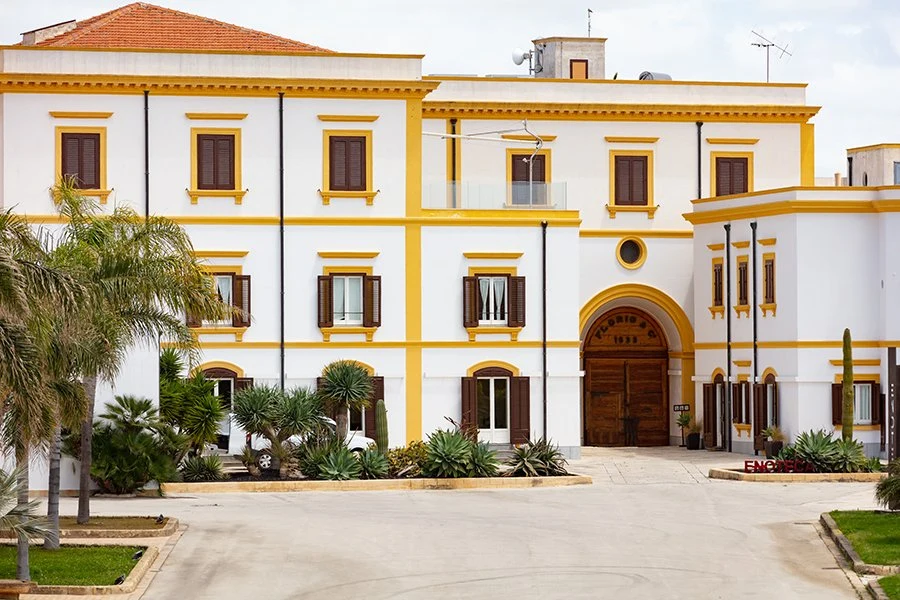
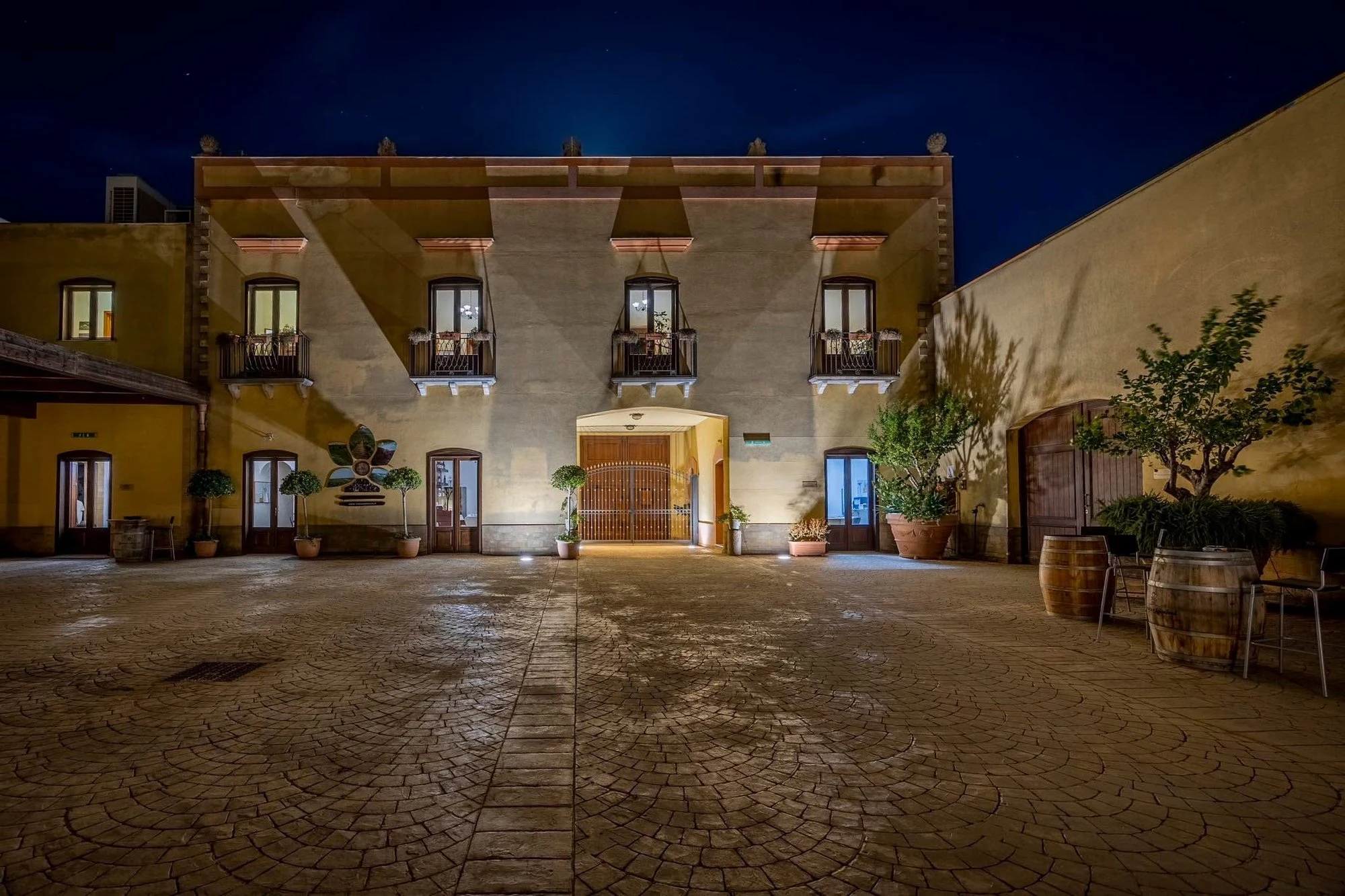
Francesco Intorcia & Figli in Marsala is best understood through its atmosphere: a historic Sicilian winery setting with extensive aging warehouses and oak barrels. The emphasis is on Marsala’s heritage and quality-driven production rather than a polished tourist design, giving the place a classic, rustic, and iconic feel. It is the kind of venue whose character comes less from surface styling and more from the visible language of wine: storage spaces, barrel-lined interiors, and the sense that the building belongs to a longer local tradition. In that respect, its identity is closely tied to Marsala as both a place and a wine reference point.
Marsala as place, not just style
The draw here is the connection to Marsala itself. Rather than framing the venue around unconfirmed program details, the useful way to read Francesco Intorcia & Figli is as a historic wine setting rooted in the city’s identity. The aging warehouses and oak barrels are central to the impression, making the venue feel tied to time, tradition, and production context. Marsala is not simply a label or a flavor profile in this reading; it is the surrounding context that gives the winery its weight. The place communicates a sense of continuity, with the physical environment helping visitors understand why this style of wine is inseparable from its city.
That connection matters because the venue’s appeal is not dependent on a high-design hospitality concept. Its strength is more elemental: the feeling of being in a Sicilian wine environment where heritage is not treated as decoration, but as the main point. The warehouses and barrels provide the texture. They suggest patience, storage, aging, and craft without needing to over-explain the experience. For anyone trying to understand Marsala beyond a quick tasting note, this kind of setting can be more meaningful than a venue that feels detached from production.
A working cellar culture rather than a showroom
The setting leans rustic and classic rather than sleek. Its appeal comes from the sense of a long-established wine environment: oak barrels, aging spaces, and a building that reads as part of Marsala’s wine culture. For visitors who care about atmosphere, this gives Francesco Intorcia & Figli a more grounded character than a venue designed mainly as a polished display room. The value is in the impression of authenticity: not as a marketing claim, but as a feeling created by the materials and spaces already associated with wine aging and storage.
That distinction is important. A showroom can be elegant, but it often filters wine through a curated, visitor-facing lens. Here, the description points instead to cellar culture: an environment where barrels and warehouses are not background props, but the defining features. The mood is classic because it appears connected to older ways of presenting wine; it is rustic because it does not rely on gloss; and it is iconic because Marsala’s wine identity gives the setting immediate cultural resonance. The result is a venue whose atmosphere is likely to appeal most to travelers who want to feel the production context around them, rather than simply consume a finished product in isolation.
That does not mean every hospitality detail should be assumed. Without information on visit format, tastings, food pairings, opening hours, or booking requirements, the safest description is atmospheric rather than operational: a historic Marsala winery environment with an emphasis on heritage, barrels, and production identity. This is especially important for planning, because the available picture supports an understanding of the venue’s character, not a checklist of services. Anyone considering a visit should treat the atmosphere as the confirmed anchor and avoid assuming a particular structure unless those details are separately.
How to place it in a Marsala itinerary
Use Francesco Intorcia & Figli as a heritage-focused stop when thinking about Marsala’s wine culture. The price signal is $$, placing it in an accessible mid-range bracket. It is especially relevant for travelers interested in the atmosphere of a historic Sicilian winery, with aging warehouses and oak barrels shaping the experience. In an itinerary, it works well as a way to give Marsala’s wine identity a physical setting: a place where the city’s association with wine is felt through space, scale, and texture rather than through explanation alone.
Because the venue is framed by heritage and cellar atmosphere, it should be considered alongside the broader experience of being in Marsala. It is not described here as a restaurant, a bar, or a fully detailed tasting program, so it should not be asked to carry every part of a day. Instead, think of it as one component in a wider route through the city’s wine culture, especially for visitors who appreciate production spaces and historic character. Its strongest role is to provide a grounded, place-specific counterpoint to more general eating, drinking, and sightseeing.
Build the rest of a Marsala visit around other dining, drinking, sleeping, and local experiences in the city. Francesco Intorcia & Figli can then sit within that wider plan as a heritage marker: a reminder that Marsala’s appeal is not only in what is poured, but also in the environments where its wine identity has been shaped and preserved.
Questions
Frequently asked
Who works at Francesco Intorcia & Figli?
Made By profiles Francesco Intorcia (Winemaker) at Francesco Intorcia & Figli.
How expensive is Francesco Intorcia & Figli?
Francesco Intorcia & Figli is listed at a price level of $$.
The field
How it compares
| Place | Notes |
|---|---|
| Francesco Intorcia & Figli | Marsala, $$ |
| Azienda Agricola Rallo | Marsala |
| Baglio Oro | Marsala |
| Botticella | Marsala |
| Cantine Paolini | Marsala |
| Caruso & Minini | Marsala |
| Fina Vini | Marsala |