- Falstaff Winery - Listed · 2026
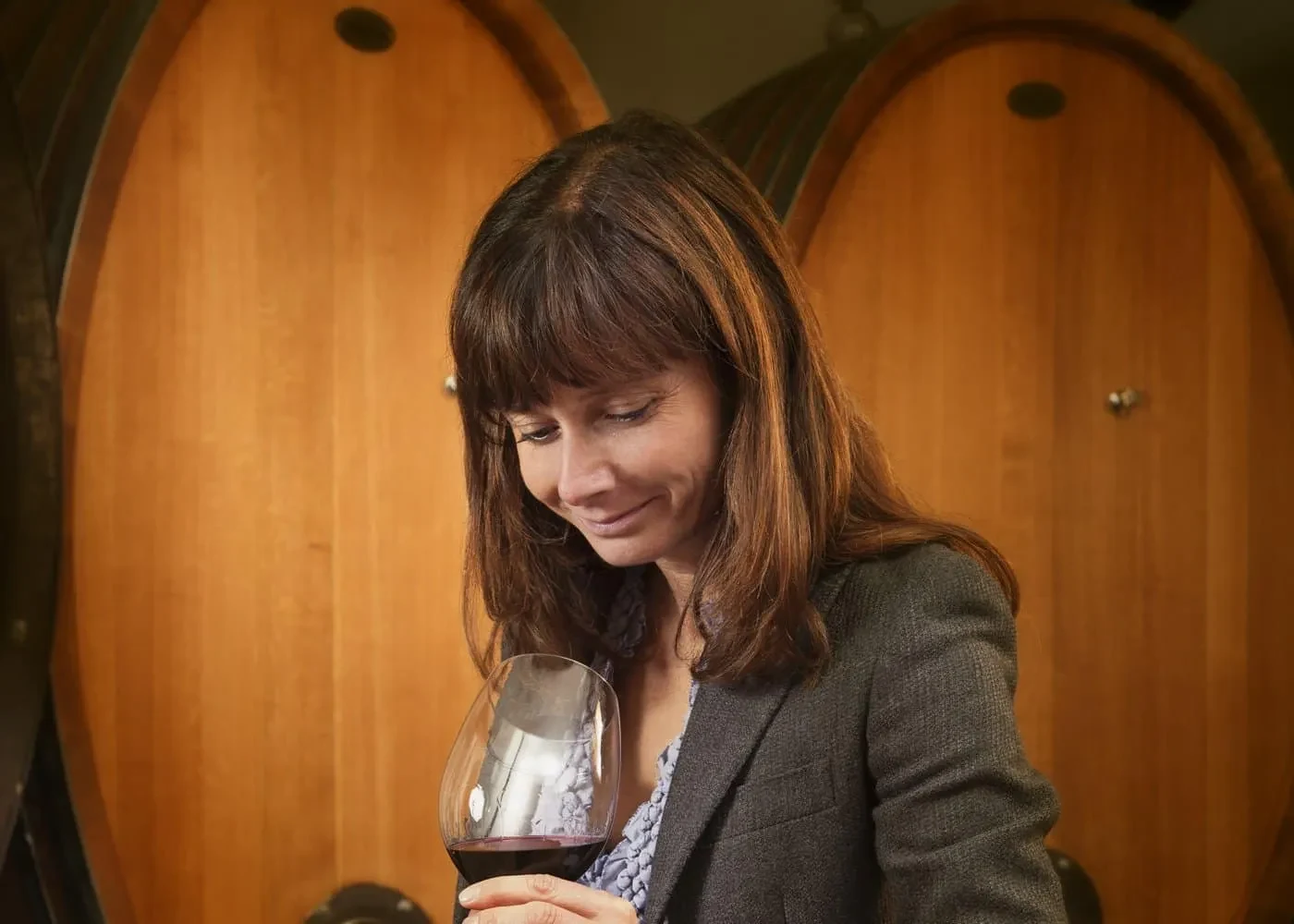
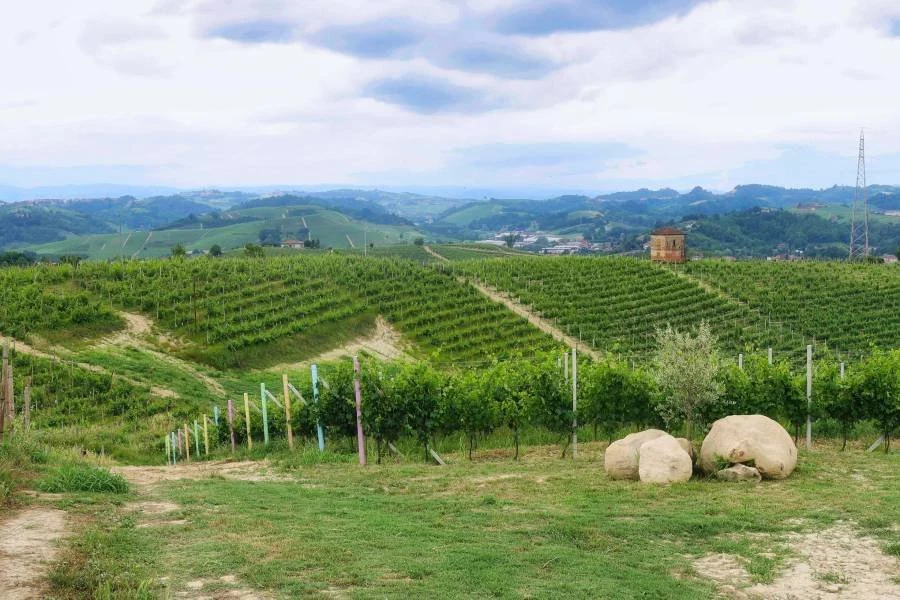
Francesco Rinaldi e Figli in Alba is best understood through its traditional Piedmontese cellar atmosphere: historic, old-family, no-frills, and meticulous rather than design-forward. The setting is associated with the Cannubi hillside near Barolo, and the emphasis is on classic Barolo aging in large Slavonian oak botti. Those details define the venue more clearly than any decorative language could: this is a place to read through cellar culture, continuity, and a deliberately restrained sense of purpose.
This is not a page to build around extras. The picture is narrow but clear: Francesco Rinaldi e Figli belongs to the traditional side of Piedmont wine culture, where the cellar, the botti, and the long view of Barolo matter more than spectacle or luxury staging. Its interest lies in that focused identity. Rather than asking it to perform as a broad hospitality concept, it is better approached as a classic Barolo reference, with atmosphere and method doing most of the work.
Cannubi hillside traditionalism, expressed through Barolo and time
The strongest reason to know Francesco Rinaldi e Figli is its traditional Barolo identity. Its atmosphere is tied to the Cannubi hillside near Barolo and to a cellar culture centered on large Slavonian oak botti. That gives the venue its editorial character: classic, restrained, and rooted in older Piedmontese wine practice. The point is not novelty; it is the sense of a cellar shaped by patience, repetition, and a preference for established methods over visible reinvention.
What can be said with confidence is that the venue’s appeal is traditional rather than showy, with a no-frills but meticulous feel. That combination matters. “No-frills” here should not be read as casual or careless; it suggests an absence of unnecessary polish, while “meticulous” points to a seriousness of approach. The experience, as far as the available picture allows, is about concentration rather than performance.
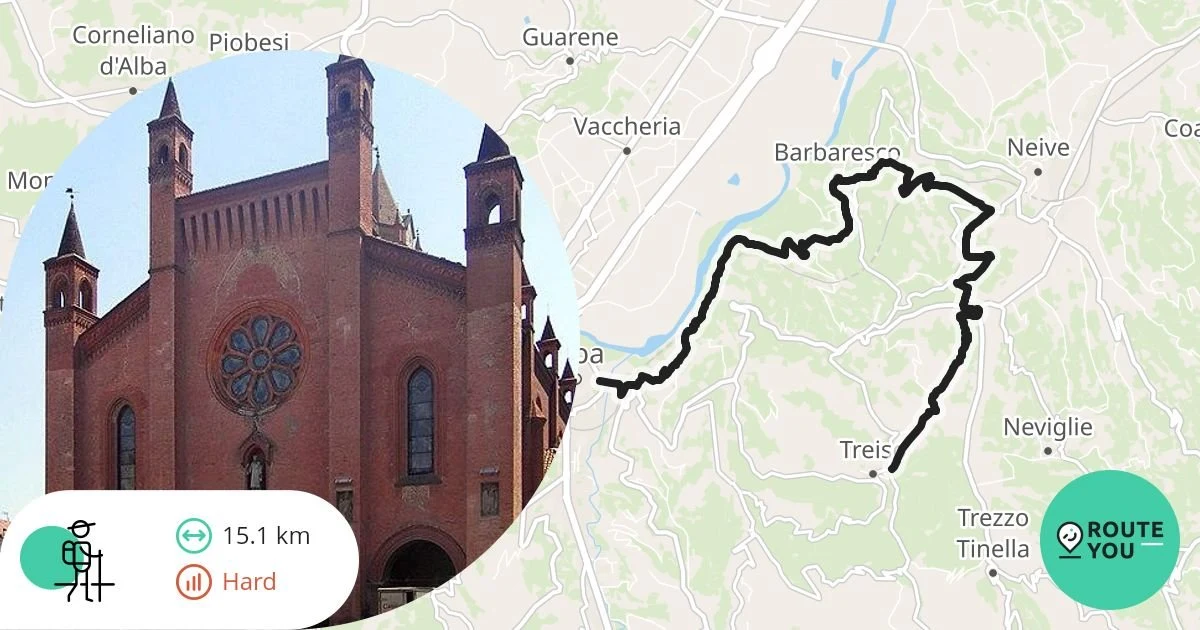
For travelers using Alba as a base, the draw is not a broad hospitality claim or a detailed menu of services. It is the chance to place Francesco Rinaldi e Figli within the classic Barolo world: historic cellar atmosphere, Piedmontese tradition, and an emphasis on patient aging rather than design-led presentation. In that sense, it can help frame a visit to the area by giving the itinerary a grounded, traditional reference point, especially for travelers trying to understand Barolo through the language of cellars and time.
A cellar character for people who care about method, not stagecraft
Francesco Rinaldi e Figli’s character points toward method over stagecraft. The useful expectation is a traditional Piedmontese cellar mood: old-family, careful, and direct, with attention centered on Barolo and the large Slavonian oak botti associated with its aging. The editorial value is in the quietness of that profile. It does not need to be enlarged into a luxury narrative, because its strength is precisely the impression of continuity and restraint.
Specific claims about visit formats, appointment rules, guided tastings, food pairings, staff, ownership, or technical production details are not confirmed here. The safer reading is atmospheric and stylistic: a historic, traditional cellar environment near Barolo, not a design-forward hospitality venue. That distinction keeps expectations useful. Travelers should not infer a highly produced visitor experience from the reputation of the place; the clearer emphasis is on classic Piedmontese wine culture and the cellar as the central point of interest.
That restraint is part of the appeal. Francesco Rinaldi e Figli is compelling for people who value classic Barolo context and the feel of a traditional Piedmontese cellar more than polished luxury cues. It suits an audience interested in the way a place communicates through materials, aging vessels, and inherited practice, rather than through elaborate presentation. For that kind of traveler, the absence of excess becomes a strength, because it keeps attention on Barolo’s traditional vocabulary.
How to place it within an Alba wine itinerary
For travelers planning around Alba, Francesco Rinaldi e Figli fits best as a traditional Barolo reference point. The price tier is $$$, while the tone remains no-frills and meticulous rather than luxury-driven. That makes it useful as a point of orientation: a venue to understand through seriousness, heritage, and cellar atmosphere, not through a checklist of amenities or a promise of grandeur.
Alba’s wider dining and wine scene can provide contrast without needing to overstate what is here. Use Francesco Rinaldi e Figli as the traditional-cellar anchor, then compare it with other Alba options generically according to your interests, timing, and preferred level of formality. In an itinerary, its role is clearest when it is allowed to remain specific: a traditional Barolo-centered stop that represents an older, more restrained side of the region’s wine culture.
The practical takeaway is simple: Francesco Rinaldi e Figli offers a grounded sense of historic Piedmontese Barolo culture, the Cannubi hillside association, and the classic cellar language of large Slavonian oak botti. Approach it for that focused identity, and the venue makes sense on its own terms: not as a spectacle, but as a concise expression of tradition, patience, and cellar-centered Barolo character.
Questions
Frequently asked
Who works at Francesco Rinaldi e Figli?
Made By profiles Francesca Rinaldi (Winemaker) and Paola Rinaldi (Winemaker) at Francesco Rinaldi e Figli.
How expensive is Francesco Rinaldi e Figli?
Francesco Rinaldi e Figli is listed at a price level of $$$.
The field
How it compares
| Place | Notes | Awards |
|---|---|---|
| Francesco Rinaldi e Figli | Barolo, $$$ | · |
| Adriano Marco & Vittorio | Alba | · |
| Azienda Agricola Lano Gianluigi | Alba | · |
| Azienda Vitivinicola Cascina Casanova | Alba | · |
| Ceretto | Alba | World's 50 Best |
| Distilleria Montanaro | Alba | · |
| Pio Cesare | Alba | · |