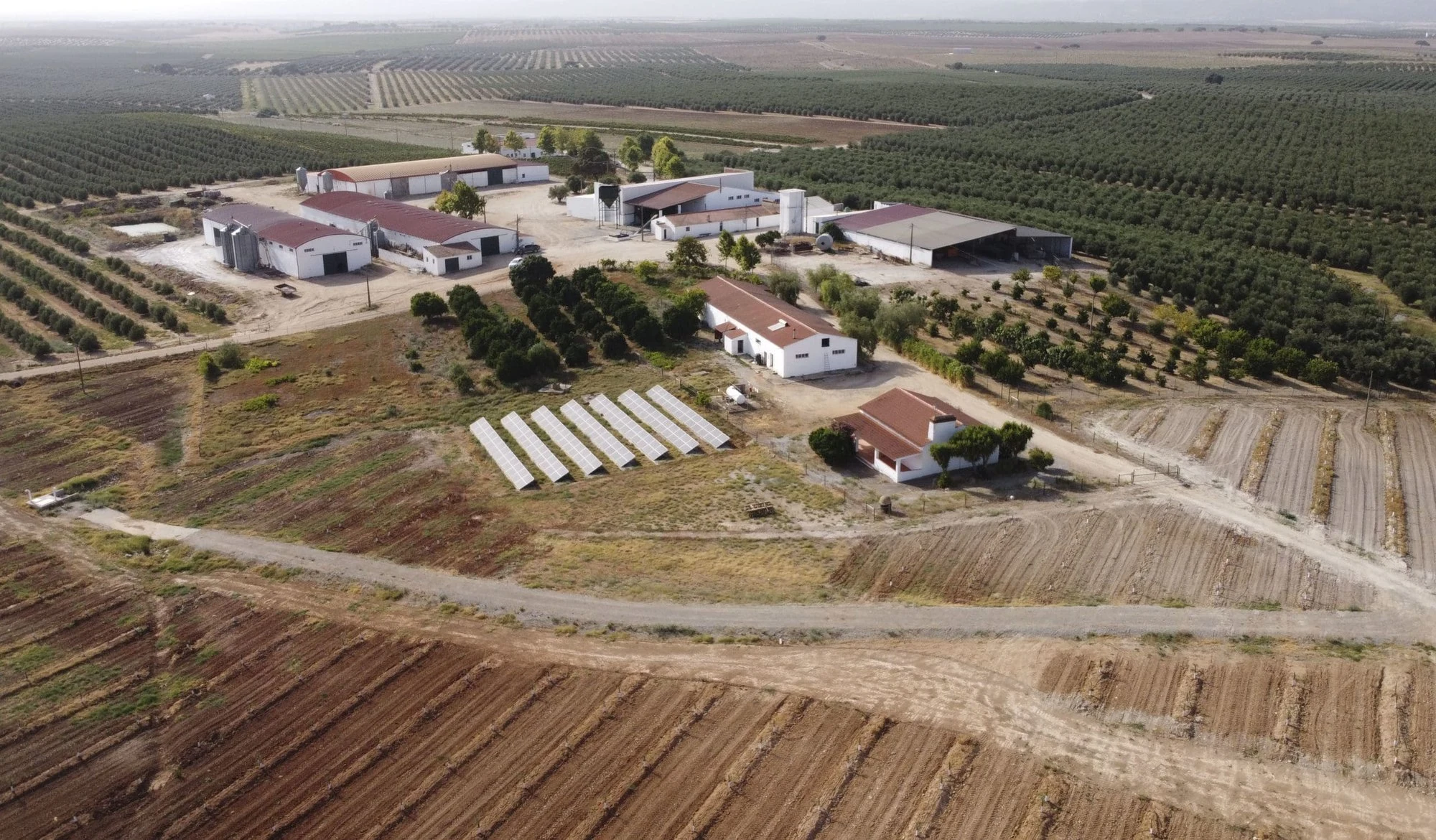
Francisco Nunes Garcia
- 01CityMoura, Portugal

- Falstaff Winery - Listed · 2026
Approach Moura through the lens of Alentejo red wine and the useful starting point is warmth: this is the context for Francisco Nunes Garcia, a small, traditional Alentejo producer focused on structured warm-climate reds. The house style is ripe and lavish, but the important counterpoint is freshness: the wines are framed as generous without losing shape, giving the richness a clearer edge and a more disciplined finish.
Francisco Nunes Garcia is best understood through red wine rather than through a broad hospitality or restaurant narrative. Information points to a producer whose emphasis is on fruit-forward, barrel-free expressions, especially around Alicante Bouschet and blends. The price level is listed as $$, which places the entry in a moderate bracket and keeps the emphasis on the character of the bottles rather than on a luxury-service frame.
Moura heat translated into structured red wine
The clearest idea is that Moura’s warmth does not have to mean heaviness. Francisco Nunes Garcia is associated with structured reds that lean rich, ripe, and “guloso,” yet retain an unexpectedly fresh line. That balance is the useful lens for the producer: warm-climate fruit, but with enough structure to keep the wines from feeling merely soft. The appeal lies in that tension between abundance and control, where ripeness is present but not left without form.
Because the confirmed data is limited, it is better not to overstate individual cuvées, cellar details, vintage scores, or exact grape compositions beyond the focus on Alicante Bouschet and blends. What can be said with confidence is that the producer’s identity sits with red wines from Alentejo and with a style that favors fruit-forward, barrel-free expression. In practical terms, that means reading the profile as direct, generous, and varietal- or blend-led, rather than as one defined by oak or elaborate hospitality claims.
For readers planning around budget, Francisco Nunes Garcia is listed at $$ rather than as a luxury or bargain-only stop. The most reliable reason to seek it out is not a claimed award history or a detailed visitor program, but the chance to understand a small Moura producer through structured Alentejo reds. It is a concise reference point: useful for those interested in how the region’s heat can be carried by red wine without turning the style blunt.
Alicante Bouschet as part of the house language
Alicante Bouschet is the most clearly identified grape reference for Francisco Nunes Garcia. In this context, it should be read as part of the producer’s red-wine language: ripe and structured, but presented with freshness rather than excessive weight. That makes it a useful anchor for drinkers trying to understand the style, particularly because the grape’s role here is not described in isolation but as part of a broader Alentejo red-wine identity.
The description also points to blends, though the available information does not support naming every component grape or assigning specific cellar treatments to individual bottlings. A careful reading should therefore keep the focus broad: an emphasis on Alicante Bouschet and blends, fruit-forward red wines, and a barrel-free expression. This restraint is important, because the strongest portrait comes from the repeated stylistic signals already available, not from filling gaps with unsupported detail.
No confirmed awards, ratings, founding year, seat count, restaurant service, or detailed tasting-room format are available in the public record. For a premium guide, that matters: Francisco Nunes Garcia should be presented as a small, traditional Moura producer with a clearly described red-wine style, not as a venue supported by accolades or invented visitor details. The editorial value is in being precise about what is known and equally clear about what is not established.
How to place it in a Moura wine itinerary
This is a wine-first entry for Moura. It should not be framed as a restaurant, a full visitor estate, or a venue with confirmed services beyond the wine-producer identity. That narrower framing is not a weakness; it simply keeps the recommendation aligned with the available facts and with the producer’s clearest identity.
Within Moura, it can be considered alongside other local dining or wine options in a general itinerary, but the strongest reason to include it is the producer’s particular red-wine profile. The facts support a focused, modest portrait rather than a detailed tourism listing. For travelers or readers building context around the area, Francisco Nunes Garcia functions best as a stylistic marker rather than as an all-purpose destination description.
For broader planning, use Francisco Nunes Garcia as a Moura reference point for small-scale Alentejo red wine. Keep expectations centered on the confirmed house style: structured, warm-climate reds that are rich and ripe, yet unexpectedly fresh. In that role, the producer adds a specific red-wine angle to Moura without requiring extra claims about services, accolades, or experiences that the public record does not confirm.
Questions
Frequently asked
How expensive is Francisco Nunes Garcia?
Francisco Nunes Garcia is listed at a price level of $$.
The field
How it compares
| Place | Notes | Awards |
|---|---|---|
| Francisco Nunes Garcia | Moura, $$ | · |
| Azienda Agricola Casanova di Neri di Giacomo Neri | Montalcino | World's 50 Best |
| Chateau Lafite Rothschild | Pauillac | · |
| Château Montrose | Saint-Estèphe | · |
| Domaine Faiveley | Nuits-Saint-Georges | World's 50 Best |
| Domaine Georges Roumier | Chambolle-Musigny | · |
| Herdade dos Coteis | Moura | · |