- Design Hotels Member · 2026
- Michelin Selected · 2025
A University City's Newer Quarter, and What It Demands from a Hotel
Göttingen has long been defined by its university. Georg-August-Universität, founded in 1737, has shaped the city's rhythm, its bars, its bookshops, and the particular social mix that makes the place feel more cosmopolitan than its size suggests. Hotel development here has historically concentrated around the Innenstadt, close to the old market and the Gänseliesel fountain. The Sartorius Quarter, further north along Weender Landstraße, represents a different kind of ambition: a post-industrial redevelopment that the city has been drawing investment and residents into over the past decade.
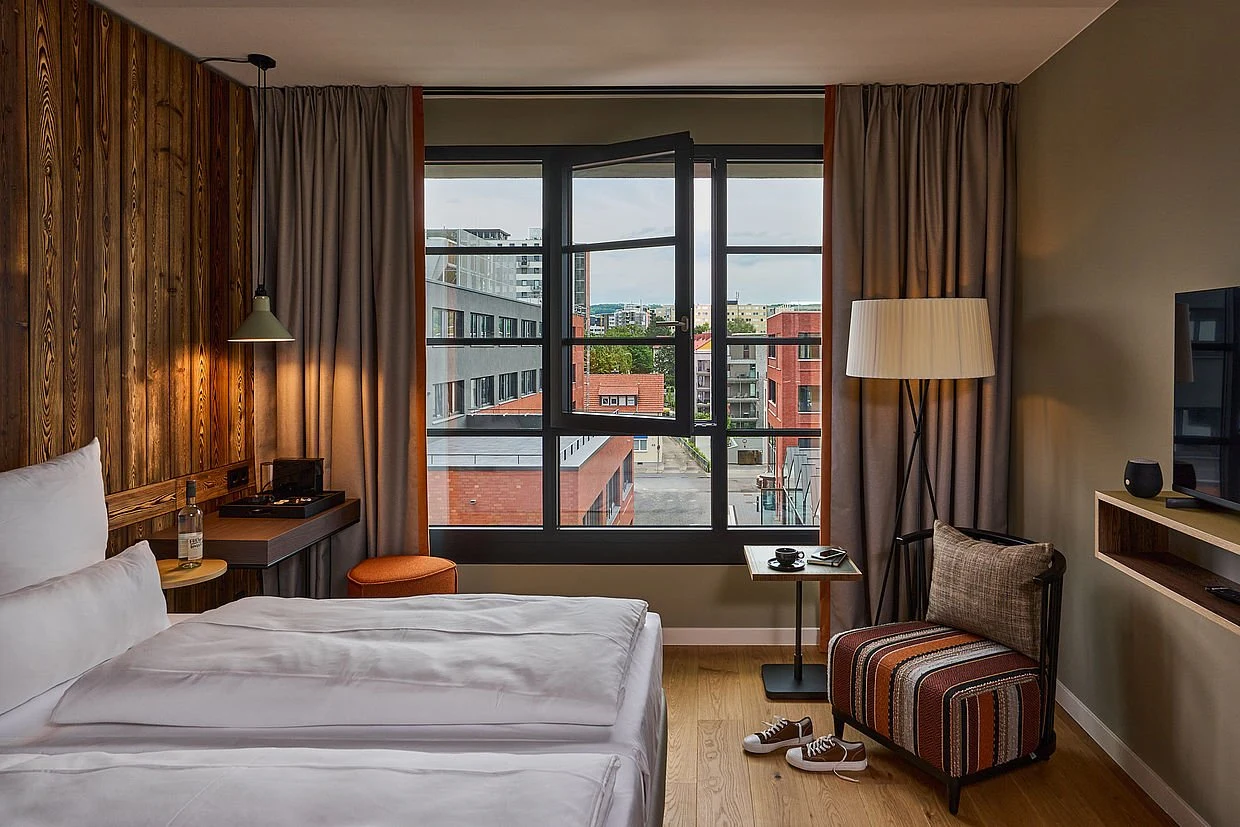
FREIgeist Göttingen Nordstadt, at Weender Landstraße 100, sits directly within that developing district. The address itself signals something about the property's positioning: not the heritage-inflected centre, but a neighbourhood in active formation, where the guest demographic skews toward people engaged with Göttingen's contemporary life rather than its medieval streetscape.
The Gathering-Point Model in Mid-Sized German Cities
Across Germany's university towns, a specific hotel format has consolidated over the past fifteen years: the property that functions as a social infrastructure point rather than a quiet retreat. These hotels position their public spaces, food and drink programming, and communal areas as destinations for residents as much as overnight guests. The logic is direct in cities like Göttingen, Freiburg, or Münster, where the population skews young, culturally active, and relatively resistant to formal dining hierarchies.
FREIgeist Göttingen Nordstadt fits this model directly. The property's stated social identity, drawing locals, creatives, and students into a shared space, reflects a deliberate choice to compete on atmosphere and community rather than on the formal credentials that drive bookings at larger German flagship properties. Compare that to properties like Fairmont Hotel Vier Jahreszeiten in Hamburg or Excelsior Hotel Ernst in Cologne, where the positioning is anchored in heritage grandeur and formal service standards. FREIgeist operates in an entirely different register, one that prioritises accessibility and social energy over institutional gravity.
This is not a criticism. In a city where the evening economy is driven by people who would not self-identify as hotel guests, a property that makes its bar and dining spaces genuinely porous to the neighbourhood performs a different kind of service. The FREIgeist brand, which also operates FREIgeist Göttingen Innenstadt in the city centre, has built its identity around exactly this kind of civic openness.
Food and Drink as Social Infrastructure
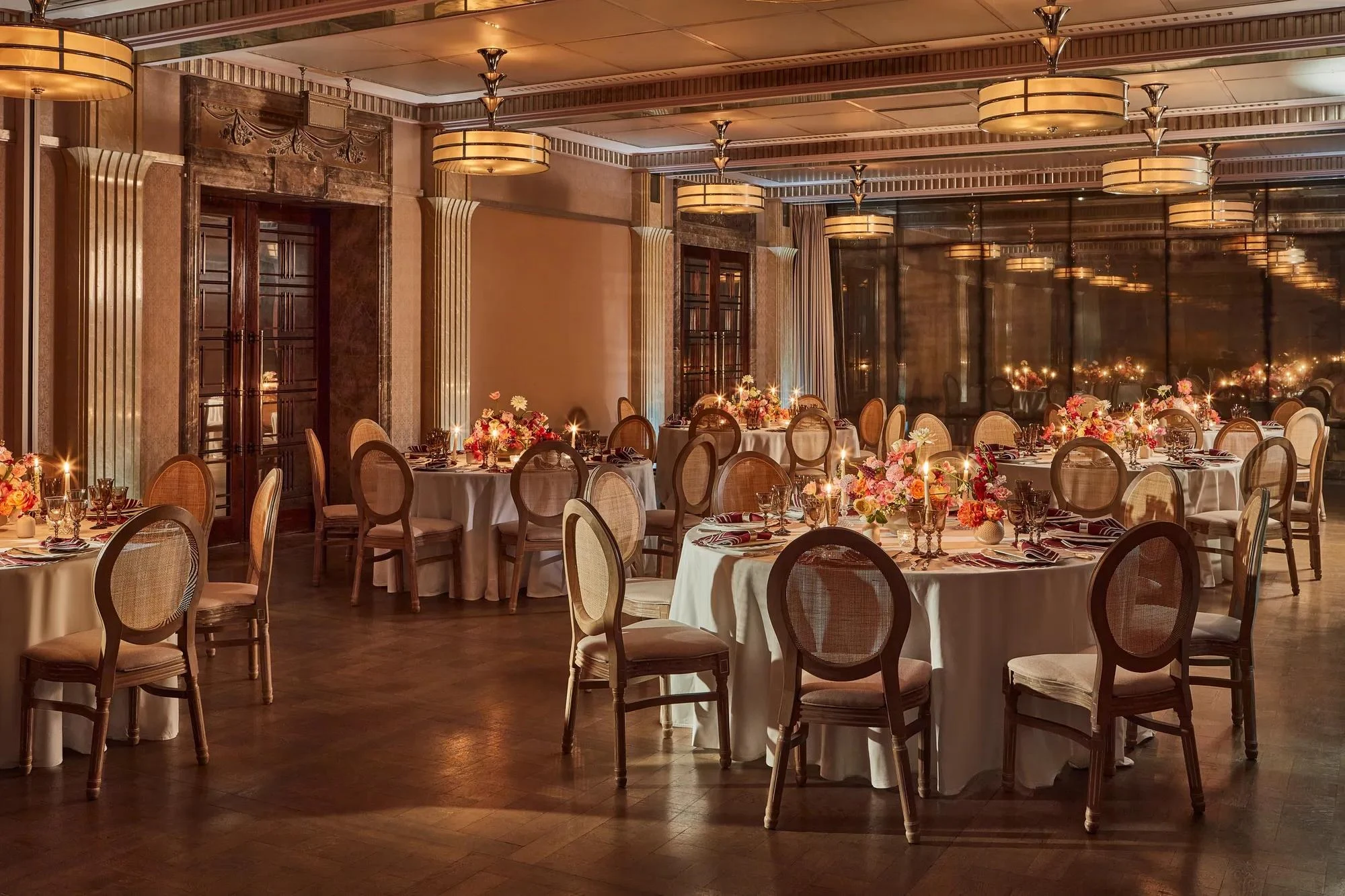
At properties operating in this gathering-point mode, the food and drink programming tends to succeed or fail based on how well it sustains atmosphere across different times of day and different guest types. A counter that works for a post-lecture coffee, a working lunch, and a late evening drink serves its neighbourhood function. One that is only comfortable for formal hotel guests does not.
The Sartorius Quarter context matters for understanding what the programming likely needs to do. New residential and commercial districts in German mid-sized cities attract a mixed cohort: younger professionals, researchers attached to the university, and creative businesses that find city-centre rents prohibitive. The food and drink offer that serves this cohort tends toward informal formats, flexible seating, and a drinks programme that takes craft beer and natural wine seriously without requiring specialist knowledge to engage with.
For travellers whose hotel priorities lean toward properties with more formally structured food credentials, the broader German landscape offers substantial alternatives. Hotel Bareiss in Baiersbronn carries multiple Michelin stars across its dining rooms. Althoff Seehotel Überfahrt in Rottach-Egern holds similar culinary standing in a lakeside setting. Mandarin Oriental Munich and Kempinski Hotel Berchtesgaden represent the branded luxury tier with corresponding dining programmes. FREIgeist Nordstadt is not competing with these properties, and understanding that distinction helps set appropriate expectations.
The Sartorius Quarter and Why the Location Matters
Development-quarter hotels carry a specific risk: the neighbourhood they are betting on may not have fully arrived by the time a guest visits. The Sartorius Quarter in Göttingen has the structural advantages that make its trajectory relatively legible. It sits adjacent to one of Germany's most consistently active university cities, which means the demand drivers, students, researchers, affiliated businesses, do not fluctuate with economic cycles in the way that purely commercial redevelopments do.
Weender Landstraße provides direct connectivity into the city centre on foot or by public transport, which means guests at FREIgeist Nordstadt are not isolated from the old town's medieval core, the market square, or the denser concentration of restaurants and bars that the centre offers. The address gives access to the emerging district without requiring guests to sacrifice proximity to established parts of the city.
For properties that demonstrate how location within a developing district can work in favour of a hotel's identity, Hotel de Rome in Berlin offers a useful reference point, given its position within a historically and architecturally significant Berlin quarter that has undergone sustained investment. Closer in spirit to FREIgeist's scale and demographic ambition, Villa Contessa in Bad Saarow and Luisenhöhe in Horben show how smaller German properties build identity through place-specificity rather than brand scale.
Planning a Stay: What to Know
Göttingen's academic calendar creates seasonal demand spikes, particularly around semester starts in April and October, and during university events that draw visitors from across Germany. Booking lead time requirements will vary significantly around these periods compared with quieter stretches in July and August when student population drops.
Göttingen is well served by rail, sitting on the Hanover-Kassel intercity corridor with frequent connections. Travellers arriving from Frankfurt, Hamburg, or Berlin will find rail the most practical option. The Nordstadt address is accessible from the Hauptbahnhof via public transport, placing the property within the city's transit network rather than requiring a taxi for every movement.
FREIgeist Nordstadt also sits neatly within a broader German itinerary that might include Bülow Palais in Dresden, Breidenbacher Hof Düsseldorf, or Esplanade Saarbrücken: a sequence of mid-sized German cities each with a distinct character and a property that reflects it. Those extending travel into Europe might also consider Aman Venice as a counterpoint in scale and formality, or The Fifth Avenue Hotel in New York City for a sense of how the gathering-point hotel concept scales in a different urban context entirely.
Questions
Frequently asked
Who works at FREIgeist Göttingen Nordstadt?
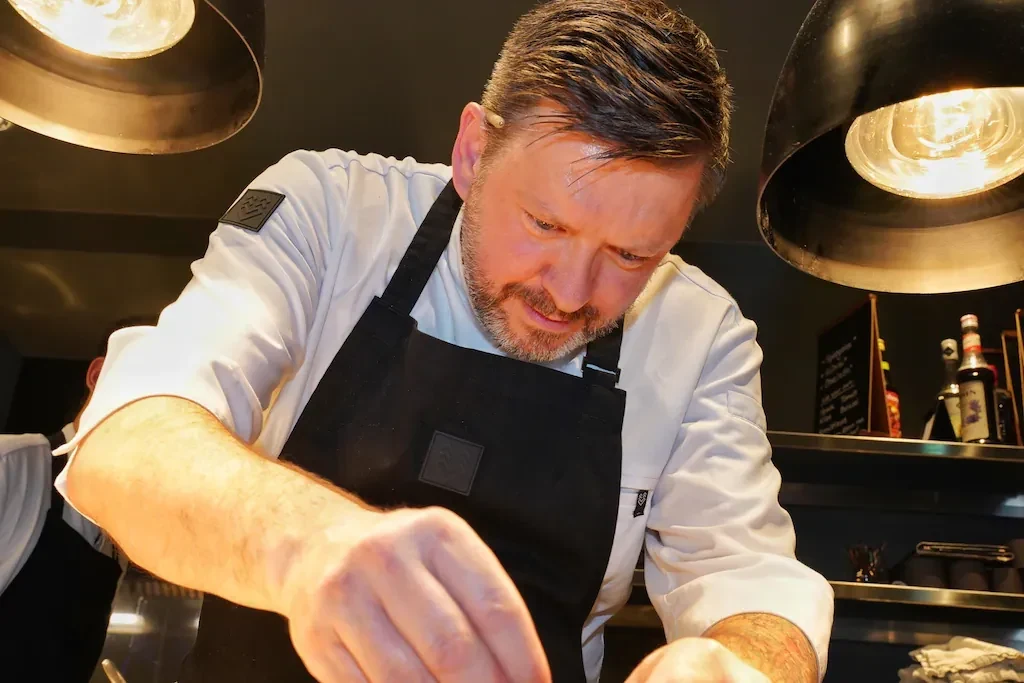
Made By profiles Chris MacCormick (Chef) at FREIgeist Göttingen Nordstadt.
How expensive is FREIgeist Göttingen Nordstadt?
FREIgeist Göttingen Nordstadt is listed at a price level of $$$.
The field
How it compares
| Place | Notes | Awards |
|---|---|---|
| FREIgeist Göttingen Nordstadt | Nordstadt, $$$ | · |
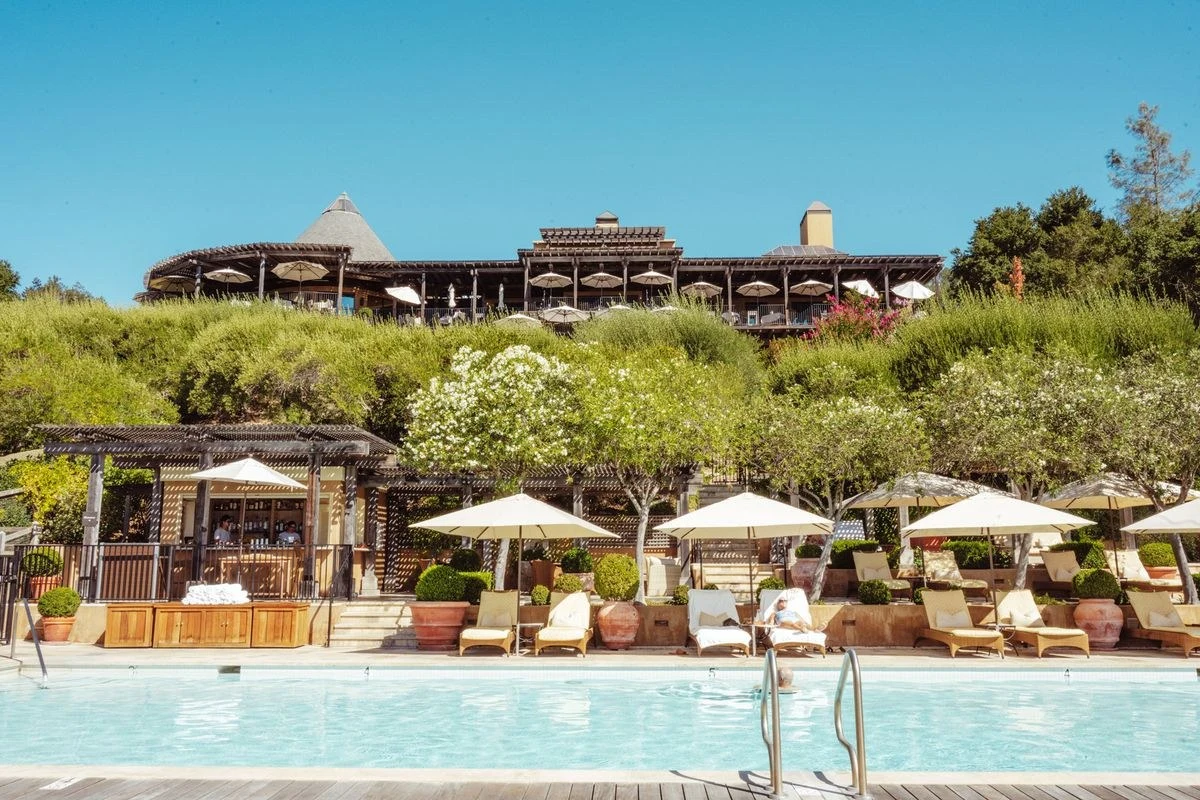
| Auberge du Soleil | Napa | Michelin 3 Keys |
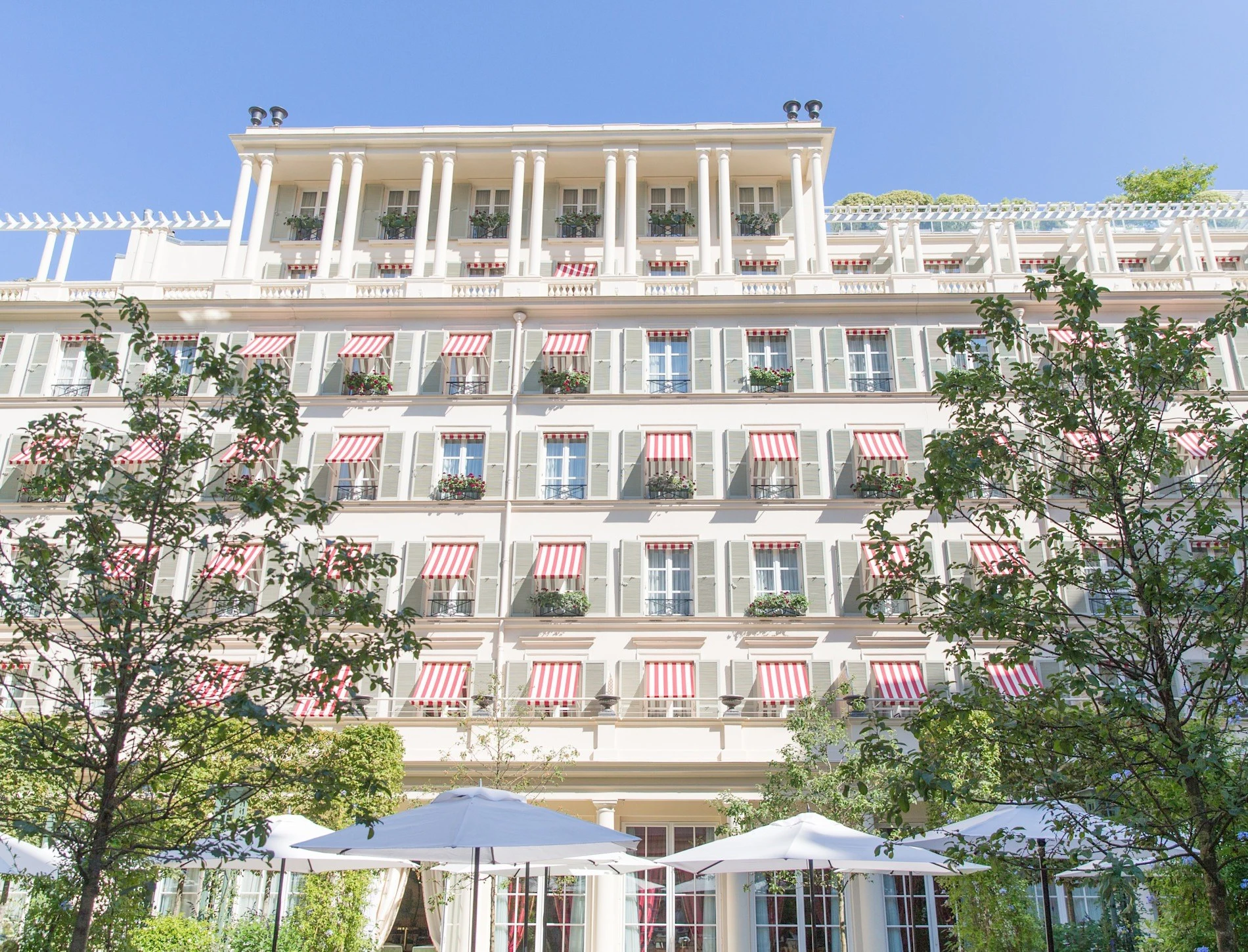
| Le Bristol Paris | Paris | Michelin 3 Keys, World's 50 Best |
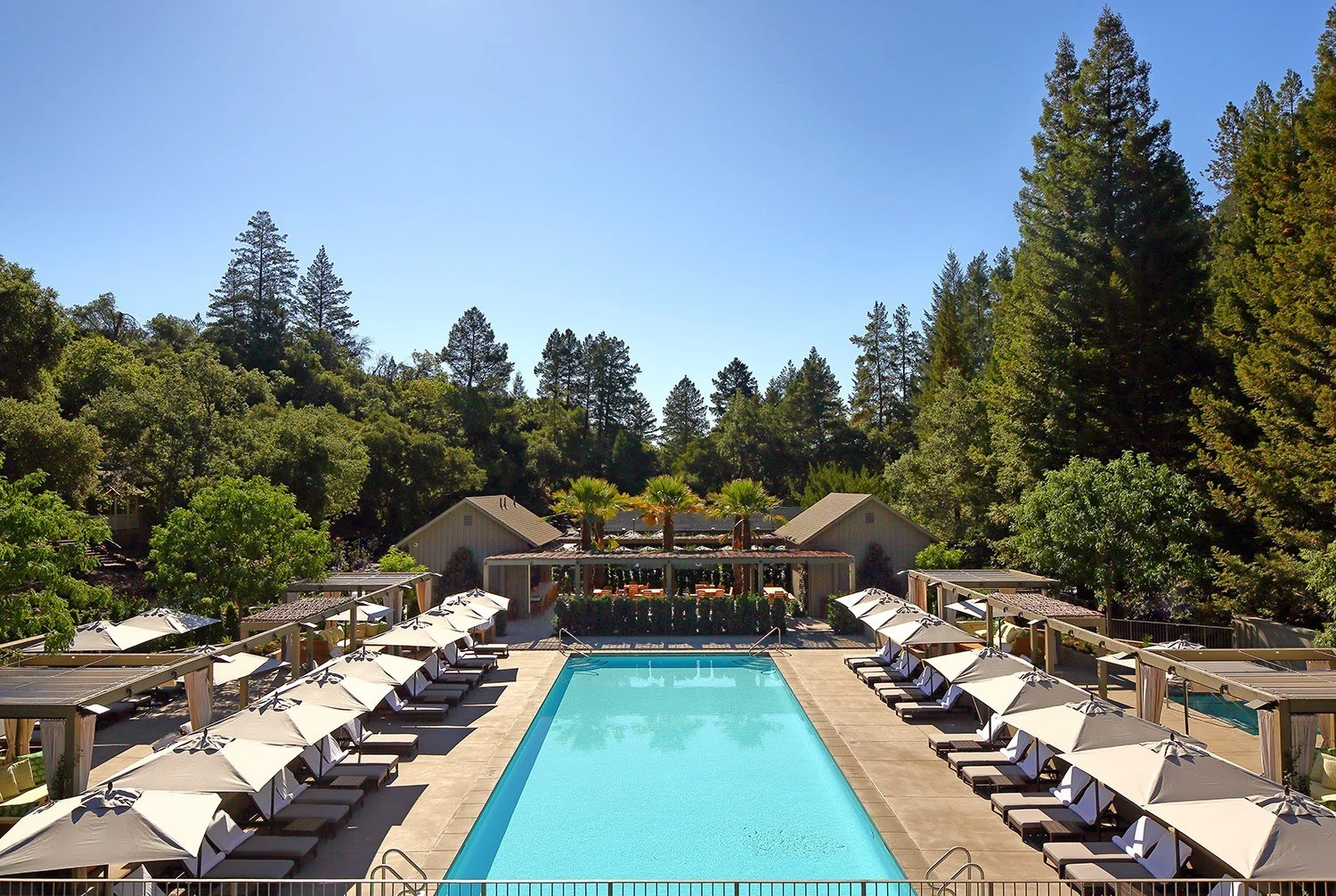
| Meadowood Napa Valley | St. Helena | Michelin 3 Keys |
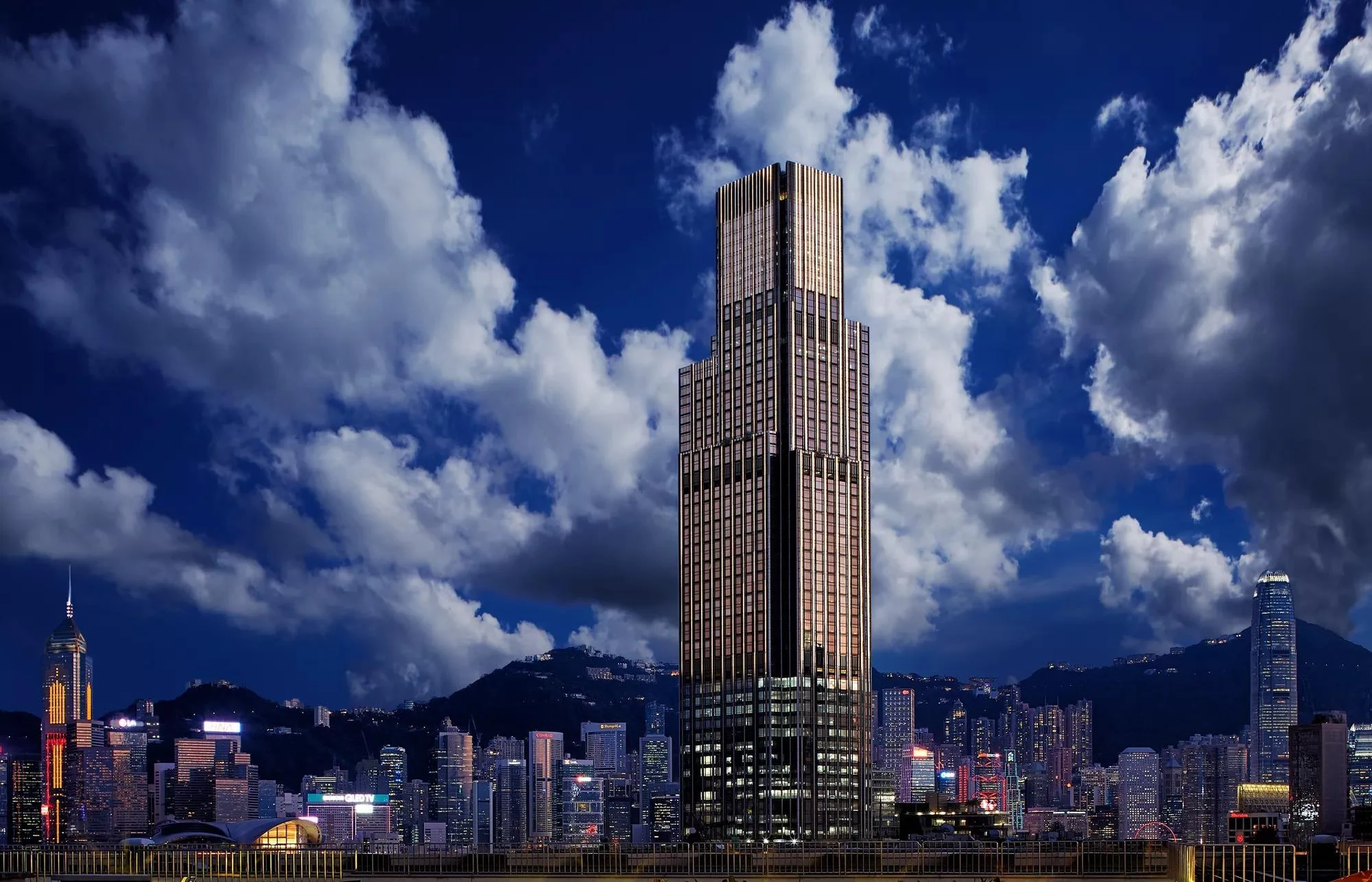
| Rosewood Hong Kong | Hong Kong | Michelin 3 Keys, World's 50 Best |
| Rosewood Mayakoba | Riviera Maya | Michelin 2 Keys, World's 50 Best |
| The Connaught | London | Michelin 3 Keys, World's 50 Best |