- Falstaff Winery - 3 Stars · 2026
Fritsch & Gottwald in Kirchberg am Wagram is best framed as a small, personal family winery rather than a polished design-led destination. The appeal is the atmosphere: relaxed, down-to-earth, rustic, scenic, cozy and intimate, with attention on biodynamic vineyards and educational tastings. In that sense, the winery reads less like a venue built around display and more like a place where the setting, the people behind it and the vineyard point of view carry the visit.
For visitors, that means the winery should be approached as a place for conversation and learning rather than spectacle. The available information supports a simple reading: Fritsch & Gottwald is a modest, family-run winery experience in Kirchberg am Wagram, suited to guests who value a personal setting and an educational approach to wine. It is the kind of stop where the tone matters as much as any practical detail: calm, local, unforced and centered on understanding rather than performance.
Biodynamics and the Fritsch & Gottwald approach
For Fritsch & Gottwald, the point is not a specific grape list, cellar technique or formal accolade, but the winery’s focus on biodynamic vineyards and educational tastings. That focus gives the winery a clear identity without needing to overstate what is known. The emphasis sits in the vineyard and in the explanation of that work, rather than in a long list of external markers.
That gives the visit its clearest editorial shape. Rather than presenting the winery through menu details, scores or named bottlings, it is more accurate to describe it as a small family winery where the vineyard focus and the tasting conversation are the core of the experience. The educational element is important because it suggests a visit built around context: why the vineyards matter, how the biodynamic approach shapes the story being told, and how guests can engage with the wines through that lens.
This is a useful distinction for wine travellers. Fritsch & Gottwald is not best understood through luxury cues or a claimed formal ranking; it is grounded in a relaxed, scenic and personal atmosphere in Kirchberg am Wagram. The value is in proximity and clarity: a direct-feeling winery encounter where the family scale, rustic mood and vineyard-led perspective are the defining signals.
A winery visit for learning, not performance
The strongest hospitality signals are intimate scale, a rustic and cozy mood, and an educational tasting focus. That places Fritsch & Gottwald on the quieter side of wine tourism: a setting for visitors who want a down-to-earth encounter with a family winery rather than a high-gloss hospitality format. It is better imagined as a slow, attentive stop than as a stage-managed experience, with the atmosphere encouraging questions, observation and a more personal rhythm.
The biodynamic vineyard focus also gives the visit a clear reason to consider it within a Kirchberg am Wagram wine itinerary. The experience should be described carefully: educational tastings are part of the profile, while more specific claims about service format, languages, booking policy, food, transport, payment or shipping are not confirmed here. That caution is part of the right reading of the place. The confirmed appeal is strong enough on its own, but it remains narrow: a family winery, a biodynamic vineyard emphasis, and an intimate, scenic setting.
Price is listed as $$, which positions Fritsch & Gottwald as a moderate option in this guide’s shorthand. Beyond that, the safest expectation is a small, personal winery visit in a scenic setting, with the emphasis on biodynamic vineyards and learning. Visitors looking for elaborate hospitality infrastructure should keep expectations measured; visitors interested in a modest, educational and grounded winery encounter are closer to the heart of what is described.
How to place it in a Kirchberg am Wagram itinerary
Kirchberg am Wagram rewards travellers who plan around wine, setting and pace. Fritsch & Gottwald fits an itinerary for visitors who prefer intimate, educational winery experiences over more polished or design-driven stops. It works well in a plan that leaves room for the texture of the visit, rather than treating the winery as a quick visual checkpoint.
When comparing options, keep the frame local and general: other dining or wine-related stops in Kirchberg am Wagram may suit different needs, but Fritsch & Gottwald’s identity is specifically that of a small, personal family winery with a relaxed biodynamic focus. The distinction is not about claiming superiority over other venues; it is about matching the stop to the right kind of traveller and the right kind of mood.
The editorial read is simple: choose Fritsch & Gottwald for a rustic, scenic and cozy family-winery visit in Kirchberg am Wagram. Its strongest confirmed appeal is not an award, a named wine style or a formal service format, but the combination of biodynamic vineyards, educational tastings and a down-to-earth atmosphere. For guests who respond to that combination, the winery’s modest scale is not a limitation; it is central to the experience being offered.
Questions
Frequently asked
Who works at Fritsch & Gottwald?
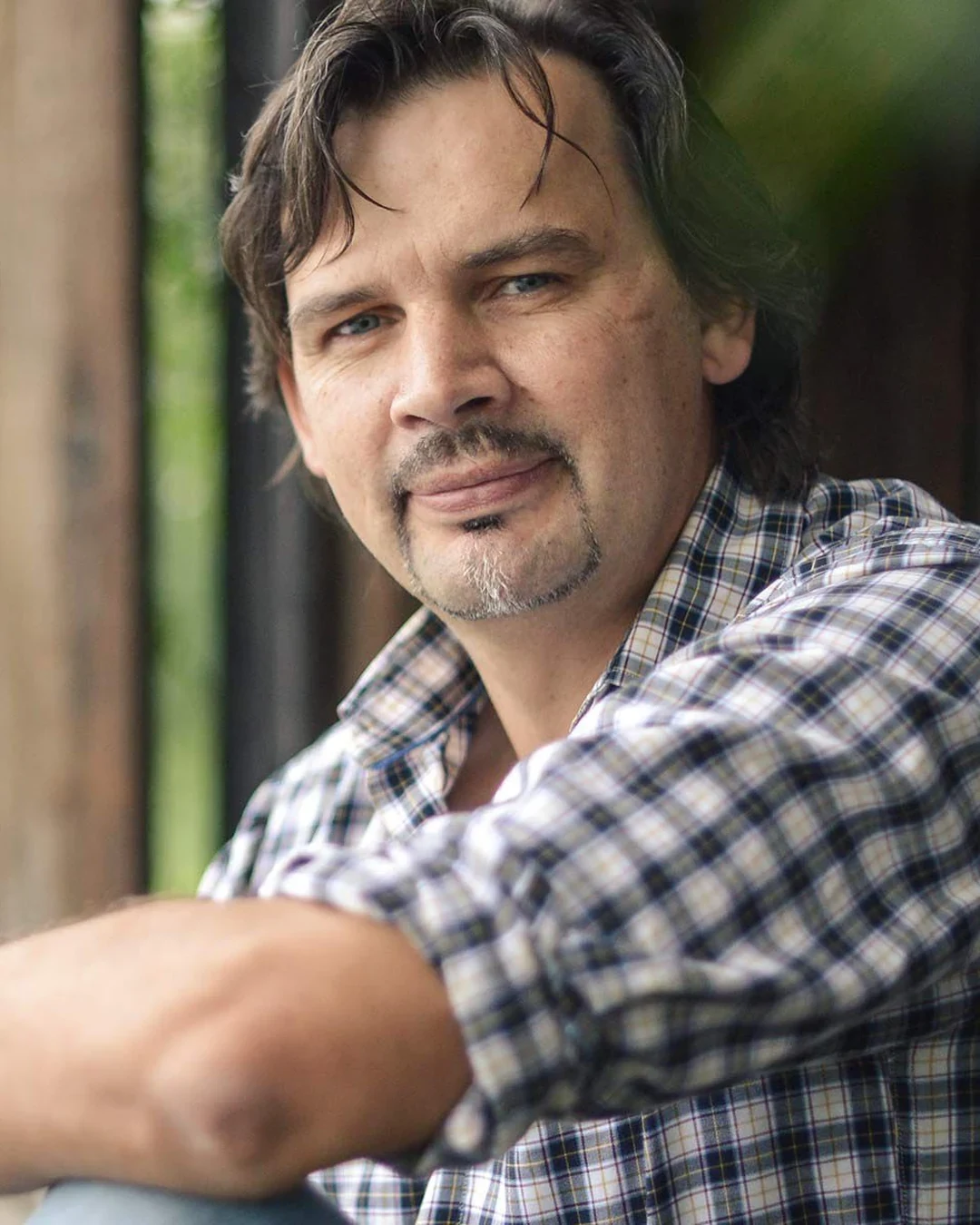
Made By profiles Karl Fritsch (Winemaker) at Fritsch & Gottwald.
How expensive is Fritsch & Gottwald?
Fritsch & Gottwald is listed at a price level of $$.
The field
How it compares
| Place | Notes |
|---|---|
| Fritsch & Gottwald | Kirchberg am Wagram, $$ |
| Weingut Benedikt | Kirchberg am Wagram |
| Weingut Daschütz | Kirchberg am Wagram |
| Weingut Franz Anton Mayer | Kirchberg am Wagram |
| Weingut Maringer | Kirchberg am Wagram |
| Weingut Robert Direder | Kirchberg am Wagram |
| Weingut Schneller | Kirchberg am Wagram |