Fuligni
- 01CityMontalcino, Italy

- Falstaff Winery - 4 Stars · 2026
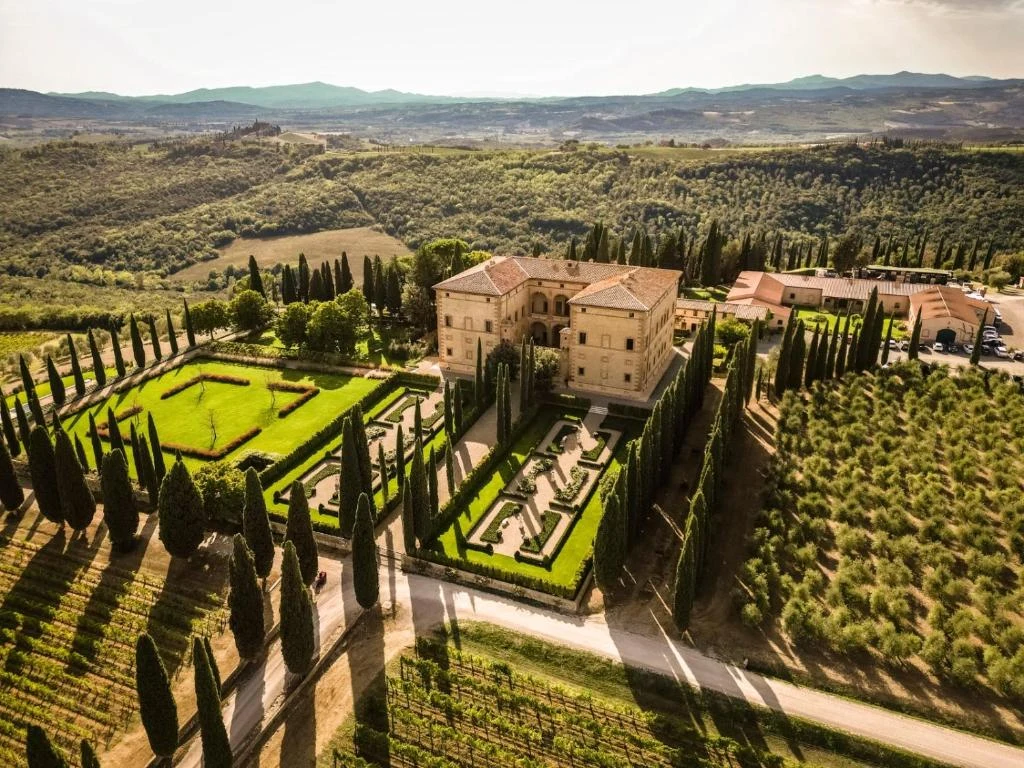
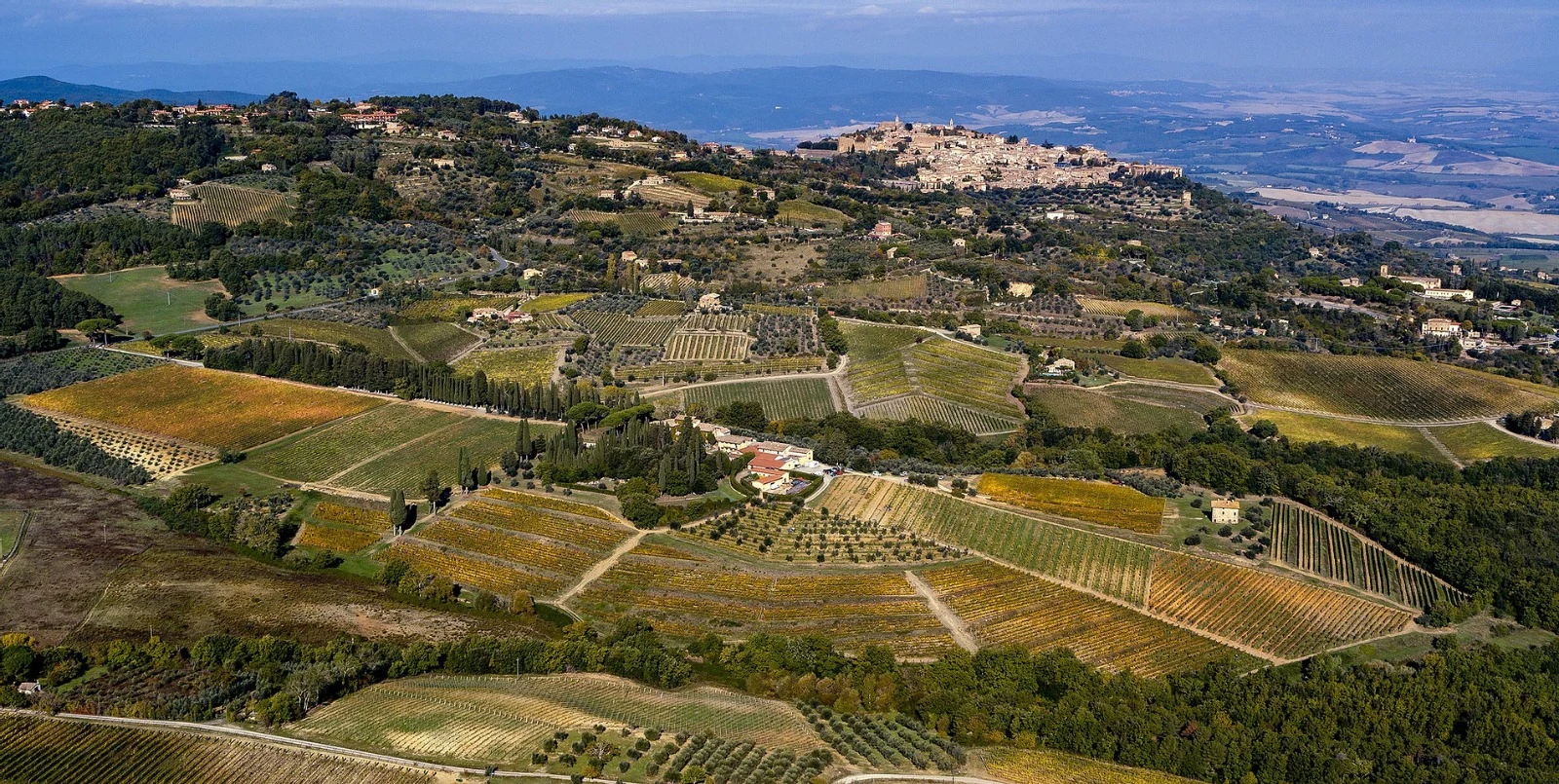
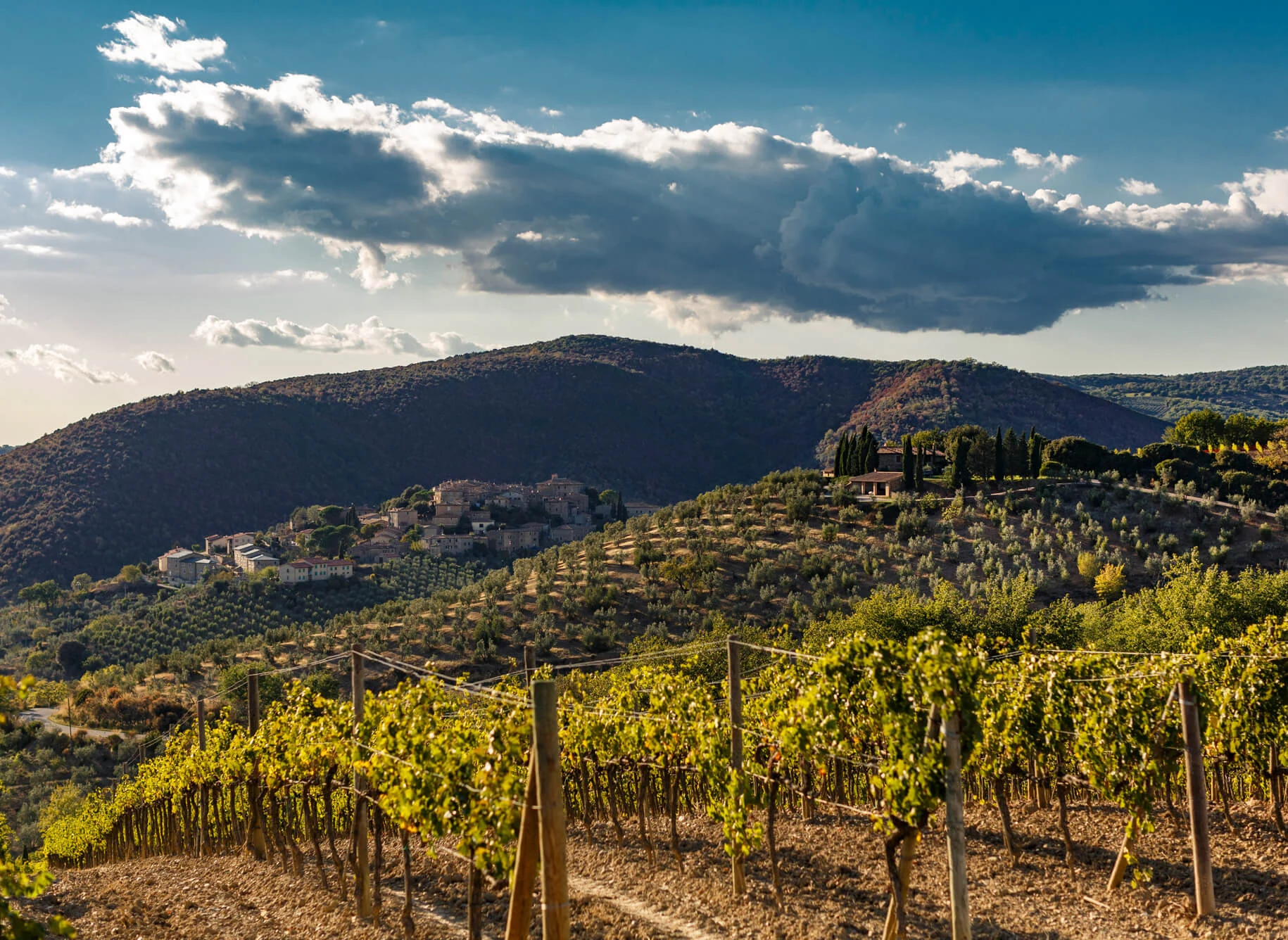
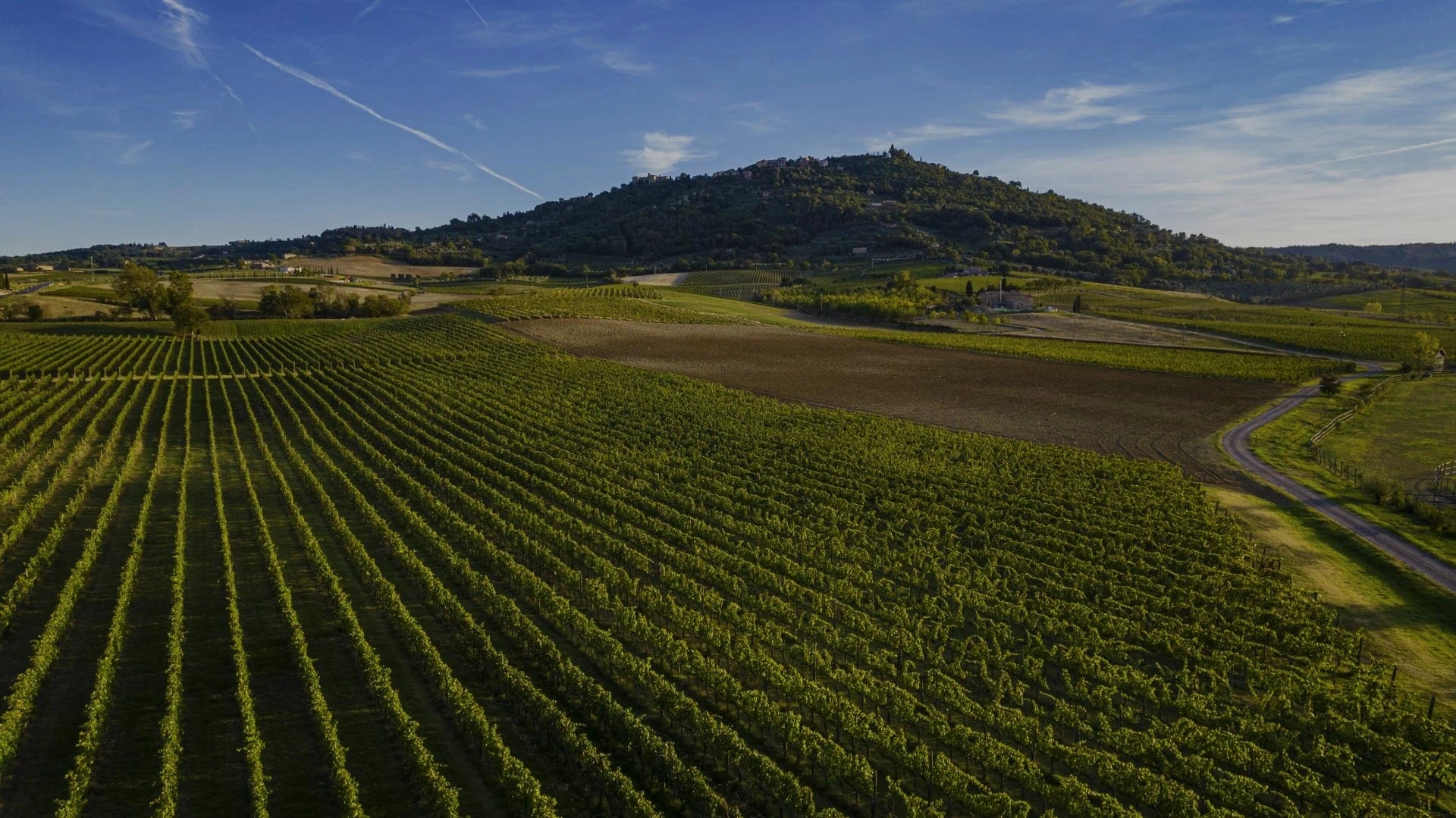
On the eastern slopes of Montalcino, Fuligni is best understood as a classic Tuscan estate setting rather than a venue built around entertainment. The picture is simple and focused: vineyards, olive groves, a scenic historic atmosphere, and a tranquil mood shaped around serious Brunello tasting. For travelers who want Montalcino to feel quiet, elegant, and wine-led, that restraint is the point. It is not presented as a place that needs to be dressed up with extras; its appeal comes from the landscape, the estate character, and the sense that the visit belongs firmly within Brunello country.
What can be said with confidence is that the estate sits in Montalcino, in a classic range of vines and olive trees, and is positioned for visitors whose interest is Brunello rather than a broader leisure program. In practical terms, that means the page should be read as a guide to mood and fit, not as a promise of a defined hospitality package. The essential idea is a focused wine stop in a historic Tuscan setting, where the surrounding scenery and the seriousness of the tasting frame the experience.
Eastern-slope Brunello, read through setting and atmosphere
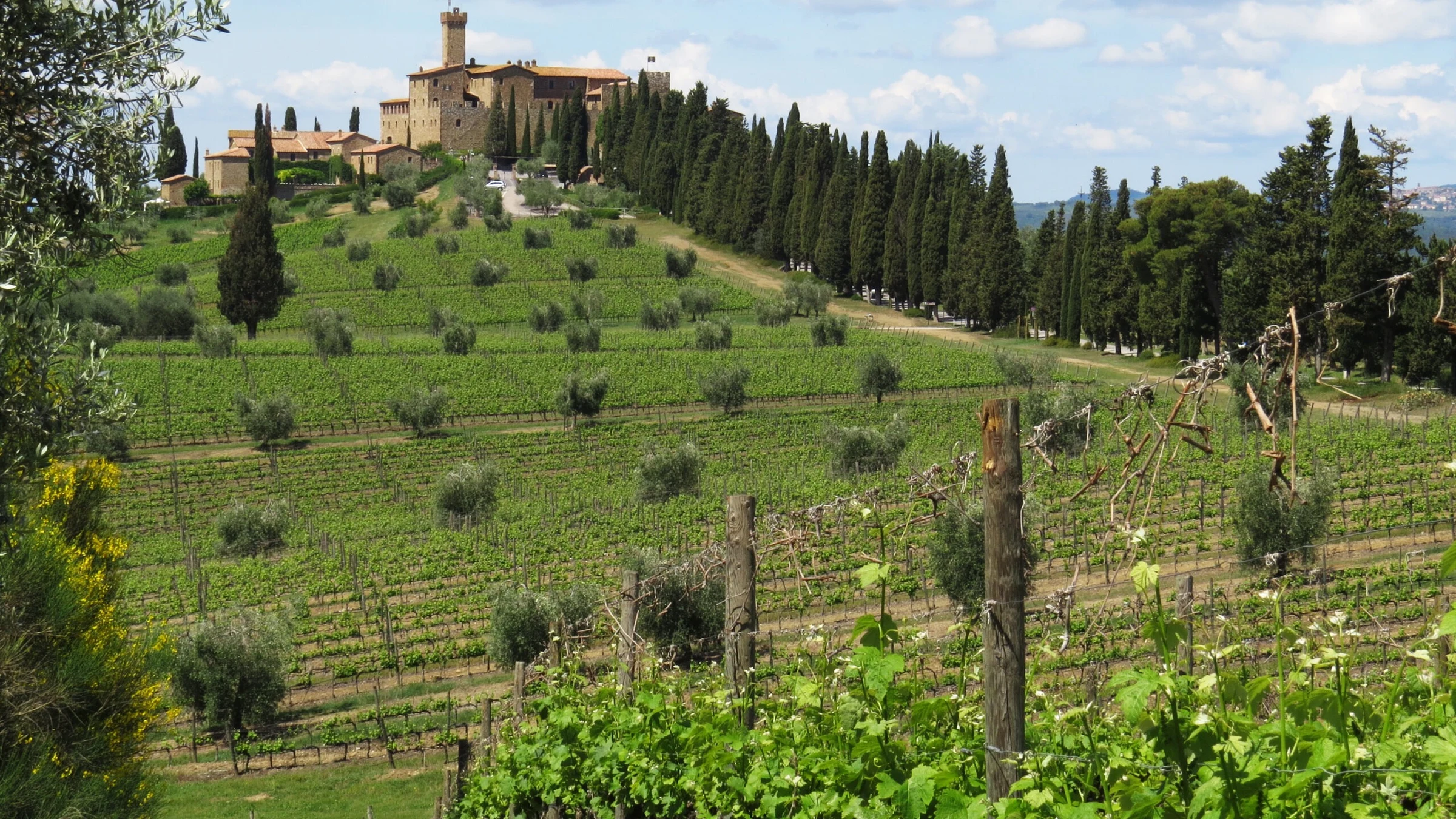
Fuligni’s strength is its setting on the eastern slopes of Montalcino. That location gives the visit its essential frame: this is a scenic, historic Tuscan estate environment where the emphasis is on Brunello tasting in a calm, serious register. The atmosphere is described as classic, elegant, and tranquil, with the surrounding vineyards and olive groves doing much of the work. Rather than relying on a busy program or a showy hospitality narrative, the estate reads as a place where the land, the quietness, and the traditional Tuscan visual language carry the experience.
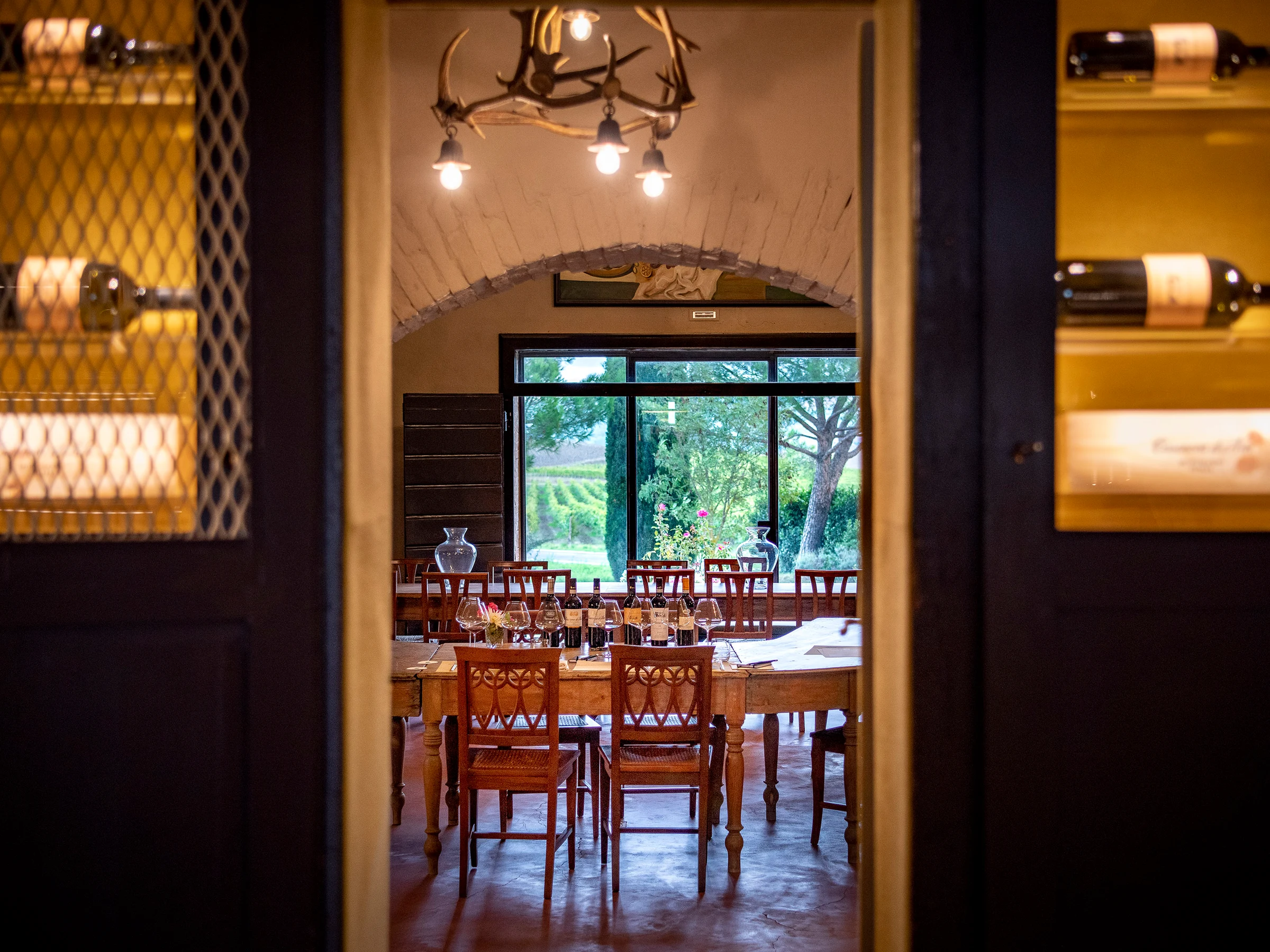
For a visitor, the appeal is not a documented entertainment offering or a confirmed dining format. It is the chance to approach Brunello in a place that feels connected to Montalcino’s estate landscape. The tone is wine-first, measured, and traditional. That matters because some travelers come to Montalcino looking for exactly this kind of restraint: a setting where the wine is the reason to be there, and where the pace encourages attention rather than distraction.
Fuligni is therefore best presented as a focused Brunello stop rather than as a venue with claims about specific hospitality services, menus, awards, or production details. If those details matter for planning, they should be confirmed directly before visiting. The safest and most useful expectation is a serious, scenic estate context, not a checklist of amenities. Approached that way, the quietness becomes a strength rather than a limitation, especially for visitors who want the experience to feel rooted in Montalcino rather than generalized luxury.
A portfolio that keeps Brunello at the centre
The information supports a Brunello-focused description of Fuligni, but not a detailed breakdown of individual wines, vintages, grapes, aging programs, or ancillary products. A careful guide should keep the emphasis where the facts are strongest: Fuligni is in Montalcino, in a vineyard-and-olive-grove estate setting, with a classic atmosphere oriented toward serious Brunello tasting. That narrower framing is important, because it avoids turning the estate into something more elaborate than the available information supports.
That makes it a good fit for travelers who value restraint over spectacle. The setting suggests a slower, more contemplative kind of wine visit: scenic, elegant, and grounded in the Tuscan estate landscape. The experience is best imagined as one where Brunello remains the central thread, and where the surrounding estate environment gives that thread a sense of place. For visitors building a wine-led day, Fuligni’s appeal lies in its clarity: the focus is not diffuse, and the mood is not casual entertainment so much as attentive tasting in a traditional setting.
Pricing is listed as $$$. That price marker should be read only as a broad positioning signal, not as a substitute for confirming current arrangements, availability, or any visit-specific details directly. Within the context of this guide, it simply reinforces the idea of Fuligni as a serious Montalcino stop, well suited to travelers who are already prioritizing Brunello and the classic estate atmosphere around it.
How to place it in a Montalcino itinerary
A Fuligni visit works well as a quiet Brunello-focused anchor in a Montalcino itinerary. Pair it with other dining, lodging, and wine experiences in the area according to your schedule, but keep expectations centered on what: a historic Tuscan estate atmosphere, eastern-slope scenery, vineyards, olive groves, and a serious tasting mood. In that role, it can give structure to a day that might otherwise become too broad, because its identity is clear and its appeal is concentrated.
For broader planning, compare Fuligni with other Montalcino options generically rather than assuming the same format or services. The useful distinction is tone: Fuligni is presented as classic, scenic, elegant, and tranquil, with Brunello at the center of the experience. It is the kind of stop to choose when the desired memory is not a long list of activities, but the quieter impression of a historic estate landscape, a measured pace, and a wine experience that keeps Montalcino’s most important theme in view.
Questions
Frequently asked
How expensive is Fuligni?
Fuligni is listed at a price level of $$$.
The field
How it compares
| Place | Notes | Awards |
|---|---|---|
| Fuligni | Montalcino, $$$ | · |
| Argiano | Montalcino | · |
| Azienda Agricola Casanova di Neri di Giacomo Neri | Montalcino | World's 50 Best |
| Biondi-Santi Tenuta Greppo | Montalcino | · |
| Castello Banfi | Montalcino | World's 50 Best |
| Poggio di Sotto | Montalcino | · |
| Valdicava | Montalcino | · |