GAGGEN by Choi Junho
- 01CuisineModern Japanese Kaiseki
- 02CitySeoul, South Korea
From the people index
Recommended by
One trusted voice points here.
- La Liste Top Restaurants: 83pts · 2026
- Star Wine List · 2026
- La Liste Top Restaurants: 82.5pts · 2025
- Michelin Plate · 2025
- Michelin Plate · 2024
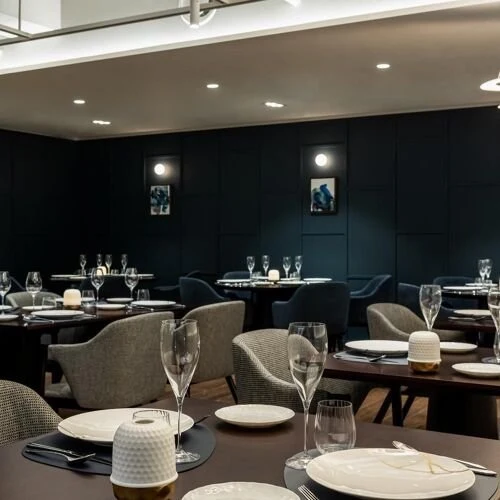
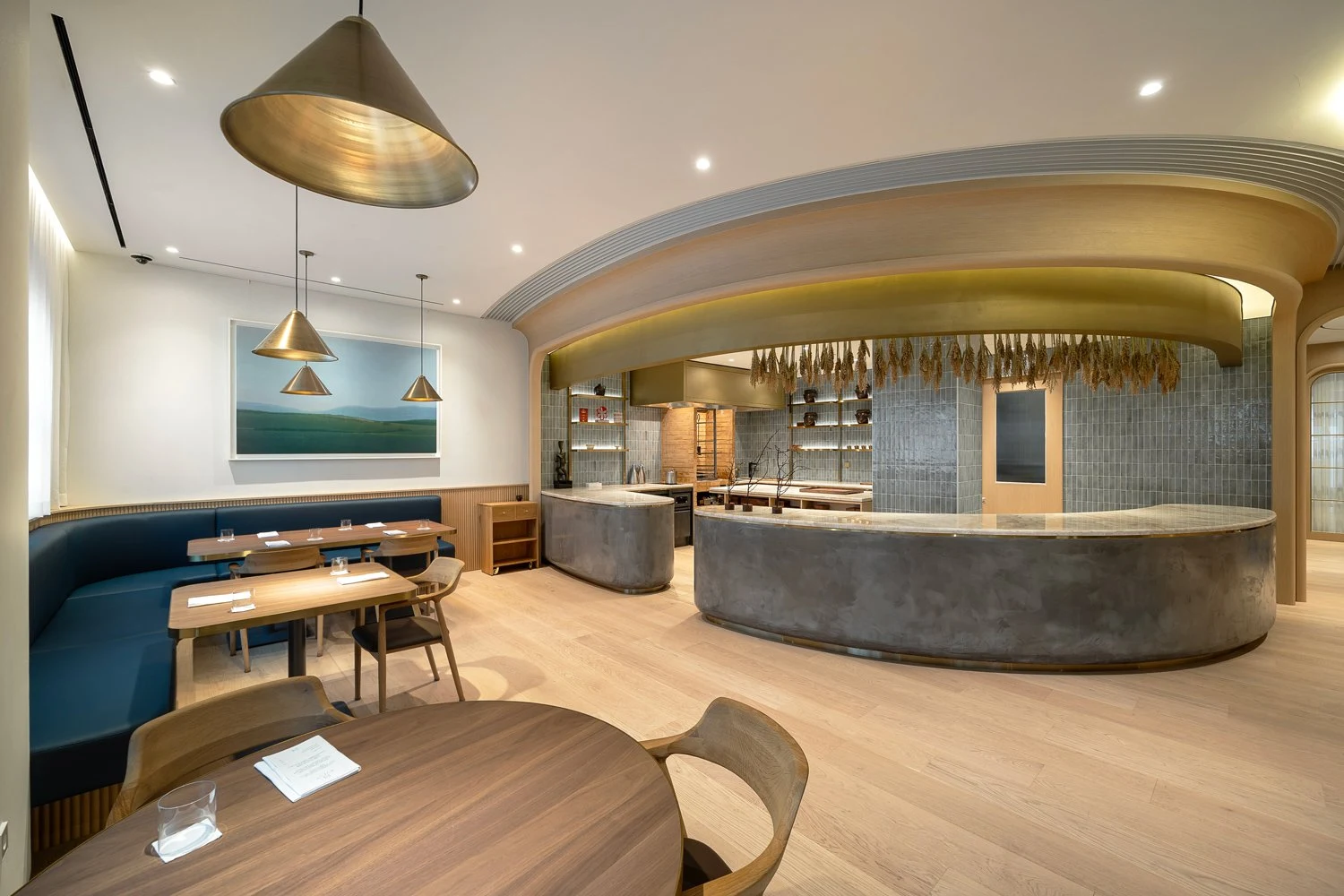
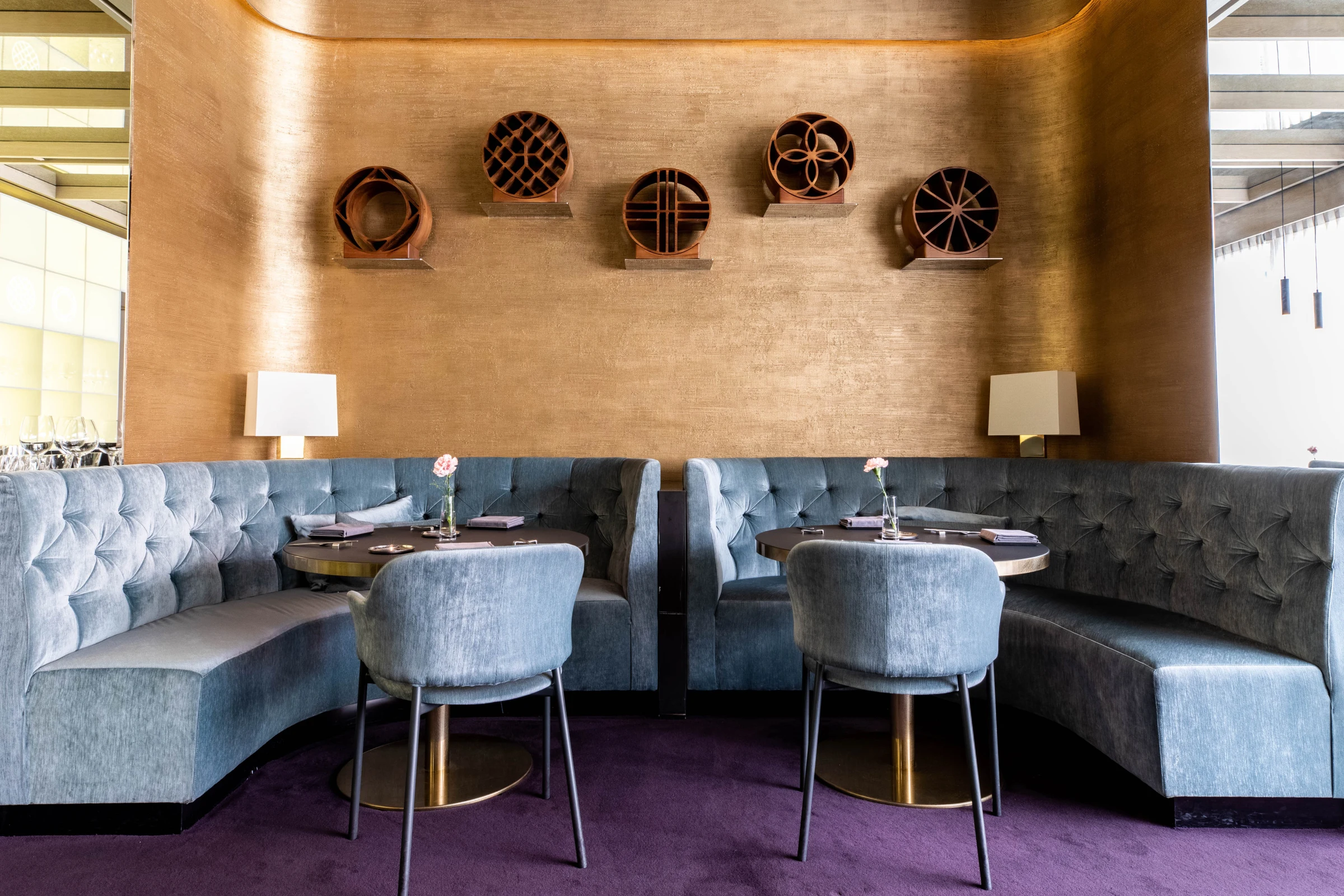
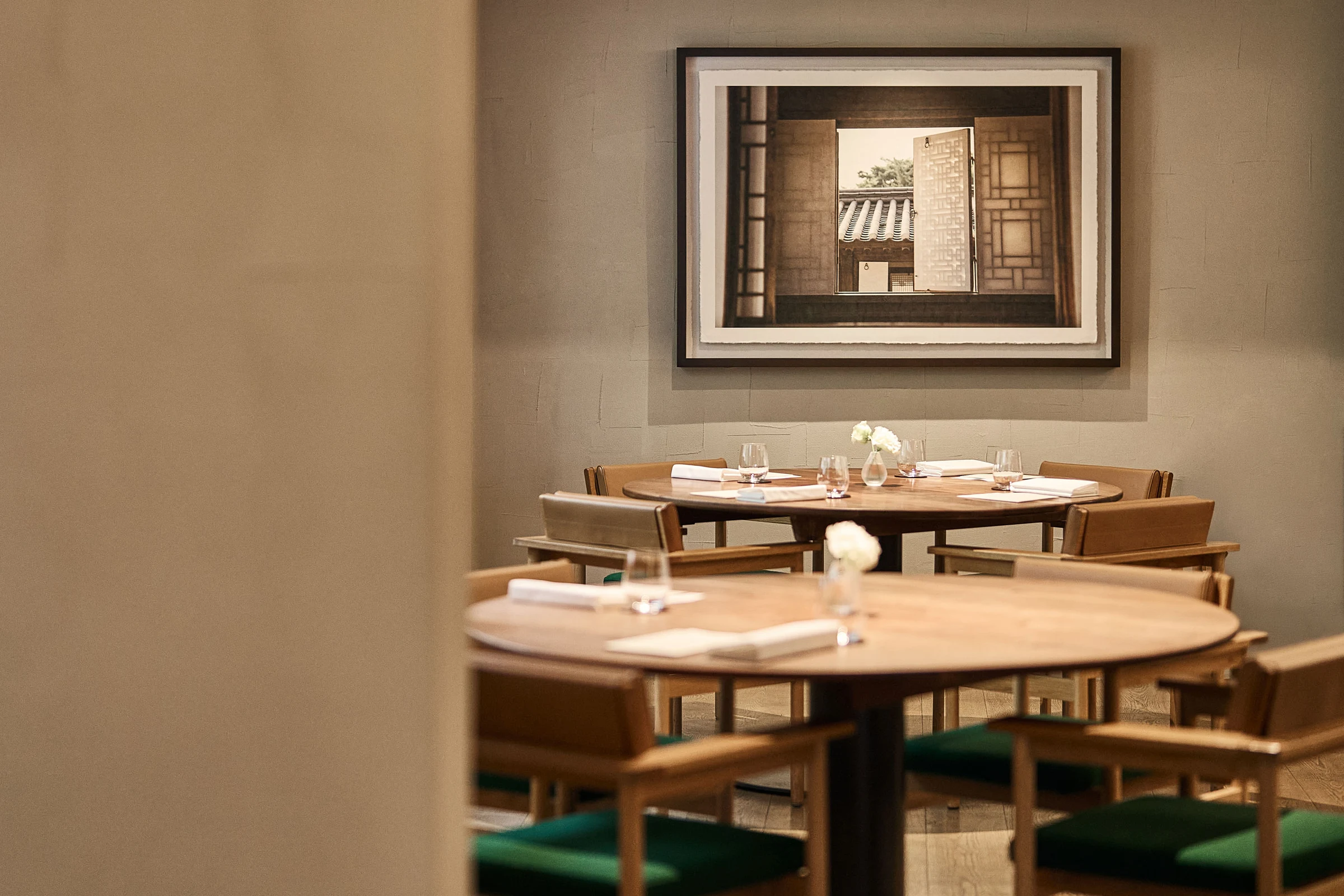
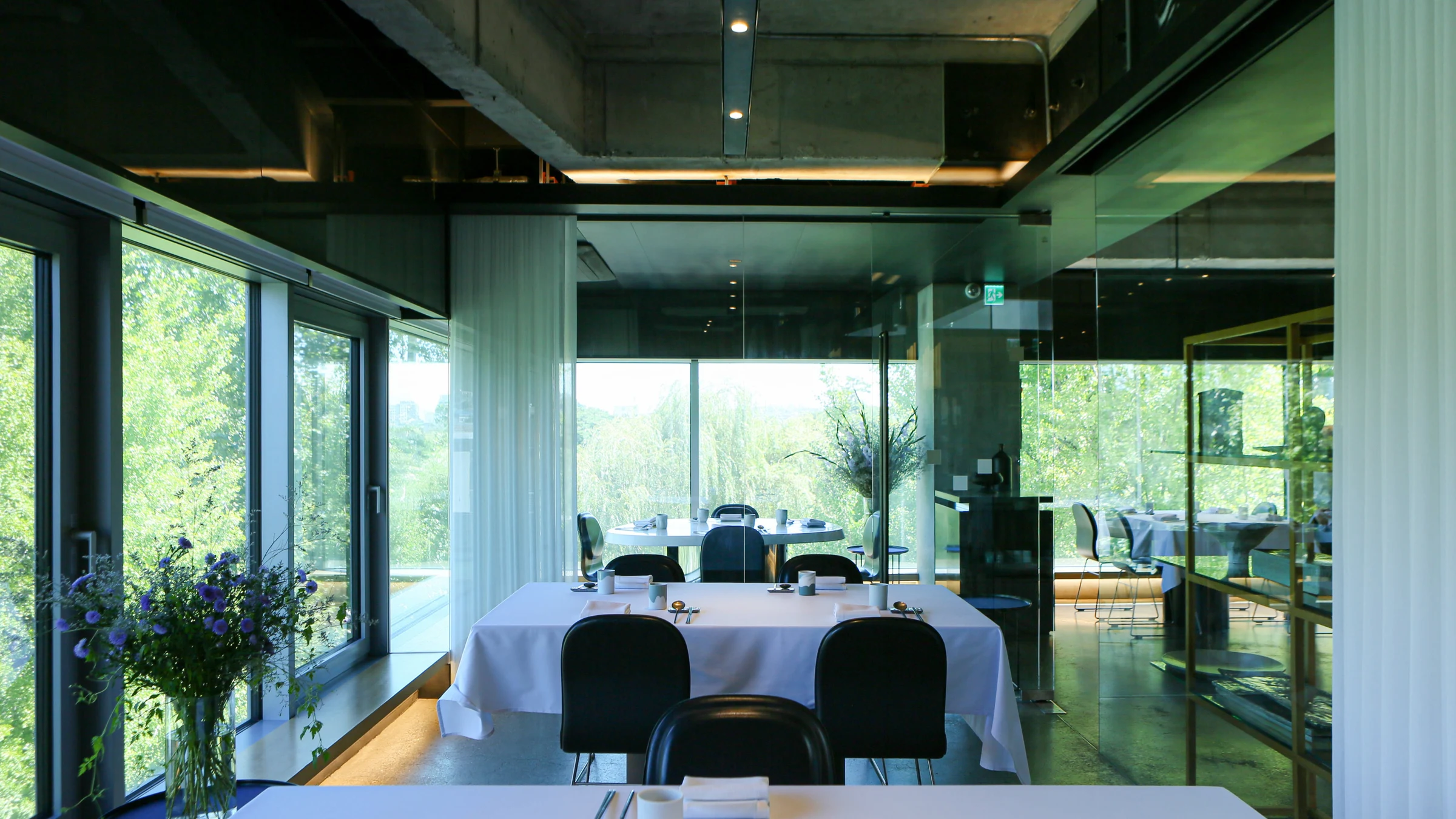
Seoul’s premium dining rooms tend to announce themselves quietly: controlled lighting, polished service rhythms, and a sense that dinner is being organized as much as cooked. GAGGEN by Choi Junho belongs to that register. The setting is Seoul, where restaurants in the upper tier compete not only on ingredient quality but on sequence, temperature, timing, and the confidence to leave space on the plate.
That matters because Seoul’s premium dining category has split into several lanes. Counter-led rooms pull one kind of attention, specialist formats another, while composed multi-course restaurants work in a more atmospheric language. GAGGEN by Choi Junho is better read through that last tradition: a structured meal shaped by seasonality, progression, and restraint rather than by spectacle or abundance. Michelin Plate recognition in both 2024 and 2025 places it inside Seoul’s serious dining conversation without confusing it with the city’s star-chasing tier.
The Sunday letter
Find new places through the people who run them.
Our Sunday email brings you the chefs, winemakers and hoteliers behind our newest stories. See a sample before you subscribe.
See a sample of the Sunday emailOne email a week. Unsubscribe from any issue.
Composed dining grammar in a Seoul dining room
Formal multi-course dining is often misunderstood as simply a luxury tasting menu with rare ingredients. Its discipline is narrower and more demanding. The format depends on cadence: an opening course that sets the tone, a gradual movement through texture and temperature, and a visual language that treats empty space as part of the composition. In Seoul, where premium dining can favor maximalism, that grammar creates a different kind of pressure. The room has to hold attention without constant escalation.
GAGGEN by Choi Junho sits in the same high-end dining conversation as Mitou, Muni, Sanro, and Kirameki, but the point of comparison is format as much as tariff. In this bracket, diners are paying for a controlled sequence rather than a single headline dish. The question is whether the restaurant can make restraint feel intentional rather than thin. Michelin’s Plate designation is useful here: it signals cooking of note, while leaving room for editorial judgment about ambition, consistency, and identity.
Premium dining in Seoul has matured past imitation. The stronger rooms now translate formal technique into the city’s own pace: more urban, more design-conscious, and often more compressed than older destination-dining models. A Seoul restaurant working in this composed register must therefore balance two expectations. It needs enough ceremony to justify the category, but enough directness to fit diners who are accustomed to fast-moving luxury formats. GAGGEN by Choi Junho operates in that tension.
Where it fits among Seoul's restaurants
The useful distinction is not one cuisine versus another, but counter versus composed room. Counter dining is a chef-facing format: the close view, the handwork, the direct handoff. Composed multi-course dining is more architectural. Courses build a mood through vessel, garnish, pacing, and transitions. That makes the experience less about a single performance and more about whether the sequence holds together.
Within Seoul, this distinction helps explain why restaurants that share a broad luxury label can feel unrelated in practice. Some rooms point toward a more focused specialist tradition, while the higher-priced dining rooms cluster around tasting-menu structure and formal service. GAGGEN by Choi Junho belongs to the latter group, and its Michelin Plate mentions in consecutive years give it a firmer editorial footing than restaurants relying only on local reputation.
For readers comparing Seoul’s broader dining map, the restaurant also shows how the city’s premium rooms can differ from looser, more casual formats. This style prizes clean arrival, controlled interiors, and a dining rhythm suited to business dinners, date nights, and serious solo bookings. That is a different energy from market-driven dining or late-night drinking districts. For a wider view, our full Seoul restaurants guide places it alongside other city addresses, while our full Seoul bars guide, our full Seoul hotels guide, our full Seoul experiences guide, and our full Seoul wineries guide help frame the rest of the trip.
Who should book this kind of meal
This is a restaurant for diners who enjoy structure. The appeal lies in a sequence that rewards attention to proportion, season, and transition, not in loud room energy or casual grazing. The premium category at this level in Seoul asks diners to slow down and read small decisions: how courses are ordered, how richness is managed, how the meal closes without fatigue.
The Michelin Plate recognition matters, but it should be read correctly. It is not a star, and it does not promise a destination restaurant in the international trophy sense. It does suggest that the cooking has been noticed by Michelin inspectors across more than one edition, which is meaningful in a city where fine dining has become crowded and expensive. In practical editorial terms, that gives GAGGEN by Choi Junho a clearer claim than many similarly positioned rooms with less external validation.
Travelers building a Korea itinerary can use it as a Seoul counterpoint to more regional dining references across the country, from coastal meals to temple settings and local specialties. Those comparisons sketch a broader national table, while GAGGEN by Choi Junho represents a polished Seoul expression of formal dining. For international comparison, similar high-end formats in other cities show how the same broad category shifts when filtered through different luxury markets.
The verdict is precise rather than sweeping: choose this address when the night calls for measured cooking, formal pacing, and a quieter Seoul room with Michelin Plate validation. Diners seeking looseness, communal noise, or a casual price tier will find the format too controlled. Diners who care about the aesthetics of progression, and who understand that this kind of meal often draws power from what it withholds, will understand why it belongs on a serious Seoul shortlist.
Questions
Frequently asked
How expensive is GAGGEN by Choi Junho?
GAGGEN by Choi Junho is listed at a price level of $$$$.
Where is GAGGEN by Choi Junho and what does it serve?
GAGGEN by Choi Junho is in 압구정동, Seoul, serving Modern Japanese Kaiseki.
The field
How it compares
| Place | Cuisine | Notes | Awards |
|---|---|---|---|
| GAGGEN by Choi Junho | Modern Japanese Kaiseki | 압구정동, $$$$ | · |
| alla prima | Modern Fusion Fine Dining | Seoul | Michelin 2 Stars, World's 50 Best |
| Eatanic Garden | Modern Korean Contemporary | Seoul | Michelin 1 Star, World's 50 Best |
| Evett | Modern Innovative Korean | Seoul | Michelin 2 Stars |
| Jungsik | Modern Korean Fine Dining | Seoul | Michelin 2 Stars, World's 50 Best |
| Mingles | Modern Korean Fine Dining | Seoul | Michelin 3 Stars, World's 50 Best |
| Onjium | Modern Korean Royal Court Cuisine | Seoul | Michelin 1 Star, World's 50 Best |
Similar places
Modern Fusion Fine Dining
alla prima
Seoul, South Korea
★★ · 50 Best
Modern Korean Contemporary
Eatanic Garden
Seoul, South Korea
★ · 50 Best
Modern Innovative Korean
Evett
Seoul, South Korea
★★
Modern Korean Fine Dining
Jungsik
Seoul, South Korea
★★ · 50 Best
Modern Korean Fine Dining
Mingles
Seoul, South Korea
★★★ · 50 Best
Modern Korean Royal Court Cuisine
Onjium
Seoul, South Korea
★ · 50 Best
The Sunday letter
Get the next Made By story in your inbox.
We send one email every Sunday morning with the places and people we covered that week.
See a sample of the Sunday emailOne email a week. Unsubscribe from any issue.