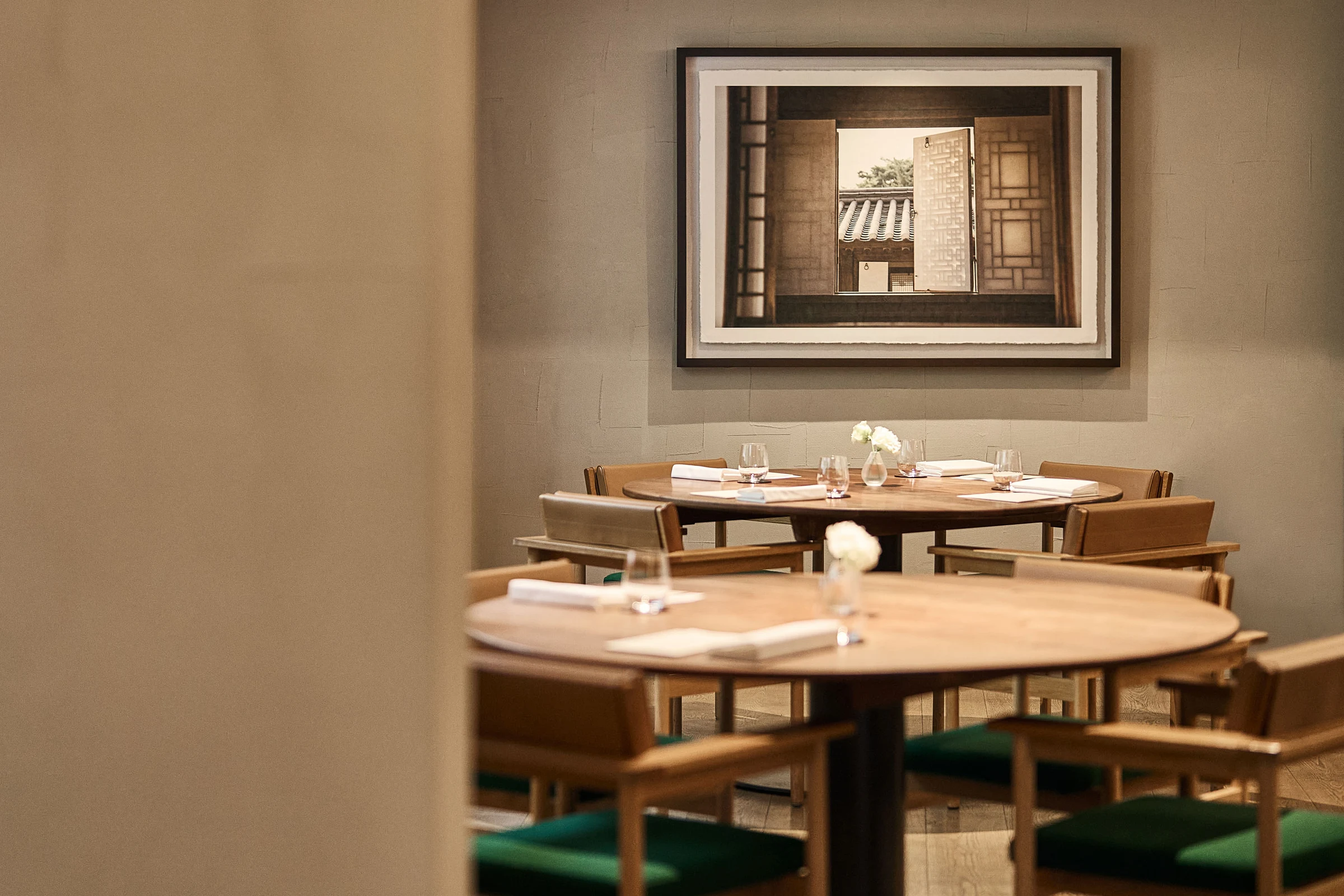
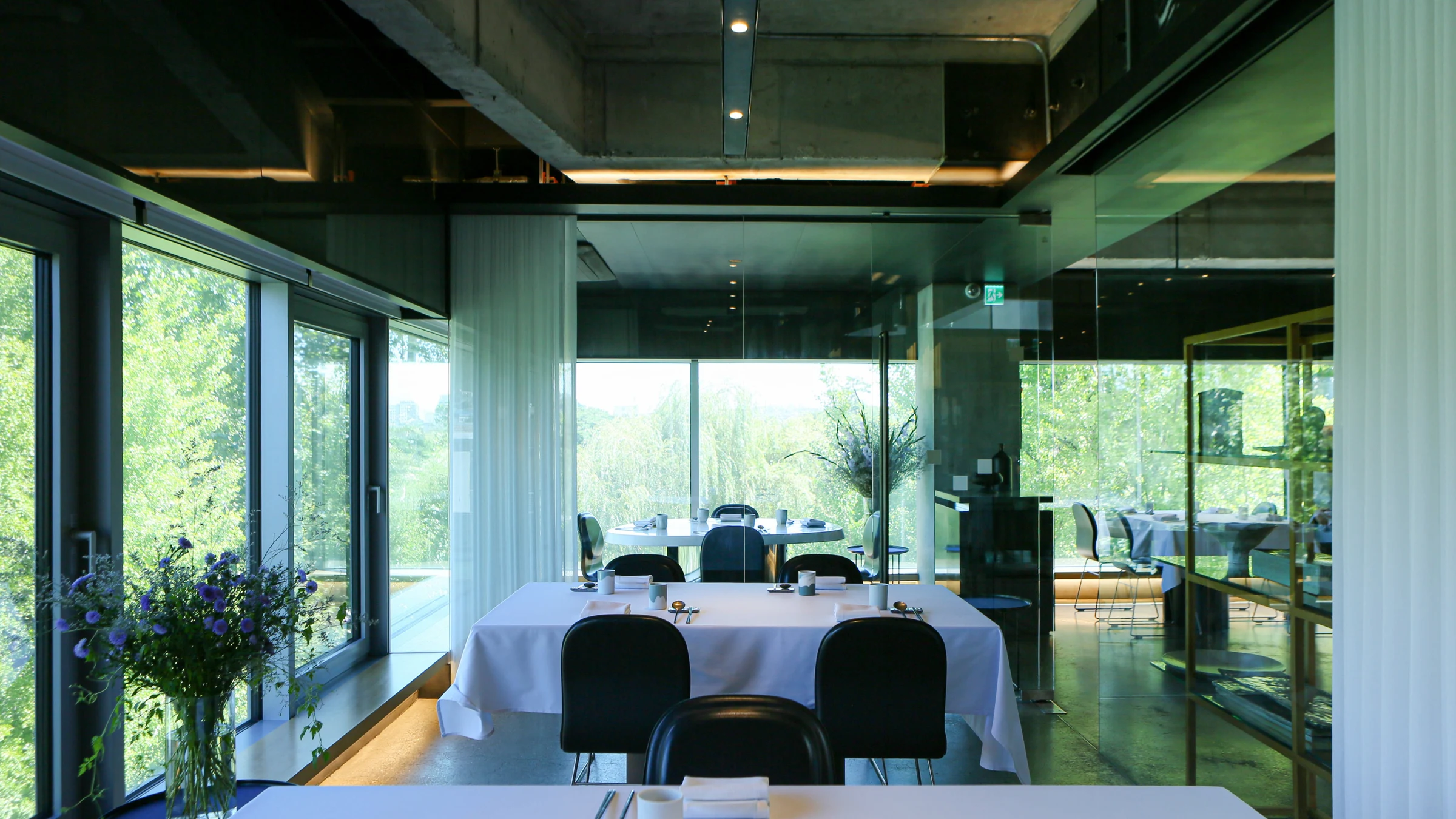
Sanro
- 01CuisineAuthentic Japanese Kaiseki
- 02CitySeoul, South Korea
- Michelin Plate · 2026
- La Liste Top Restaurants: 77pts · 2026
- La Liste Top Restaurants: 77pts · 2025
- Michelin Plate · 2025
- Michelin Plate · 2024
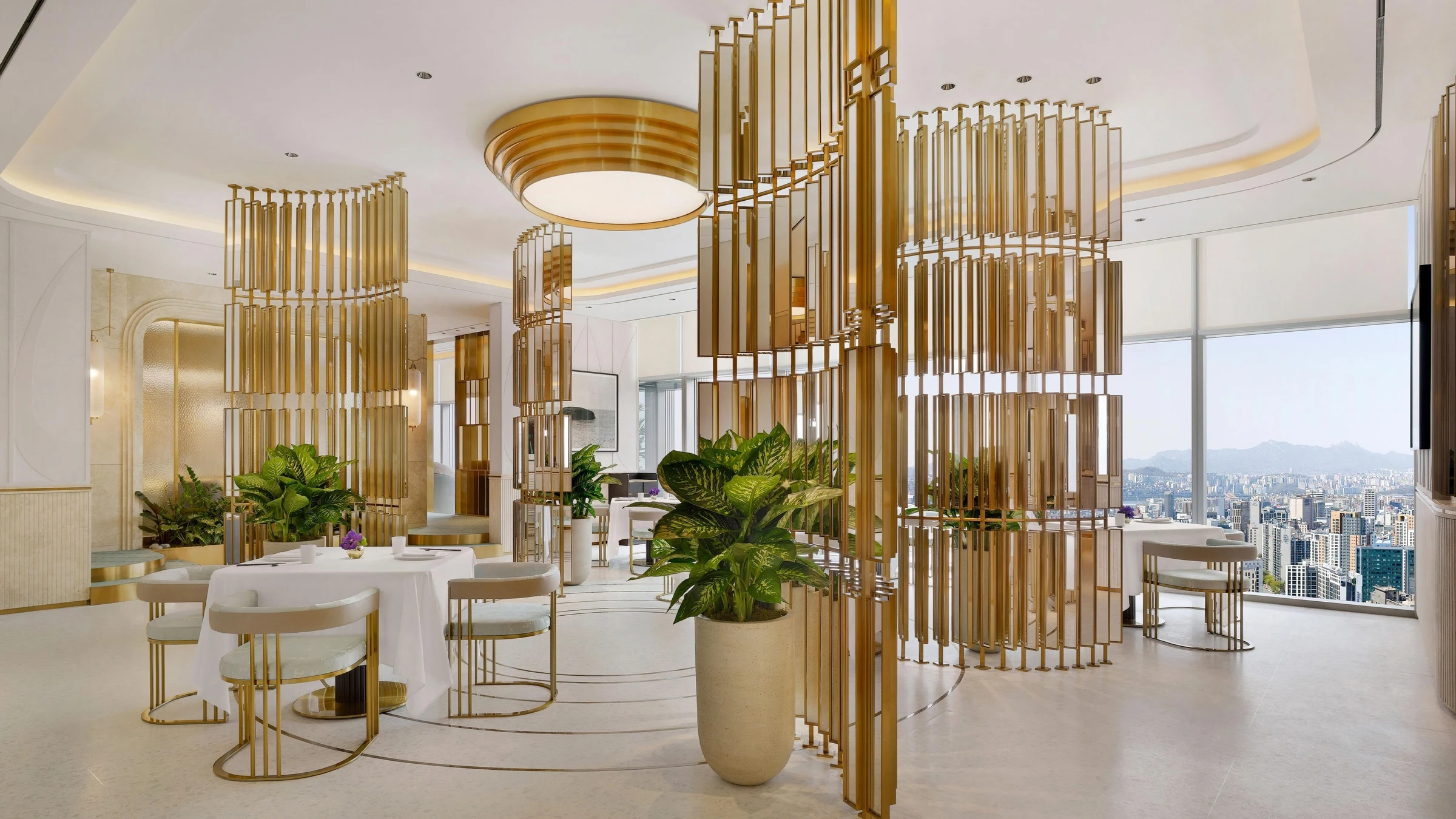
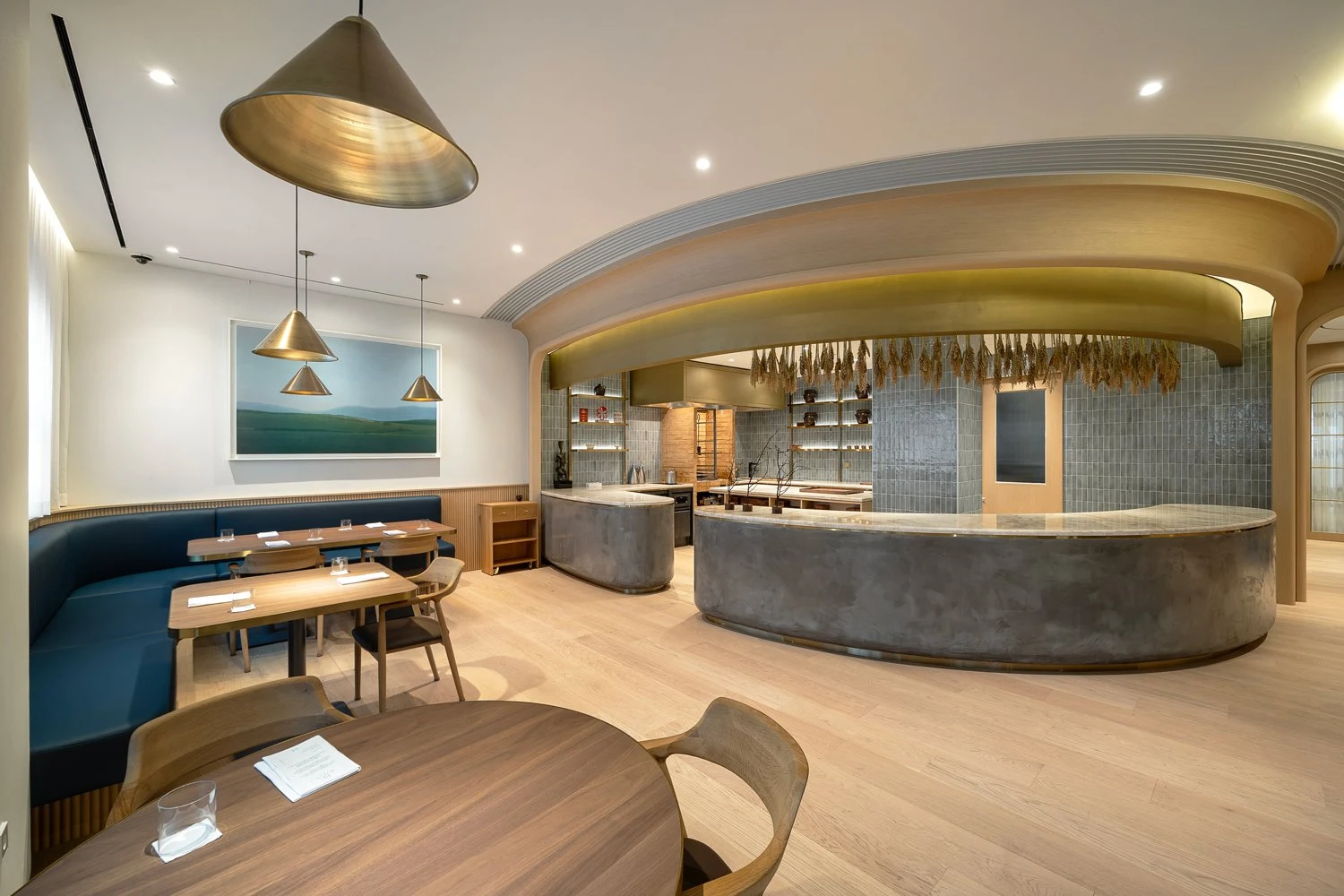
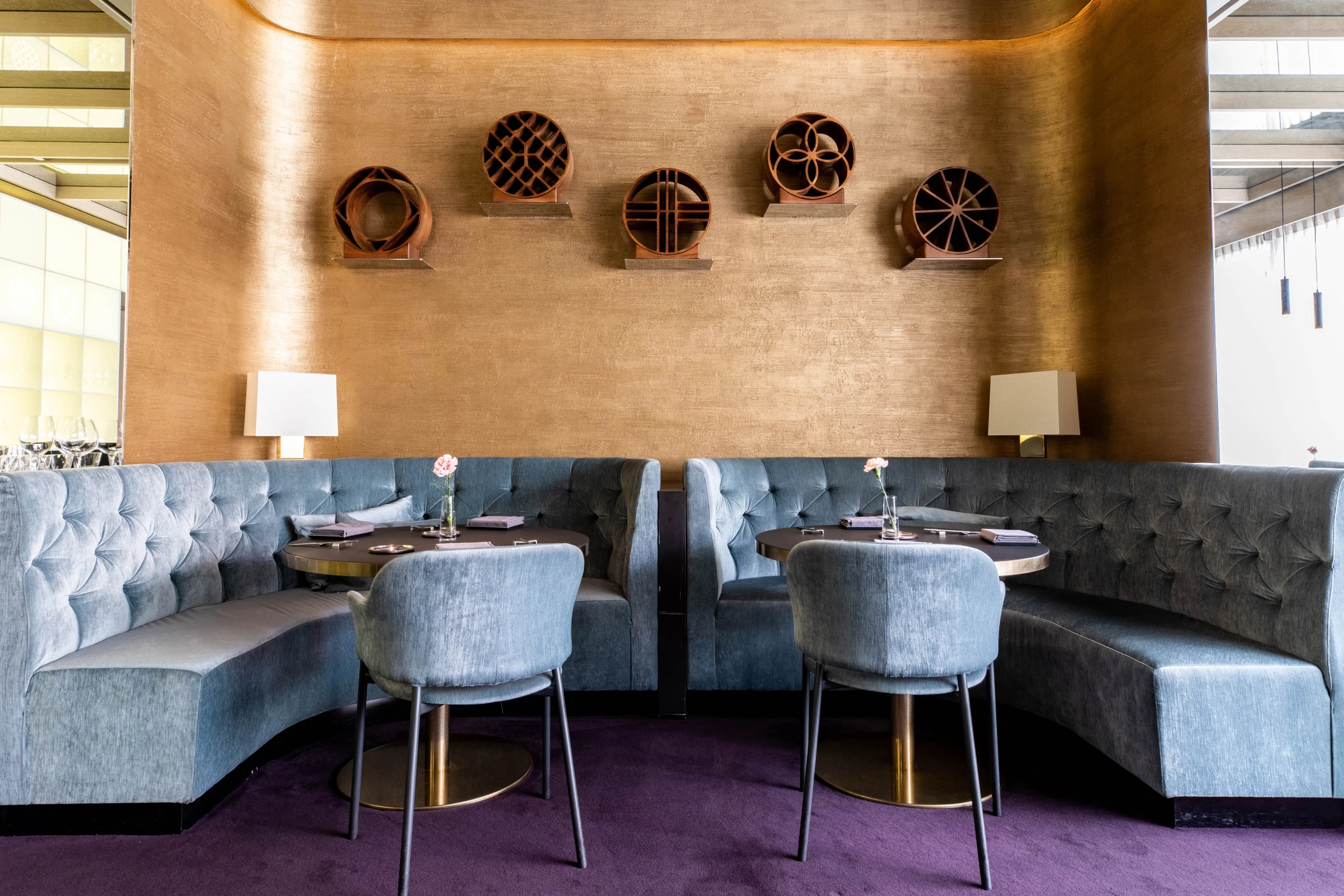
Dosan-daero is where Gangnam's money goes quiet. The boulevard runs through a district better known for gallery-white interiors and fashion ateliers than for the kind of cooking that requires decades of apprenticeship to execute. Yet a particular category of Japanese fine dining has taken root here, operating at a register that has less to do with the Seoul restaurant scene at large and more to do with the standards set by counters in Tokyo and Kyoto. Sanro, on the second floor of a building at 518 Dosan-daero in Seoul, is an Authentic Japanese Kaiseki restaurant led by chef Yoo Sung-yup and priced at ₩₩₩₩.
The Ingredient-Forward Framework
Japanese kaiseki at its most considered is, at its core, an argument about raw materials. The dashi stock, whether drawn from kombu and katsuobushi, or from a more regionally inflected base, establishes the flavour register of the entire meal. Seasonal produce doesn't arrive as garnish; it determines the sequence. A kitchen operating in this tradition can only distinguish itself through sourcing discipline: which suppliers it accesses, how it handles produce at different stages of ripeness, and whether the cook's intervention amplifies or obscures the ingredient's own signal.
At Sanro, under chef Yoo Sung-yup, this framework is the operating principle. The La Liste jury awarded the restaurant 77 points in both 2025 and 2026, a consistent score that reflects reliability within its tier rather than fluctuation. The Michelin Plate in both 2024 and 2025 places Sanro in the tier below a star, recognised as producing cooking worth attention without yet crossing into the award hierarchy.
The competitive comparison that matters here is not with Korean tasting-menu restaurants such as Gaon or 권숙수 (Kwon Sook Soo), whose ingredient logic is rooted in Korean pantry and fermentation traditions. It is with the handful of Seoul-based Japanese restaurants, like Kirameki and Sobajuu, that hold themselves to Japanese craft standards while operating in a Korean market context. In Tokyo, the equivalent tier includes establishments like Myojaku and Azabu Kadowaki; in Kyoto, the kaiseki lineage runs through houses such as Isshisoden Nakamura. Sanro's scores position it as a credible participant in that conversation, even across geographies.
Gangnam's Quiet Fine-Dining Tier
Seoul's premium restaurant map has bifurcated over the past decade. One branch runs through the city's Korean contemporary movement, fermentation-led, heritage-ingredient-obsessed, represented at Gangnam's leading end by ₩₩₩₩-tier rooms like the contemporary Korean at Muni and the Korean-French hybrids found across the district. The other branch is a smaller, less-discussed circuit of Japanese fine dining establishments that have anchored themselves in Gangnam and Apgujeong, drawing a clientele that rotates between Seoul and Tokyo and holds expectations calibrated accordingly.
Sanro occupies the second branch. Its address on Dosan-daero places it within walking distance of the Apgujeong Rodeo corridor, a neighbourhood whose restaurant density is disproportionate to its size, driven in part by the concentration of high-net-worth residents in the surrounding apartment blocks. The second-floor location is characteristic of how serious Japanese restaurants position themselves in Seoul: not ground-floor and visible, but deliberately upstairs, requiring a degree of intention from the diner. You arrive knowing where you are going.
Within the ₩₩₩₩ tier, Sanro competes with a comparable set that includes Korean contemporary tasting menus at Mitou and the experimental formats at GAGGEN by Choi Junho. What separates the Japanese fine-dining category from its Korean counterparts at this price point is less about quality, both tiers are serious, and more about culinary logic. Where Korean contemporary cooking tends toward transformation and recontextualisation of heritage ingredients, Japanese kaiseki at this level tends toward revelation: the closest possible approach to the ingredient in its ideal state.
Seasonal Discipline as a Critical Lens
The La Liste score's consistency across 2025 and 2026, 77 points in both cycles, is a useful signal. Restaurants that fluctuate sharply between cycles often do so because seasonal execution is uneven, or because key personnel have changed. A stable score suggests the kitchen's relationship with its ingredient sources is stable: that the seasonal logic underpinning the menu holds across years rather than delivering only in certain months. In an ingredient-forward Japanese context, this matters enormously. Dashi quality, the handling of peak-season fish, the sequencing of spring vegetables against autumnal warming notes, these are not improvised. They are the product of sourcing relationships maintained across multiple seasons.
This is one of the harder elements to replicate for Japanese restaurants operating outside Japan, where supply chains for premium fish, aged tofu, specific seasonal vegetables, and artisan condiments are less automatic than in Tokyo or Osaka. The restaurants in Seoul that have solved this logistical problem are a small group. Sanro's consistent critical recognition across two consecutive years in both the Michelin and La Liste frameworks suggests it is among them. Comparable efforts in the Korean fine-dining spectrum, whether at Mori in Busan or the temple-cuisine lineage at Baegyangsa Temple, demonstrate how seriously the peninsula's leading kitchens treat raw material sourcing, each within their own tradition.
Where Sanro Sits in the Seoul Picture
Taken alongside the wider Gangnam dining circuit, Sanro fills a specific gap: serious Japanese fine dining with verifiable critical recognition, at a price tier that signals commitment from both the kitchen and the diner. For those building a Seoul itinerary around the city's premium restaurant circuit, the relevant question is not whether to include a Japanese counter, but which one. For Gangnam specifically, the Japanese fine-dining bracket is small enough that Sanro's consistent awards profile places it at the front of the conversation.
Know Before You Go
Address: 518 Dosan-daero, 2F, Gangnam District, Seoul, South Korea
Cuisine: Japanese (kaiseki / ingredient-forward)
Price tier: ₩₩₩₩
Chef: Yoo Sung-yup
Awards: Michelin Plate 2024 and 2025; La Liste Leading Restaurants 77pts (2025 and 2026)
Google rating: 4.3
Booking: Essential
Questions
Frequently asked
How expensive is Sanro?
Sanro is listed at a price level of $$$$.
Where is Sanro and what does it serve?
Sanro is in 압구정동, Seoul, serving Authentic Japanese Kaiseki.
The field
How it compares
| Place | Cuisine | Notes | Awards |
|---|---|---|---|
| Sanro | Authentic Japanese Kaiseki | 압구정동, $$$$ | · |
| alla prima | Modern Fusion Fine Dining | Seoul | Michelin 2 Stars, World's 50 Best |
| Eatanic Garden | Modern Korean Contemporary | Seoul | Michelin 1 Star, World's 50 Best |
| Evett | Modern Innovative Korean | Seoul | Michelin 2 Stars |
| Jungsik | Modern Korean Fine Dining | Seoul | Michelin 2 Stars, World's 50 Best |
| Mingles | Modern Korean Fine Dining | Seoul | Michelin 3 Stars, World's 50 Best |
| Onjium | Modern Korean Royal Court Cuisine | Seoul | Michelin 1 Star, World's 50 Best |
Similar places
Modern Fusion Fine Dining
alla prima
Seoul, South Korea
★★ · 50 Best
Modern Korean Contemporary
Eatanic Garden
Seoul, South Korea
★ · 50 Best
Modern Innovative Korean
Evett
Seoul, South Korea
★★
Modern Korean Fine Dining
Jungsik
Seoul, South Korea
★★ · 50 Best
Modern Korean Fine Dining
Mingles
Seoul, South Korea
★★★ · 50 Best
Modern Korean Royal Court Cuisine
Onjium
Seoul, South Korea
★ · 50 Best