Regional expression at cellar scale
- Falstaff Winery - Listed · 2026
Regional expression in the cellar
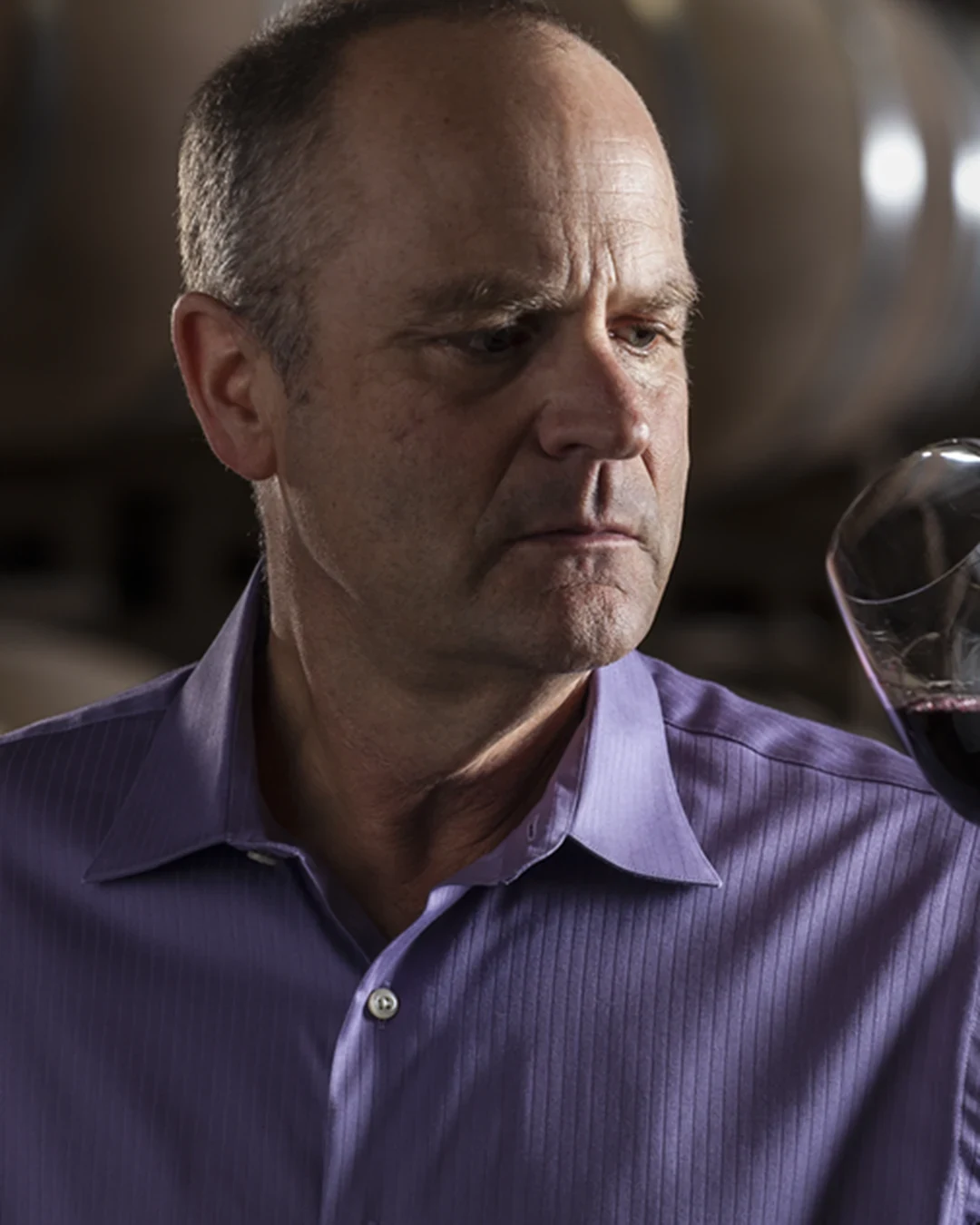
Bob Bertheau works from varietal character and regional expression as winemaker at Gallo Sonoma in Healdsburg, bringing a cellar discipline shaped before this station by Hanzell Vineyards in Sonoma County and Chalk Hill in Healdsburg. Bob Bertheau studied at Boise State College and the University of California, Davis, then entered wine through a summer tasting room job at Ste. Chapelle in Caldwell, Idaho, a first post close to the moment when a bottle meets the table. At Gallo Sonoma, that progression matters because the house sits inside a much larger family winery system, one with the reach to work across California while still asking each wine to carry some legible place. Bertheau’s own stated philosophy is practical rather than ornamental: wines should show a sense of place, deliver enjoyment with food, and outperform their style and price. For higher-priced bottles, he adds another requirement, a certain sense of aging. That is a useful frame for this bench. It keeps attention on proportion, structure, and the patience required between harvest choice and finished wine.
Estate language, Sonoma scale
The method visible here is less a single cellar trick than a program of selection: grape growing, regional fit, and controlled winemaking across a family-owned enterprise that has been built for more than 80 years. Gallo Sonoma belongs to E. & J. Gallo Winery, the family company begun by Ernest and Julio Gallo and now carried by later generations in the winery. The Sonoma-facing language around the family’s work leans toward estate winegrowing and Pinot Noir, with Russian River Valley and Central Coast vineyards named in the wider Sonoma portfolio. MacMurray Ranch, part of that broader family context, was transformed into a vineyard in 1996, and its Pinot Noir program begins at the home vineyard before extending to several estate sites. Those details do not turn Gallo Sonoma into a small cellar. They clarify the discipline behind a large one: match site, variety, and market without losing the thread of place. In Bertheau’s hands, that means varietal character first, then balance at the table.
A quiet Healdsburg winery
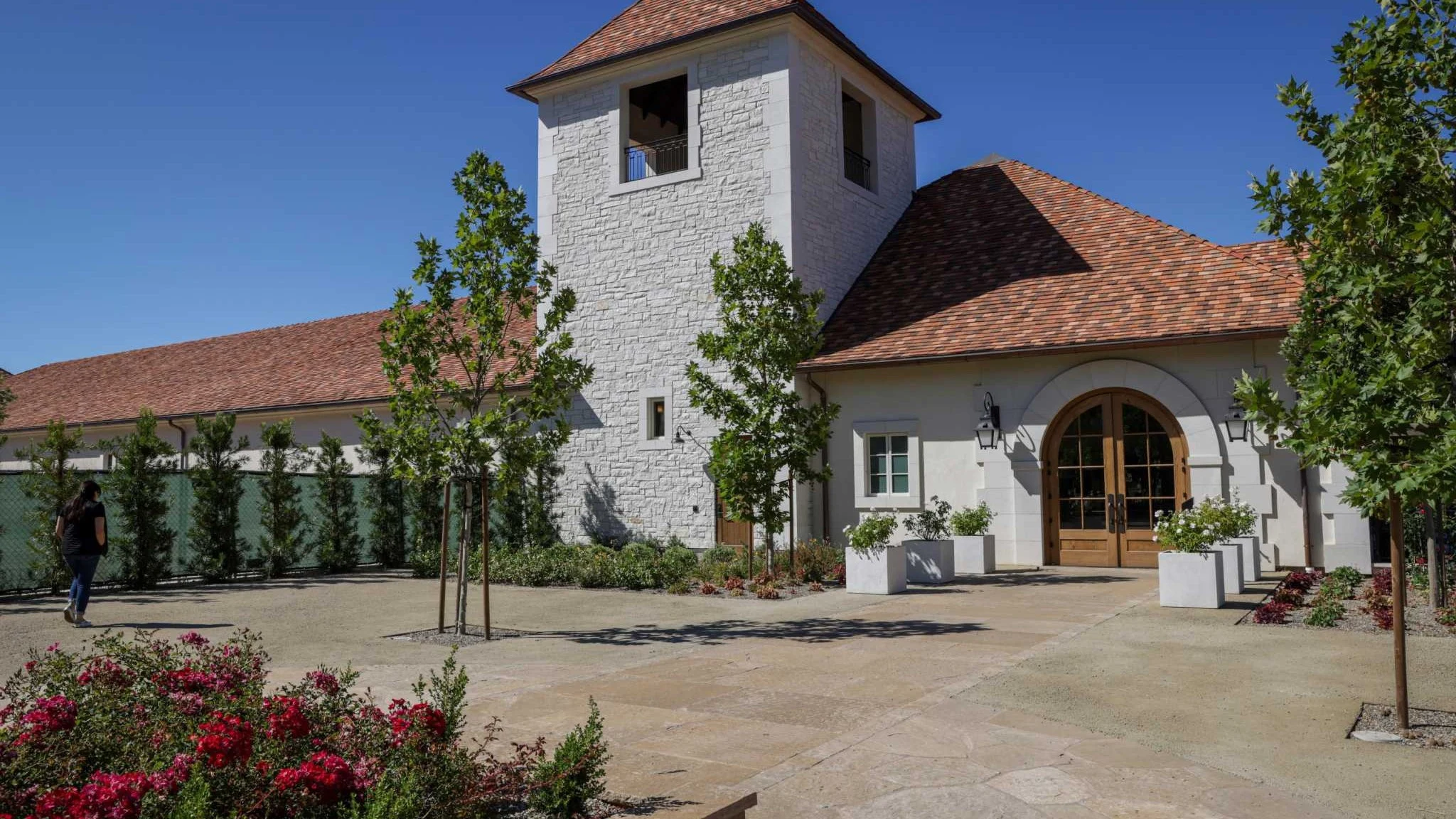
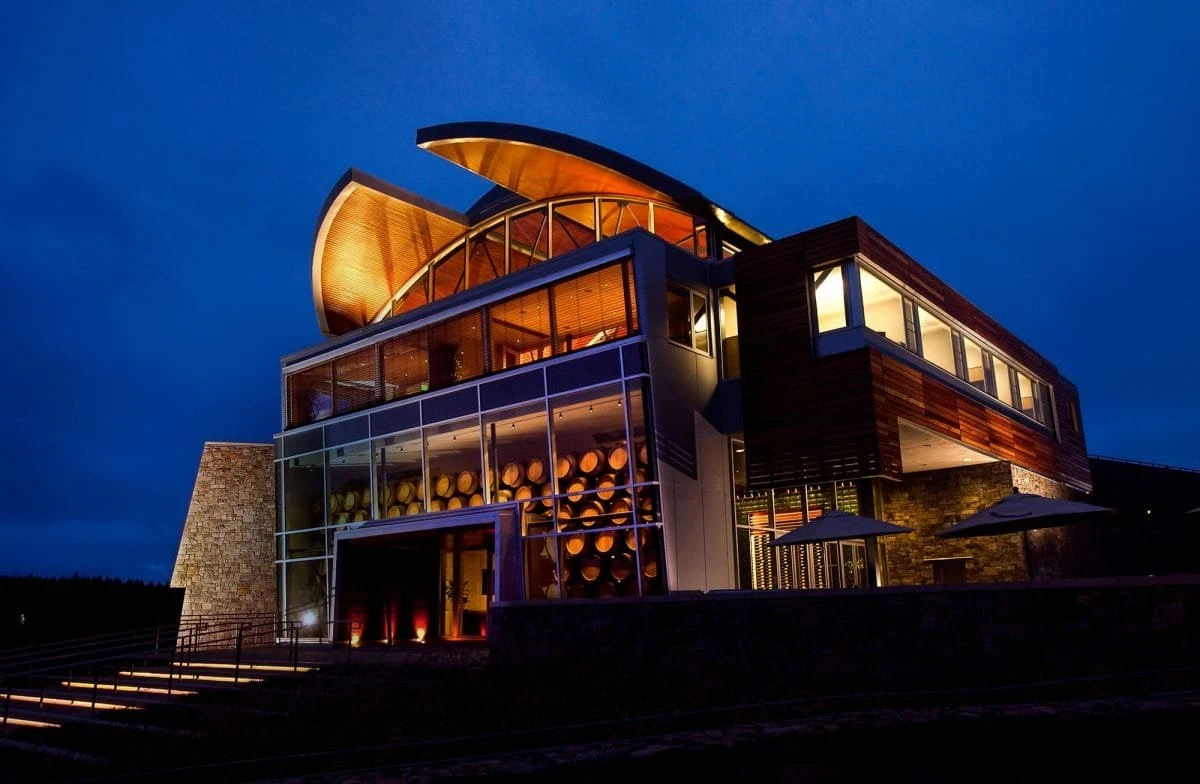
The room around the work is described in restrained terms: a quiet, classic winery in Healdsburg, set within Sonoma County’s long habit of pairing cellar work with hospitality. The tasting room details are not laid out by the house, so the clearer picture comes from the place itself, a Healdsburg address tied to a family name with national scale and regional memory. There is no need to dress that up. The cellar belongs to a company large enough to carry California wine across many tables, and a bottle keeps its varietal line, its food sense, and its regional footing. Bertheau’s later association with Eroica Riesling makes that attention to clarity easy to recognize, but here the concrete task stays with Gallo Sonoma and the Sonoma fruit in front of it.
Questions
Frequently asked
Who is the winemaker at Gallo Sonoma?
Bob Bertheau is the winemaker at Gallo Sonoma in Healdsburg. He brings varietal character, regional expression, and cellar discipline to the work.
What is the winery known for?
Gallo Sonoma is presented as a quiet, classic winery that works with regional expression and wines meant to show a sense of place. Bertheau’s stated approach is that wines should deliver enjoyment with food and suit their style and price.
Is Gallo Sonoma a walk-in friendly winery?
Yes. The reservation policy is walk-in friendly.
Is there parking on site?
Yes. The venue lists on-site lot parking.
What price tier does Gallo Sonoma fall into?
Gallo Sonoma is listed in the $ price tier.
The field
How it compares
| Place | Notes | Awards |
|---|---|---|
| Gallo Sonoma | $ | · |
| Dry Creek Vineyard | Healdsburg | · |
| J Vineyards & Winery | Healdsburg | · |
| Jordan Vineyard & Winery | Healdsburg | World's 50 Best |
| Rodney Strong Vineyards | Healdsburg | · |
| Verite | Healdsburg | · |
| Williams Selyem Winery | Healdsburg | · |