Made ByWinery
Gál Szőlőbirtok és Pincészet
- 01CityFelsőlajos, Hungary
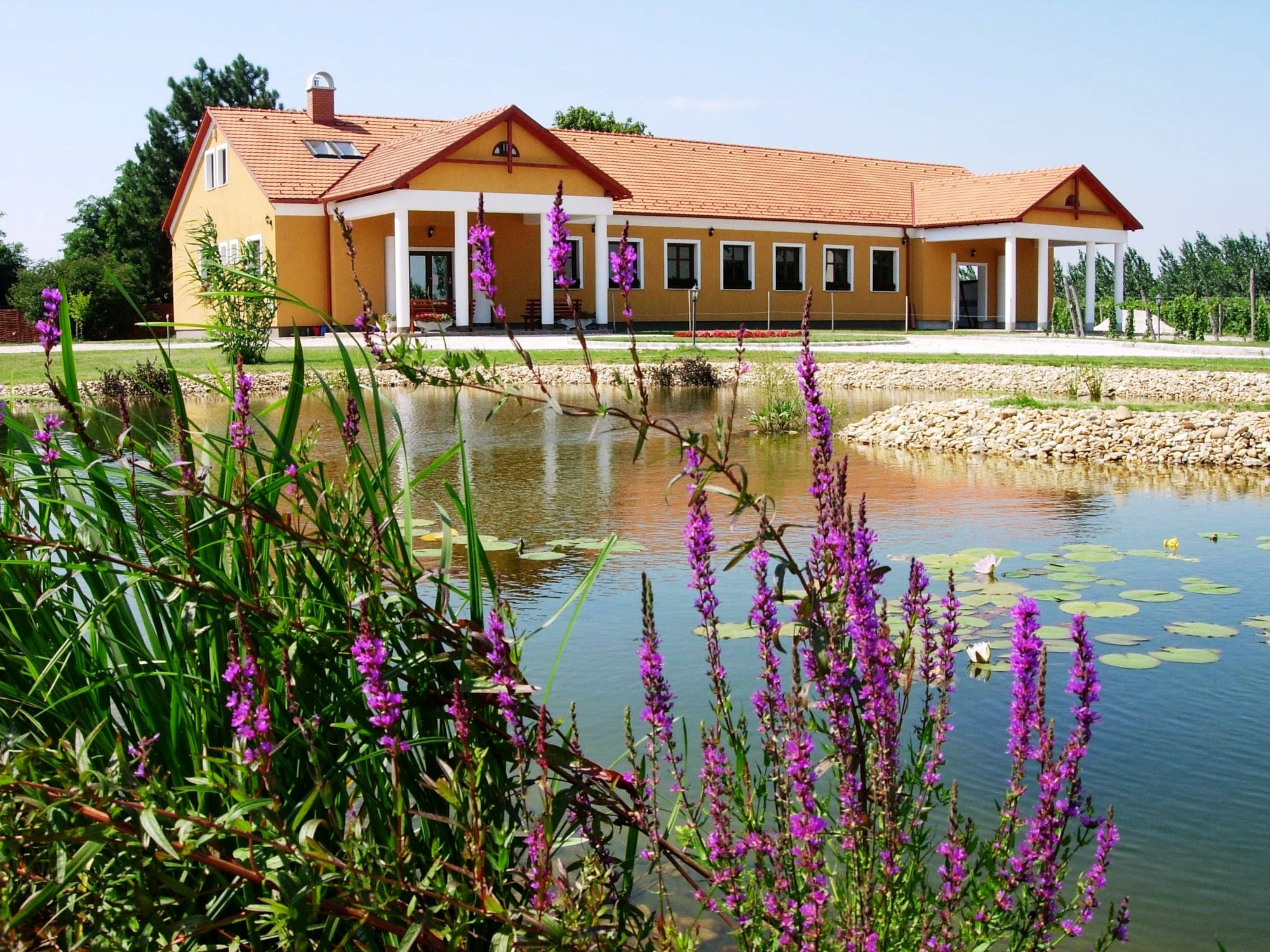
Gál Szőlőbirtok és Pincészet operates from Felsőlajos, a quiet agricultural settlement on the Hungarian Great Plain, and earned a Pearl 1 Star Prestige award in 2025. The recognition places it within a tier of Hungarian producers whose work is drawing attention outside the country's more established wine corridors. For visitors willing to look beyond the Tokaj axis, this winery represents a compelling detour into lesser-documented terroir.
Beyond the Tokaj Axis: Small Producers and the Hungarian Great Plain
Hungary's wine conversation defaults quickly to Tokaj. The volcanic soils of the Zemplén hills, the aszú tradition, and estates like Disznókő in Mezőzombor, Royal Tokaji in Mád, and Tokaj Hétszőlő in Tokaj have claimed the export narrative for decades. What that conversation crowds out is the quieter, slower work happening further south and west, on the flatter, sandier stretches of the Pannonian Basin. Felsőlajos sits in Bács-Kiskun county, on the Great Plain, a region whose viticultural identity is still being written by producers willing to work with its particular constraints: light, wind-exposed soils, continental temperature swings, and far less institutional prestige than Hungary's better-mapped appellations.
Gál Szőlőbirtok és Pincészet is one of those producers. Its 2025 Pearl 1 Star Prestige recognition signals that judges are paying attention to what is being made here. That kind of recognition, earned in a region that attracts less critical traffic than Eger or Villány, carries its own weight.
What Great Plain Terroir Actually Means
The Hungarian Great Plain, or Alföld, is not conventionally glamorous wine country. The soils are predominantly sandy loam and windblown sand, low in organic matter, and exceptionally free-draining. Those conditions have historically kept phylloxera at bay on ungrafted vines, a rarity in European viticulture, and they impart a particular character to the wines grown here: lighter body, high aromatic lift, and a freshness that heavier clay-loam regions rarely produce naturally.
Continental climate patterns push diurnal temperature ranges wide, especially in summer, which helps grapes retain acidity even as sugars accumulate. The combination of sandy structure and thermal variation tends to produce wines where fruit expression is direct and clean rather than layered in the brooding way Tokaj's volcanic substrate allows. They are not lesser wines for that; they are different wines, shaped by a different set of physical conditions, and the better producers in this corridor work with those conditions rather than against them.
Across the broader Hungarian winemaking spectrum, regions like Szekszárd (see Bodri Winery) and Villány (see Bock Winery) have made strong arguments for red wine seriousness, while Eger (see Bolyki Winery) continues to build its Egri Bikavér identity. The Great Plain's claim is more modest in profile but not necessarily in quality, and the 2025 award season is beginning to reflect that.
Recognition in Context: What a Pearl 1 Star Prestige Award Means
The award recognizes wine quality, consistency, and regional expression. A 1 Star Prestige designation in 2025 places Gál Szőlőbirtok és Pincészet within a tier of producers that have demonstrated a standard of work above regional-average benchmarks. It is not an isolated score on a single bottling; it reflects a body of work assessed across multiple expressions.
For context, the award puts this winery in conversation with a wider network of recognised Hungarian producers. Estates operating in the Tokaj corridor, such as Tokaj Oremus in Tolcsva and Árvay Winery in Rátka, bring the weight of a historically documented appellation to their credentials. A Great Plain producer earning comparable recognition does so without that structural advantage, which suggests the wines themselves are carrying the argument. Elsewhere in Hungary's smaller production tier, Carpinus Winery in Bodrogkisfalud and Béres Winery in Erdőbénye demonstrate that terroir-focused work in less-celebrated sub-regions can attract serious critical attention, and Felsőlajos fits that broader pattern.
Felsőlajos as a Wine Destination
Arriving in Felsőlajos requires intent. It is not on the wine-tourist circuit that flows through Eger or Tokaj, and that is precisely what defines the visit. The town sits approximately 90 kilometres south of Budapest in the sandy interior of Bács-Kiskun, reachable by car via the M5 motorway corridor. There is no established visitor infrastructure of the kind that surrounds larger appellations. What the area offers instead is unmediated access to the landscape itself: open, flat, with the particular sky that the Great Plain produces, wide and uninterrupted by topography.
For visitors planning around the winery, the logistics require advance preparation. Availability or format may change in the near term.
Visitors travelling through the region who want a broader picture of Hungarian winemaking can also consider comparing the Great Plain style against the western Hungarian profile of Babarczi Winery in Győr or the Zala county expression at Bussay Pince in Csörnyeföld. Both illustrate how Hungarian viticulture diversifies once you move away from the headline appellations. For those building a broader international frame of reference, Accendo Cellars in St. Helena and Aberlour in Aberlour sit at contrasting points in the global premium producer spectrum.
Why This Winery Matters Now
Hungarian wine's international profile is growing, but the growth has been uneven. Tokaj commands the column inches; Eger and Villány are building English-language audiences; the Great Plain remains a footnote in most international coverage. That gap between quality and visibility is precisely where interesting discoveries tend to cluster, and a 2025 award for a Felsőlajos producer is a data point worth registering.
The broader pattern across Central European wine is that smaller, less-celebrated regions are producing work that challenges the assumptions built around their more famous neighbours. Whether the mechanism is sandy soils escaping phylloxera pressure, continental climates delivering natural acidity, or simply producers with something to prove, the results are increasingly audited evidence rather than regional boosterism. Gál Szőlőbirtok és Pincészet's Pearl 1 Star Prestige sits within that argument as fresh evidence.
Planning Your Visit
Felsőlajos is a viable day-trip destination from Budapest for visitors with a car, though the journey and the character of the area reward a more deliberate approach than a quick afternoon run from the capital. The absence of a well-developed wine-tourism infrastructure in the surrounding area means this visit functions as a focused, single-producer trip rather than part of a structured wine-route itinerary.
Frequently asked
How would you describe the overall feel of Gál Szőlőbirtok és Pincészet?
This is a working agricultural winery on the Hungarian Great Plain, not a polished wine-tourism operation. Felsőlajos is a quiet settlement far from the coach-tour circuits of Tokaj or Eger, which means visits here feel closer to meeting a producer at the source than attending a curated experience. The Pearl 1 Star Prestige award (2025) signals quality that the setting does not advertise.
What accolades does Gál Szőlőbirtok és Pincészet have?
Gál Szőlőbirtok és Pincészet has received recognition including: Pearl 1 Star Prestige (2025).
What's the must-try wine at Gál Szőlőbirtok és Pincészet?
Specific varietal recommendations require winemaker and wine region data that EP Club does not currently hold for this producer. What is documented is a Pearl 1 Star Prestige award in 2025, which evaluates wine quality, consistency, and regional expression. When visiting, ask the producer directly which wine earned that recognition — that conversation will be more instructive than any list.
What's the standout thing about Gál Szőlőbirtok és Pincészet?
A Pearl 1 Star Prestige award in 2025 for a producer based in Felsőlajos is the clearest signal here. The Hungarian Great Plain does not carry the critical weight of Tokaj or Villány, which makes award-level recognition for a producer in this region genuinely significant. It points to wine quality that has been assessed independently, in a location most international visitors would not think to look.
How hard is it to get in to Gál Szőlőbirtok és Pincészet?
No booking details, website, or phone number are currently listed in public sources for Gál Szőlőbirtok és Pincészet.Small producers in Felsőlajos typically receive visitors by prior arrangement rather than walk-in, so attempting contact through local wine associations or Bács-Kiskun regional tourism channels before travel is the practical approach.Do not arrive unannounced.
Is Gál Szőlőbirtok és Pincészet one of the few award-recognised producers on the Hungarian Great Plain?
The Alföld has a genuine viticultural tradition, particularly in Bács-Kiskun county where sandy soils have supported vine-growing for generations, but producers here rarely surface in international award coverage. A Pearl 1 Star Prestige designation in 2025 puts Gálné Dignisz Éva among a small number of Great Plain wineries to earn formal recognition for quality and regional expression. That scarcity is worth noting for anyone tracking Hungary's wine story beyond Tokaj.
Any tips before I go to Gál Szőlőbirtok és Pincészet?
Drive rather than rely on public transport: Felsőlajos sits in Bács-Kiskun county, roughly 90 kilometres south of Budapest, and is not on any direct rail line to the winery.Combine the trip with other Bács-Kiskun producers to justify the journey, and confirm the visit is expected in advance given the absence of published contact details in the EP Club database.
How it compares
Gál Szőlőbirtok és Pincészet
- Cuisine
- Winery
- Price
- —
- Awards
- 1 recognition
- Notes
- Felsőlajos
Légli Ottó Pincészet
- Cuisine
- Olaszrizling, Riesling
- Price
- $$
- Awards
- 1 recognition
- Notes
- Balatonboglár
Figula Winery
- Cuisine
- Olaszrizling, Pinot Gris
- Price
- $$
- Awards
- 1 recognition
- Notes
- Balatonfüred
Weninger Winery
- Cuisine
- Blaufränkisch, Kékfrankos
- Price
- $$
- Awards
- 1 recognition
- Notes
- Balf
Pendits Winery
- Cuisine
- Furmint, Muscat Blanc
- Price
- $$
- Awards
- 1 recognition
- Notes
- Abaújszántó
Csetvei Pince
- Cuisine
- Ezerjó, Kékfrankos
- Price
- $$
- Awards
- 1 recognition
- Notes
- Mór