Chef in Residence
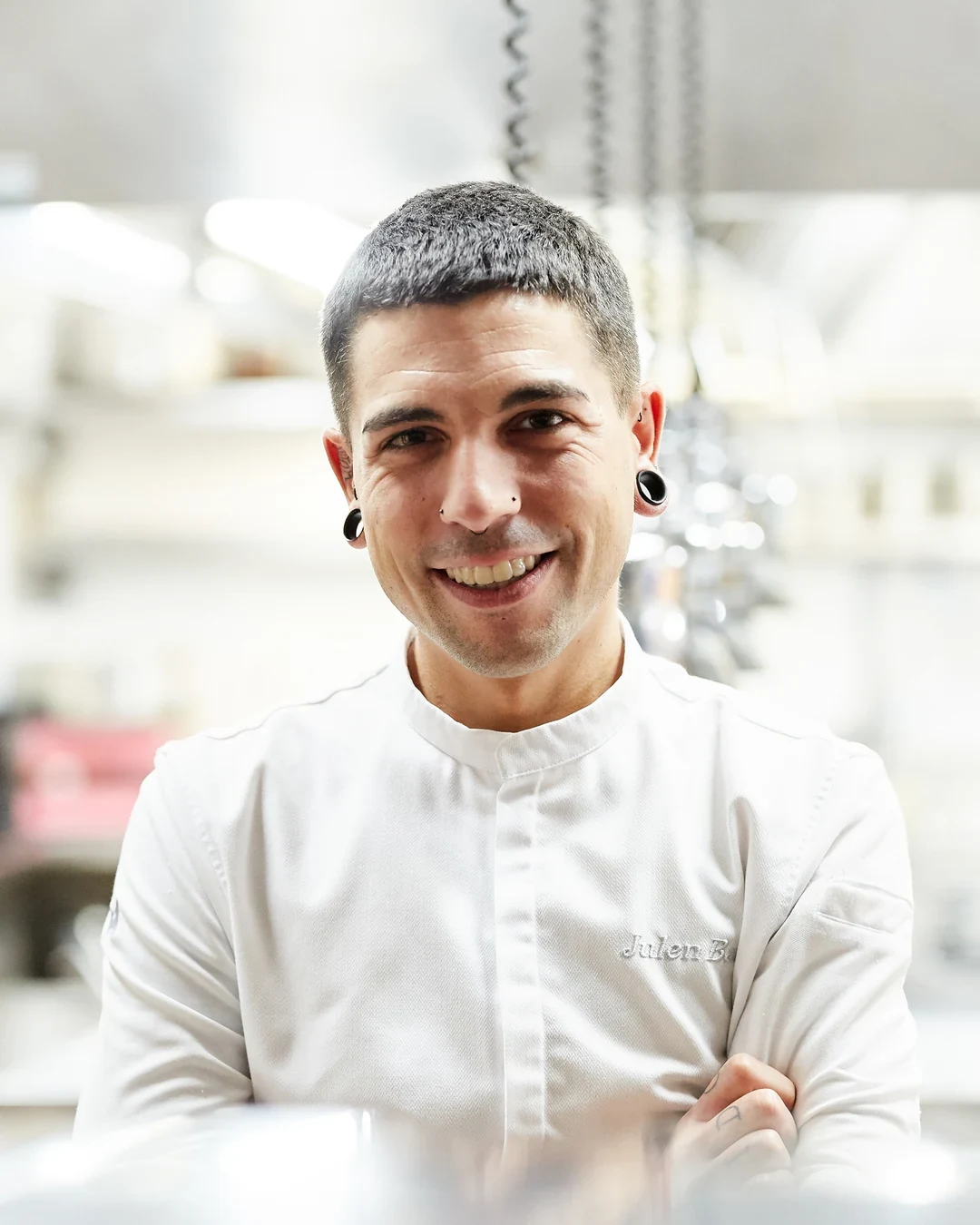
Julen Baz
Chef

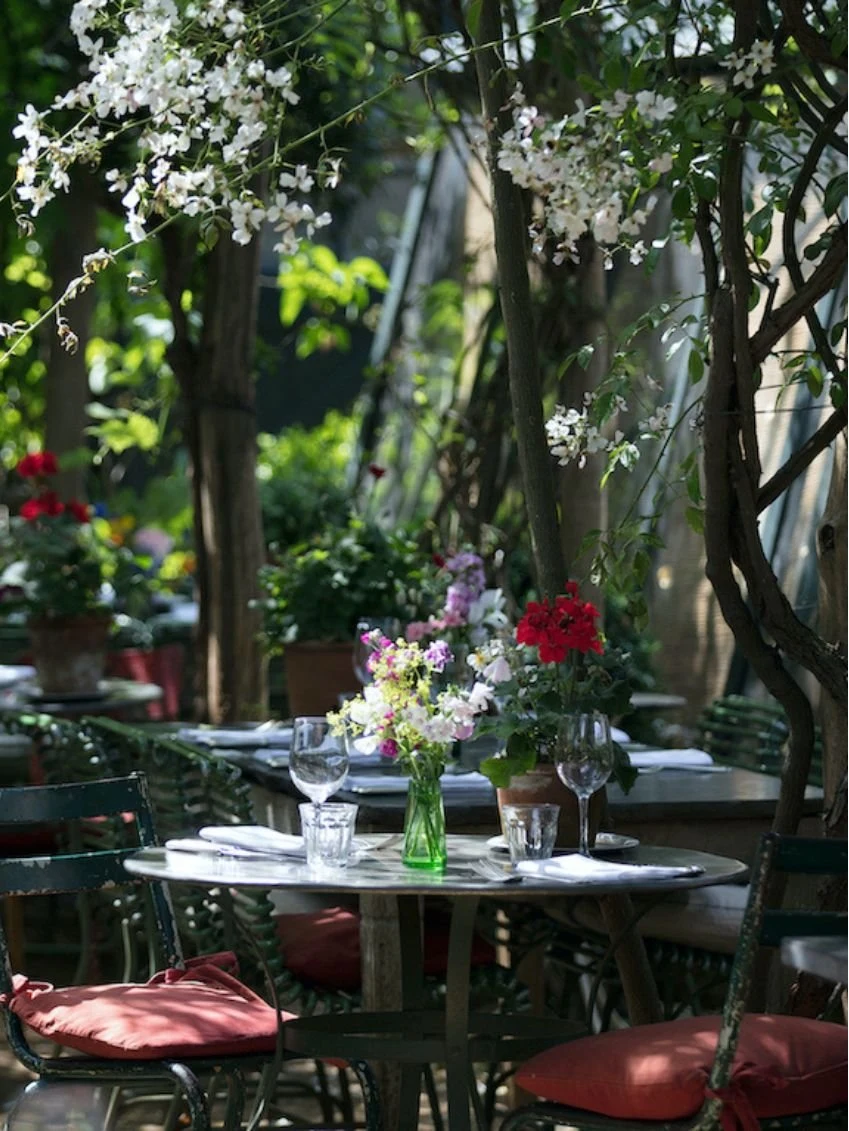
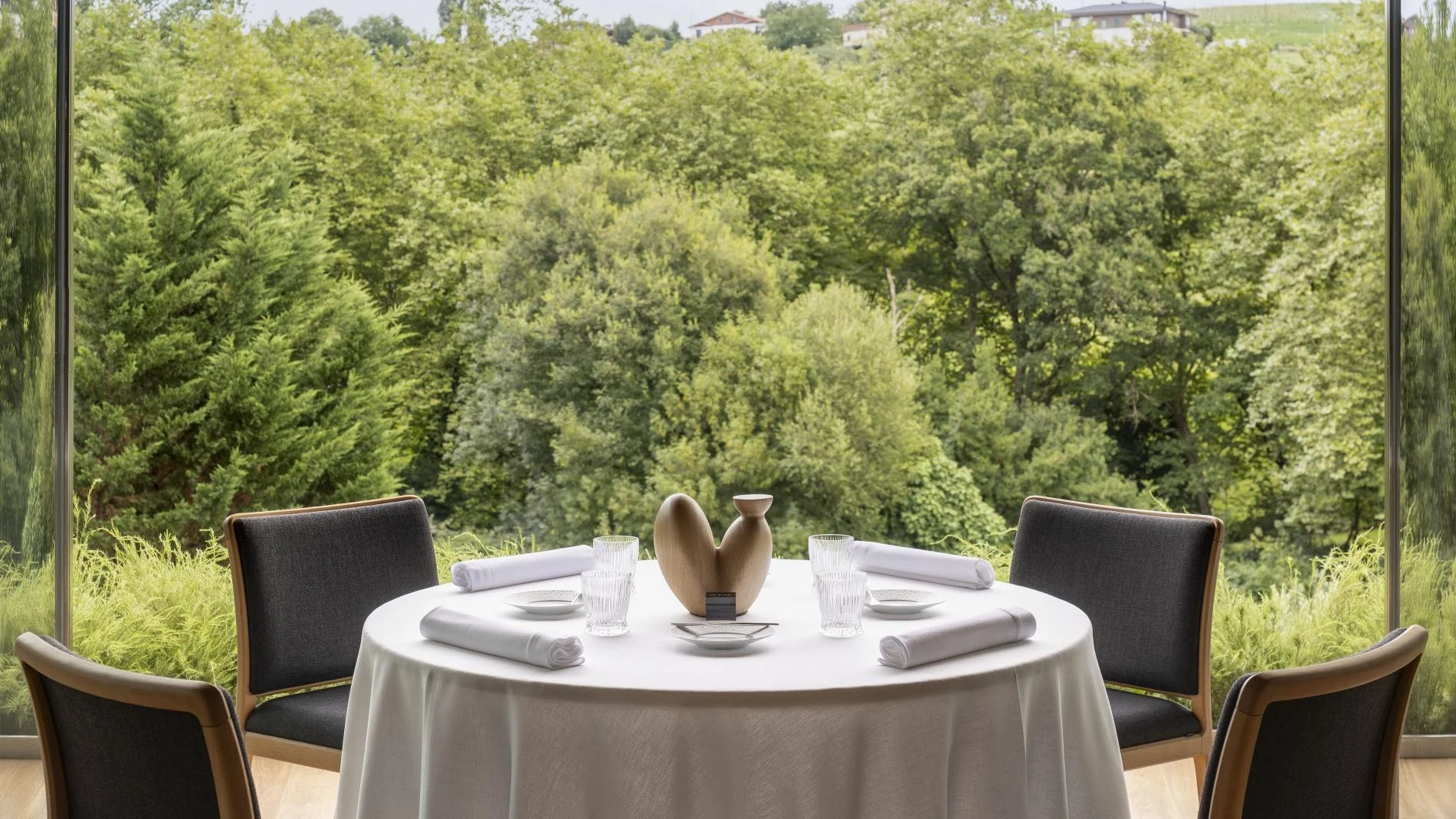
A 17th-century Basque farmhouse in the Arratia Valley, Garena holds a 2024 Michelin star for cooking rooted in the subsistence traditions of the baserri. Two tasting menus draw directly from the Mugarrieta cattle farm and local producers, served across an informal taberna and a formal first-floor dining room. The pre-service ritual of burning laurel branches has been practised here for generations.
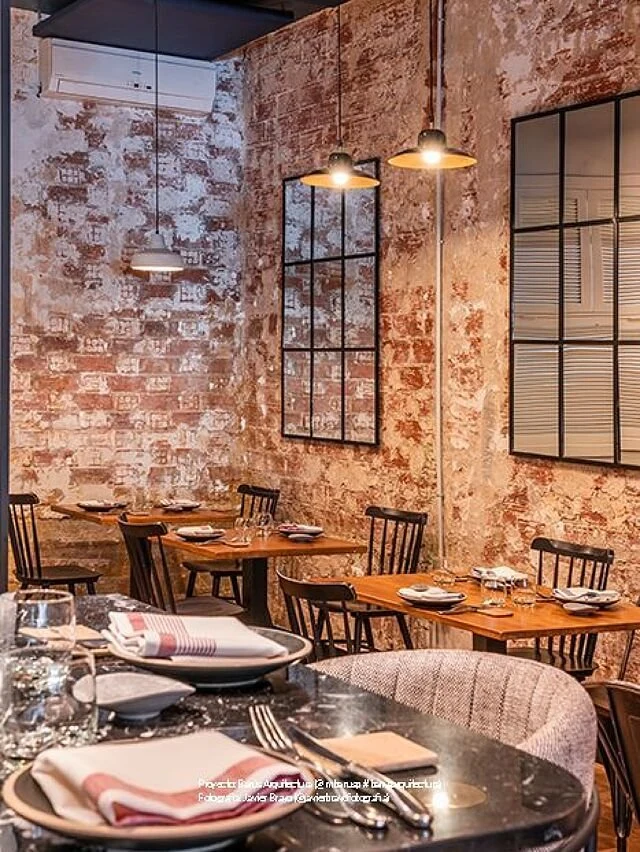
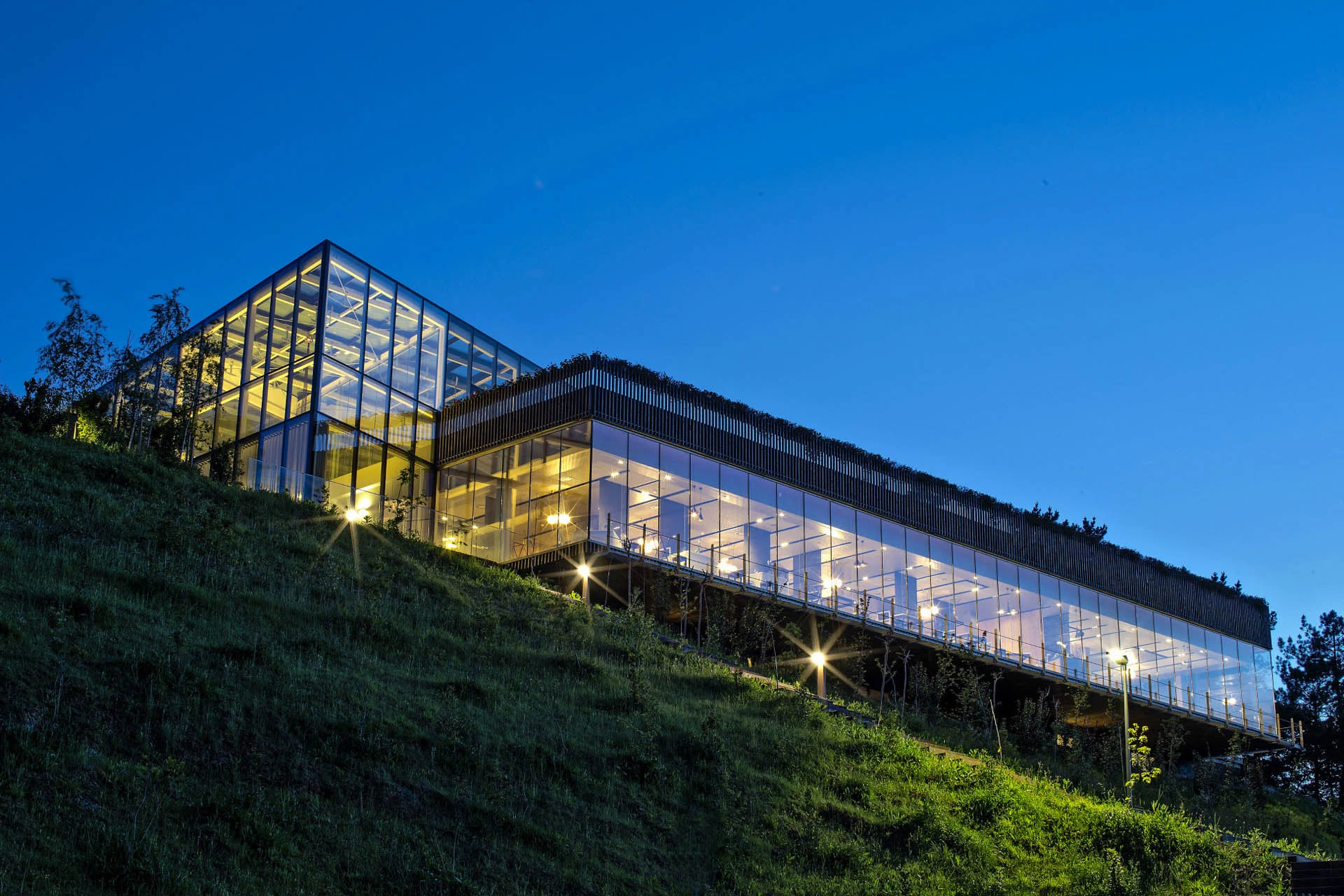
<h2>A Farmhouse at the Edge of the Arratia Valley</h2><p>The drive into the Arratia Valley, west of Bilbao in the province of Biscay, passes through a particular kind of Basque countryside: steep green hillsides, dispersed farmsteads, and the kind of silence that signals you have left the city's orbit entirely. The address for Garena, at Bº Iturriotz, 11 in Lamindao, points you to a 17th-century <em>baserri</em>, the traditional Basque country house, surrounded by vineyards and framed by the valley below. Before you reach the dining room, before a menu arrives, the building itself makes a statement about what kind of restaurant this is going to be.</p><p>The pre-service ritual at Garena has nothing to do with amuse-bouche or a sommelier's introduction. Laurel branches are burned before each sitting, a custom drawn from Basque rural tradition to ward off evil spirits. The practice predates the Michelin star. It also signals, more precisely than any menu description could, that this is a place where the history of the <em>baserri</em> is not decorative backdrop but operational reality.</p><h2>Where the Food Actually Comes From</h2><p>Premise of ingredient sourcing at Garena is grounded in something more specific than a general commitment to local produce. The Mugarrieta cattle farm is a named reference point for the kitchen: guests are offered context about native Basque cattle breeds as part of the dining experience, and that education is inseparable from what ends up on the plate. This is not the typical farm-to-table framing, where provenance appears as a footnote. Here, the supply chain is part of the curriculum.</p><p>Across northern Spain's premium dining scene, the sourcing argument has evolved considerably over the past two decades. Restaurants at the level of <a href="https://www.enprimeurclub.com/restaurants/azurmendi-larrabetzu-restaurant">Azurmendi in Larrabetzu</a> and <a href="https://www.enprimeurclub.com/restaurants/mugaritz-errenteria-restaurant">Mugaritz in Errenteria</a> have built international reputations on progressive cuisine that starts from Basque raw materials. Garena operates in a different register: the emphasis is not on transformation or technical innovation but on the integrity of subsistence cooking as it was practised on farmsteads like this one for centuries. The grilling focus attributed to Chef Julen Baz keeps the primary technique close to the ingredient rather than mediating between them with elaborate preparation.</p><p>Basic preserving methods are also part of what Garena communicates to its guests, extending the sourcing conversation beyond a single meal into the longer rhythms of seasonal Basque food culture. Cider, chilled and local, is integrated into the dessert pairing, which positions the beverage program as an extension of the same geographic logic as the food.</p><h2>Two Menus, Three Spaces</h2><p>Garena runs two tasting menus: Gurea and Garena. Both focus on subsistence cooking traditions specific to Basque farmhouses rather than on contemporary reinterpretation or pan-Iberian reference points. At the €€€€ price tier, this positions the restaurant within the upper bracket of Basque dining. Its Michelin star confirms what the format already implies: this is a serious kitchen operating with clear intent.</p><p>The physical layout of the building distributes different levels of formality across floors. The ground-floor <em>taberna</em> runs a more informal menu, appropriate for guests who want access to the kitchen's sourcing philosophy without committing to a full tasting sequence. The first floor holds the fine-dining restaurant, where the Gurea and Garena menus are served in full. A private space on the floor above that is typically reserved for groups, which makes Garena a workable option for celebratory gatherings or corporate events seeking an experience rooted in place. This tiered structure, informal below, formal above, private at the leading, mirrors the social architecture of the original farmhouse without forcing all guests into a single register.</p><h2>The Basque Farmhouse Tradition as Dining Category</h2><p>The <em>baserri</em> occupies a particular position in Basque cultural identity. These stone farmhouses, many dating to the 16th and 17th centuries, were the primary unit of rural economic and social life. Their kitchens ran on proximity: livestock kept close, garden produce preserved through winter, open fire as the central cooking technology. When contemporary restaurants in the Basque Country reference this tradition, they are drawing on a food culture with a documented continuity that stretches well before modern gastronomy's arrival.</p><p>At the three-star end of the Spanish spectrum, restaurants like <a href="https://www.enprimeurclub.com/restaurants/arzak-san-sebastian-restaurant">Arzak in San Sebastián</a> and <a href="https://www.enprimeurclub.com/restaurants/martin-berasategui-lasarte-oria-restaurant">Martin Berasategui in Lasarte-Oria</a> represent the point where Basque cuisine became a global export product. Garena operates closer to the source material: the claim is not to innovate on Basque tradition but to practise and transmit it. That is a meaningful distinction within a region that has generated more Michelin-starred restaurants per capita than almost any other on the planet.</p><p>For a wider view of Spain's contemporary dining scene, the range is broad. The technical ambition of <a href="https://www.enprimeurclub.com/restaurants/diverxo-madrid-restaurant">DiverXO in Madrid</a> or the ecological focus of <a href="https://www.enprimeurclub.com/restaurants/aponiente-el-puerto-de-santa-maria-restaurant">Aponiente in El Puerto de Santa María</a> sit at a considerable remove from what Garena is doing in the Arratia Valley. Even within the Basque Country itself, the contrast with <a href="https://www.enprimeurclub.com/restaurants/mugaritz-errenteria-restaurant">Mugaritz</a> is instructive: where Mugaritz pursues conceptual and textural experimentation, Garena's orientation is backward-looking by design. Both positions are coherent; they simply serve different arguments about what cooking is for.</p><p>Internationally, contemporary restaurants operating within a defined cultural inheritance, such as <a href="https://www.enprimeurclub.com/restaurants/jungsik-seoul-restaurant">Jungsik in Seoul</a>, navigate a similar tension between tradition and refinement. The farmhouse setting at Garena removes any ambiguity about which side of that tension the kitchen has chosen.</p><h2>Planning Your Visit</h2><p>Garena operates on a schedule that reflects its rural character and premium positioning. Lunch service runs from 1:30 PM to 3:30 PM on Monday, Thursday, and Friday. Saturday hours extend across the day from noon to 10:30 PM, and Sunday runs noon to 8:00 PM. Tuesday and Wednesday are closed. The condensed weekly schedule means advance planning is necessary, particularly for Saturday or Sunday visits, which represent the most accessible time windows for guests travelling from Bilbao or the broader Basque Country.</p><p>The address at Bº Iturriotz, 11, 48141 Lamindao, Biscay places the restaurant in genuinely rural terrain. This is not a country restaurant with a motorway nearby; the Arratia Valley requires a deliberate journey, which is part of the point. Guests who treat the drive as an inconvenience are probably better served by Bilbao's own dining scene. For those making a day of it, the valley itself offers context for the kitchen's sourcing logic in a way that no urban restaurant can replicate. The EP Club's Dima experiences guide covers what else the area supports.</p><p>Google reviews place it at 4.6. For wider comparative context across Spain's premium dining tier, the EP Club covers <a href="https://www.enprimeurclub.com/restaurants/el-celler-de-can-roca-girona-restaurant">El Celler de Can Roca in Girona</a>, <a href="https://www.enprimeurclub.com/restaurants/cocina-hermanos-torres-barcelona-restaurant">Cocina Hermanos Torres in Barcelona</a>, <a href="https://www.enprimeurclub.com/restaurants/quique-dacosta-denia-restaurant">Quique Dacosta in Dénia</a>, <a href="https://www.enprimeurclub.com/restaurants/ricard-camarena-valencia-restaurant">Ricard Camarena in València</a>, and <a href="https://www.enprimeurclub.com/restaurants/atrio-caceres-restaurant">Atrio in Cáceres</a>. For contemporary restaurant comparisons outside Spain, see <a href="https://www.enprimeurclub.com/restaurants/cesar-new-york-city-restaurant">César in New York City</a>.</p>
Garena's taberna on the ground floor operates with a more informal menu, which makes it more accommodating for families than the first-floor fine-dining room. That said, this is a €€€€ Michelin-starred venue built around structured tasting menus and a ceremonial pre-service ritual involving burning laurel branches, so the format works best for children who are comfortable at a measured pace. Saturday service runs from noon, which gives families a more practical window than the weekday 1:30 PM lunch slot.
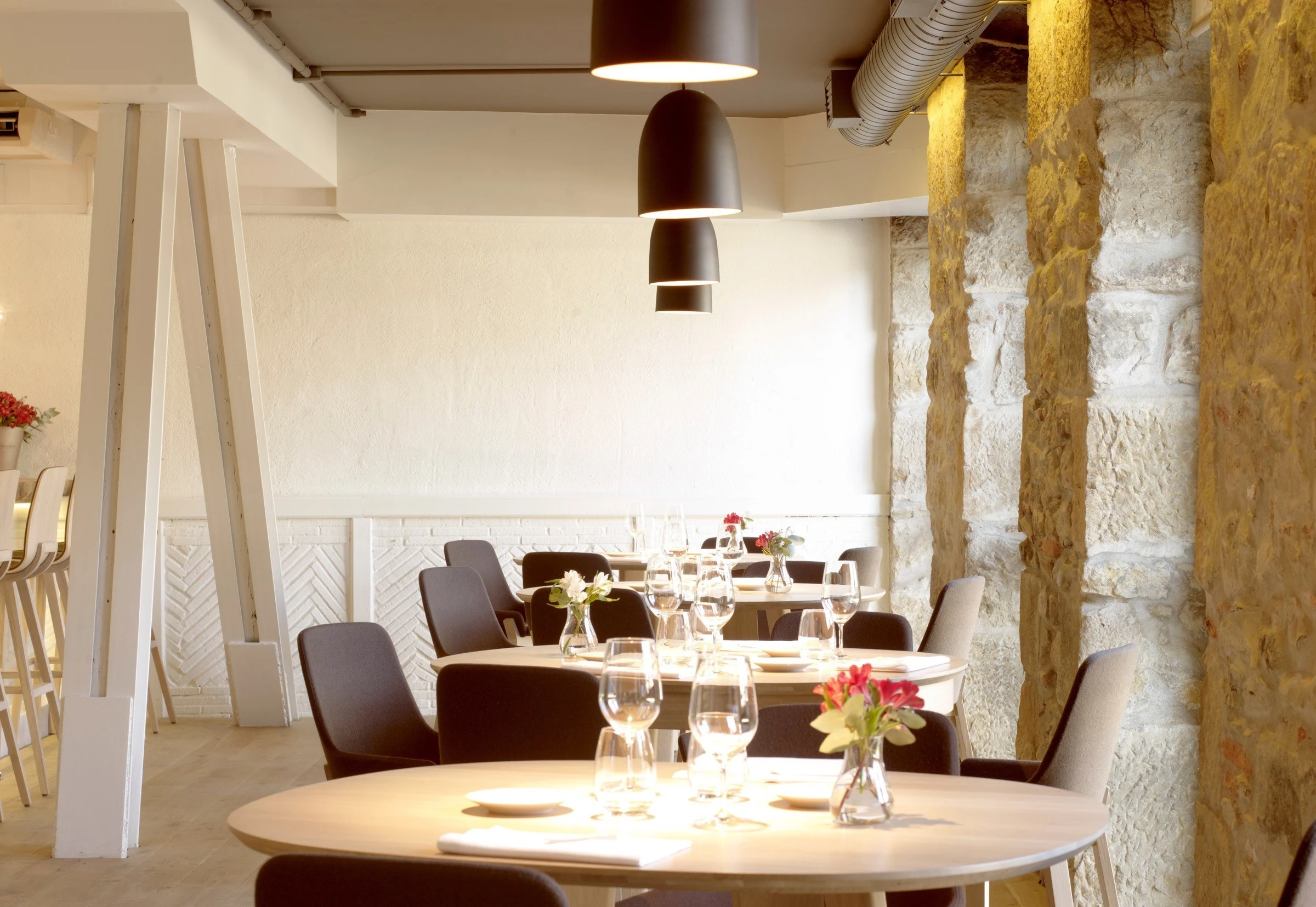
Garena occupies a 17th-century baserri — a traditional Basque stone country house — in the Arratia Valley outside Dima, surrounded by vineyards. The building divides into three distinct spaces: a ground-floor taberna for informal dining, a first-floor fine-dining room, and an upper floor typically reserved for private groups. Before each sitting, the house observes the ancestral custom of burning laurel branches, a practice specific to this farmhouse tradition rather than a performance invented for guests.
Garena has received recognition including: Garena Restaurant is a farmhouse located in the magical enclave of the Arratia Valley (Dima). Here, you can enjoy the cuisine of grandmothers and the culture of the farmhouse, in which you can savour...; If you’re on the lookout for a uniqu….
Garena's kitchen, led by Chef Julen Baz, centres on two tasting menus — Gurea and Garena — both built around Basque farmhouse subsistence traditions rather than a single signature plate. Grilled dishes are a noted focus, and the menus incorporate produce tied to the Mugarrieta cattle farm's native breeds as well as traditional preserving methods. Chilled cider is the documented pairing for desserts and worth factoring into how you order.
Pricing at Garena is listed as €€€€.
Bº Iturriotz, 11, 48141 Lamindao, Biscay, Spain

Japanese-influenced Californian Kaiseki
Single Thread Farm
Healdsburg, United States
★★★ · 50 Best

French Seafood Fine Dining
Le Bernardin
New York City, United States
★★★ · 50 Best

Modern Korean Tasting Menu
Atomix
New York City, United States
★★ · 50 Best

French
Sézanne
Tokyo, Japan
★★★ · 50 Best

Modern Seafood Fine Dining
Providence
Los Angeles, United States
★★★ · 50 Best

Contemporary Plant-Based Fine Dining
Eleven Madison Park
New York City, United States
★★★ · 50 Best