Made ByRestaurant
Gasthof Alex
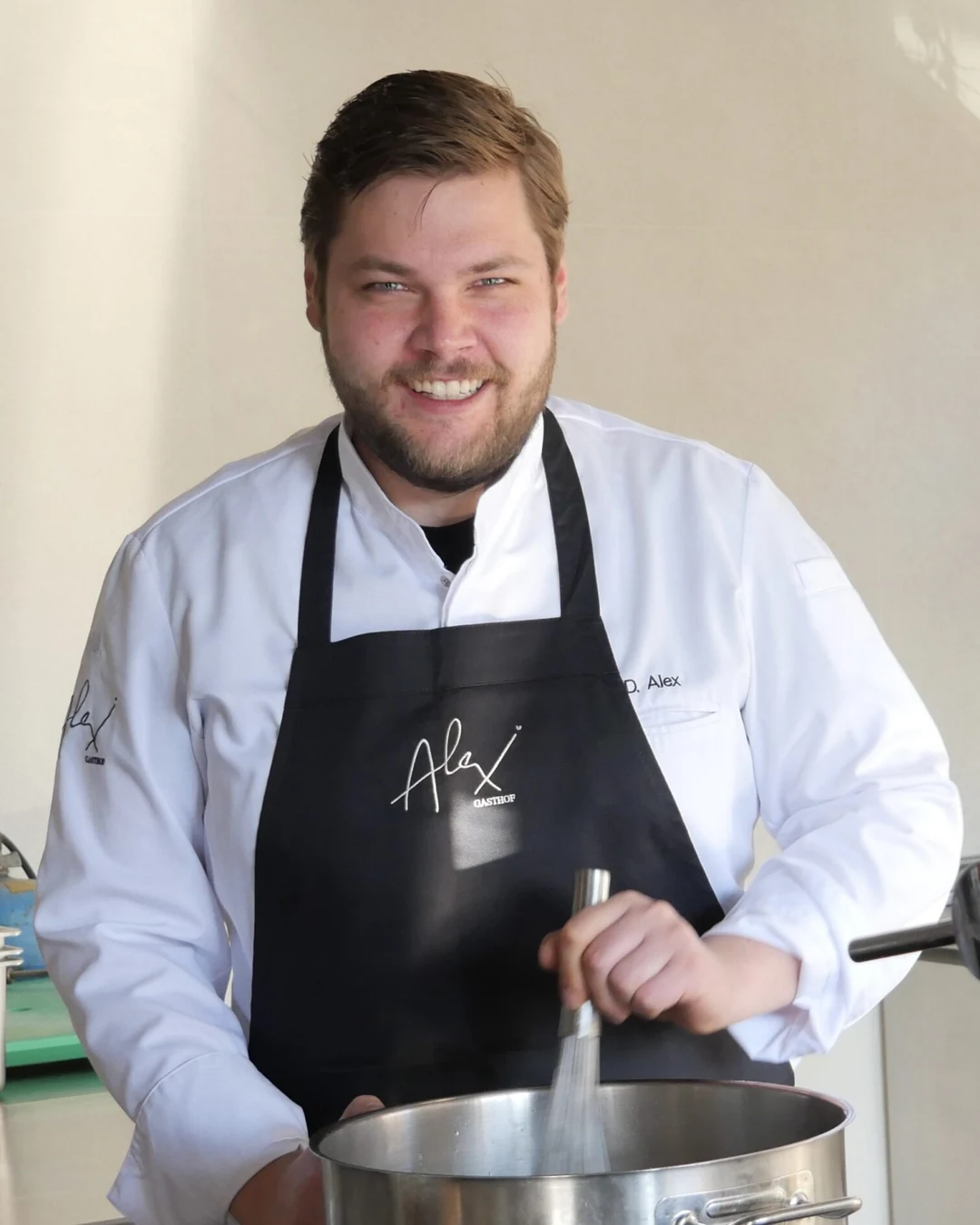
Chef in Residence
Domenik Alex
Chef
- 01CuisineFranconian Haute Cuisine
- 02CityWeißenbrunn, Germany
- 03RecognitionOne Michelin Star
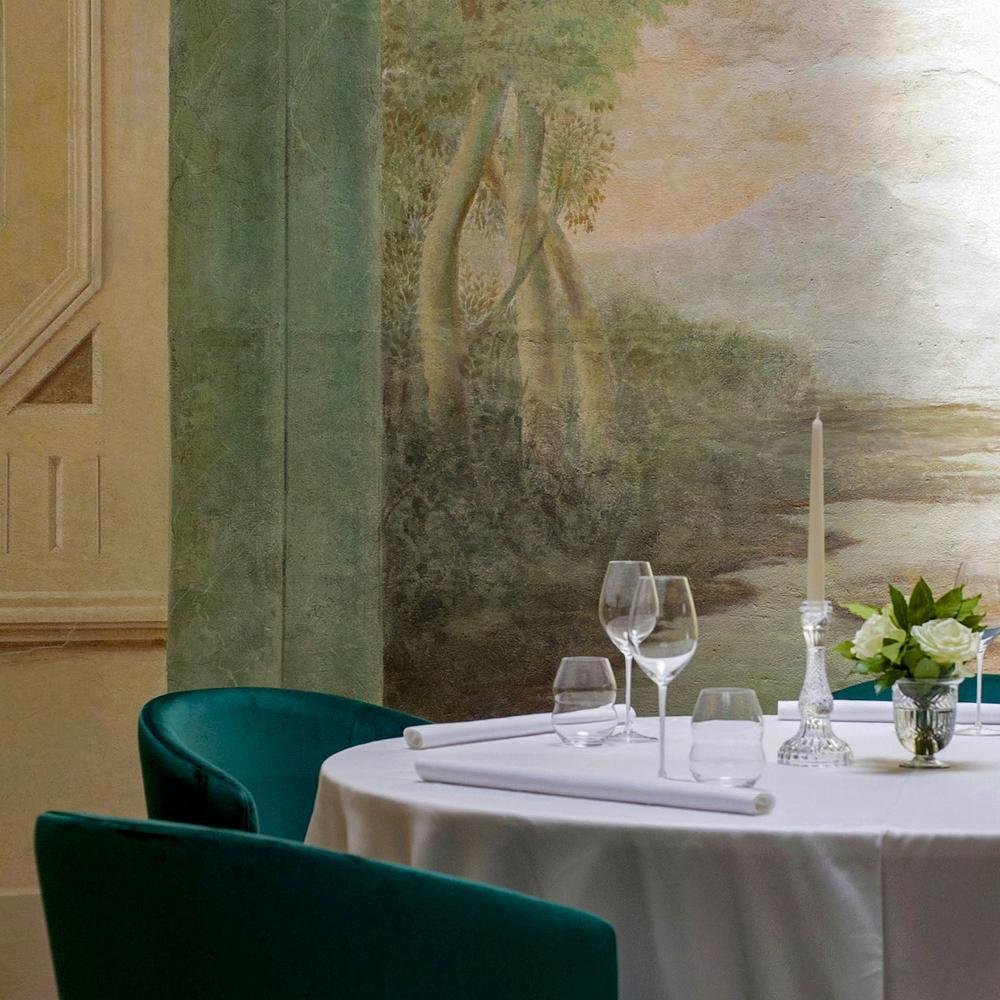
A Michelin-starred farmhouse restaurant in rural Upper Franconia, Gasthof Alex has held its star in both 2024 and 2025 under chef Domenik Alex, signalling consistent kitchen discipline rather than a one-season anomaly. The farm-to-table format here is shaped by the agricultural reality of the surrounding Frankenwald rather than trend-following, placing it in a small comparable set of destination restaurants that require real effort to reach, and reward that effort accordingly.
- 1 Michelin Star
At a glance
- Cuisine
- Franconian Haute Cuisine
- Price
- $$$$
- Per person
- $160
- Neighborhood
- Gössersdorf
<p>The approach to Gössersdorf tells you something before you eat a single course. Upper Franconia's Frankenwald region is not a place you pass through on the way to somewhere else. The villages here sit in forest-edged valleys, the agricultural calendar still shapes daily rhythm, and the nearest major city, Bamberg or Coburg, depending on your route, is a comfortable drive away. When a Michelin-starred restaurant operates from a farmhouse at Gössersdorf 25 in Weißenbrunn, it is making a deliberate statement about where serious cooking can happen and, more pointedly, where it should happen.</p><h2>Farm-to-Table in a Region Where That Phrase Still Means Something</h2><p>Across Germany's fine-dining tier, farm-to-table positioning has become a familiar claim, often applied loosely to menus that source one or two headline ingredients from a named producer. In Franconia, the term carries different weight. The region has a long tradition of small-scale agricultural production, livestock, root vegetables, forest produce, and a food culture that historically kept ingredients local out of necessity rather than ideology. Restaurants that build serious menus in this context are working with a supply chain that is genuinely short, which changes what the kitchen can and cannot do.</p><p>Gasthof Alex, under chef Domenik Alex, operates within this tradition rather than importing a metropolitan fine-dining framework onto a rural setting. At about €160 per person, it sits firmly in the serious-dining bracket. The farm-to-table designation at this price point (€€€€, placing it in the same tier as Germany's most decorated kitchens) signals a kitchen that is applying technical ambition to a regionally defined ingredient palette, rather than using locality as a marketing shorthand for a menu that could exist anywhere. For comparison, venues like <a href="https://www.enprimeurclub.com/restaurants/au-gre-du-vent-seneffe-restaurant">Au Gré du Vent in Seneffe</a> and <a href="https://www.enprimeurclub.com/restaurants/bok-restaurant-brust-oder-keule-munster-restaurant">BOK Restaurant in Münster</a> occupy a similar farm-driven category across Western Europe, but each is shaped by its own regional supply and climate context. Gasthof Alex's Upper Franconian setting gives it a distinct ingredient logic of its own.</p><h2>What Consecutive Michelin Stars Signal About Kitchen Discipline</h2><p>Michelin awarded Gasthof Alex a star in 2024 and 2025. A single star arriving at a rural farmhouse operation generates a certain amount of critical curiosity; retaining it the following year is a more meaningful credential. The Guide's retention criteria are, in practice, stricter than its initial award standards, inspectors return, and a kitchen that cannot sustain consistency across service does not hold its position. Two consecutive stars at this address indicate that whatever the kitchen is doing, it is doing it reliably.</p><p>At €€€€, Gasthof Alex prices itself against Germany's broader fine-dining tier rather than against local or regional competition. That bracket includes restaurants with multiple Michelin stars and substantially larger public profiles: <a href="https://www.enprimeurclub.com/restaurants/aqua-wolfsburg-restaurant">Aqua in Wolfsburg</a> (three stars, contemporary German with Japanese and Italian influence), <a href="https://www.enprimeurclub.com/restaurants/schwarzwaldstube-baiersbronn-restaurant">Schwarzwaldstube in Baiersbronn</a> (three stars, classic French), and two-star operations such as <a href="https://www.enprimeurclub.com/restaurants/vendome-bergisch-gladbach-restaurant">Vendôme in Bergisch Gladbach</a> and <a href="https://www.enprimeurclub.com/restaurants/coda-dessert-dining-berlin-restaurant">CODA Dessert Dining in Berlin</a>. Gasthof Alex sits one tier below these in star count, but shares their pricing level, which tells you something about how the kitchen positions the experience, and what it expects from guests in return.</p><p>Germany's Michelin constellation is well-distributed across the country. Beyond the obvious urban centres, starred restaurants appear in the Eifel, the Mosel valley, the Allgäu, and now with increasing consistency in Franconia. Venues like <a href="https://www.enprimeurclub.com/restaurants/jan-munich-restaurant">JAN in Munich</a>, <a href="https://www.enprimeurclub.com/restaurants/schanz-piesport-restaurant">Schanz in Piesport</a>, <a href="https://www.enprimeurclub.com/restaurants/waldhotel-sonnora-dreis-restaurant">Waldhotel Sonnora in Dreis</a>, and <a href="https://www.enprimeurclub.com/restaurants/bagatelle-trier-restaurant">Bagatelle in Trier</a> form part of a broader map of serious German cooking that extends well beyond Berlin and Munich. <a href="https://www.enprimeurclub.com/restaurants/essenz-grassau-restaurant">ES:SENZ in Grassau</a>, <a href="https://www.enprimeurclub.com/restaurants/restaurant-haerlin-hamburg-restaurant">Restaurant Haerlin in Hamburg</a>, and <a href="https://www.enprimeurclub.com/restaurants/victors-fine-dining-by-christian-bau-perl-restaurant">Victor's Fine Dining by Christian Bau in Perl</a> extend that picture further. Gasthof Alex fits this decentralised pattern: the Michelin geography of Germany increasingly validates the proposition that serious cooking happens far from metropolitan audiences.</p><h2>The Gasthaus Format as a Fine-Dining Vehicle</h2><p>There is a specific tension in operating a Michelin-starred restaurant within a Gasthaus framework. The Gasthaus is an intrinsically democratic institution in German-speaking culture, a place for regular eating, community gathering, and unpretentious hospitality. When a kitchen within that format pursues and achieves star recognition, it is navigating a real conceptual challenge: how to maintain the warmth and informality associated with the format while delivering the precision and consistency that Michelin rewards.</p><p>This is not a new negotiation in European fine dining. Some of the continent's most respected restaurants have operated within traditional inn or farmhouse structures, using the setting as a counterpoint to the technical ambition on the plate, rather than in spite of it. The effect, when it works, is that the physical environment reduces the formality pressure on the guest while the kitchen delivers food that could justify a much more austere room.</p><h2>Getting There and Planning the Visit</h2><p>Weißenbrunn sits in the Landkreis Kronach district of Upper Franconia, within Bavaria's northernmost administrative zone. It is accessible by car from Kronach (roughly 15 kilometres to the southwest) or from Coburg and Bamberg for those arriving by rail. The address at Gössersdorf 25 places the restaurant in a hamlet rather than the town centre, so navigation by GPS is the practical approach. Given the rural location and the price tier, this is a destination visit in the proper sense: guests plan the meal before they plan the journey, not the other way around.</p><p> For those building a wider Upper Franconian itinerary around the meal, our full Weißenbrunn restaurants guide, hotels guide, bars guide, wineries guide, and experiences guide cover the broader region in detail.</p>
Know before you go
- Dress code
- smart_casual
- Reservations
- essential
- Parking
- on_site_lot
- Payment
- credit_card, debit_card, cash
Frequently asked
Does Gasthof Alex work for a family meal?
The Gasthaus format carries an inherent informality that separates Gasthof Alex from more austere fine-dining rooms, and a 4.7 Google rating across a broad review base suggests the room reads as welcoming rather than exclusive. That said, the consecutive Michelin stars in 2024 and 2025 place it firmly in serious-dining territory, so families should expect a kitchen-led pace. Those travelling with children who can sit through a tasting-format meal are better positioned than those expecting a casual drop-in.
What's the overall feel of Gasthof Alex?
Gössersdorf 25 is a farmhouse address in a quiet agricultural municipality in the Frankenwald, and the setting shapes everything about how the restaurant operates. Chef Domenik Alex runs a farm-to-table programme at the €€€€ price tier, which means the produce sourcing is central rather than decorative. The result sits closer to the Nordic rural-fine-dining model than to a city bistro with Michelin credentials: the countryside is the context, not the backdrop.
Has Gasthof Alex won any awards?
Gasthof Alex has received recognition including: Michelin 1 Star (2025); Michelin 1 Star (2024).
What's the must-try dish at Gasthof Alex?
EP Club does not hold verified dish-level data for Gasthof Alex, so naming a specific plate would be speculation. What the 2024 and 2025 Michelin stars do confirm is that the kitchen's farm-to-table approach has passed scrutiny at the highest level of German restaurant inspection. At the €€€€ price point, the tasting menu is the format to commit to rather than ordering selectively.
Address
Gössersdorf 25, 96369 Weißenbrunn, Germany
Gössersdorf
How it compares
Gasthof Alex
- Cuisine
- Franconian Haute Cuisine
- Price
- $$$$
- Awards
- Michelin 1 Star
- Notes
- Gössersdorf
- Cuisine
- Modern German Fine Dining
- Price
- $$$$
- Awards
- Michelin 1 Star
- Notes
- Vorm Würzburger Tor
- Cuisine
- Modern Alpine Fine Dining
- Price
- $$$$
- Awards
- Michelin 1 Star
- Notes
- Munich Airport
- Cuisine
- Nordic-Influenced Creative Fine Dining
- Price
- $$$$
- Awards
- Michelin 1 Star
- Notes
- Altstadt (Old Town)
- Cuisine
- Classic German Fine Dining
- Price
- $$$$
- Awards
- Michelin 1 Star
- Notes
- Bernried
- Cuisine
- Modern German Creative Fine Dining
- Price
- $$$$
- Awards
- Michelin 1 Star
- Notes
- Grünkraut
In residence
Similar places
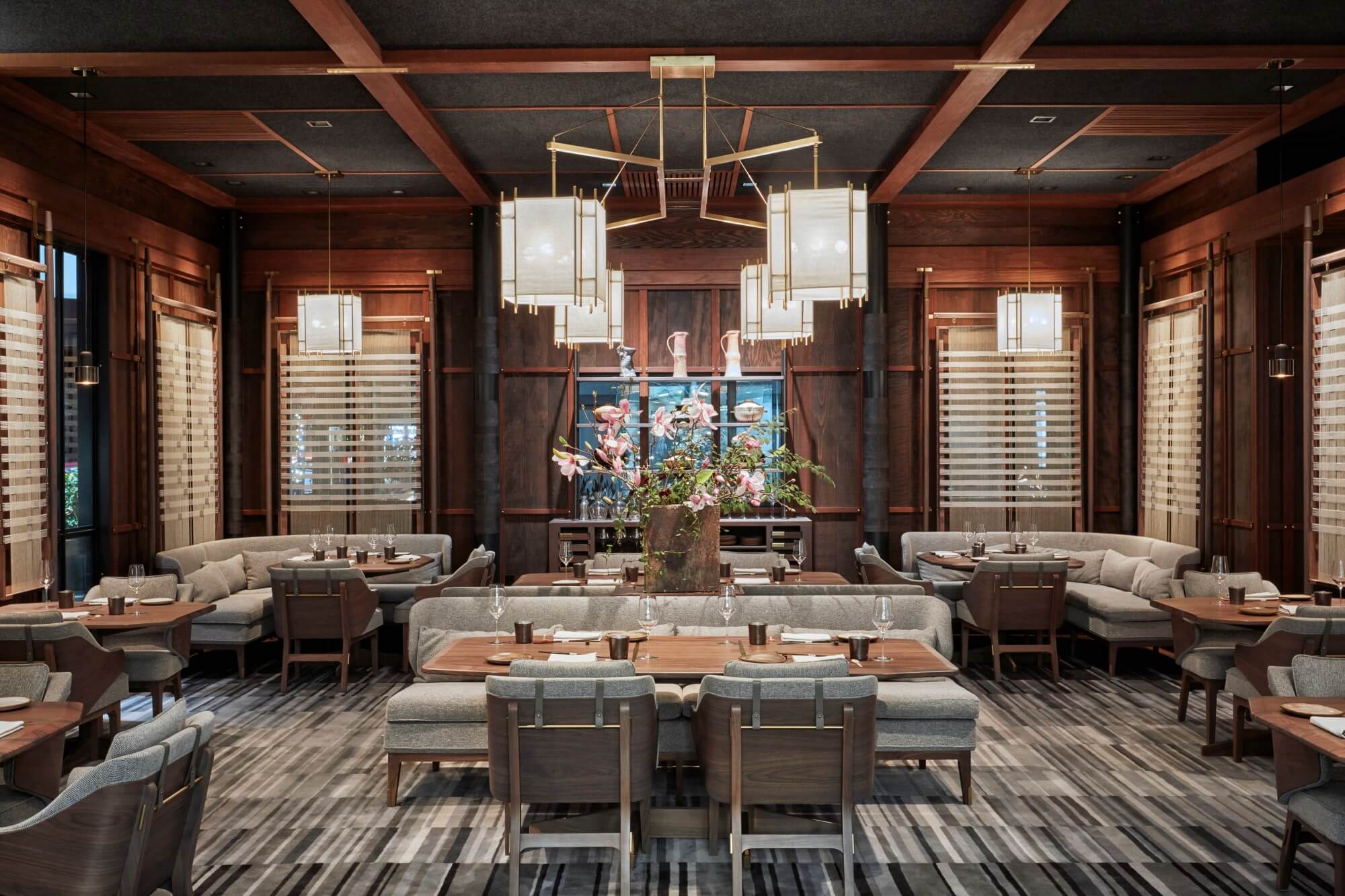
Japanese-influenced Californian Kaiseki
Single Thread Farm
Healdsburg, United States
★★★ · 50 Best
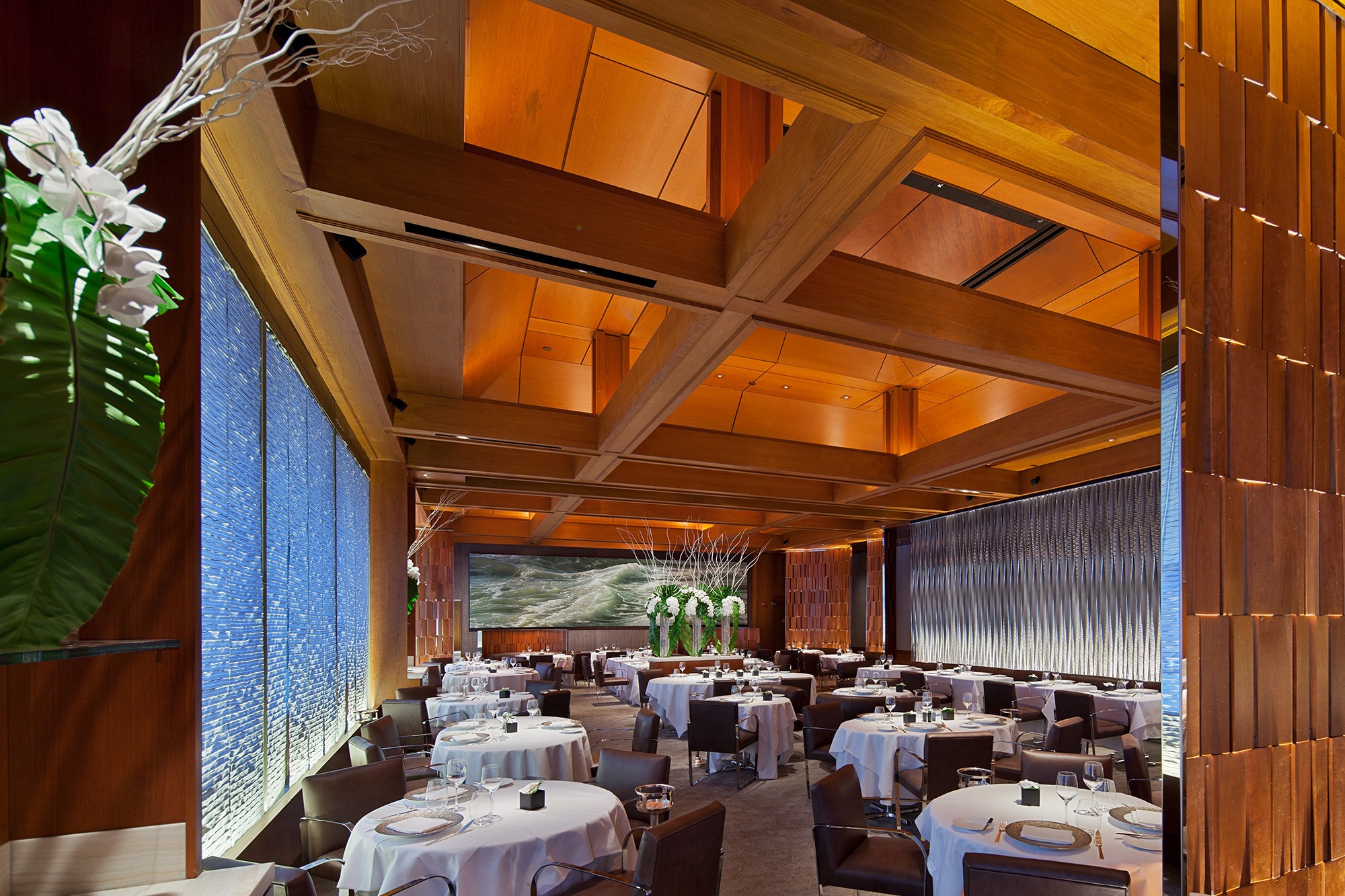
French Seafood Fine Dining
Le Bernardin
New York City, United States
★★★ · 50 Best
Modern Korean Tasting Menu
Atomix
New York City, United States
★★ · 50 Best
French
Sézanne
Tokyo, Japan
★★★ · 50 Best
Contemporary Plant-Based Fine Dining
Eleven Madison Park
New York City, United States
★★★ · 50 Best
Modern Seafood Fine Dining
Providence
Los Angeles, United States
★★★ · 50 Best