Made ByDistillery Tasting Room
Gatsios Distillery
- 01CityParamythia, Greece
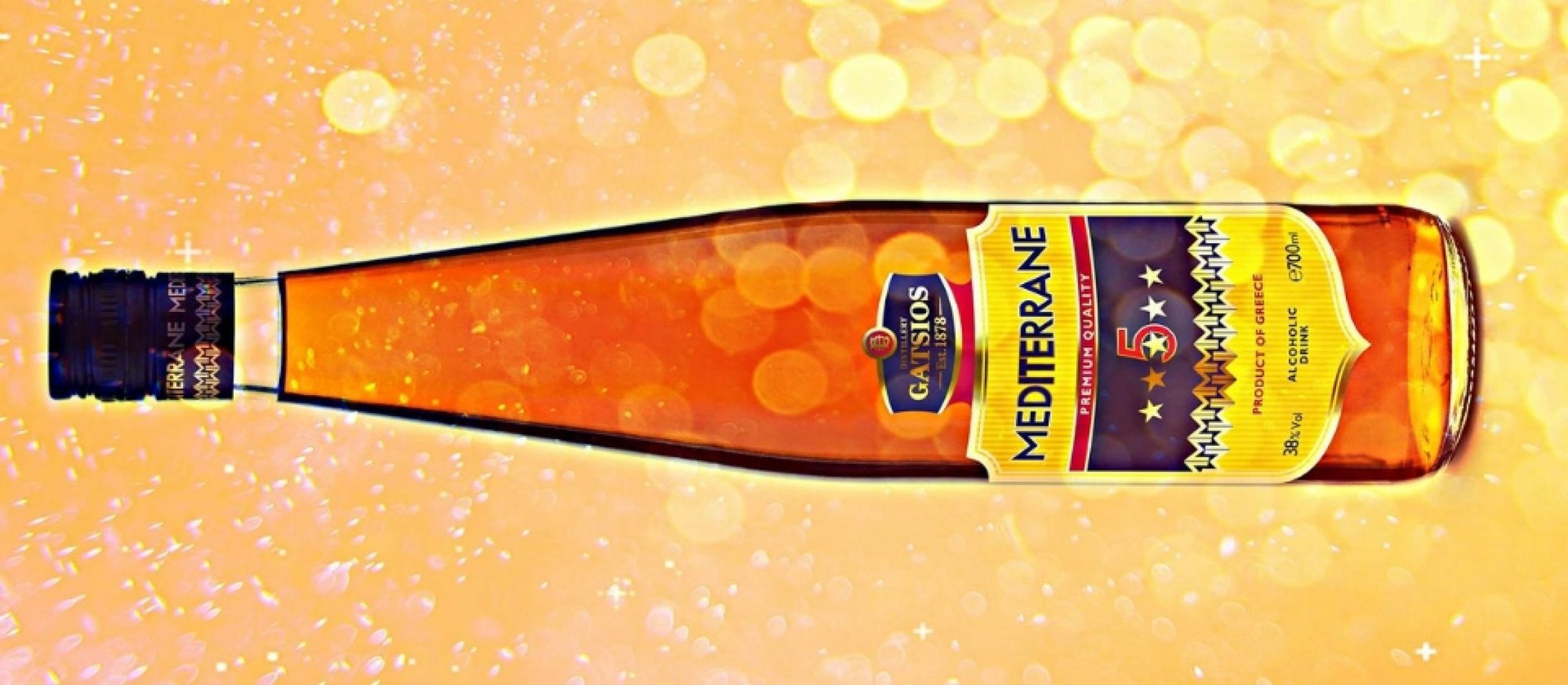
Gatsios Distillery sits along a rural road outside Paramythia in Epirus, a region whose highland geography and continental climate produce spirits and wines with a pronounced sense of place. Awarded a Pearl 1 Star Prestige in 2025, it occupies a tier of Greek producers where terroir expression and regional identity carry more weight than commercial scale. For visitors exploring northwestern Greece's emerging drinks scene, Gatsios is a substantive stop.
At a glance
- Hours
- Mon: 9 AM–5 PM; Tue: 9 AM–5 PM; Wed: 9 AM–5 PM; Thu: 9 AM–5 PM; Fri: 9 AM–5 PM; Sat: Closed; Sun: Closed
- Rating
- 4.5 (23)
Epirus and the Case for Northwestern Greek Terroir
Greece's wine and spirits map has long been read from south to north: Santorini's volcanic Assyrtiko, Nemea's Agiorgitiko, Naoussa's Xinomavro. Epirus, the mountainous northwestern region that borders Albania and the Ionian Sea, has taken longer to register on that map. The reasons are geographic and demographic rather than qualitative. The terrain is steep, the population sparse, and the infrastructure for tourism-facing producers arrived late. What that sequence of events produced, however, is a cohort of makers working with rare native varieties and altitude-driven growing conditions that are genuinely unlike those in Greece's more visited producing regions. Gatsios Distillery, located at 6o χλμ Άρτας – Νεοχωρίου in Arta, Greece, belongs to that cohort.
The address alone, kilometre six of a rural Epirote road, signals the operating logic here. This is a producer oriented around limited visitor volume rather than retail placement in Athens. The recognition it has earned comes through the quality of what is in the bottle, which makes its 2025 Pearl 1 Star Prestige award a useful data point: its 4.5 Google rating reflects positive visitor feedback.
What Epirote Terroir Actually Means
Terroir in Epirus is shaped by altitude, continental temperature swings, and a limestone-heavy geology that drains well and stresses vines productively. The Pindus mountain range creates a climate unlike the Mediterranean warmth that defines Greek viticulture in the public imagination. Winters are cold, growing seasons are compressed, and the diurnal temperature variation between day and night preserves acidity in ways that flatter aromatic varieties. Debina, the white grape native to the Zitsa appellation in the heart of Epirus, is the clearest expression of these conditions: it produces wines of high acid, moderate alcohol, and a minerality that reads differently from the volcanic-soil Assyrtiko style that has come to define Greek white wine internationally.
Distilling in this environment follows a parallel logic. The botanicals, water sources, and ambient conditions of highland Epirus give locally produced spirits a regional character that lowland or island production cannot replicate. Greek tsipouro, the pomace-based spirit that functions as the country's answer to grappa or marc, varies substantially by region, and Epirote versions tend toward the austere and aromatic rather than the sweet and soft styles found further south. This regional specificity is what separates producers like Gatsios from generic Greek spirits operations, and it is the primary reason the 2025 Pearl 1 Star Prestige designation carries weight: it signals that the terroir expression is legible and intentional, not incidental.
For comparison across Greece's producing regions, operations such as Abraam's Vineyards in Komninades and Akrathos Newlands Winery in Panagia demonstrate how regional character varies even within northern Greece, while Alpha Estate in Amyntaio shows what altitude viticulture in Macedonia produces by contrast. Internationally, the distillery comparable set extends to operations like Aberlour in Aberlour, where geographic specificity is also central to the product's identity, even if the spirit category and climate are entirely different.
The Setting: Rural Epirus at Kilometre Six
Arriving at Gatsios means driving through a landscape that has not been softened for tourism. The road from Arta to Neochori passes through the kind of Epirote countryside that defined the region before any designation or award existed: limestone outcrops, scrub vegetation, small holdings. The distillery sits at the sixth kilometre of that road, outside Paramythia's town limits, in conditions that are more working operation than destination venue. That physical reality is part of what the visit communicates. There is no curated arrival sequence, no designed vineyard walk, no branded hospitality pavilion. What exists is a producing facility in a landscape that shaped what it produces.
Paramythia itself is a small town in Thesprotia, the southwestern subregion of Epirus, with a history that runs through Byzantine and Ottoman periods and a built environment that reflects both. It is not a wine tourism hub in the way that Naoussa or Nemea function, which means visits to Gatsios happen in a different register: fewer organised groups, more individual travellers with a specific purpose. That dynamic tends to favour substantive engagement over the performance of hospitality. Visitors reaching this address in 2025 are, by the logistics of it, self-selecting for the actual product rather than the experience around it.
Placing Gatsios in the Greek Spirits and Wine Conversation
Greek distilling has occupied an underexamined position in the global premium spirits conversation. Ouzo has international name recognition, but tsipouro and tsikoudia, the pomace spirits of mainland Greece and Crete respectively, have travelled less effectively beyond domestic and diaspora markets. That gap is closing as craft spirits interest expands globally and as producers in regions like Epirus accumulate formal recognition. The 2025 Pearl 1 Star Prestige award positions Gatsios at the recognised end of that shift, alongside a small number of Greek operations earning comparable acknowledgment.
Across Greece's broader producing landscape, the comparison set is instructive. Established wine operations like Achaia Clauss in Patras represent the historically documented tier of Greek production, while newer estates such as Avantis Estate in Chalkida and Aoton Winery in Peania show how Attica and Central Greece are building recognition. Island production, represented by operations like Artemis Karamolegos Winery in Santorini, operates in a different terroir register entirely. Gatsios occupies the northwestern corner of this map, where the producing tradition is older than its current recognition level suggests and where the conditions for distinctive output are well-established even if the international audience is still arriving.
Other distillery comparisons within Greece include Apostolakis Distillery in Volos, which operates in Thessaly under different climatic conditions, and the broader wine context is enriched by operations like Acra Winery in Nemea, Aiolos Winery in Palaio Faliro, Anatolikos Vineyards in Xanthi, and Artisans Vignerons de Naoussa in Stenimachos. For a global reference point on what terroir-specific distilling looks like at the premium end of another tradition, Accendo Cellars in St. Helena offers a contrasting case study in how place-driven production earns formal recognition.
Planning a Visit
Gatsios Distillery sits at the sixth kilometre of the Arta-Neochori road, outside Paramythia in Thesprotia. No phone number or website is currently listed in public records, which means advance contact through local tourism channels or direct inquiry via the Paramythia municipality is the practical approach. Visiting western Epirus generally requires a rental car; public transport connections to Paramythia are limited. The nearest city with regular flight connections is Ioannina, roughly an hour's drive northeast. Given the rural address and the working nature of the facility, visits are leading planned with flexibility around operating hours rather than assuming drop-in access. The 2025 Pearl 1 Star Prestige recognition makes Gatsios a credentialed destination within what remains a low-volume, high-specificity regional circuit.
Frequently asked
What kind of setting is Gatsios Distillery?
Gatsios sits at the sixth kilometre of the Arta–Neochori road, outside Paramythia in the Thesprotia region of Epirus. The approach is rural and unmediated — limestone hill country that has not been developed for tourism. It is a working production site, not a visitor showcase, which is part of what earned it a Pearl 1 Star Prestige in 2025.
Where exactly is Gatsios Distillery?
Gatsios Distillery is located at 6o χλμ Άρτας – Νεοχωρίου, 471 00, Greece, Paramythia.
What recognition does Gatsios Distillery have?
Gatsios Distillery has received recognition including: Pearl 1 Star Prestige (2025).
What wines is Gatsios Distillery known for?
Gatsios is a distillery, not a winery, so wine production is not what defines it here. Its recognition — a Pearl 1 Star Prestige awarded in 2025 — is tied to spirits output in a region better known for its continental climate and limestone geology than for bottled wine.
What's the main draw of Gatsios Distillery?
The draw is geographical and categorial: Gatsios is producing spirits in Epirus, a region that has been largely absent from the international premium spirits conversation despite conditions that stress and concentrate botanical and grape character. The 2025 Pearl 1 Star Prestige marks it as one of the credentialled producers in northwestern Greece.
How hard is it to get in to Gatsios Distillery?
No phone number or website is currently listed for Gatsios, which makes advance contact difficult through conventional channels. Visitors planning a trip to Paramythia should factor in that this is a working rural distillery at kilometre six of the Arta–Neochori road, not a drop-in tasting room with set hours.
Why did Gatsios Distillery receive a Pearl 1 Star Prestige in 2025?
The Pearl 1 Star Prestige, awarded in 2025, places Gatsios among a small group of recognised Greek spirits producers outside the country's established ouzo and mainstream tsipouro belt. Operating from Paramythia in Thesprotia, the distillery works within Epirote terroir conditions — altitude, continental temperature range, limestone drainage — that are increasingly drawing scrutiny from spirits evaluators looking beyond the Aegean.
Address
6o χλμ Άρτας – Νεοχωρίου, Arta 471 00, Greece
How it compares
Gatsios Distillery
- Cuisine
- Winery
- Price
- —
- Awards
- 1 recognition
- Notes
- Paramythia
Zefyros Distillery
- Cuisine
- Winery
- Price
- —
- Awards
- 1 recognition
- Notes
- Athens
Orealios Gaea (Robola Coop)
- Cuisine
- Robola, Vostilidi
- Price
- $$
- Awards
- 1 recognition
- Notes
- Robola Zone
Markogianni Winery
- Cuisine
- Winery
- Price
- —
- Awards
- 1 recognition
- Notes
- Gastouni
Apostolakis Distillery
- Cuisine
- Muscat
- Price
- $$
- Awards
- 1 recognition
- Notes
- Nea Ionia
Spyropoulos Distillery
- Cuisine
- Winery
- Price
- —
- Awards
- 1 recognition
- Notes
- Patras