Made ByWinery
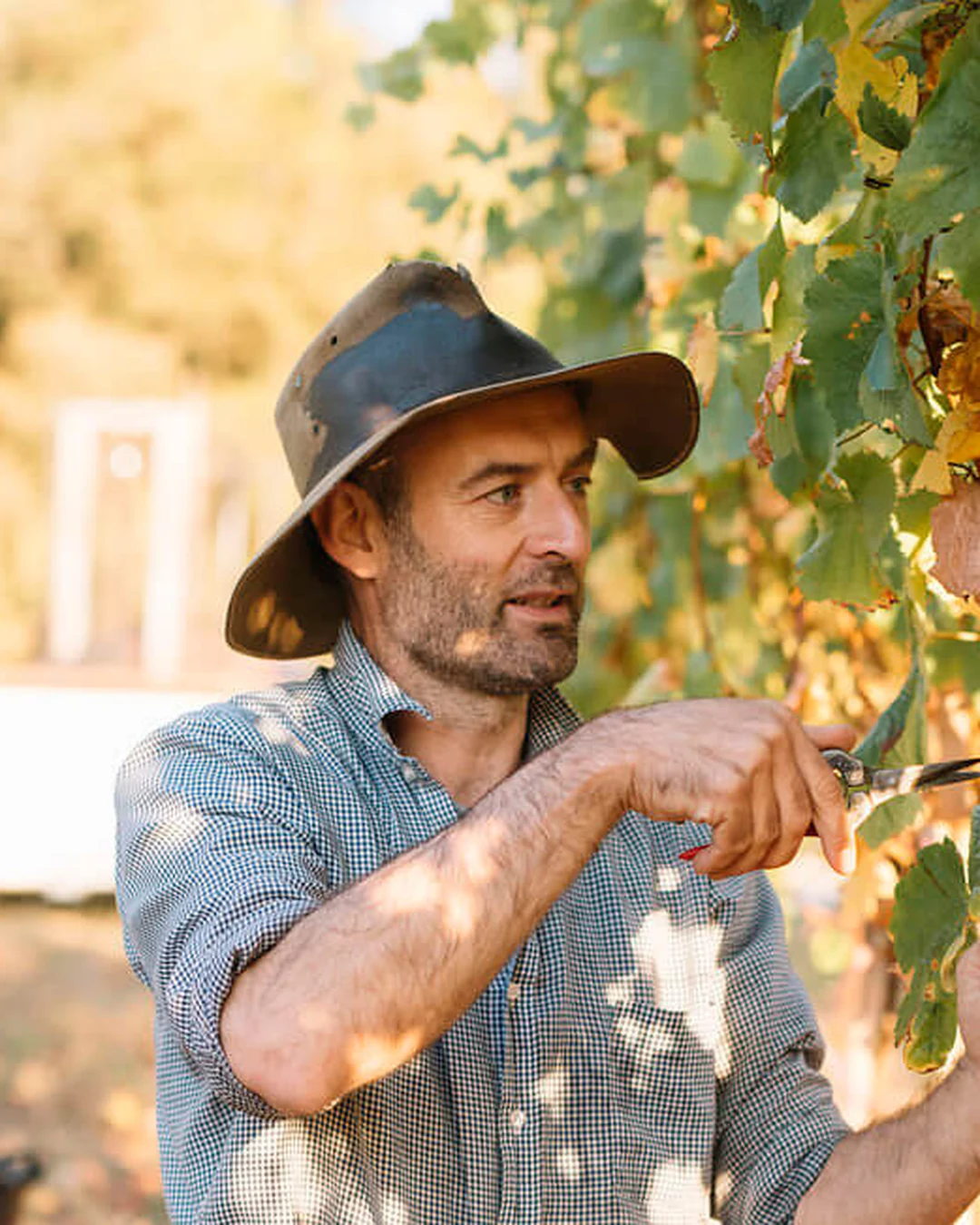

Andrew Marks, winemaker at Gembrook Hill Vineyard in Gembrook, works a 5-hectare Upper Yarra site from soil to bottle.
At a glance
- Price
- $$
- Neighborhood
- Gembrook
Secateurs before the cellar
Hand secateurs still set the pace for Andrew Marks, winemaker at Gembrook Hill Vineyard in Gembrook, where the vineyard work comes before the cellar. He works a family place first planted in 1983 by Ian and June Marks, on the southern fringe of the Upper Yarra, and now manages it from soil to bottle. That phrase matters here because the property does not present vineyard and winery as separate disciplines. The same attention moves from pruning cuts to ferments, from rootstock choice to the final shape of Pinot Noir, Sauvignon Blanc, Chardonnay, and Blanc de Blancs. Marks studied at University of Adelaide, and his practice now runs across Gembrook Hill, his own label The Wanderer, and MGC gins. At Gembrook Hill, though, the inheritance is local and physical: old rows, young plant material, volcanic soil, a marginal site that asks for patience. IJM makes that lineage plain, drawing from three of the oldest rows on the property and a few of the youngest vines, carrying a father’s initials through a son’s decisions in the cellar.
Five hectares, later ripening
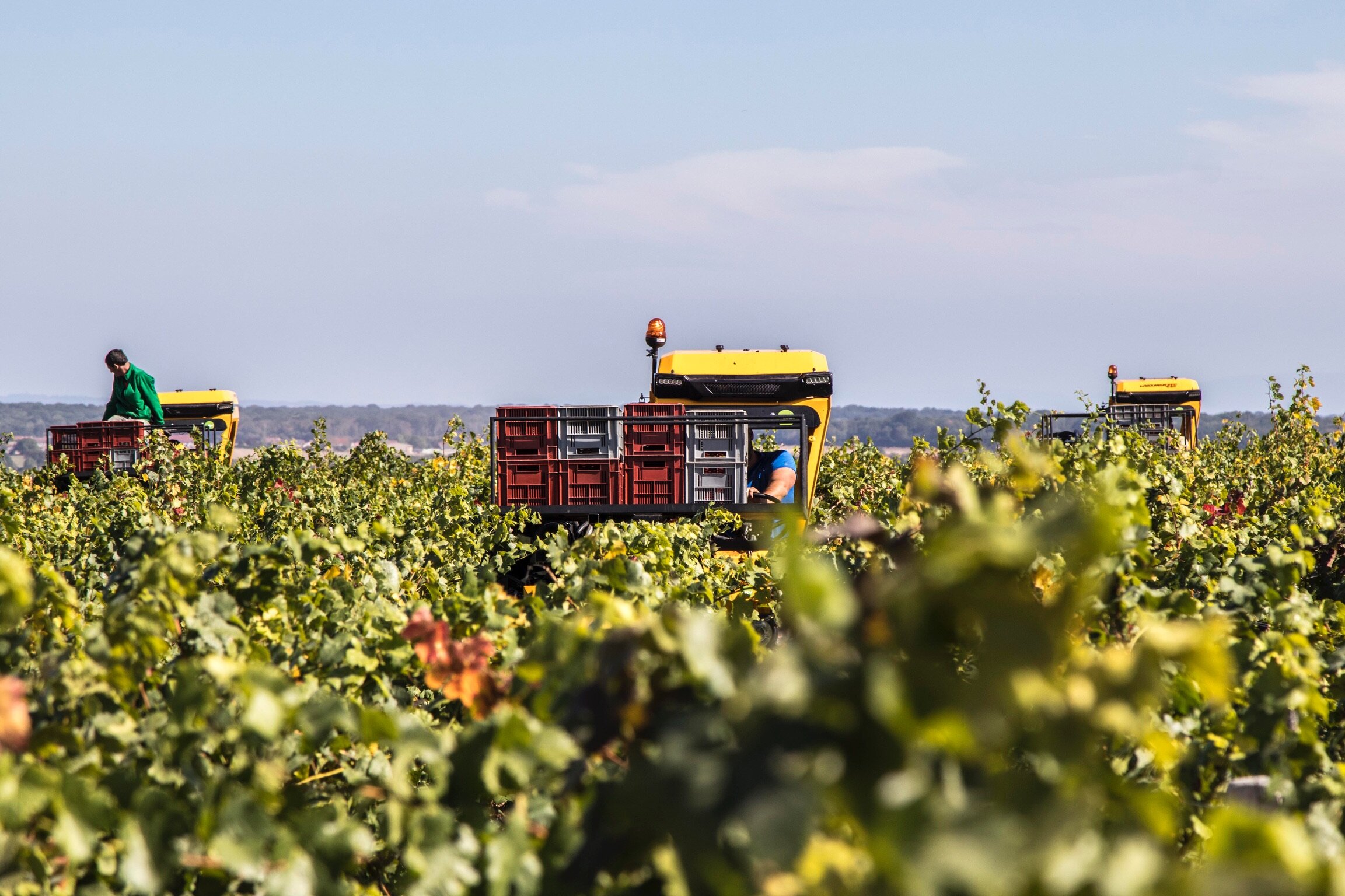
The estate is small, 5 hectares in a natural amphitheatre, with the oldest vines now 42 years old and an average vine age of 34 years. Its southern position in the Yarra Valley gives it a cooler, later season, with a ripening window up to a month behind the valley norm. Rainfall sits around 400 mm per year above the Yarra floor, and the deep red volcanic soils give the site both energy and constraint. Because the vineyard is dry-grown, water stress is not an abstract concern. It has shaped rootstock choices, including 10114 rootstock plantings begun in 2014 and newer 2021 plantings on more vigorous rootstocks better suited to the vineyard’s conditions. The craft here is protective as much as expressive. Gembrook Hill has adopted Poussard pruning to preserve sap flow, and its trunk renewal program addresses Eutypa by training water-shoots alongside old trunks for approximately four years before cutting out the affected wood. In June 2025, around 10 tonnes of old trunks came out of the pinot noir block after the method had already been used on chardonnay.
Two readings of one site
The cellar follows the vineyard rather than overriding it. The house works with minimal manipulation when the season allows, but the detail lies in how each block and age of vine enters the blend. IJM Pinot is 60 percent fruit from the oldest vines combined with the youngest, 100 percent destemmed, with no new oak. JKM takes a different line: denser fruit from new plantings ferments 100 percent whole-bunch, while older vine fruit is destemmed and handled with more intervention. Those choices do not turn the wines into opposites. They read as two bench-side studies of the same amphitheatre, one leaning into clarity and old-vine memory, the other into structure, tannin, and the density of newer plantings. The arrival of MV6 on rootstock has added another layer to the blending, giving Marks more texture to work with without loosening the estate’s compact frame.
The quiet of the Upper Yarra fringe
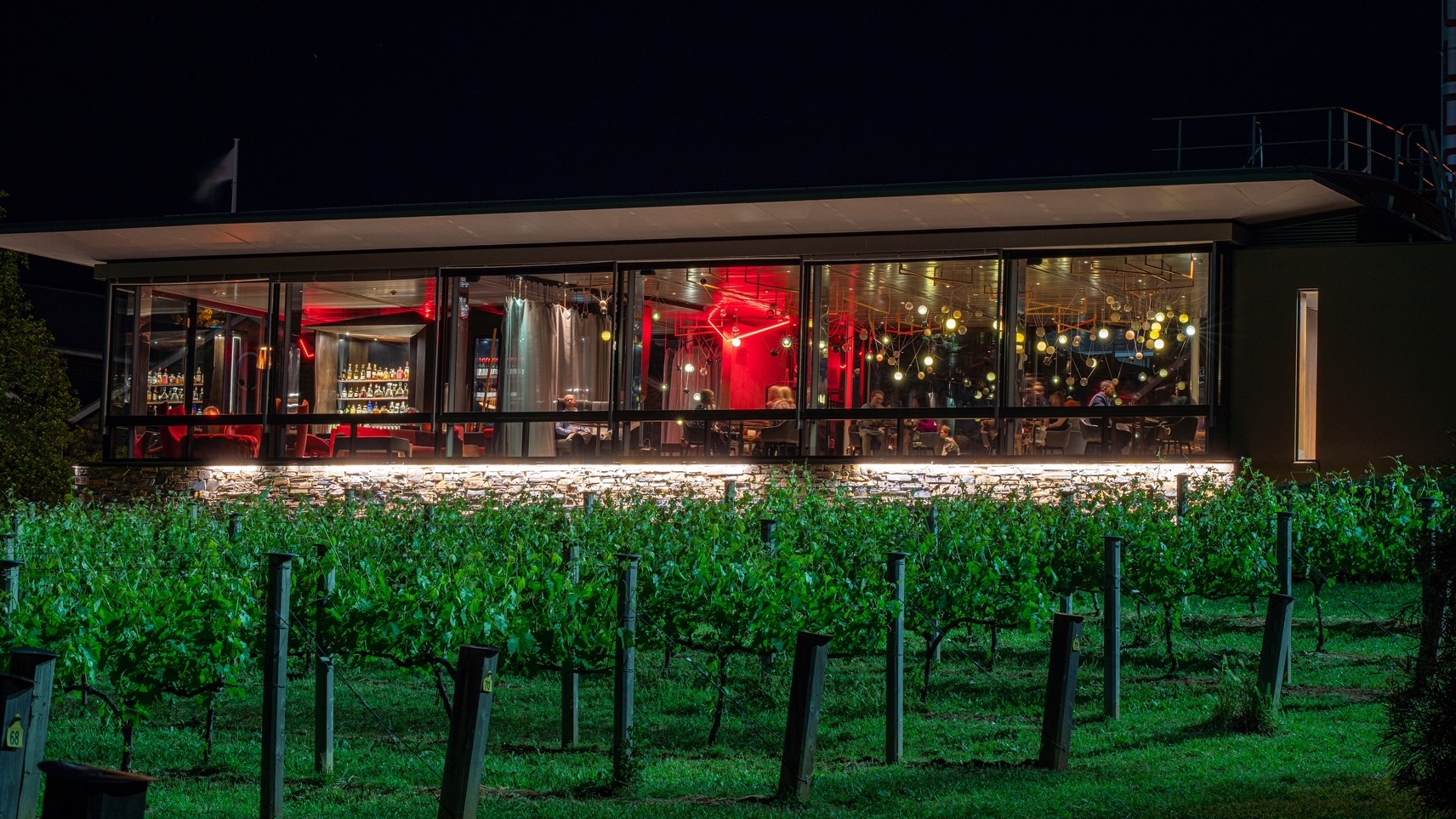
The vineyard has the feel of a place where weather is part of the program. The room, if one can call it that, is the slope itself: cool air held by the amphitheatre, old trunks beside trained water-shoots, rows carrying unnamed clones that the family has grafted onto rootstocks in preparation for phylloxera’s eventual arrival. Hospitality details sit lightly around the work; the stronger impression is of a property built to keep its vines alive and legible. Marks has said, “As a winemaker, every year we are striving to make the perfect wine. And even though we all know that the perfect wine doesn’t exist it doesn’t stop us from trying!” At Gembrook Hill, that trying remains tied to pruning wounds, dry-grown roots, and IJM.
Know before you go
- Dress code
- casual
- Reservations
- appointment_only
Address
Gembrook, Northern Territory, Australien
Gembrook