
- Falstaff Winery - Listed · 2026
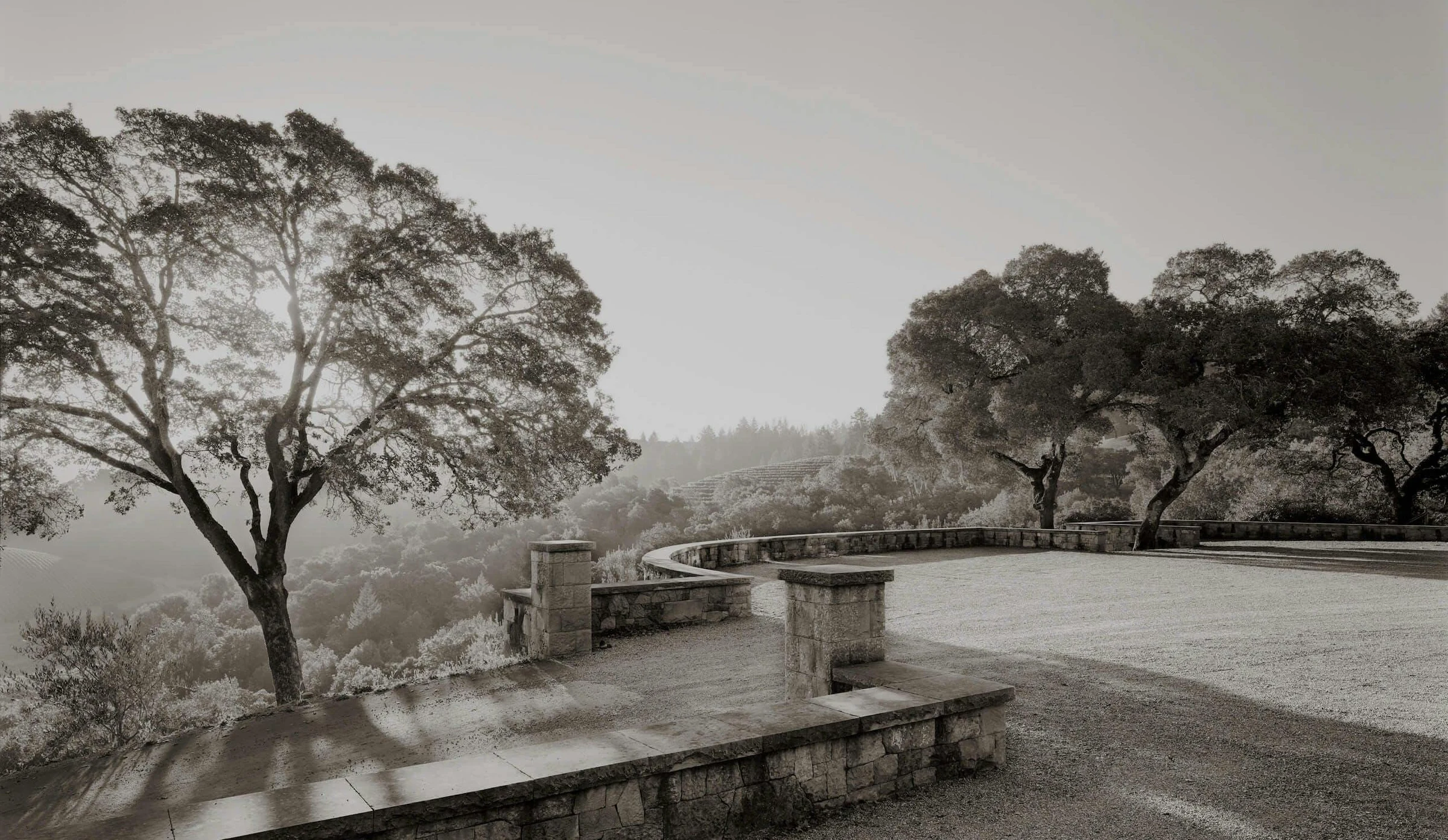
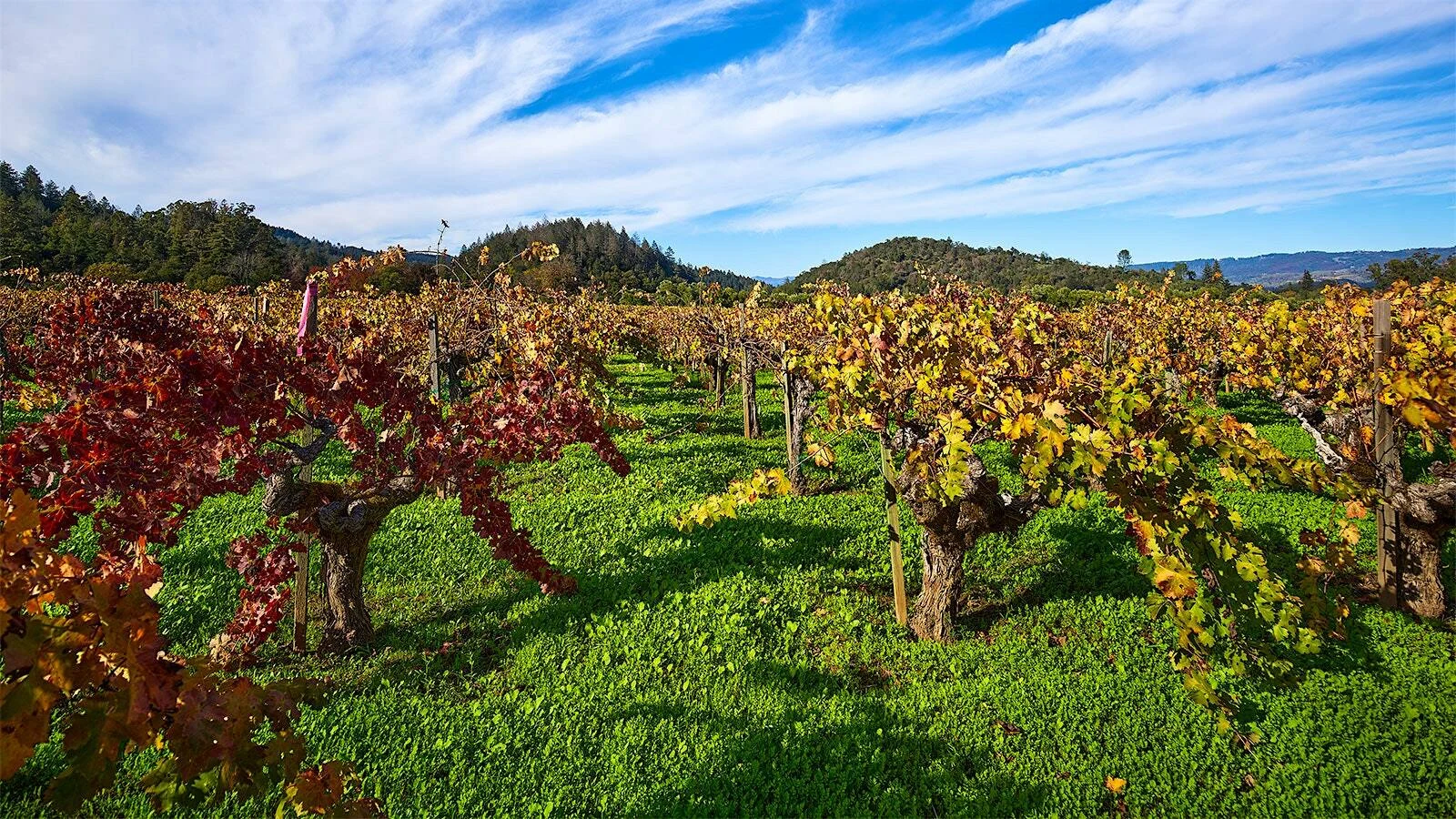
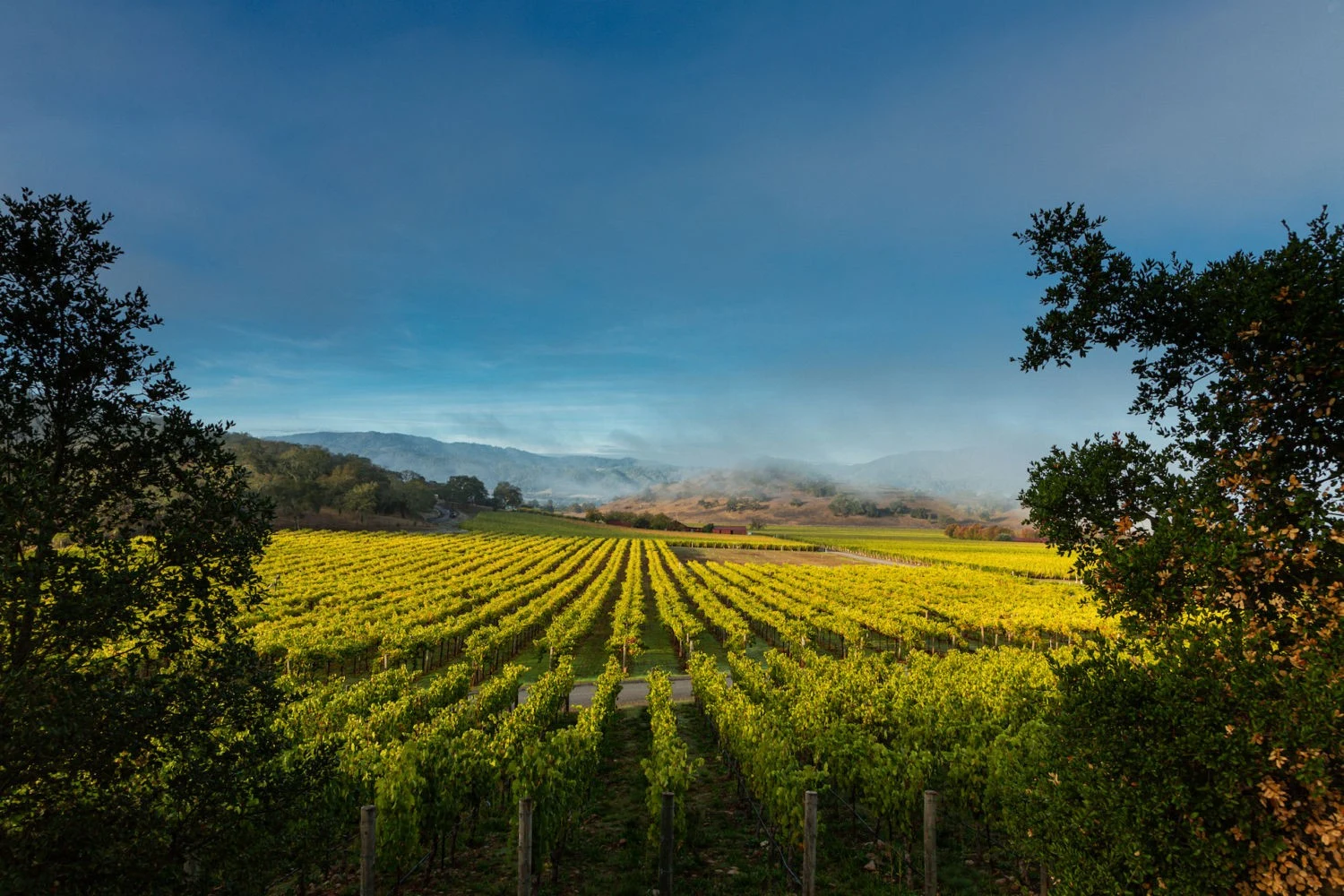
Gemstone Vineyard is a boutique, terroir-driven estate in Napa with a refined, elegant feel. The picture is intentionally narrow: a quiet, sophisticated estate shaped by rocky alluvial soils, a west-facing slope, and hand-tended micro-blocks. Those details give the venue its clearest identity, and they also set the tone for how to read it. Rather than a broad, heavily embellished winery profile, Gemstone Vineyard comes across as a place where the land itself is the primary point of reference.
Rather than building the story around service details, grape varieties, scores, production figures, or appointment policies, the safest way to understand Gemstone Vineyard is through its setting and style. It is positioned as a premium Napa estate, with pricing listed at $$$ and an atmosphere that reads polished, discreet, and land-focused. That makes the available description more about restraint than spectacle: the estate is best approached as a refined vineyard expression, not as a venue defined by a long list of public-facing amenities or promotional claims.
Terroir, read block by block
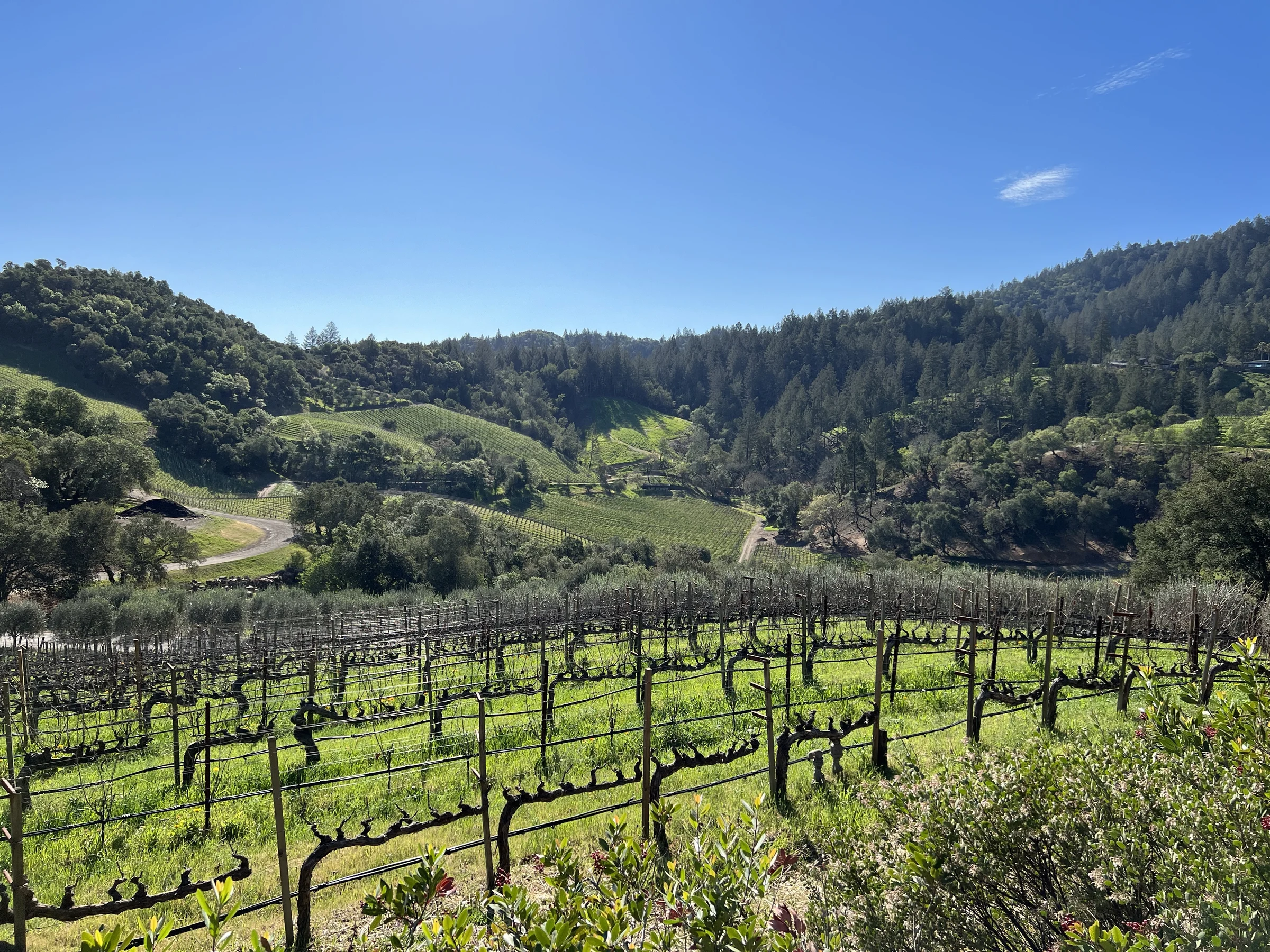
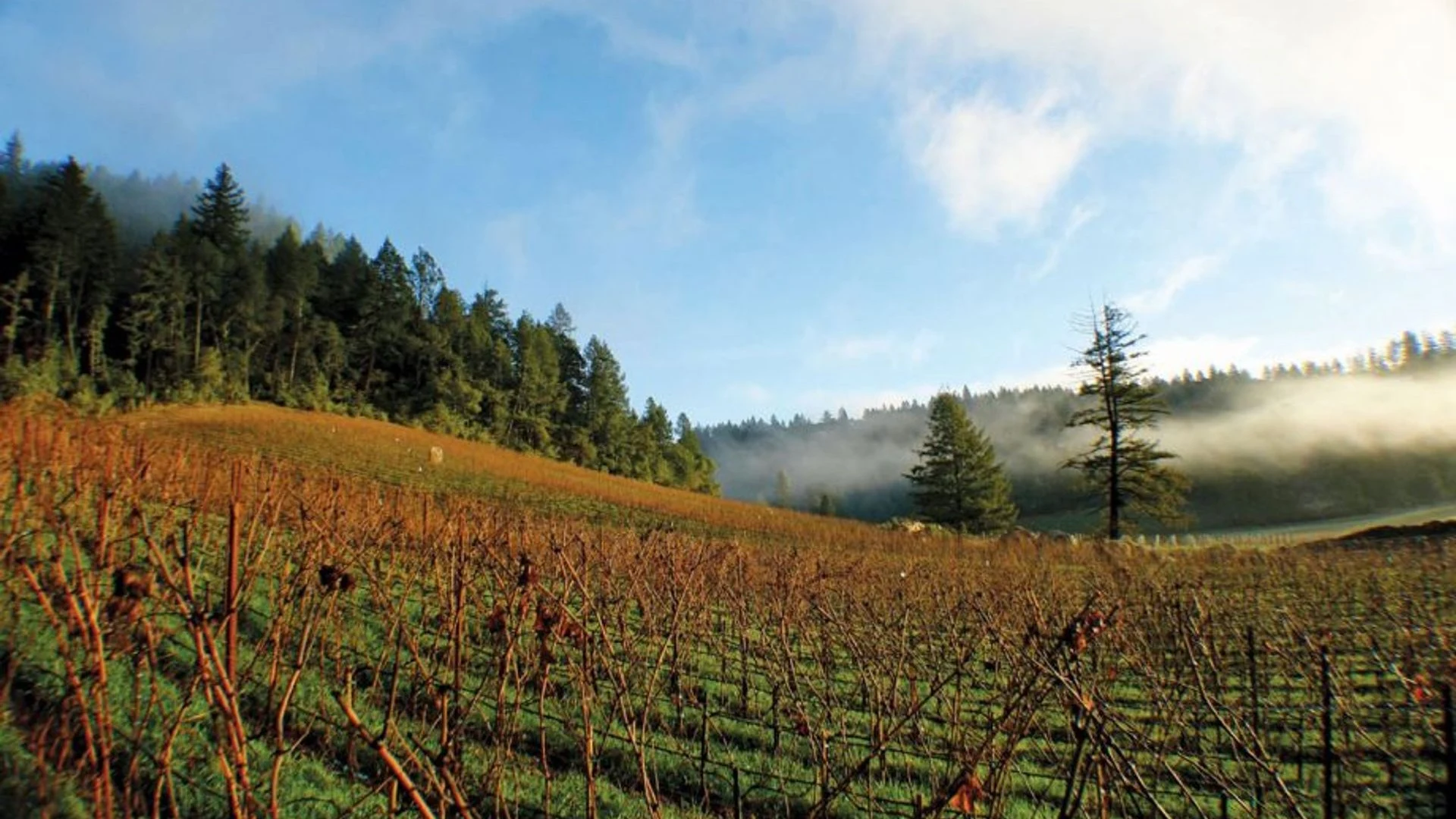
The strongest detail is the estate’s terroir language. Gemstone Vineyard is described through rocky alluvial soils, a west-facing slope, and hand-tended micro-blocks. Taken together, those elements suggest an estate identity built around close attention to site, exposure, and small-scale variation within the vineyard. The phrase “micro-blocks” is especially important because it shifts the emphasis away from a generalized Napa setting and toward a more precise, parcel-by-parcel understanding of the land.
The mood is part of the appeal. This is not framed as a loud or casual stop, but as a quiet, elegant, sophisticated Napa estate where the vineyard context matters. For visitors comparing premium experiences in Napa, Gemstone Vineyard sits naturally in the more refined, terroir-conscious category. Its appeal is not simply that it is in Napa, or that it carries a premium price positioning, but that the available profile consistently returns to soil, slope, and careful hand-tended farming as the defining ideas.
That focus also creates a certain kind of expectation. A visitor drawn to Gemstone Vineyard is likely responding to subtlety, polish, and a sense of place rather than to a high-energy hospitality scene. The estate’s identity, as presented, is quiet and exacting: a boutique Napa property whose story is anchored in the physical vineyard rather than in a broad catalogue of experiences.
Beyond that, public-facing claims should be treated carefully unless confirmed directly with the estate. The available information is useful, but it is also selective, and the most accurate reading is the most disciplined one: Gemstone Vineyard is defined by its Napa setting, premium tone, and terroir-led character, with the finer operational details left to direct confirmation.
A refined estate profile
Gemstone Vineyard’s profile supports a premium positioning, but the exact portfolio structure is not confirmed in the available data. The grounded facts are the estate character, Napa setting, $$$ price level, and the terroir-driven identity shaped by its soils, slope, and micro-block farming. That combination is enough to establish the mood without stretching into specifics that are not supported.
In that sense, the venue’s profile is strongest when it stays close to what is known. It reads as boutique rather than sprawling, refined rather than showy, and land-led rather than service-led. The description does not need to rely on claims about particular wines, formats, or accolades; its confidence comes from a clear emphasis on place. For a premium Napa estate, that restraint can be part of the attraction.
That still gives the venue a clear place in a Napa itinerary. It is best understood as a refined, vineyard-led estate rather than a broadly described hospitality venue. Visitors should confirm current availability, booking requirements, offerings, and any visit details directly before planning around it. That step matters because the public description does not confirm the practical details that would determine how, when, or in what form a visit might happen.
The stronger, confirmed case is simpler: Gemstone Vineyard is a quiet, elegant Napa estate with a sophisticated terroir focus and premium price positioning. It is a venue to consider when the desired tone is polished, calm, and rooted in vineyard character, especially for travellers who prefer an estate story built around land and farming rather than around louder hospitality language.
Where it fits in a Napa itinerary
For travellers building a Napa day, Gemstone Vineyard is best treated as a refined, lower-key estate stop. The appeal is not a promise of a particular visit format or production story, but the sense of a boutique vineyard shaped by rocky alluvial soils, a west-facing slope, and hand-tended micro-blocks. It belongs in an itinerary where the goal is to spend time with places that feel deliberate, premium, and closely tied to their vineyard setting.
Plan around Napa as the confirmed location and check current details directly with the estate before committing to logistics. For the rest of the day, compare other Napa dining, lodging, bar, winery, and experience options generically, then decide whether Gemstone Vineyard’s quiet, sophisticated style fits the tone of the itinerary. If the day is meant to feel polished and unhurried, with an emphasis on terroir rather than breadth of amenities, the estate’s available profile points in that direction.
Questions
Frequently asked
Who works at Gemstone Vineyard?
Made By profiles Thomas Rivers Brown (Winemaker) at Gemstone Vineyard.
How expensive is Gemstone Vineyard?
Gemstone Vineyard is listed at a price level of $$$.
The field
How it compares
| Place | Notes | Awards |
|---|---|---|
| Gemstone Vineyard | Yountville, $$$ | · |
| BOND Winery | Napa | · |
| Harlan Estate | Napa | · |
| Hundred Acre | Napa | · |
| Joseph Phelps Vineyards | Napa | World's 50 Best |
| Scarecrow | Napa | · |
| Screaming Eagle | Napa | · |