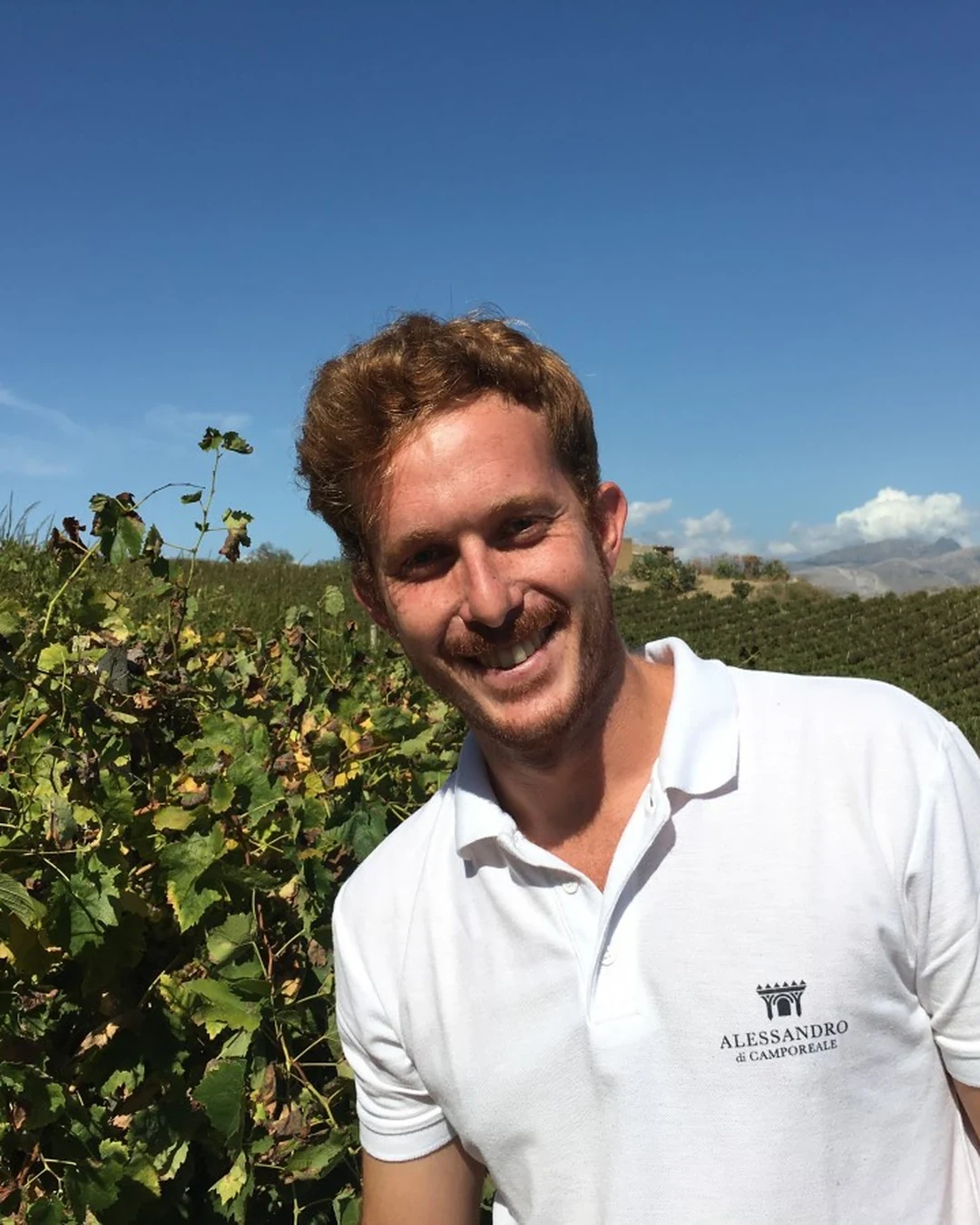

Benedetto Alessandro, winemaker at Generazione Alessandro in Linguaglossa, works Carricante and Catarratto from Etna's northeast slope with care.
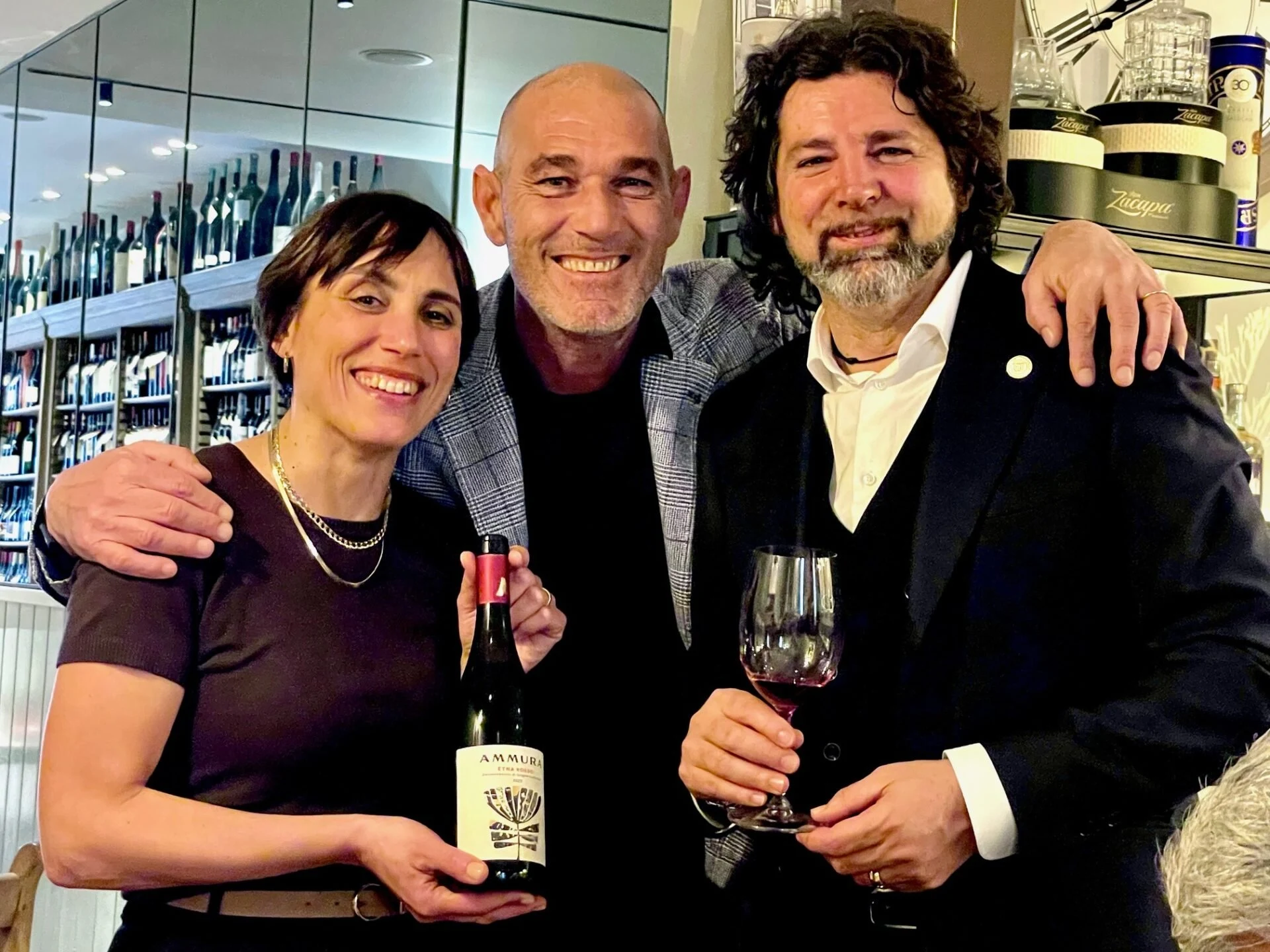
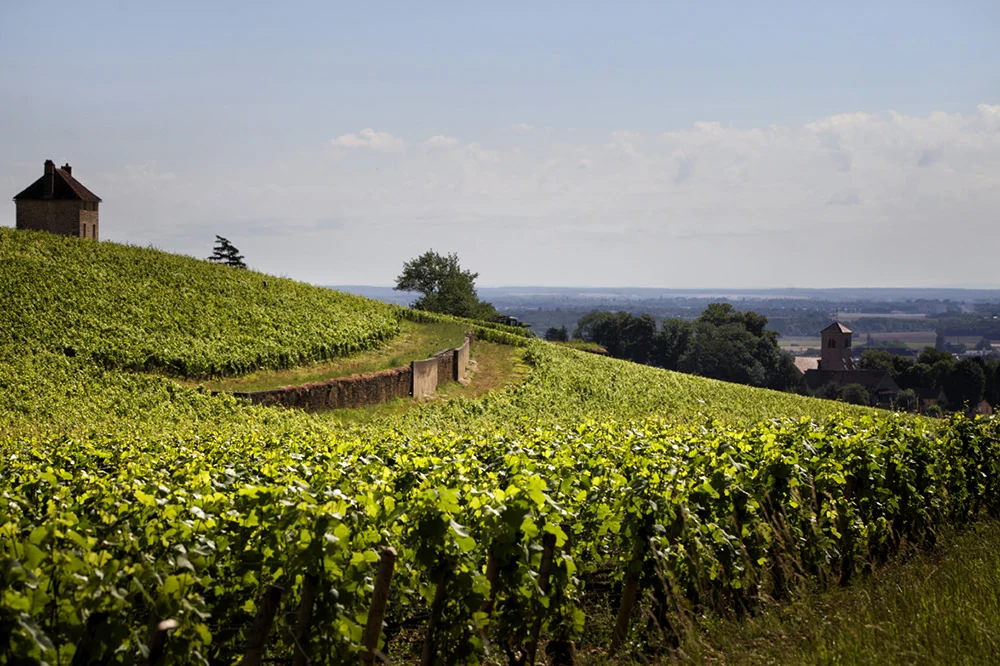
The grapes for Trainara are picked by hand before steel takes over. Benedetto Alessandro, winemaker at Generazione Alessandro in Linguaglossa, works within a fourth generation Sicilian wine family that moved its attention to Etna’s northeast slope in 2020. The project sits in Contrada Borriglione, inside a renovated 19th-century estate, with the cellar and tasting room set among terraced bush vines and dry-stone walls. Alessandro’s family history in wine reaches back to the early 1900s, and the Etna work follows time spent in the family’s Palermo-rooted enterprise. What matters here is not a break with that lineage, but a change of ground: Carricante and Catarratto grown under the volcano, read through a small estate of about ten hectares. Alessandro’s stated frame for wine, respect for the land’s history, its features, local culture, and surrounding nature, suits this address because the place gives him little abstraction to hide behind. The slope is visible. The walls hold the terraces. The cellar keeps the wine close to steel, lees, and temperature rather than ornament.
The clearest technical line runs through Trainara Etna Bianco, built from 90% Carricante and 10% Catarratto. The method is restrained: the fruit is destemmed, softly pressed, then fermented for approximately 20 days at 15°C in steel tanks. After fermentation, the wine rests for 10 months in steel on fine lees at 10 to 12°C, followed by at least four more months in a temperature-controlled environment. That sequence leaves little room for cellar drama. It asks the vineyard material to carry the shape: bright citrus, herbal lift, saline edge, the flint-like mineral note associated with Etna Bianco when the handling stays clean. The house’s stated production philosophy is sustainable, and the practical work described here is consistent with a low-intervention reading of white wine rather than a cellar built around oak. Manual harvest matters on these terraces because bush vines and dry-stone walls make machine logic feel misplaced. The hand is not decoration here. It is the available tool.
The room keeps the estate’s old bones in view. Generazione Alessandro restored the 19th-century winery rather than replacing it with a polished visitor shell, so the tasting room sits beside the cellar with a rustic, classic feel and a direct line to the vineyards outside. Conversation stays at cellar volume. The hospitality program begins with the ground itself: walks among bush vines on dry-stone wall terraces, then guided tastings that return the glass to the slope just crossed on foot. The set flights named I Territoriali and The Selections keep the experience ordered without making it feel staged; one moves through 3 tastings, the other through 5, each framed by the volcano and the northeast exposure.
The significance of Generazione Alessandro is its decision to make Etna a working continuation of family practice, not a borrowed backdrop. Alessandro brings the discipline of a house accustomed to speaking through place, then applies it to a mountain whose identity can overwhelm weaker hands. If the next chapter stays close to the cellar’s present grammar, it will be measured in Carricante, Catarratto, steel, and the terraces of Contrada Borriglione.
Linguaglossa, Sicily, Italien
Contrada Borriglione