Sangiovese held to Brunello time
- Falstaff Winery - Listed · 2026
Care held close to Montalcino
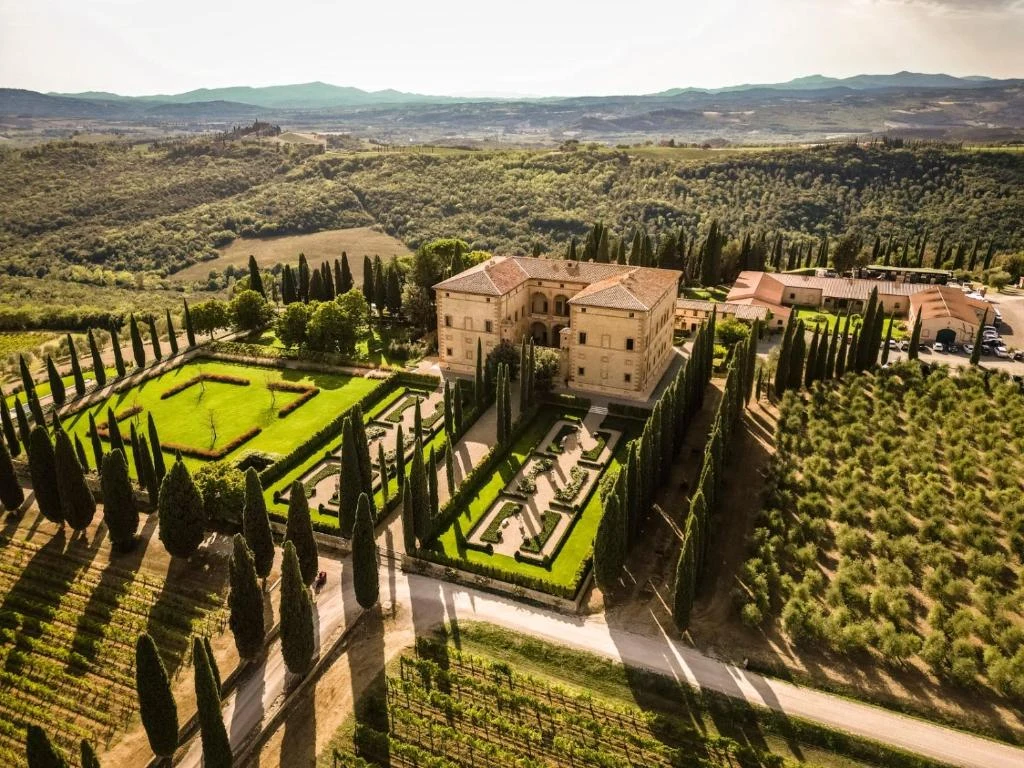
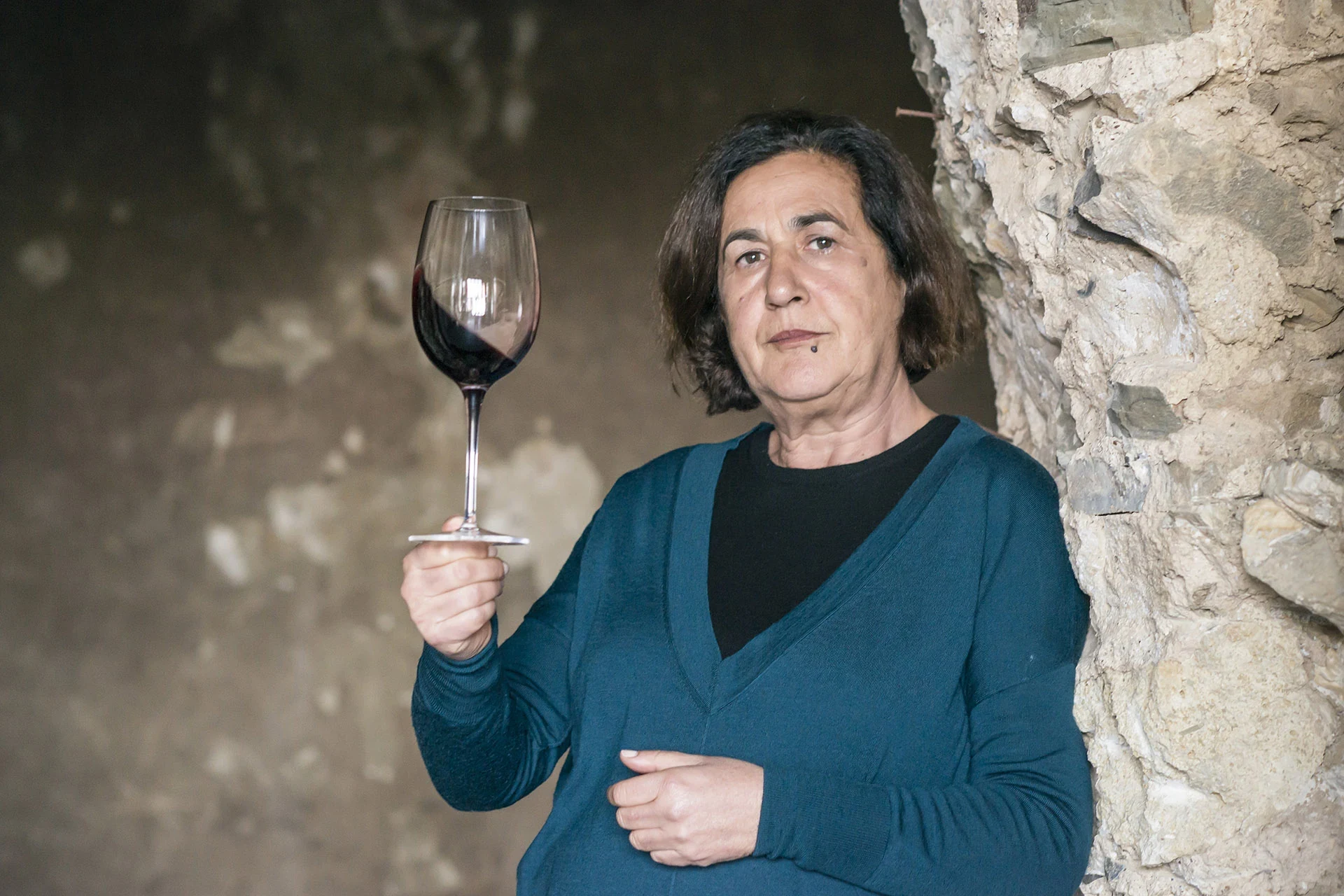
The care begins in place: Laura Brunelli, winemaker at Gianni Brunelli in Montalcino, keeps her work fixed to the hill and its Sangiovese. She owns the winery and manages the technical and administrative aspects of Gianni Brunelli Le Chiuse di Sotto, a kind of stewardship that sits close to the cellar rather than above it. The estate was founded in 1987 around Gianni Brunelli’s name, and its public identity still gathers around that origin: one family estate, one Tuscan town, one appellation with a long memory.
Brunelli’s earlier life at Osteria Le Logge in Siena matters here without needing to be overstated. A restaurant trains the eye toward timing, sequence, and the consequence of small decisions; wine asks for the same discipline, only over a longer arc. Her own words keep the emphasis local: “My focus is here in Montalcino for my wines.” She has also described quality as a matter of “personal effort and empathy, not intensive mechanisation.” That sentence fits the scale of the place. This is not a house built around spectacle. It is a small Tuscan estate where ownership, oversight, and the daily administrative burden remain part of the same hands.
Sangiovese under the Brunello name
The program is built on Sangiovese for Brunello di Montalcino DOCG, with the estate’s identity tied to traditional, still red wine rather than a broad portfolio of distractions. A 2018 Brunello di Montalcino from Gianni Brunelli is part of the visible trail of the cellar, confirming the vintage-led rhythm that defines the house’s work: fruit, fermentation, wood, bottle, release, then the longer patience of anyone who chooses to keep the wine.
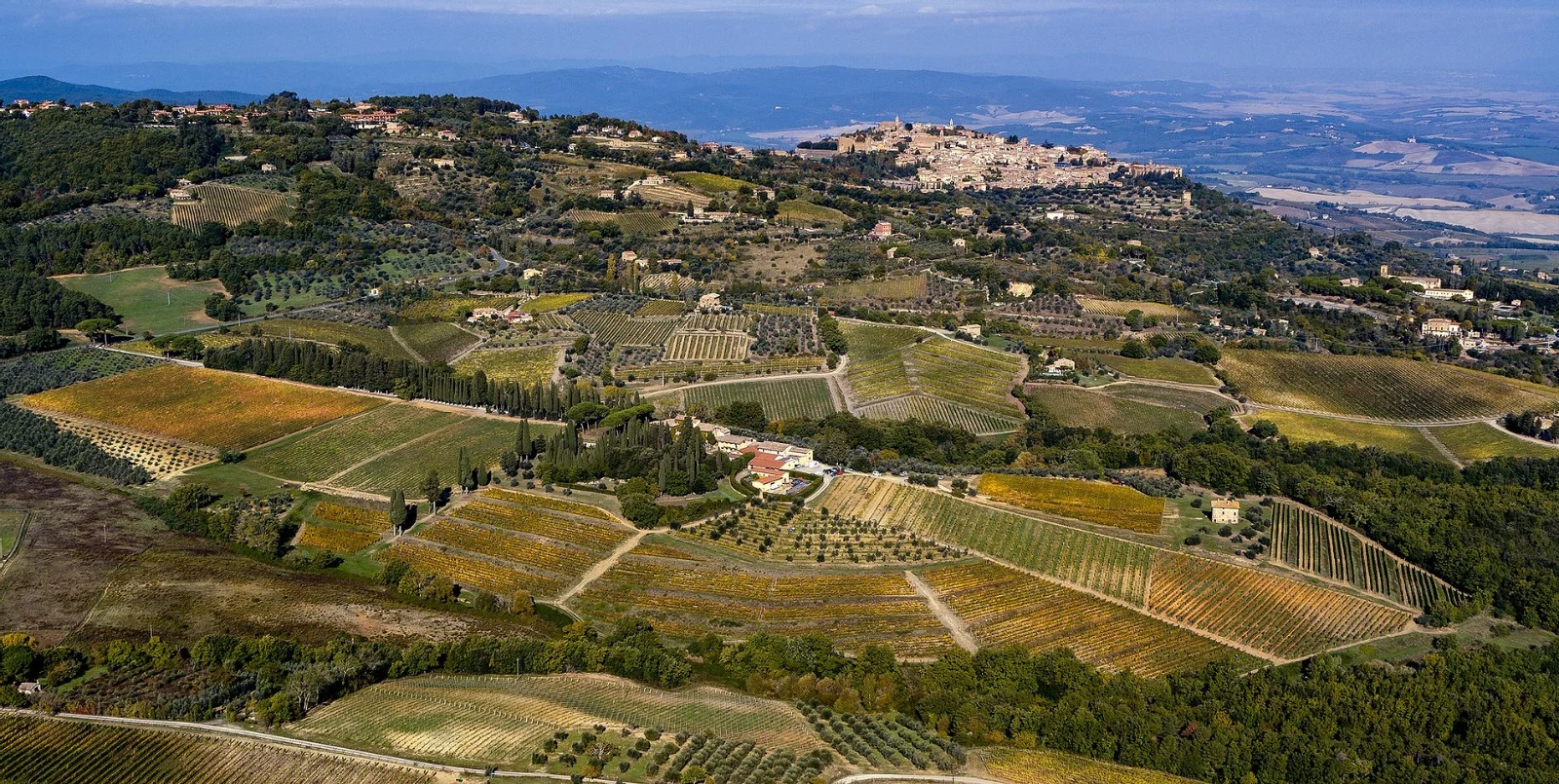
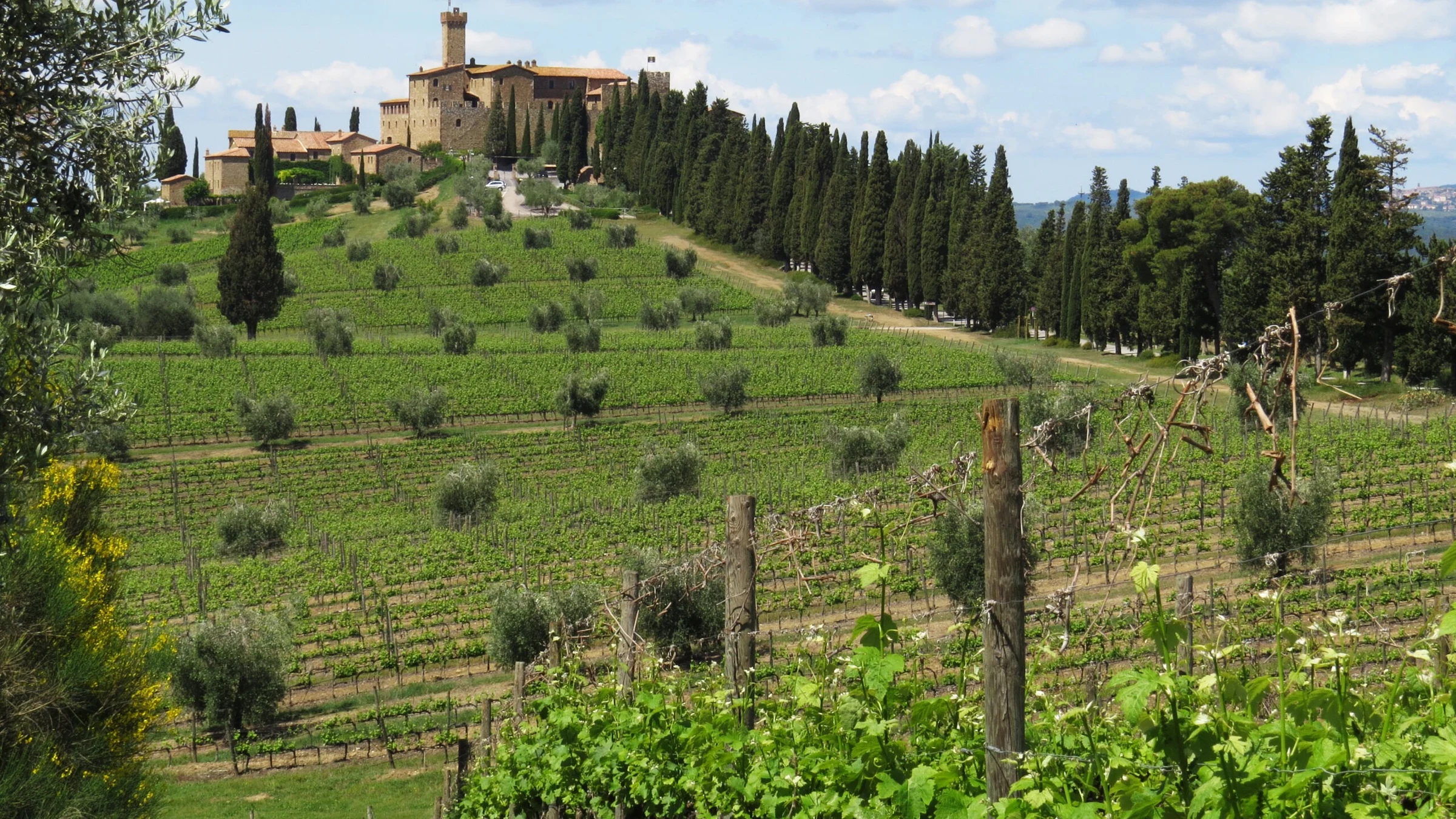
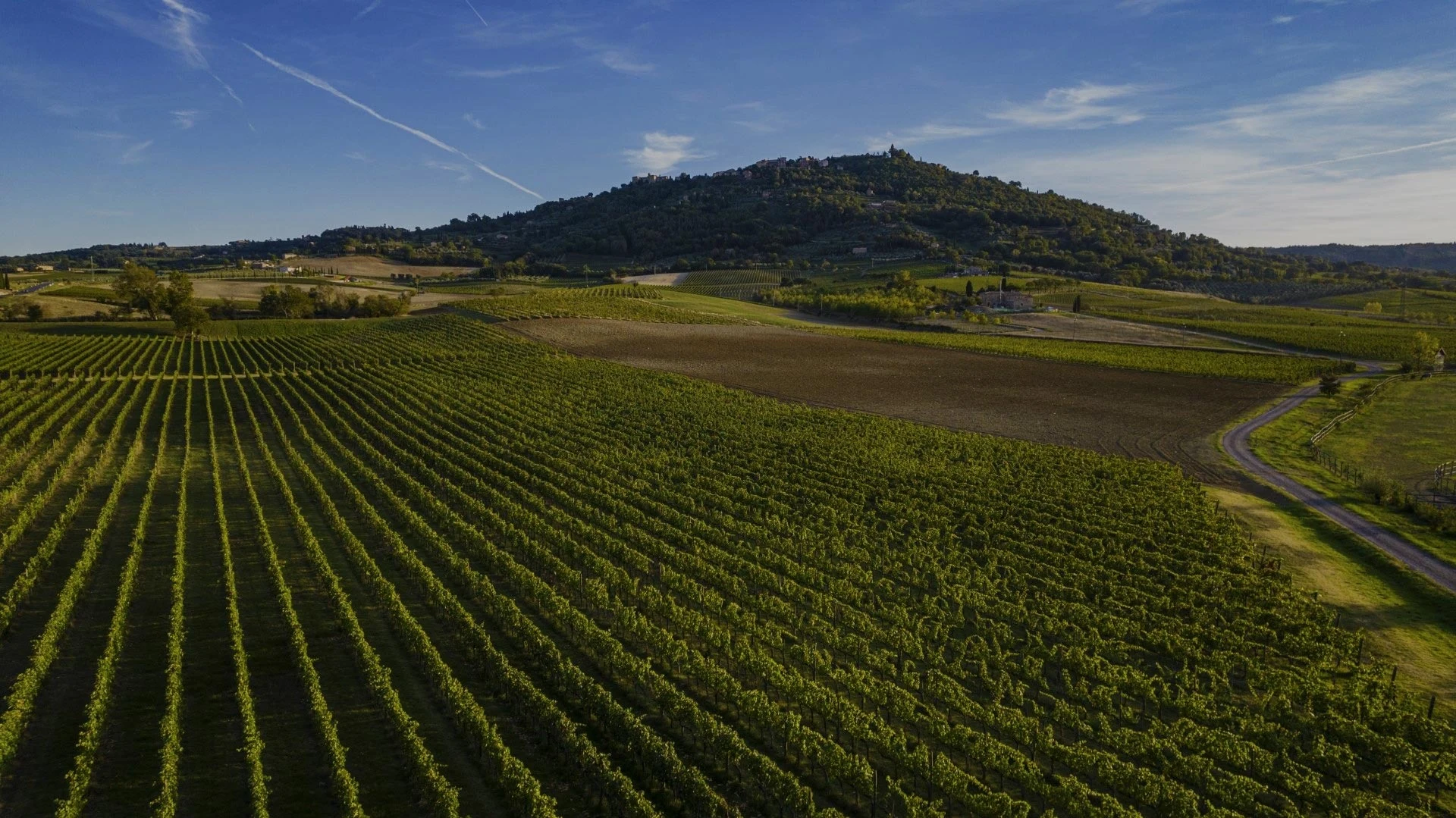
The exact cellar protocol is not something the estate sets out in public detail. That leaves the writing close to what can be held: Montalcino fruit, Brunello discipline, a boutique family scale, and a sustainable philosophy carried through parcels set among vines and olive trees. The method reads as classic rather than experimental, with the wine asked to carry the contour of place. In this appellation, the bench is the vineyard as much as the cellar; the pass is seasonal, and no one hurries Sangiovese into depth.
The cellar without theatre
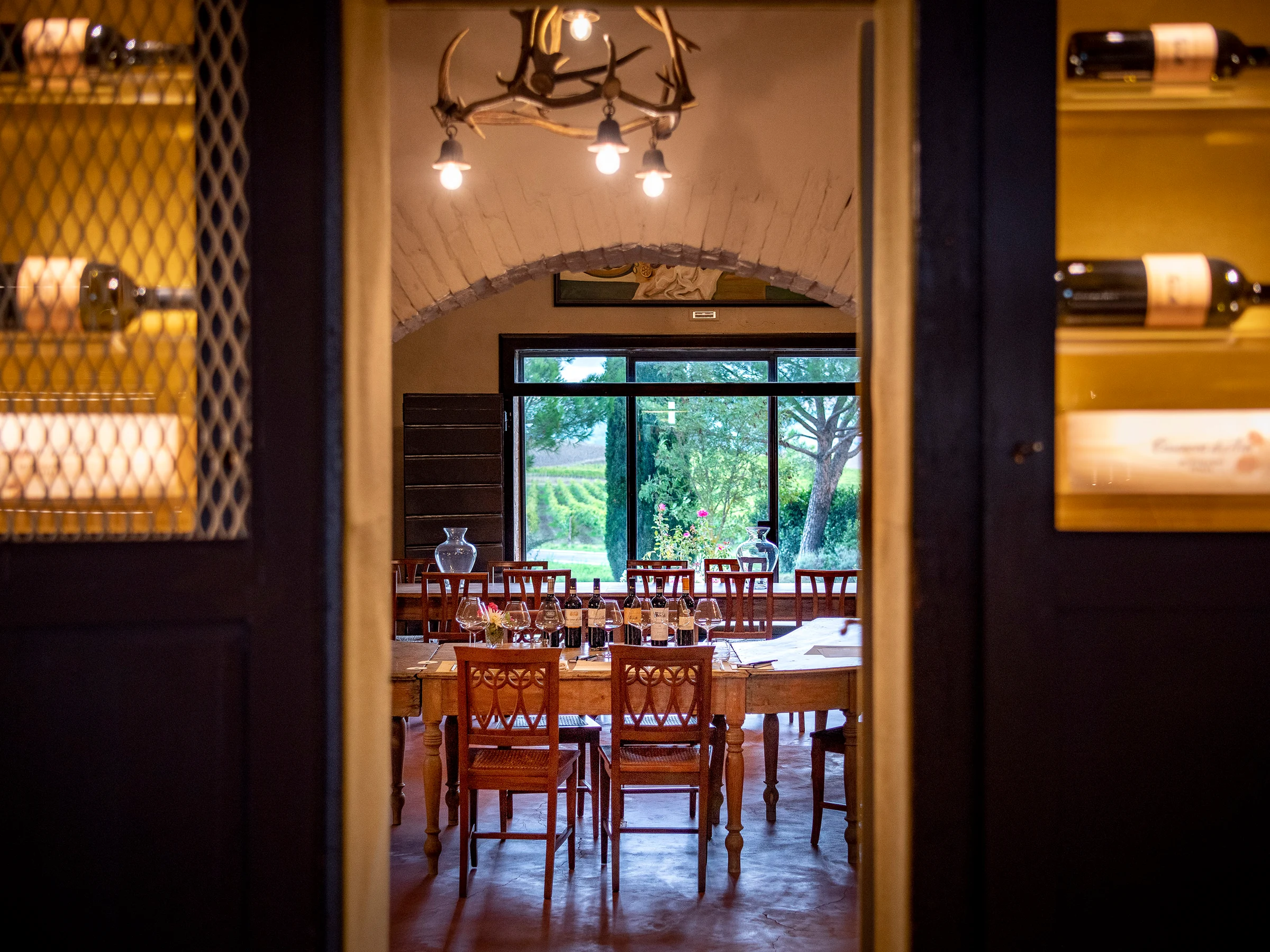
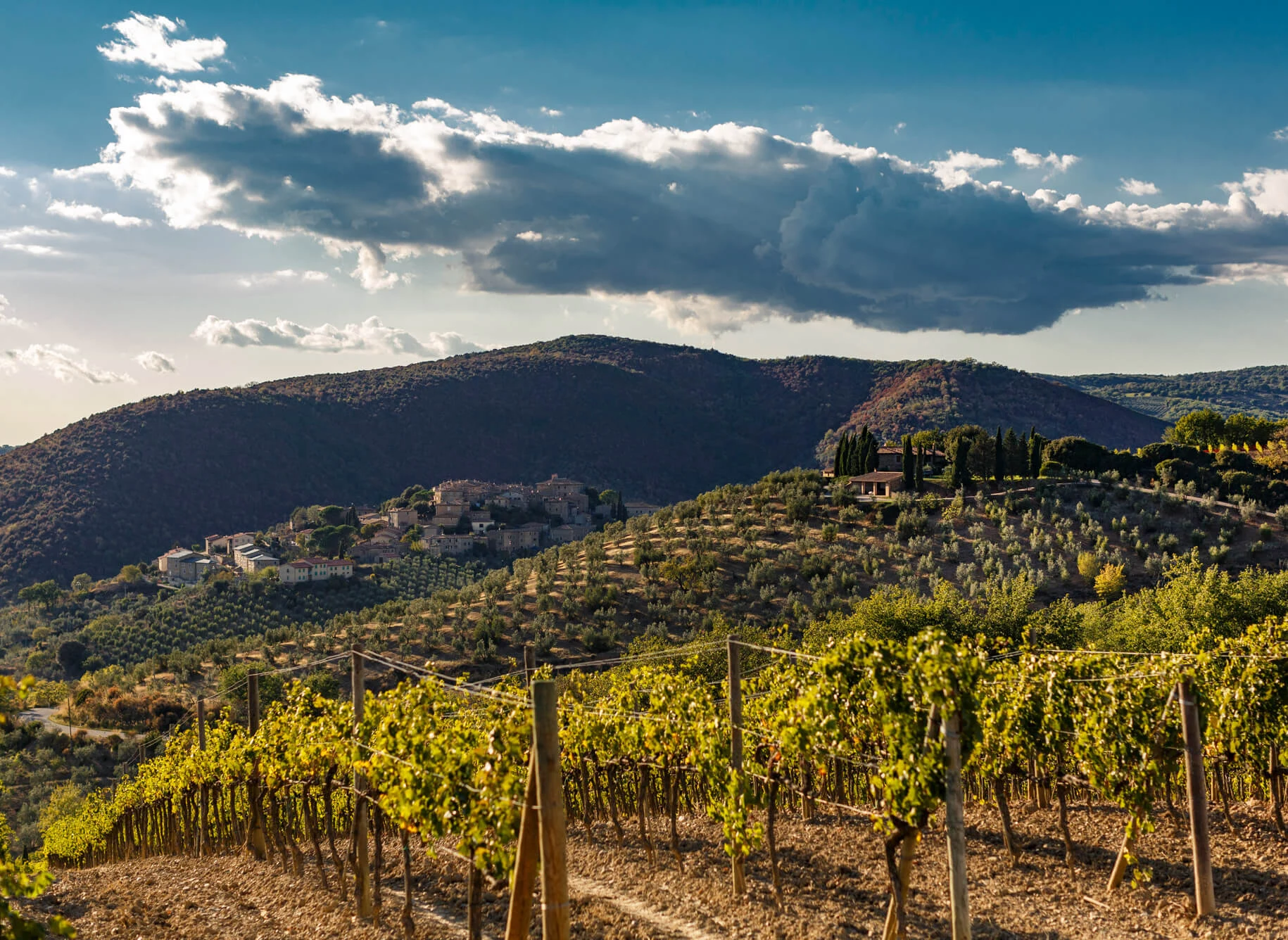
The room around the work is rural and quiet, more hillside estate than designed tasting stage. Around Montalcino, vines and olive trees give the property its frame, and the winery’s atmosphere follows that restraint: calm, traditional, vineyard-centred. The pressure comes from the wine, not from performance. Brunello has its own gravity in this town, and Gianni Brunelli answers it without making the estate feel inflated by the category.
Inside that setting, the craft has a narrow focus. The cellar does not need a long list of gestures to explain itself; the main discipline is in staying with Sangiovese, with vintage, with the founder’s name, and with Laura Brunelli’s insistence that the work remains here. Gianni Brunelli Brunello di Montalcino 2018 is a concrete mark of the house’s patience in Montalcino.
Questions
Frequently asked
Who runs Gianni Brunelli in Montalcino?
Laura Brunelli owns the winery and manages its technical and administrative work. Her focus, in her own words, is on her wines in Montalcino.
What kind of wines does the estate make?
The program is built on Sangiovese for Brunello di Montalcino DOCG, with a traditional focus on still red wine.
What is the setting like at the winery?
Gianni Brunelli is a small family estate in Montalcino, set among vines and olive trees, with a quiet, rural atmosphere rather than a designed tasting stage.
Do visits need to be booked in advance?
Visits are appointment only.
Is there parking on site?
There is an on-site lot for parking.
The field
How it compares
| Place | Notes | Awards |
|---|---|---|
| Gianni Brunelli | Montalcino, $$$ | · |
| Argiano | Montalcino | · |
| Azienda Agricola Casanova di Neri di Giacomo Neri | Montalcino | World's 50 Best |
| Biondi-Santi Tenuta Greppo | Montalcino | · |
| Castello Banfi | Montalcino | World's 50 Best |
| Poggio di Sotto | Montalcino | · |
| Valdicava | Montalcino | · |