Made ByWinery

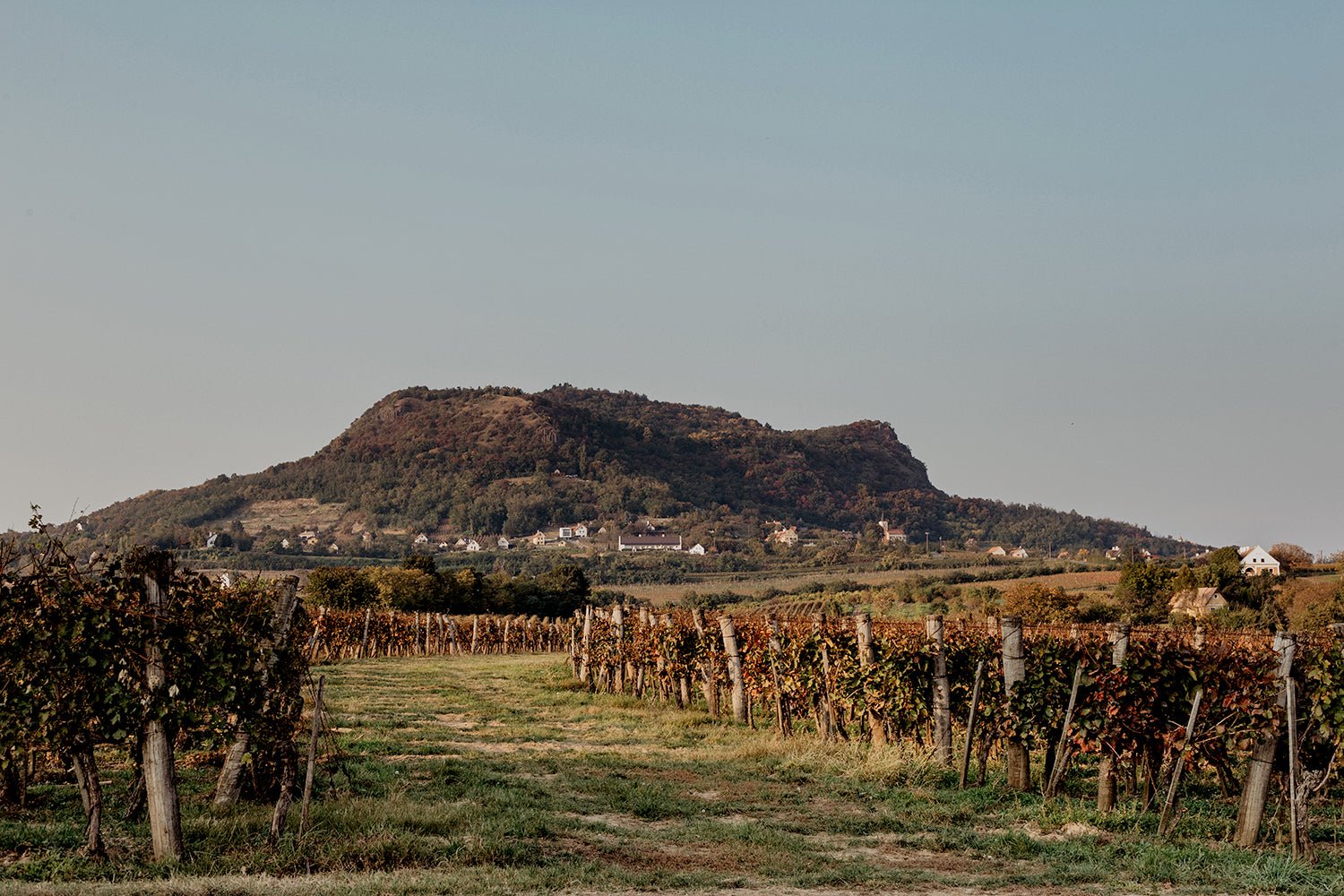
Róbert Gilvesy makes volcanic wines at Gilvesy Winery in Hegymagas, with organic farming and Szent György-hegy as the frame.
At a glance
- Price
- $$
- Neighborhood
- Hegymagas
The hill sets the terms
The cellar work begins with restraint: Róbert Gilvesy, winemaker at Gilvesy Winery in Hegymagas, keeps Szent György-hegy in front of the hand. At the bench-side of this estate, the mountain is not backdrop. It is the method. Róbert Gilvesy, the Canadian-Hungarian founder and leader, works from a former Esterházy estate on the volcanic rise above Lake Balaton, where the old cellar was erected circa 1680 by the Lengyel family and later folded into noble estate life.
His lineage here is not written as a chain of named masters. It is organized around site, repetition, and the decision to let the hill speak first. The modern cellar was renovated and modified in time for the 2012 harvest, bringing contemporary working order into a historic shell. Gilvesy’s role is direct: founder, owner, leader, winemaker. The wines carry that authorship through varieties suited to the place, especially Riesling, Furmint, Olaszrizling, and Sauvignon Blanc. Organic farming has framed the vineyards since 2014, and the estate’s small scale keeps the work close to the vines.
Thirteen hectares of basalt and loess
The estate farms 13 hectares on Szent György Hill, in the Badacsonyi borvidék, where eroded basalt and tuff meet Pannon loess, sand, and clay. Those materials give the program its discipline: still whites with line and tension, and a sparkling thread that stays tied to volcanic fruit rather than cellar display. Gilvesy does not need a heavy hand for that. The method asks for attention before intervention.
The clearest technical window is the Gilvesy Brut Nature Méthode Traditionnelle 2017. The varietal harvest for that sparkling wine comes in the first week of September, after a late green harvest thins the vines. Fermentation is natural, the wine rests on fine lees through March/April, then moves to Garamvári sparkling wine house for production processing. The 2017 vintage yielded 3,000 bottles. That figure gives the cuvée its scale: not a gesture toward volume, but a bounded release from a hillside program built around vineyard clarity.
A cellar under Saint George Mountain
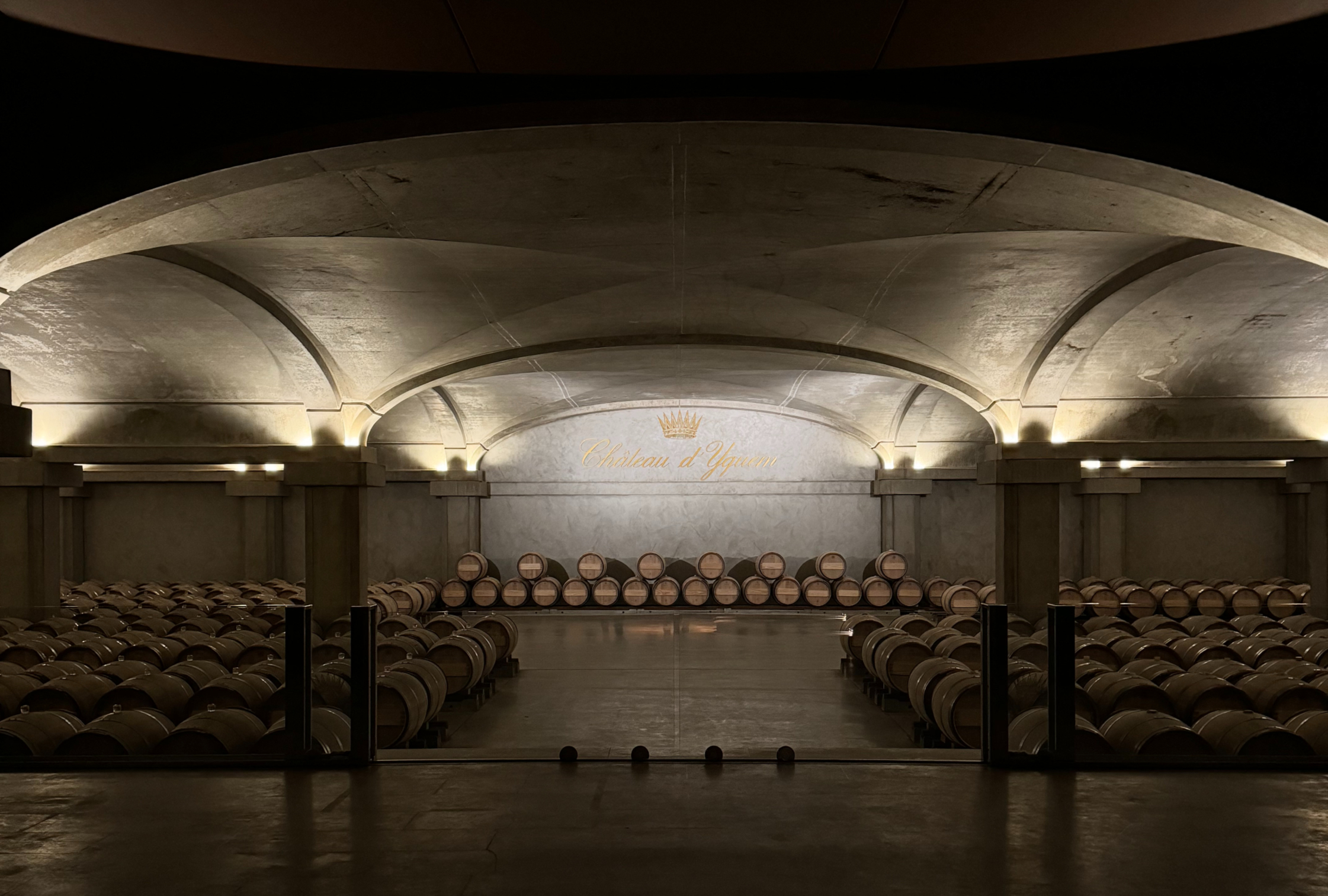
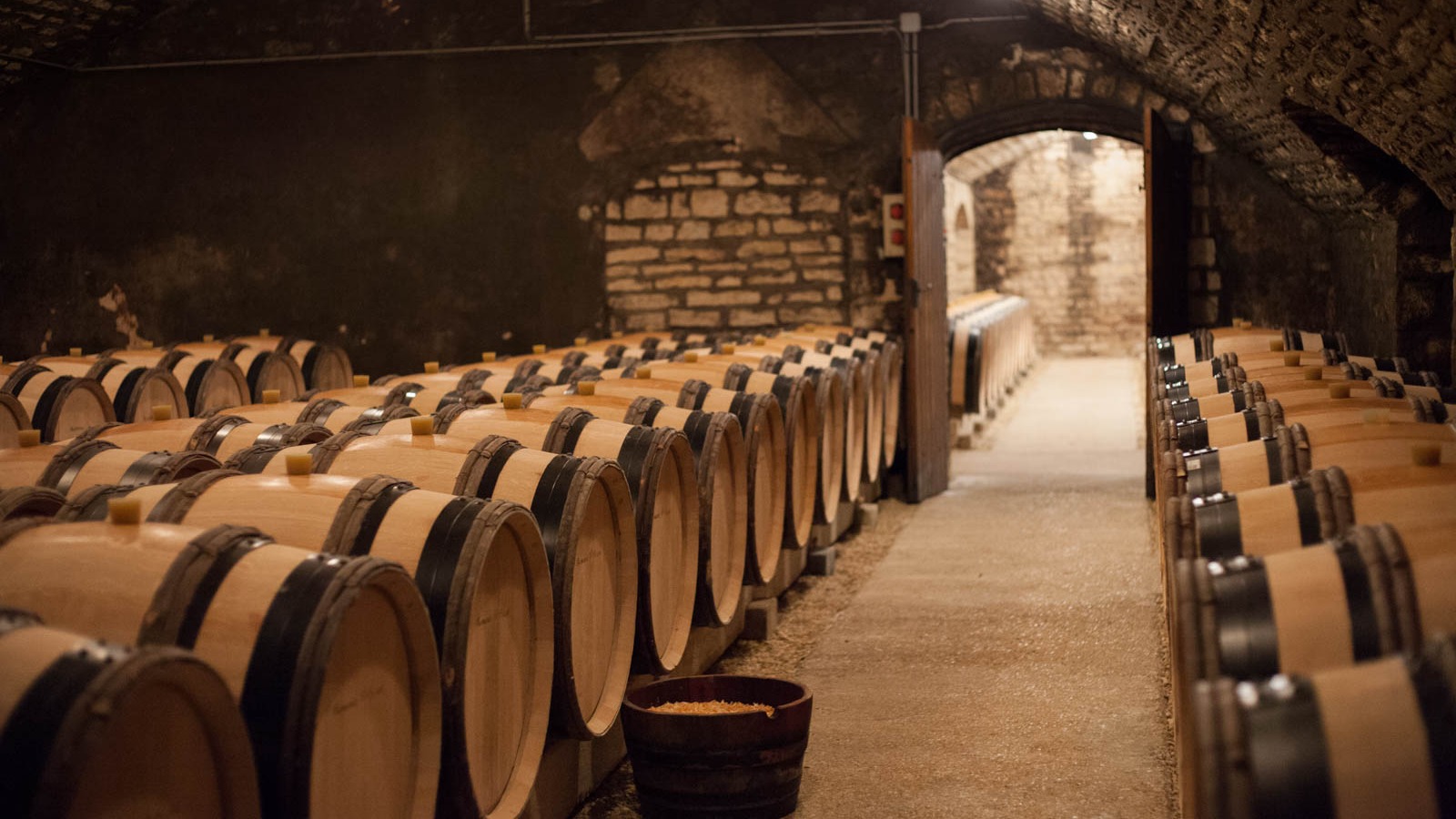
The place works quietly. The cellar and presshouse ruins sit within vineyard surroundings, with Lake Balaton below and the volcanic butte holding the eye. Stone, slope, and old estate architecture do much of the speaking. In the cellar, the renovated working space carries the memory of the older building without turning it into theatre. The room belongs to harvest, fermentation, lees, and the slow sorting of what the hill gave that year.
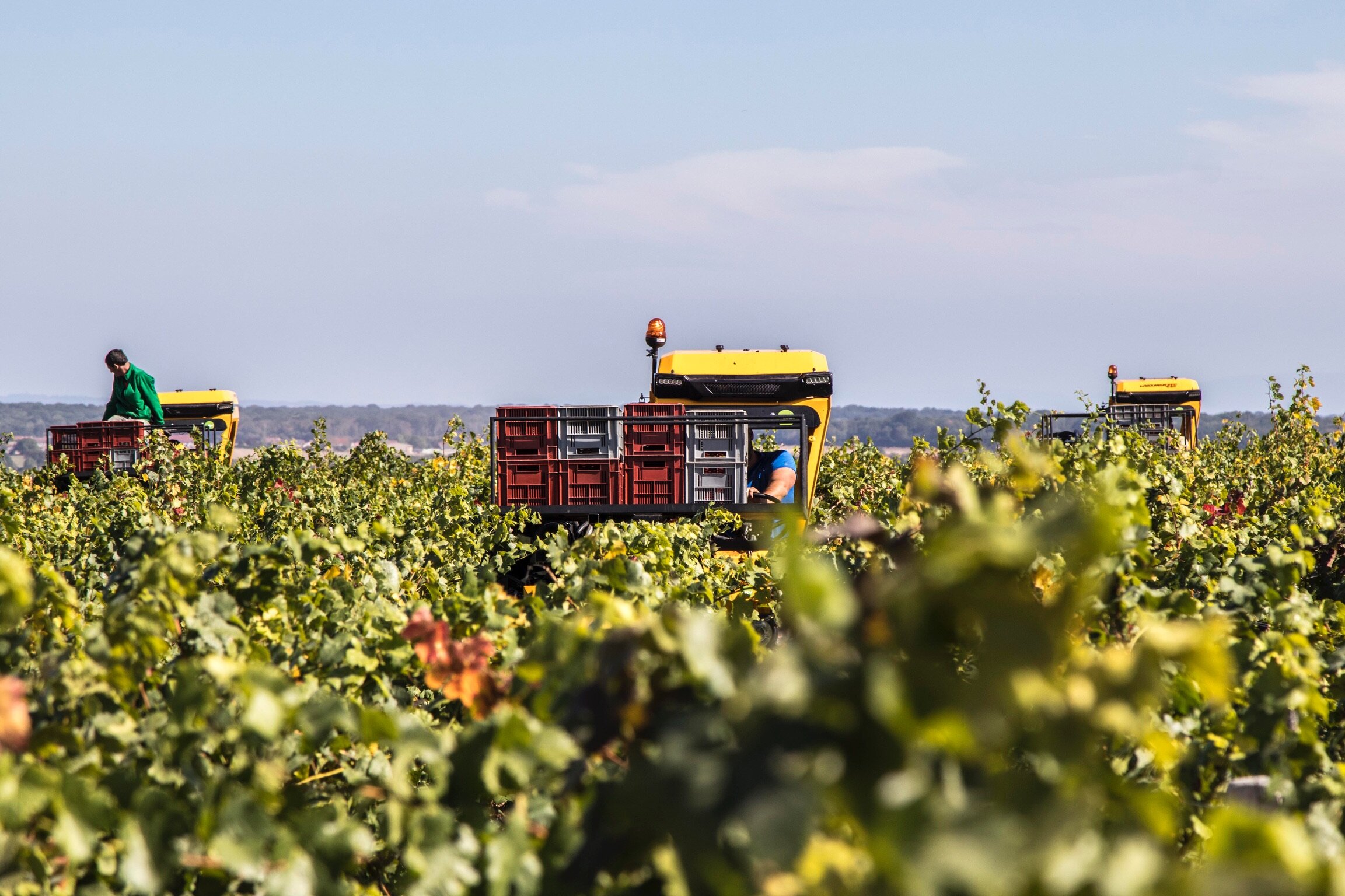
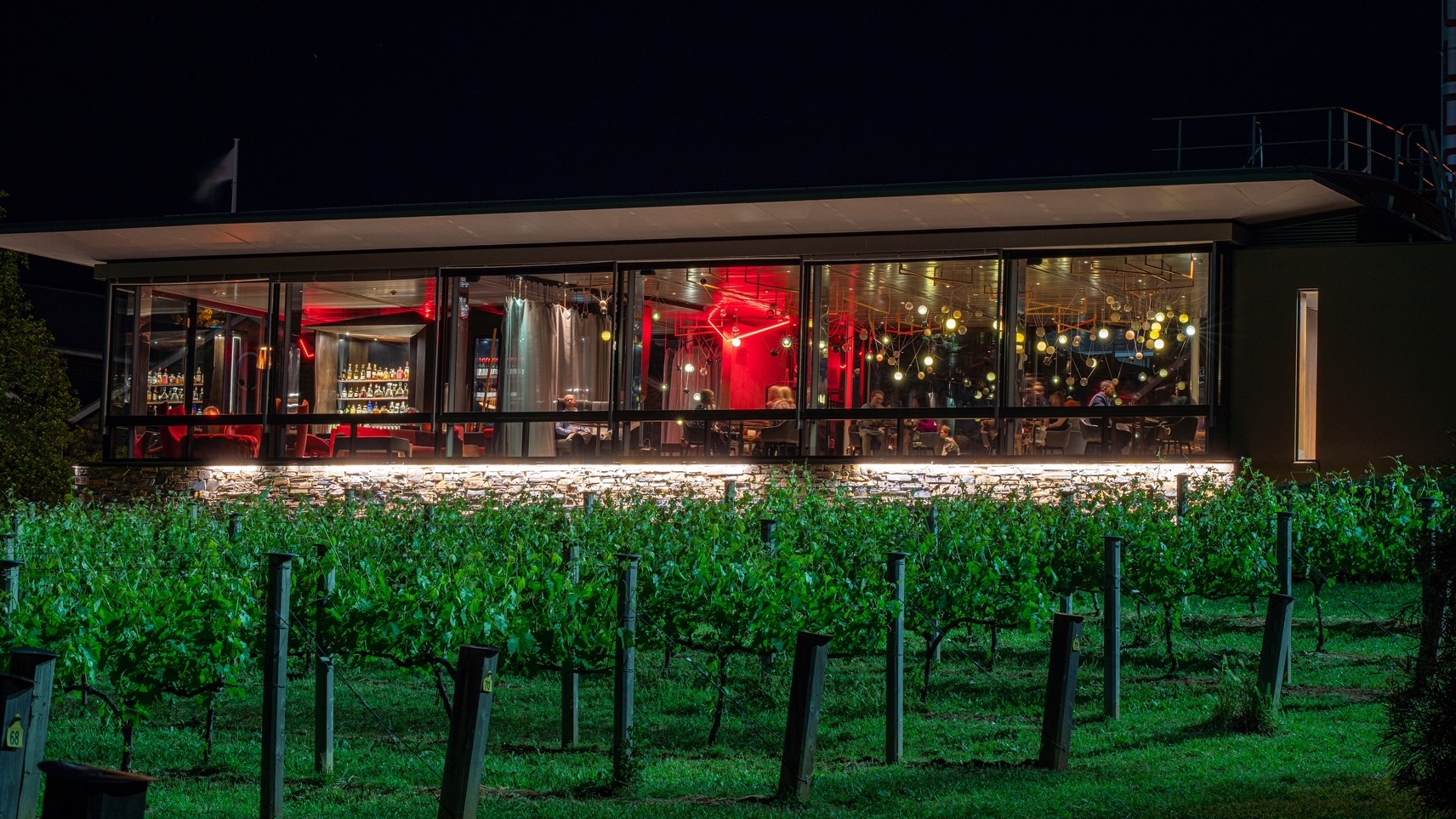
Outside, the vineyard setting is bucolic rather than polished: volcanic hills, lake light, and buildings marked by age. The tasting room, where the estate receives guests, belongs to that same register. It is a place to understand the wines through the ground beneath them, not apart from it.
A small estate with a fixed point
Gilvesy Winery matters because its position is unusually clear. The estate does not treat Szent György-hegy as a theme; it treats the hill as the working frame for farming, variety, and cellar choice. That gives the wines a fixed point even as vintages move.
Follow the next bottle by the same measure: whether the cellar keeps the vineyard in front. For Gilvesy, the lasting noun is Szent György-hegy.
Know before you go
- Reservations
- recommended
- Parking
- street
- Groups
- Welcomed
Address
Hegymagas, Eisenberg, Burgenland, Österreich
Hegymagas