Ginza Rokukakutei
In Residence
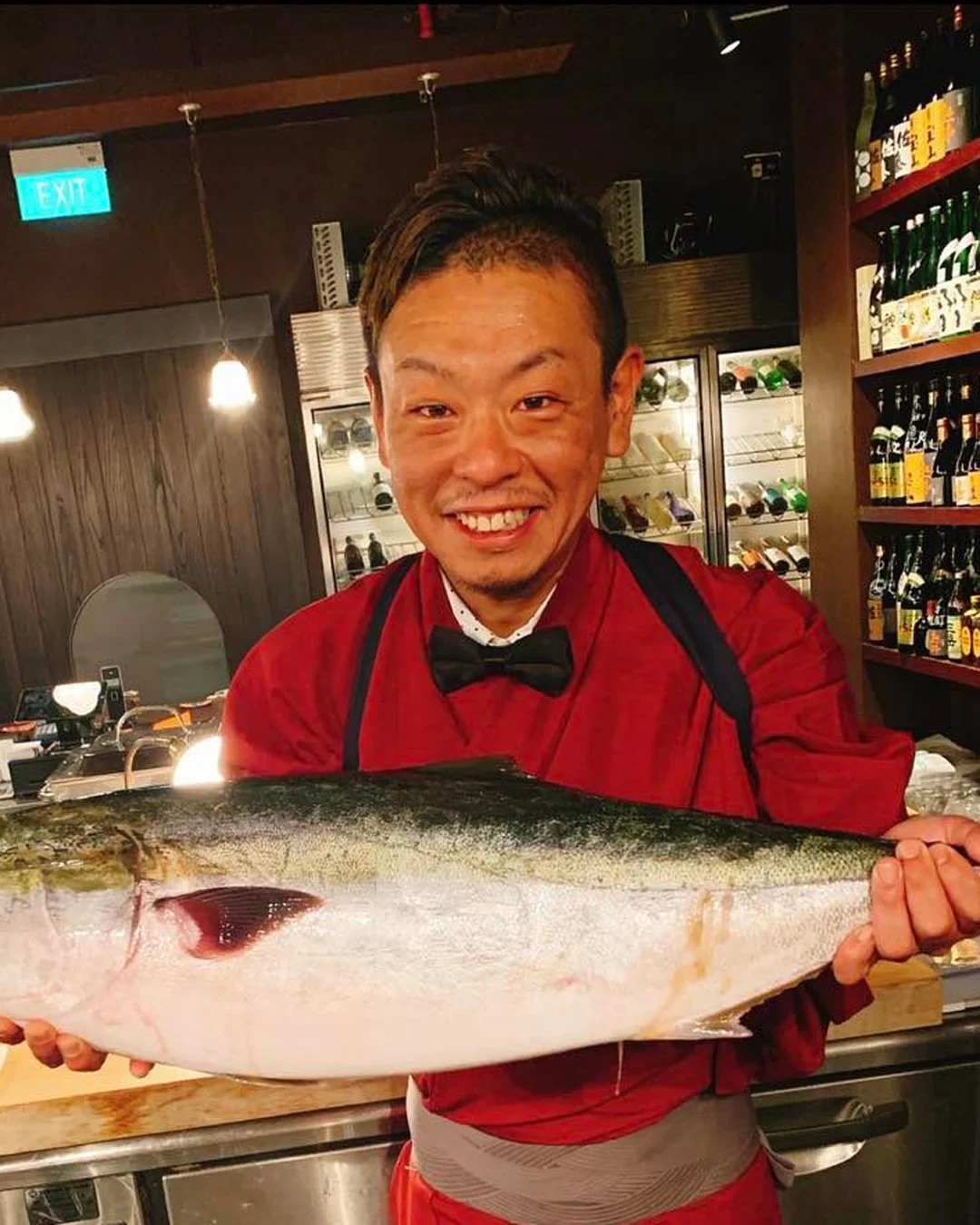
Hideyuki Tanaka
Chef
- 01CuisineMichelin-listed Japanese kushiage with wine pairing
- 02CityTokyo, Japan
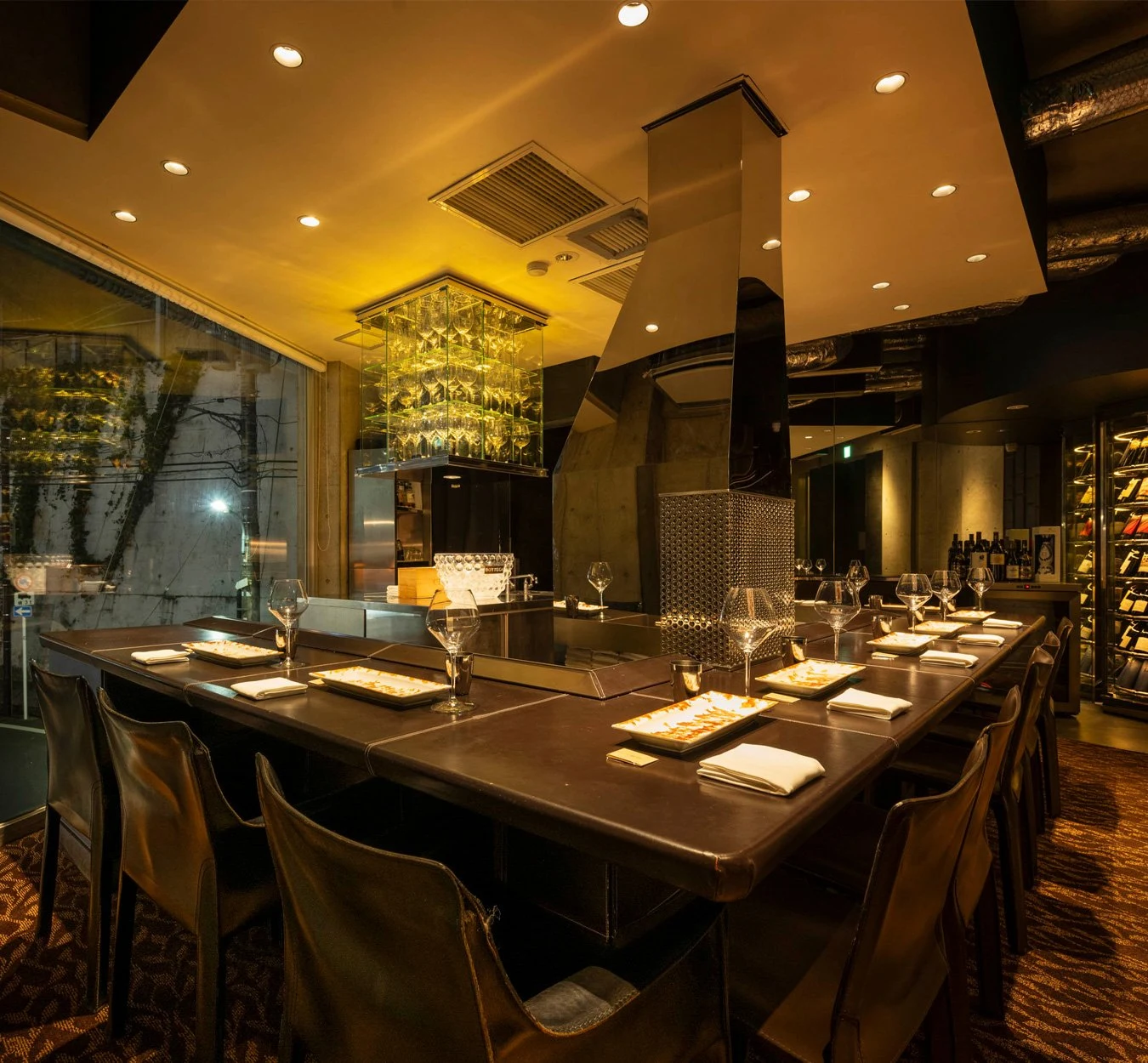
Hideyuki Tanaka, Chef at Ginza Rokukakutei in Ginza, Tokyo, carries Osaka kushiage discipline into a wine-led counter meal.
- Opinionated About Dining Top Restaurants in Japan Recommended · 2026
Skewers judged at the fryer
The skewer reaches the counter one at a time. Hideyuki Tanaka , Chef at Ginza Rokukakutei in Ginza, Tokyo, keeps his name attached to kushikatsu, the discipline of meat, seafood, and vegetables fried to order, where timing and texture do most of the talking. His wider record is tied to Rokukakutei’s Osaka lineage, including a Michelin star in 2009 at Ginza Rokukakutei in Osaka, recognition given to a specialist house rather than a broad repertoire. For this Ginza address, a Tokyo branch carries an Osaka kushiage method into a formal counter meal, with the fryer as the station and appetite as the measure. Tanaka’s published path places him first in the Ginza establishment before training under the owner-chef of the original Osaka Rokukakutei, then guiding related operations in the same family of restaurants. That keeps the work close to apprenticeship rather than branding. The dish arrives hot, sauce nearby, wine ready; the hand has only a brief window to make the coating crisp without letting the ingredient disappear inside it.
Fifteen skewers, twenty when the course lengthens
The kitchen builds the meal as omakase kushiage, not as a plate of assorted fried things. The chef’s long course lists 15 skewers, with wagyu fillet, direct-shipping river prawn, seasonal vegetables, direct-shipping vegetables, bread, dessert, and espresso coffee. A longer premium course lists 20 skewers, including lively river prawn, Hōfu beef fillet, and seasonal vegetables. The restaurant says around 20 skewer types are normally available, and the course can stop when the guest is satisfied, a small but important piece of pacing in a format that depends on heat. The oil is a beef-and-pork blend, a choice that shapes the finish as much as the batter. Five sauces sit inside the method rather than beside it; each skewer asks for a different edge of salt, fruit, acid, or depth. The wine program is built with the same intent. The list runs to more than 120 types, with Champagne, Muscadet Sèvre et Maine Sur Lie, Sancerre, Chablis Premier Cru Fourchaume, Russian River Valley Chardonnay, Dumol Wester Reach Chardonnay, Ch. La Bourrée, and Les Allées de Cantemerle among the named bottles. Fried texture meets acidity first. Then the ingredient comes through.
A lamp over the counter
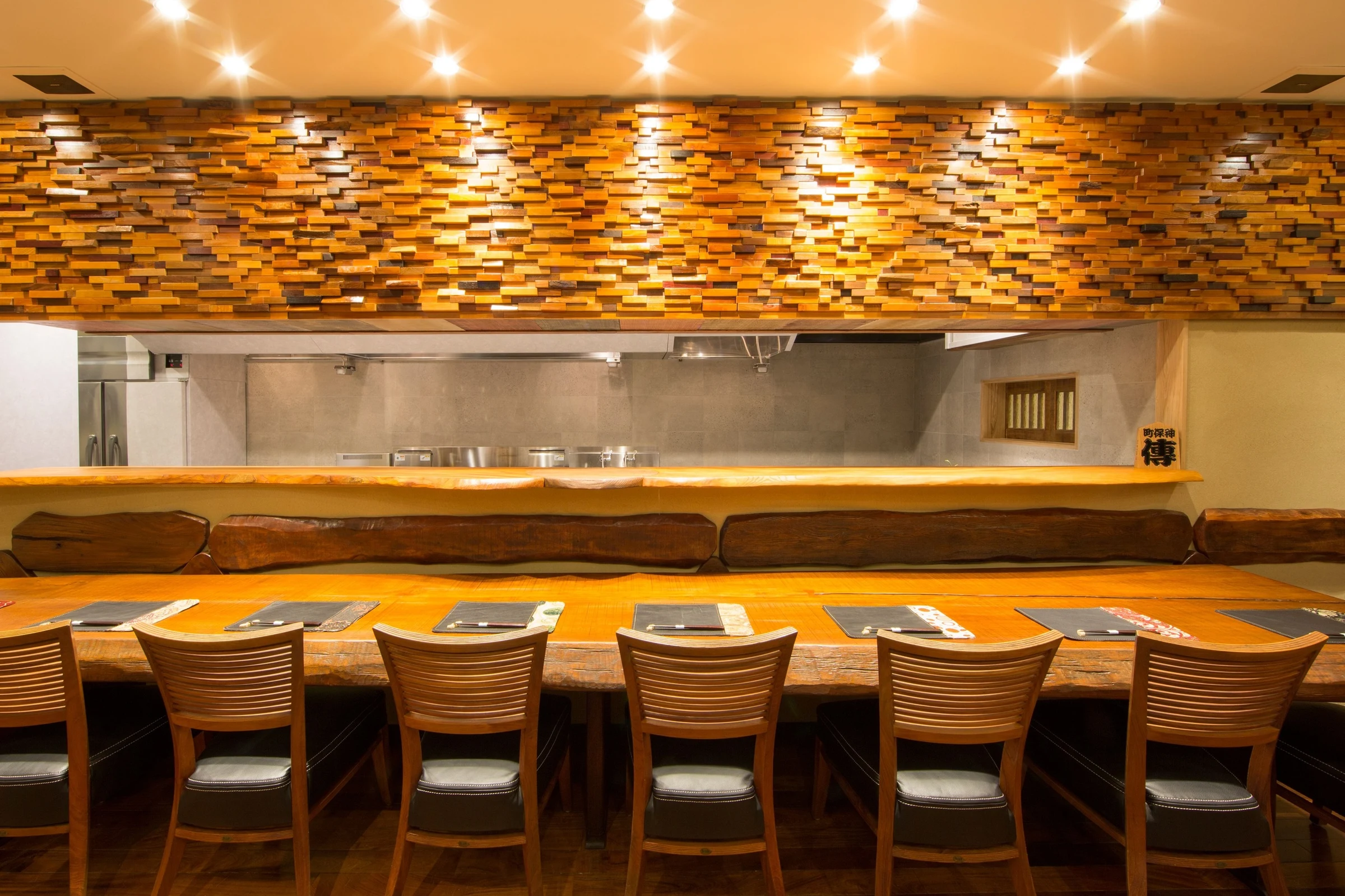
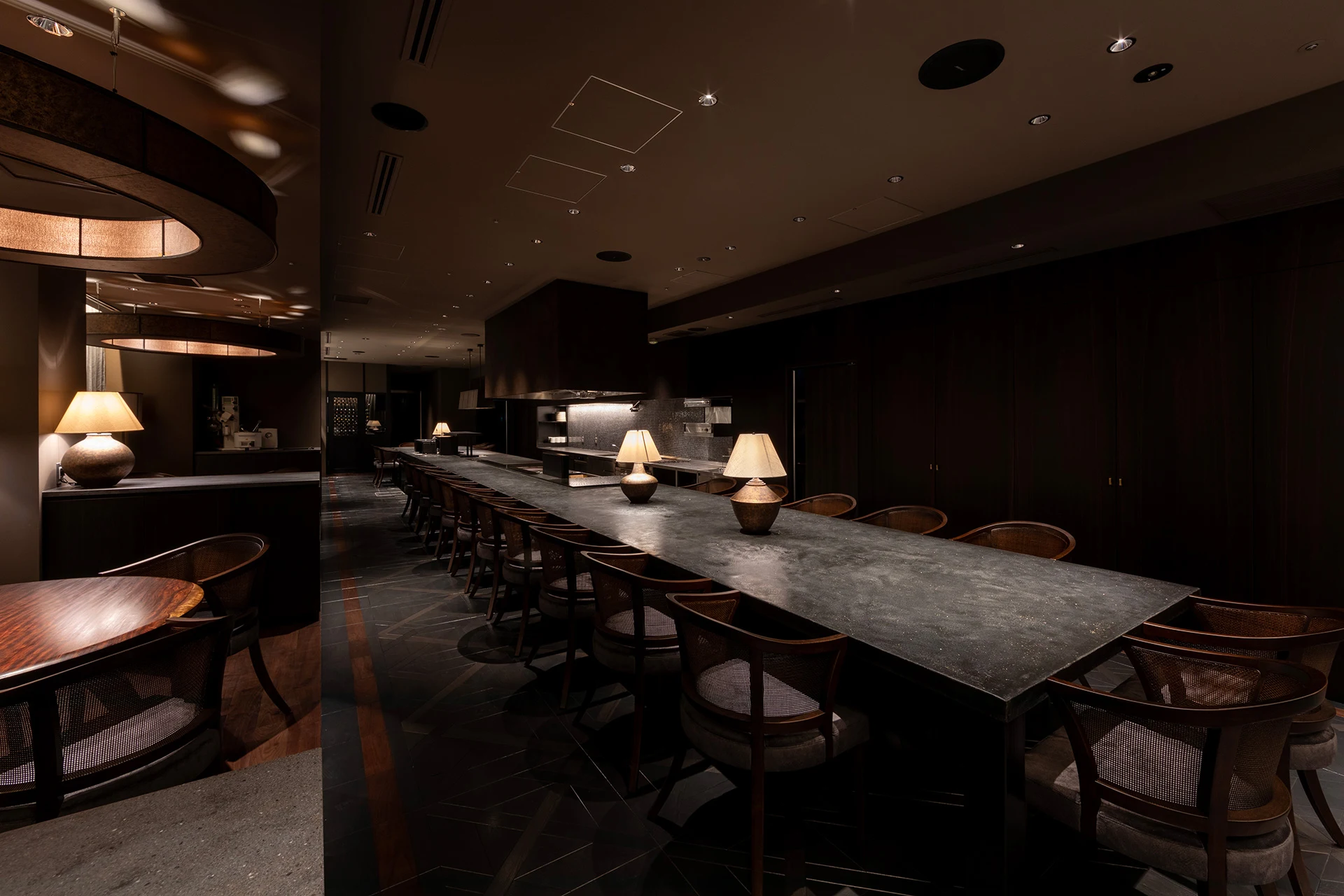
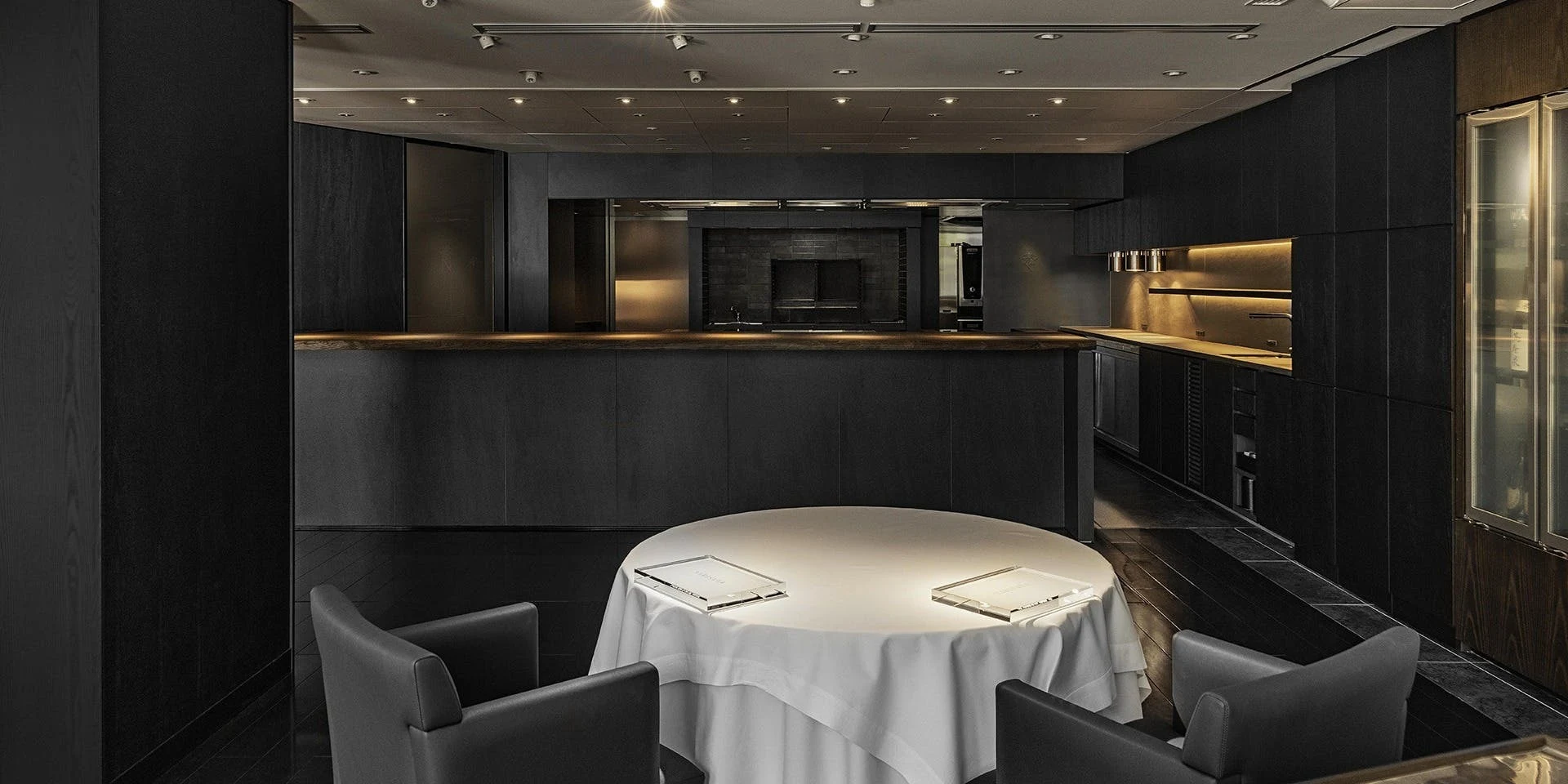
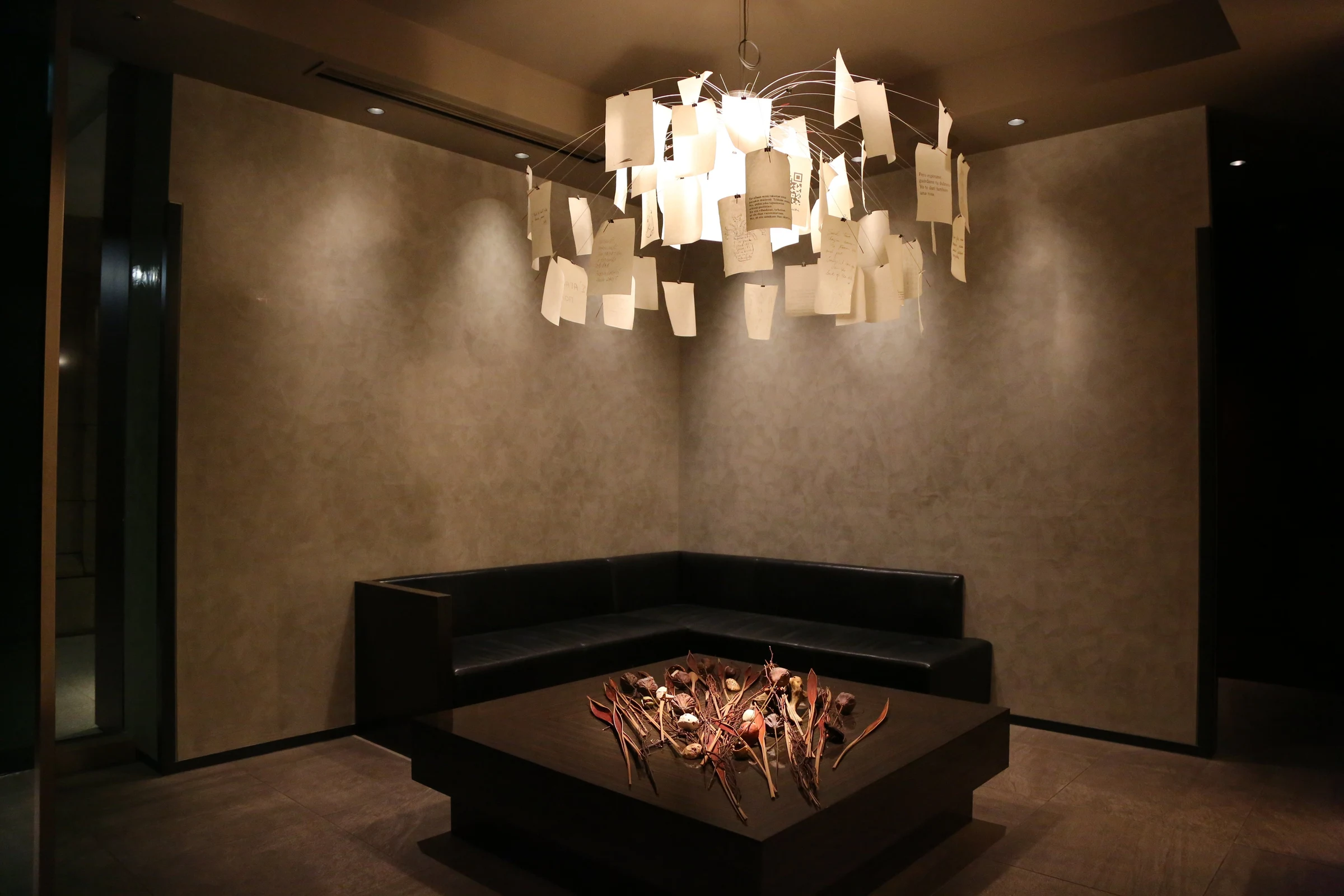
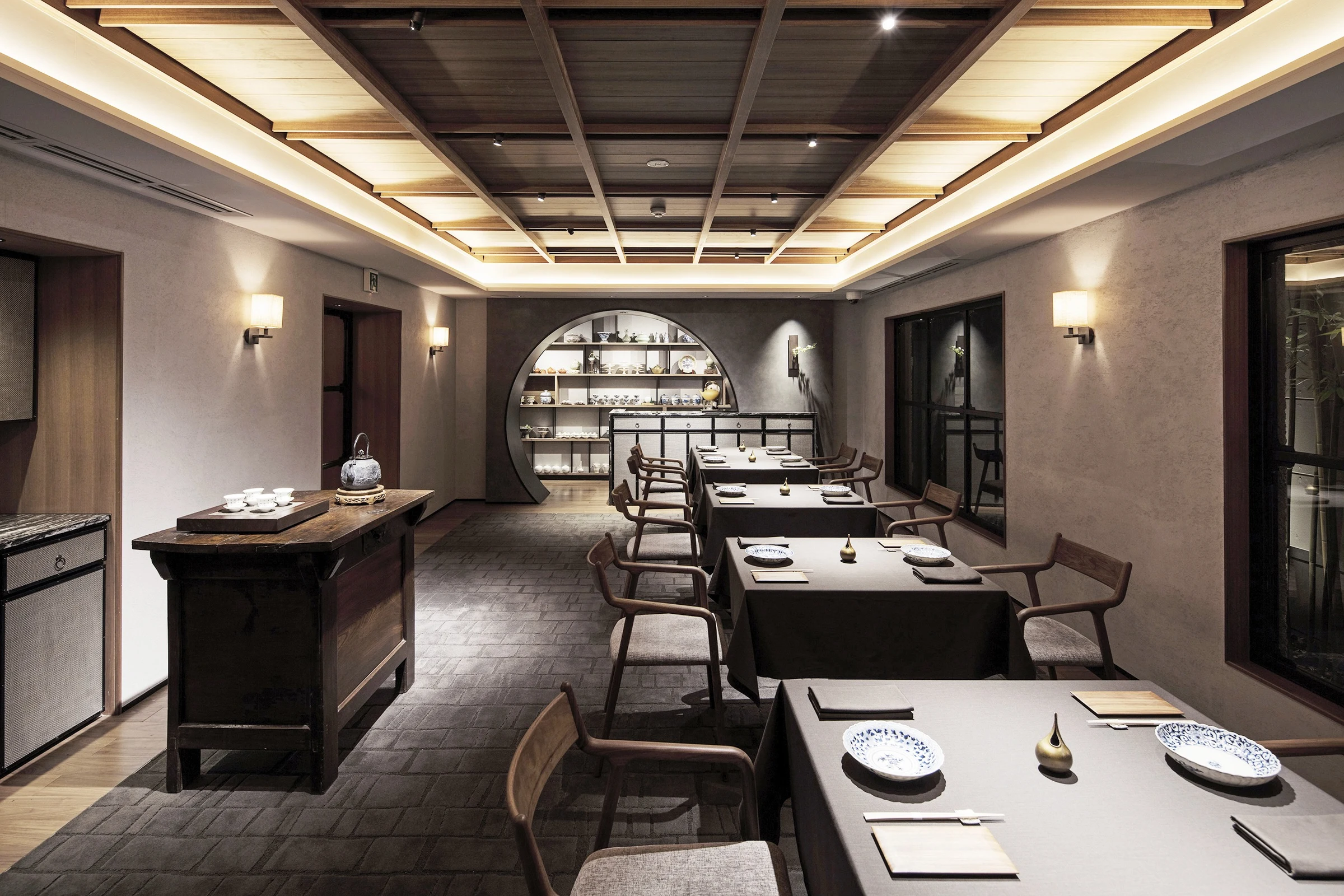
The Ginza restaurant sits on the 4th floor of the Kojun Building, with 43 seats and a room described by the house in warm, relaxed terms. Its name carries the characters for six, sense, and light or lamp, an idea less useful as slogan than as atmosphere: people gathered under a lamp, close enough to see the fry station work. The room belongs to Ginza’s polished dining grammar, but the craft keeps it grounded. Skewers move from the pass while they are still in their best minute. Bread and dessert extend the meal past the usual image of kushikatsu; wine gives it another tempo. Nothing here asks the fryer to vanish behind luxury. The counter lets the sequence show.
Osaka discipline, Ginza pace
The branch opened in 2006, carrying a well-known Osaka kushiage house into a neighborhood that expects precision without hurry. Its one current Michelin recognition belongs to Ginza Rokukakutei, Ginza, and the house’s older 2009 marker belongs to the Osaka restaurant associated with Tanaka’s craft identity. The distinction matters because place matters. In Tokyo, the lesson is in the sequence of seasonal vegetables, river prawn, sauces, and wine, each skewer leaving the fryer as Ginza Rokukakutei intends it to be eaten.
Questions
Frequently asked
What kind of restaurant is Ginza Rokukakutei?
It is a Ginza restaurant serving Michelin-listed Japanese kushiage, with the meal built around omakase skewers and wine pairing.
What is the format of the meal?
The kitchen serves omakase kushiage rather than a mixed fried plate, with a long course of 15 skewers and a premium course of 20 skewers. The course can stop when the guest is satisfied.
What are some of the dishes served?
The course can include wagyu fillet, direct-shipping river prawn, seasonal vegetables, direct-shipping vegetables, bread, dessert, and espresso coffee. Named items in the house copy also include a tiger prawn skewer, a chicken and shiso roll with tonburi, and deep-fried seasonal vegetables from Kuromon Market.
What should visitors know before booking?
Reservations are recommended. The restaurant has a smart casual dress code, sits on the 4th floor of the Kojun Building in Ginza, and nearby garage parking is available.
The field
How it compares
| Place | Cuisine | Notes | Awards |
|---|---|---|---|
| Ginza Rokukakutei | Michelin-listed Japanese kushiage with wine pairing | Ginza, $$$$ | · |
| Den | Modern Japanese Kaiseki | Tokyo | Michelin 2 Stars, World's 50 Best |
| Florilège | Modern French-Japanese Plant-Based Fine Dining | Tokyo | Michelin 2 Stars, World's 50 Best |
| Narisawa | Modern Japanese Satoyama Fine Dining | Tokyo | Michelin 2 Stars, World's 50 Best |
| Quintessence | Modern French Fine Dining | Tokyo | Michelin 3 Stars |
| Sazenka | Modern Chinese Fine Dining | Tokyo | Michelin 3 Stars, World's 50 Best |
| Sézanne | French | Tokyo | Michelin 3 Stars, World's 50 Best |
In residence
Similar places
Modern Japanese Kaiseki
Den
Tokyo, Japan
★★ · 50 Best
Modern French-Japanese Plant-Based Fine Dining
Florilège
Tokyo, Japan
★★ · 50 Best
Modern Japanese Satoyama Fine Dining
Narisawa
Tokyo, Japan
★★ · 50 Best
Modern French Fine Dining
Quintessence
Tokyo, Japan
★★★
Modern Chinese Fine Dining
Sazenka
Tokyo, Japan
★★★ · 50 Best
French
Sézanne
Tokyo, Japan
★★★ · 50 Best