Made ByWinery
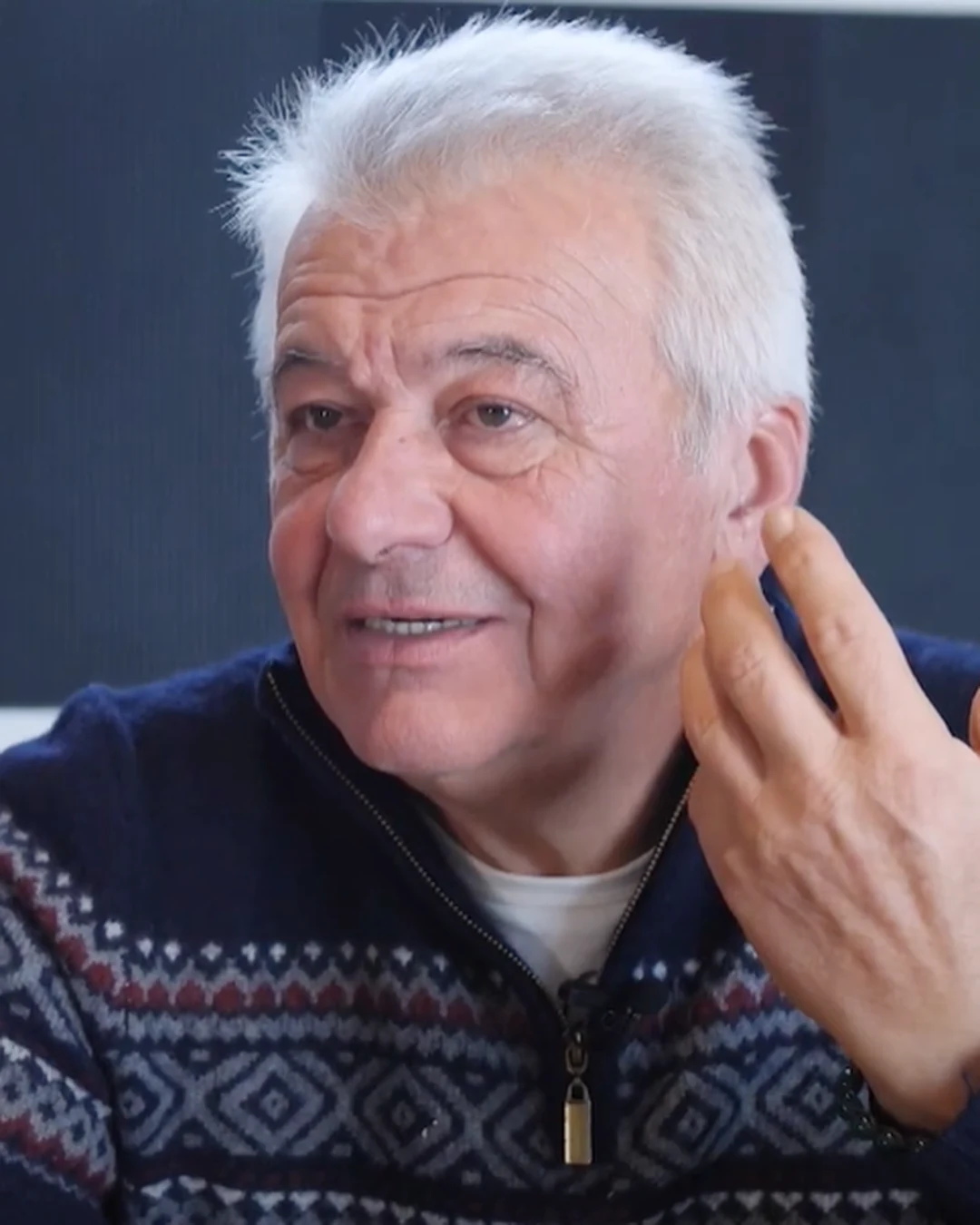

Giorgio Clai, winemaker at Giorgio Clai in Buje, works organic Istrian fruit into skin-contact wines shaped by Krasica limestone.
At a glance
- Price
- $$$
- Neighborhood
- Krasica (south of Buje)
Since 2001, close to the skins
Spontaneous fermentation begins on the skins, and Giorgio Clai, winemaker at Giorgio Clai in Buje, keeps the work close to hand. The cellar sits in Krasica, south of Buje in northern Istria, after his move from the restaurant industry in Trieste into wine in 2001. That earlier trade matters here less as biography than as discipline: timing, service, and the daily pressure of judgment carried into a different station. At this estate, white wine became the clearest register of his method, particularly the skin-contact and naturally vinified wines that make the house legible from the glass rather than from polish around it.
Clai has spoken plainly about the early reception: “People were saying I am crazy. That my wines are terrible and nobody wanted to drink them.” The sentence belongs to the pressure around the method, not to romance. He kept to a handmade approach, and later described the naming of Ottocento through that same lens: “No one is producing wine by hand like that since Ottocento.” The line fixes the work in a lineage of touch, barrel, lees, and patience, with the maker still present at the center of the estate.
Organic hillside, native fruit
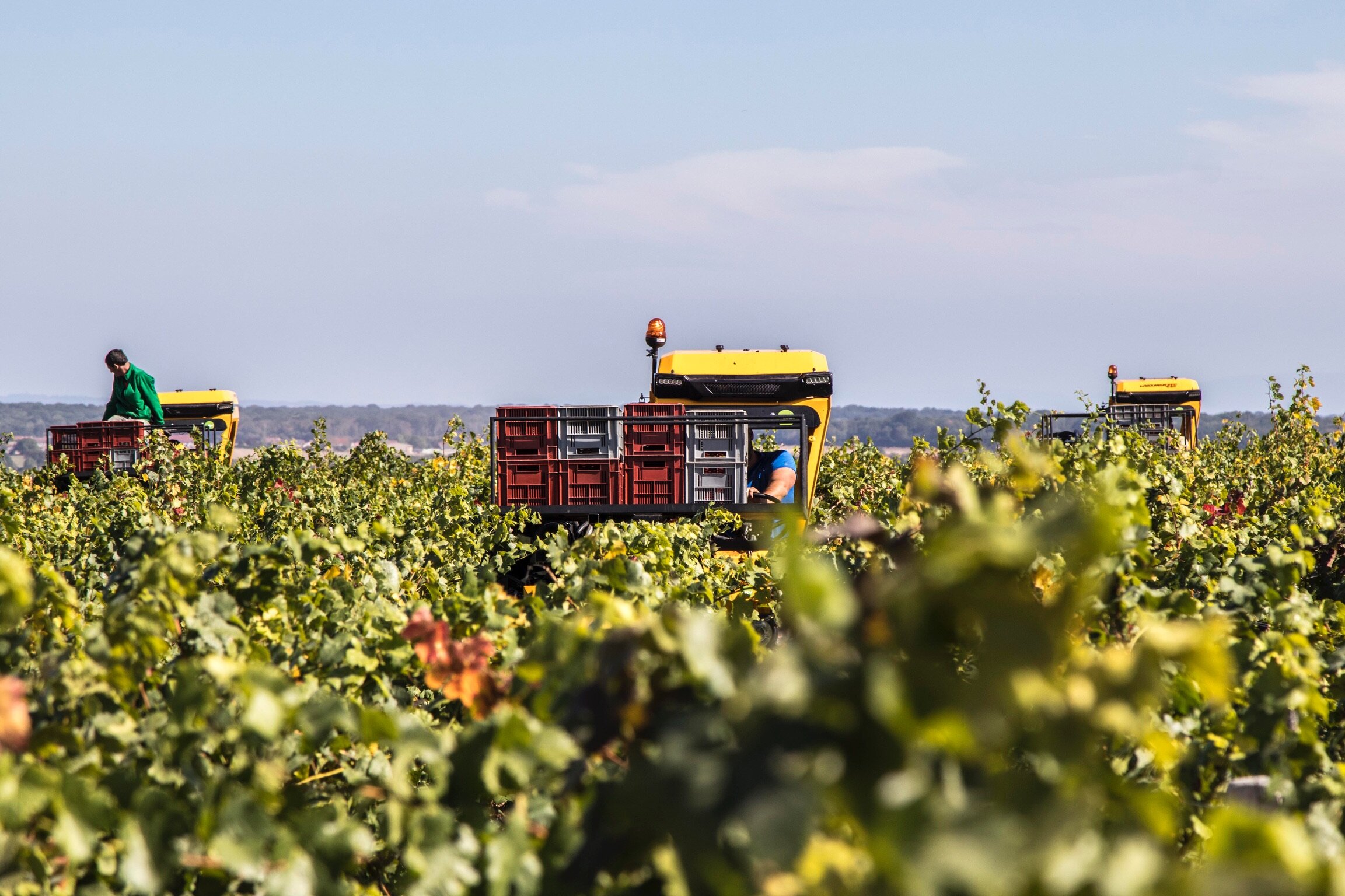
The farming gives the cellar its limits. Giorgio Clai works from about 10 hectares of vineyards and 5 hectares of olive trees, with the vines set around 200 meters above sea level. The Adriatic lies roughly 10 kilometers to the west, close enough for cool sea breezes to meet the sun-exposed hillside. Limestone flysch soils bring low fertility and good drainage, conditions the estate treats as useful stress for old vines rather than a problem to correct.
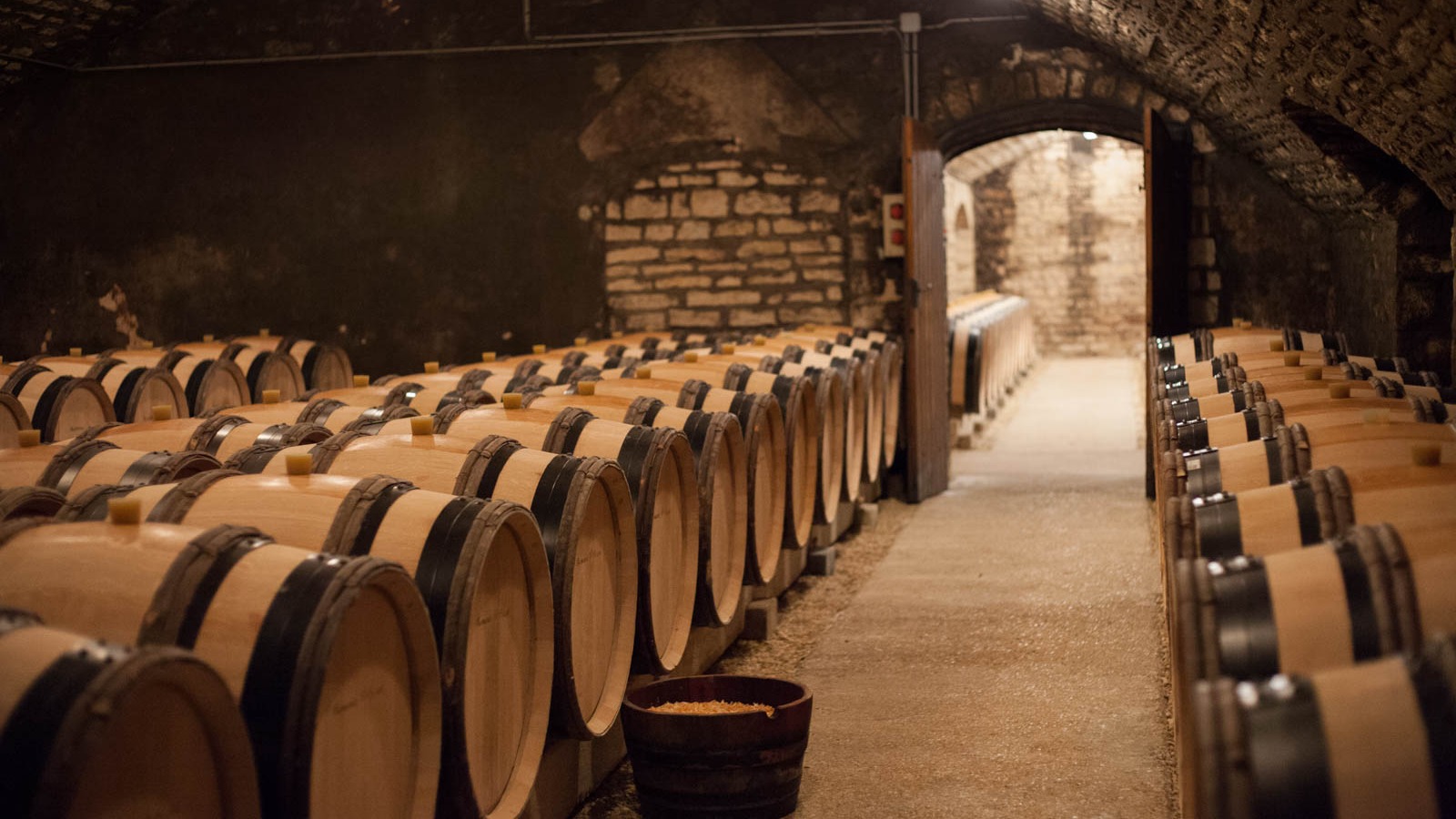
The vineyard program is organic, with no systemic treatments such as herbicides, insecticides, or fungicides, and only occasional fertilization with organic and natural manure. Planting density is high, at 5,700 plants per hectare, and yields stay low. The grape list points the estate back toward Istria: Malvazija, Refosk, Terrano, Bračan, and native field blends, with some international varieties present. In the cellar, grapes ferment without added enzymes, selected yeasts, or malolactic bacteria. The wines mature in wooden barrels of various sizes, remain on the lees for a long stay, and after nearly two years are bottled without micro or sterile filtering.
A cellar below the Adriatic air
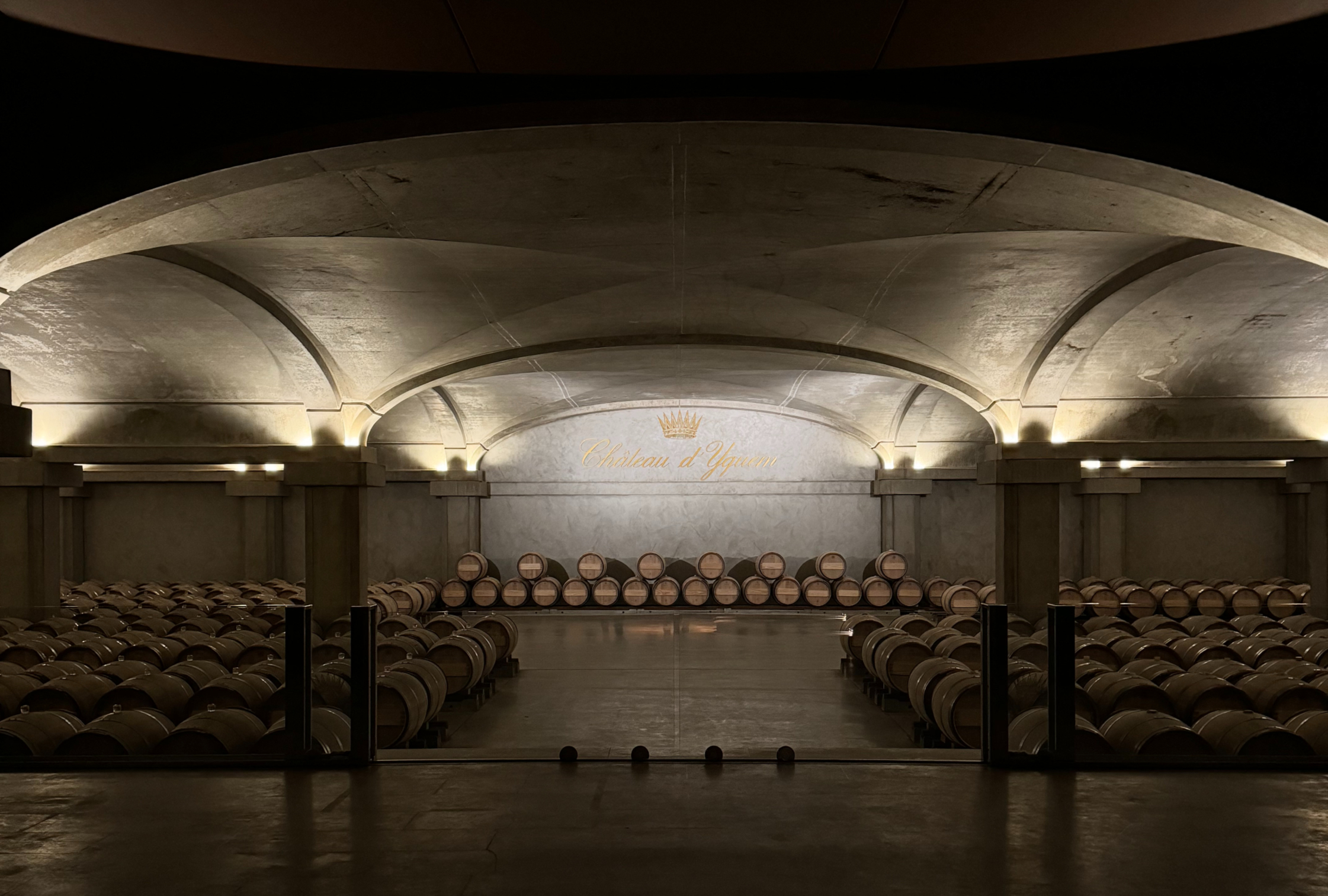
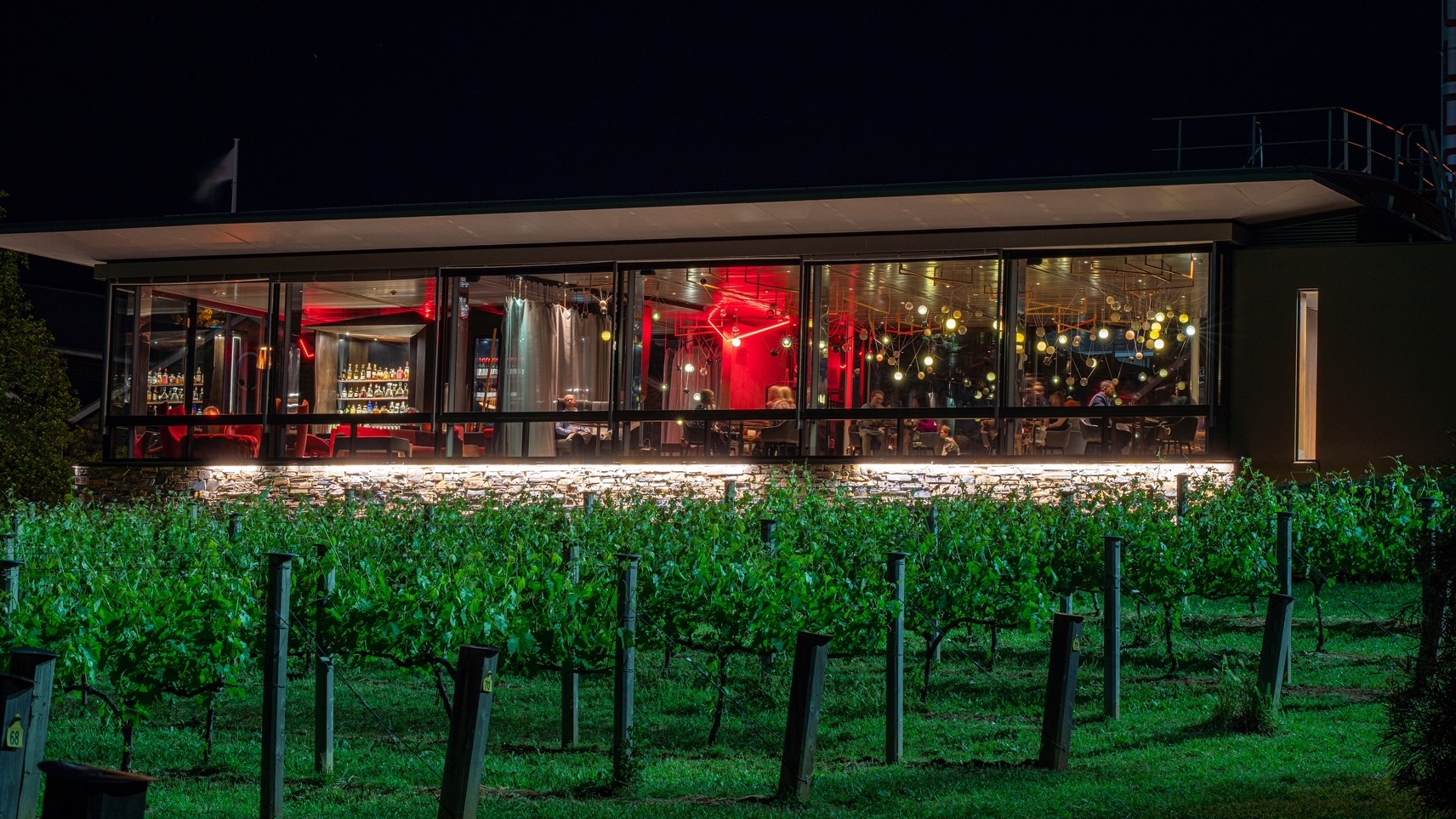
The room at Krasica reads as a working estate before it reads as hospitality. The vineyard, the olive trees, and the cellar sit together in a rural Istrian landscape near the Slovenian and Italian borders, with the Adriatic hinterland beyond the hillside. The tone is quiet, shaped by farming and cellar work rather than visitor-center theatre. What matters in the room is not display, but the sequence: fruit brought in from organic rows, skins left to speak, barrels holding texture, lees doing their slow work.
That texture carries through the tasting room because the wines are not built to erase vintage variation. The estate’s own position is that a natural year is not simply good or bad, only different, according to the season that made it. Ottocento Bijeli, Clai Bijele Zemlje, and Refošk Brombonero remain the concrete names for Giorgio Clai’s method at Krasica.
Know before you go
- Reservations
- appointment_only
- Parking
- on_site_lot
- Payment
- cash, credit_card
- Outdoor seating
- Yes
- Groups
- Welcomed
Address
Buje, Istarska županija, Kroatien
Krasica (south of Buje)