Glen Scotia is one of Campbeltown's three surviving distilleries, operating on High Street in a town that once counted over thirty working stills. Awarded Pearl 3 Star Prestige in 2025, it occupies a specific position in Scotland's whisky geography: a Campbeltown expression shaped by maritime air, coastal peat, and centuries of distilling continuity in one of the industry's most storied regions.
<h2>Where Campbeltown's Whisky History Still Has Weight</h2><p>Approach Campbeltown from the north along the Kintyre peninsula and the Atlantic closes in on both sides long before you reach the town. By the time you arrive at High Street, the salt-heavy air has already made its argument. This is not incidental to what Glen Scotia produces. In whisky, terroir is not a borrowed concept from wine, it is the actual mechanism: the climate, the coastal exposure, the character of the water source, and the slow maturation in conditions shaped by proximity to the sea. At Glen Scotia, all of those factors converge in a distillery at 12 High St, Campbeltown PA28 6DS.</p><p>Campbeltown was once the whisky capital of Scotland in raw numerical terms, with over thirty distilleries operating at its peak. That figure has contracted dramatically, and the town now holds three active producers, each carrying a disproportionate share of the regional identity. Glen Scotia sits alongside <a href="https://www.enprimeurclub.com/wineries/springbank-campbeltown-winery">Springbank</a> and <a href="https://www.enprimeurclub.com/wineries/glengyle-kilkerran-campbeltown-winery">Glengyle (Kilkerran)</a> as the region's working distilleries, a concentration that shapes how Campbeltown Scotch is understood by serious collectors and casual visitors alike. The regional designation itself carries legal weight under Scotch Whisky Regulations, placing Campbeltown alongside Speyside, Islay, the Highlands, and the Lowlands as one of five protected production zones.</p><h2>The Terroir Case for Campbeltown</h2><p>The Campbeltown style does not map neatly onto the more widely recognised profiles from Speyside or Islay. It sits between them in character: not the fruit-forward, relatively gentle expressions associated with Speyside distilleries like <a href="https://www.enprimeurclub.com/wineries/aberlour-aberlour-winery">Aberlour</a> or <a href="https://www.enprimeurclub.com/wineries/cardhu-knockando-winery">Cardhu</a>, and not the heavy medicinal peat of Islay's south shore. Campbeltown historically produced whiskies with a briny, oily quality, what older tasting literature sometimes describes as a slightly tarry or maritime depth. Glen Scotia's expressions carry this regional signature more openly than producers in more sheltered inland locations.</p><p>The geography explains much of this. Campbeltown sits on a peninsula with the Kilbrannan Sound to the west and the open Firth of Clyde to the east. Warehouses in this part of Scotland breathe differently from those in landlocked Speyside valleys. The sea doesn't just flavour the air, it conditions the casks, the pace of evaporation, and the texture of what matures inside them. For distilleries in coastal positions like <a href="https://www.enprimeurclub.com/wineries/ardnahoe-port-askaig-winery">Ardnahoe in Port Askaig</a> or <a href="https://www.enprimeurclub.com/wineries/clynelish-distillery-brora-winery">Clynelish Distillery in Brora</a>, coastal maturation is a defining production variable. At Glen Scotia, that variable works through one of the most exposed positions in the Scottish whisky map.</p><h2>Recognition and Where Glen Scotia Sits in the comparable set</h2><p>In 2025, Glen Scotia was awarded Pearl 3 Star Prestige. That rating places Glen Scotia in a group that includes distilleries across Scotland's varied production zones, from West Highland coastal producers to smaller Lowland operations like <a href="https://www.enprimeurclub.com/wineries/auchentoshan-distillery-clydebank-winery">Auchentoshan Distillery in Clydebank</a> and <a href="https://www.enprimeurclub.com/wineries/bladnoch-distillery-bladnoch-winery">Bladnoch Distillery in Bladnoch</a>. Among Campbeltown's three producers, the recognition signals that Glen Scotia competes on quality terms beyond regional novelty.</p><p>The context matters here. Campbeltown as a region is often approached by enthusiasts specifically for its rarity value, fewer distilleries means less volume, and the regional style has not been industrialised in the way that Speyside production has. Glen Scotia occupies the space where that rarity intersects with consistent production quality, which is a different proposition from simply being rare. Northern distilleries like <a href="https://www.enprimeurclub.com/wineries/balblair-distillery-edderton-winery">Balblair Distillery in Edderton</a> or <a href="https://www.enprimeurclub.com/wineries/dornoch-distillery-dornoch-winery">Dornoch Distillery in Dornoch</a> occupy analogous positions in their own regional contexts: smaller-volume, quality-focused producers with geographic identities that influence every stage of production.</p><h2>Visiting Glen Scotia: Practical Bearings</h2><p>Campbeltown is not a quick detour. From Glasgow, the drive south along the A83 and through the Kintyre peninsula takes approximately two and a half hours under normal conditions. There is no direct rail connection to Campbeltown, which means the town operates on a self-selecting visitor model: the people who make the journey have usually committed specifically to the whisky distilleries rather than folding a distillery visit into a broader itinerary. That creates a different kind of visitor experience from the more heavily trafficked Speyside whisky trail, where distilleries from <a href="https://www.enprimeurclub.com/wineries/deanston-deanston-winery">Deanston</a> to <a href="https://www.enprimeurclub.com/wineries/dunphail-distillery-dunphail-winery">Dunphail Distillery</a> can form part of a single multi-stop day.</p><p>Glen Scotia sits on High Street in the centre of Campbeltown, which means it is walkable from any accommodation in town and from the ferry terminal if you arrive by sea from Arran or cross-peninsula services. Visiting all three Campbeltown distilleries in a single day is geographically feasible given how compact the town is, though whether that is how you want to approach Glen Scotia depends on what you are after. A focused visit to a single distillery in a region with this kind of heritage tends to yield more than a compressed itinerary.</p><p>Seasonal timing affects the experience in practical ways. Spring and autumn visits avoid the peak summer window when distillery tours can book ahead, while still offering the kind of maritime weather that makes Campbeltown's coastal character legible in a direct, sensory way. Arriving in warm, still weather at a distillery like this produces a different atmospheric read than arriving in the wind off the Firth, and for a producer whose identity is bound up in that coastal exposure, the latter is arguably the more informative visit.</p><h2>The Broader Scottish Whisky Frame</h2><p>For visitors placing Glen Scotia within a wider Scottish whisky context, the comparison points to understand are regional rather than stylistic. Campbeltown is not trying to compete with Speyside on elegance or Islay on intensity. It holds a middle register that is historically rooted and geographically specific. Distilleries across the broader Scottish map, from <a href="https://www.enprimeurclub.com/wineries/achaia-clauss-patras-winery">producers in entirely different spirit traditions</a> to established New World operations like <a href="https://www.enprimeurclub.com/wineries/accendo-cellars">Accendo Cellars in St. Helena</a>, demonstrate that terroir-driven production is not exclusive to any single category. But within Scotch whisky, Campbeltown's claim to terroir expression is among the most direct and least diluted by industrial scale.</p><p>Glen Scotia's production volume means each expression carries the character of a specific place in a way that high-volume blending houses cannot replicate. That is the core editorial point for anyone deciding whether a trip to Campbeltown belongs in their planning. The question is whether you want to experience a regional expression that still has the shape of its geography. The question is whether you want to experience a regional expression that still has the shape of its geography, briny, coastal, with a production lineage that runs through one of Scotland's most contracted but most historically significant whisky regions.</p>
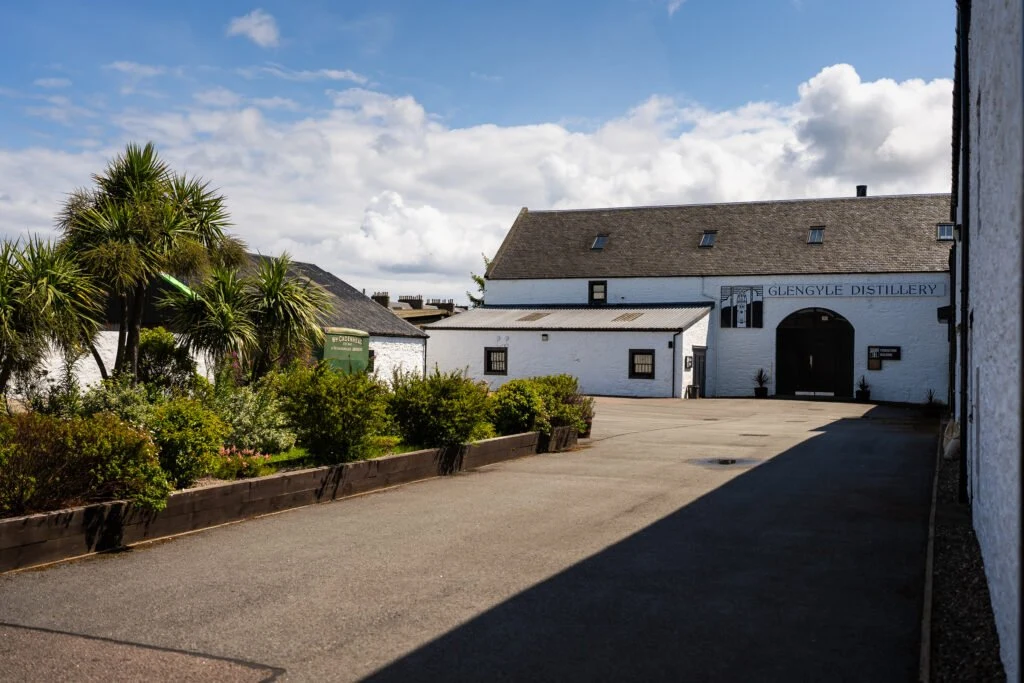
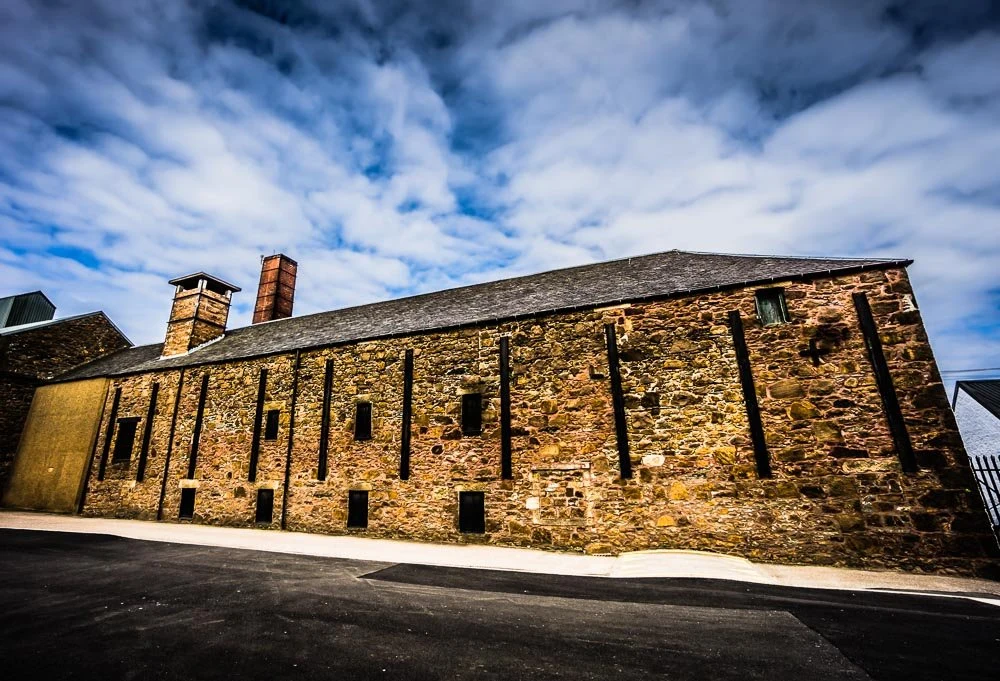
Glen Scotia occupies a working distillery on High Street in Campbeltown, a small harbour town at the southern tip of the Kintyre peninsula. The town itself is the draw as much as the distillery: once home to over 30 operating distilleries, Campbeltown is now one of Scotland's smallest whisky-producing regions with only three active producers. The setting is industrial in the honest sense, shaped by geography and history rather than visitor-centre aesthetics.
Glen Scotia has received recognition including: Pearl 3 Star Prestige (2025).
Glen Scotia is a Scotch whisky distillery, not a wine venue. The focus here is single malt produced in the Campbeltown style, which sits broadly between the weight of Islay and the lighter profiles of Speyside. For specific current expressions and tasting opportunities, checking directly with the distillery at 12 High St, Campbeltown PA28 6DS is the most reliable approach.
Glen Scotia is located at 12 High St, Campbeltown PA28 6DS, UK, Campbeltown.
Glen Scotia received Pearl 3 Star Prestige recognition from EP Club in 2025, confirming it as a producer operating at a confirmed level of quality within its category. Beyond the rating, it is one of three surviving distilleries in a region that once defined Scotch whisky production at industrial scale. That historical compression, a town-sized whisky heritage now concentrated into three active sites, gives a visit context that larger, more accessible regions cannot replicate.
Campbeltown is approximately two and a half hours from Glasgow by road along the A83, making it a deliberate destination rather than a passing stop.Confirming your visit arrangements directly with the distillery at 12 High St, Campbeltown PA28 6DS before making the journey is advisable, particularly given the distance involved.No booking data is held in public sources, so assume nothing about walk-in availability.
Campbeltown currently has three active distilleries, making it Scotland's smallest recognised whisky region by producer count. Glen Scotia is one of two single malt producers in the town alongside Springbank, the other being Glengyle, which operates as Kilkerran. Glen Scotia's Pearl 3 Star Prestige award from EP Club in 2025 places it among producers with verified quality credentials, and its position on the Campbeltown High Street makes it a logical starting point for anyone touring the region's remaining distilleries.
12 High St, Campbeltown PA28 6DS, UK
Campbeltown