- 1 Michelin Key · Michelin Guide
- Virtuoso Luxury Hotel Partner · 2026
- Michelin 1 Key · 2025
- Leading Hotels of World Member · 2025
- Michelin 1 Key · 2024
A Riviera Facade That Sets the Register
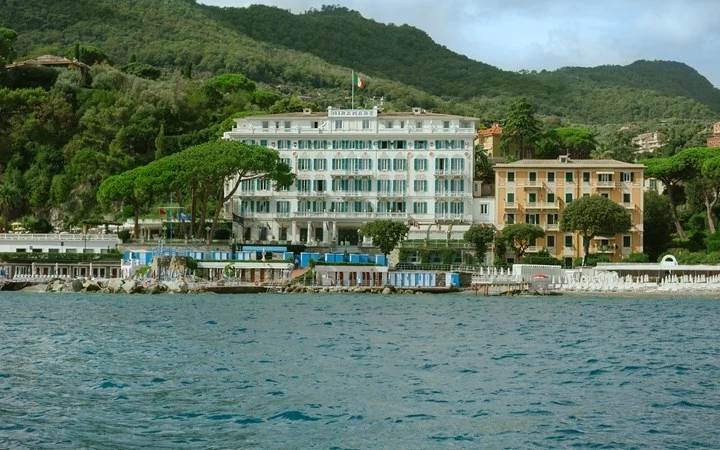
Approaching Santa Margherita Ligure along the coastal road, the Grand Hotel Miramare announces itself before you reach the entrance. The building rises above the waterfront in the manner of the grand Ligurian palace-hotels built at the turn of the twentieth century: ornate stucco facades, symmetrical balconies, and the faintly wedding-cake silhouette that the Belle Époque found irresistible on this stretch of the Italian Riviera. It is a specific architectural register, one that signals a particular kind of hotel experience, not the stripped-back minimalism favored by newer design properties, but the accumulated weight of a building that has been hosting guests since before the First World War.
The Art Nouveau grammar runs throughout the interior: curved lines, decorative ironwork, the blue-toned palette of Vistamare restaurant where the ceiling and furnishings echo the Ligurian Sea visible through the terrace doors. What keeps this from feeling like a museum piece is the Fustinoni family's ongoing investment in contemporary art. The miramART collection, curated by Andrea and Fabio Fustinoni, threads contemporary works across the property, creating a deliberate dialogue between the building's historical bones and present-day sensibility. It is a curatorial move that distinguishes Miramare from properties that simply preserve their heritage without interrogating it.
Architecture as Hospitality Argument
The 72 rooms and suites are described as individually styled, which in practice means the property resists the standardized room typology that defines most modern hotel groups. The building's age and structure produce natural variation: rooms facing the sea carry sweeping views across Tigullio Bay, while those oriented toward the rear overlook the wooded lower slopes of Mount Portofino, a quieter alternative that appeals to guests who find coastal panoramas less restful than a hillside of Mediterranean pine. This duality, sea-facing drama versus garden-side calm, is itself an architectural feature, determined by the building's position at the edge of the waterfront.
Private gardens sweeping from the sea-facing terrace toward the mountain slopes add a dimension that most seafront hotels in this tier cannot offer. Few properties on the Ligurian Riviera combine direct water access with genuinely extensive gardens, and the Sentimental Walk to the estate's highest point is an amenity that belongs as much to the landscape tradition of nineteenth-century grand hotels as it does to any contemporary wellness program. This kind of layered outdoor space is more commonly found at estate hotels inland, such as Castello di Reschio in Lisciano Niccone or Borgo San Felice Resort in Castelnuovo Berardenga, and its presence at a seafront property in a busy Riviera town is notable.
Four Dining Spaces, One Culinary Throughline
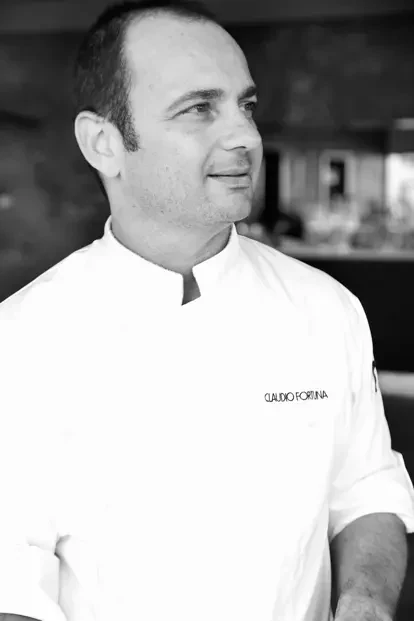
Ligurian cooking is restrained by nature: the region's cuisine built around olive oil pressed from small, intensely flavored taggiasca olives, fresh pasta in formats like trofie and trenette, the herb-driven pesto that tourists encounter everywhere and locals consume with more ceremony. The risk at any grand hotel restaurant is that this tradition gets softened for an international audience into something pleasant but inert. At Vistamare, the main dining room, chef Claudio Fortuna works Ligurian cuisine with deliberate inflection rather than direct reproduction. The Art Nouveau room opens onto a coastal terrace, which means the view functions as part of the dining experience in a way that is genuinely structural rather than incidental.
The hotel's four dining formats speak to different rhythms of a Riviera stay. The breakfast buffet at Vistamare, with its emphasis on homemade pastries alongside savory and cooked options, sets the tone for a property that takes the first meal of the day seriously. Bar Le Colonne frames aperitivo as the social ritual it remains in northern Italy: a specific hour, a specific posture toward the day's end, with views across the bay toward Punta Mesco, Sestri Levante, Chiavari, Zoagli, and Rapallo. The Pool Restaurant and Bar operates seasonally from May to October, offering summer lunches against the backdrop of the saltwater pool and the coastline beyond. Barracuda Beach Restaurant operates from June through September at the seafront, with fresh fish and pasta for the kind of long lunch that functions as its own argument for the Italian summer.
The seasonal structure of the food and beverage program is worth noting for planning purposes. Guests visiting in spring or autumn will find a more contained dining offer, with some outdoor venues closed and the beach club not yet open. The property's full experiential range operates in summer, which is also when demand peaks along the Riviera.
Trust Signals and Competitive Position
Miramare holds two credentials worth examining together. The Michelin Key award, received in 2024, signals recognition for the hotel's overall hospitality offer rather than specifically its food: Michelin's hotel program evaluates design, service, and atmosphere alongside dining. Membership in Leading Hotels of the World since 2025 places the property within a collection that emphasizes independent, non-chain properties meeting a defined service standard. Together, these two signals position Miramare in the tier of recognized independent grand hotels rather than either the branded luxury segment or the purely boutique design category.
Among Italian coastal properties in this conversation, the reference set includes hotels that have maintained similar grand hotel heritages while investing in contemporary programming. Il Pellicano in Porto Ercole operates at a comparable intersection of historical identity and coastal positioning. Bellevue Syrene 1820 in Sorrento holds a similar vintage and waterfront orientation in the south. For travelers comparing the northern Italian lake and coastal circuit, Grand Hotel Tremezzo in Tremezzo on Lake Como represents the same grand hotel tradition applied to a different body of water. Across all of these, the argument for the category rests on architecture, position, and accumulated identity rather than on the amenity arms race that defines newer luxury builds. Properties like Aman Venice, Four Seasons Hotel Firenze, or Bulgari Hotel Roma compete in a higher price tier with different ownership structures; Miramare's appeal is closer to that of Casa Maria Luigia in Modena, where family ownership over generations produces a specific hospitality character that larger groups replicate with difficulty.
It suggests the hotel delivers reliably on its promise, which for a property at this price point and heritage is the minimum acceptable standard.
Borgo Santandrea on the Amalfi Coast, Il San Pietro di Positano, and JK Place Capri offer comparison points in the southern coastal tier, while Borgo Egnazia in Savelletri di Fasano, Passalacqua in Moltrasio, EALA My Lakeside Dream in Limone sul Garda, and Forestis Dolomites in Plose extend the Italian itinerary into lake and mountain territory. Further afield, Rosewood Castiglion Del Bosco in Montalcino, Castelfalfi in Montaione, Castel Fragsburg in Merano, and Corte della Maestà in Civita di Bagnoregio represent properties with similarly rooted, owner-driven identities across different Italian regions. For those extending their travels beyond Italy, Portrait Milano offers an urban reference point, and internationally, The Fifth Avenue Hotel in New York City, Aman New York, and Amangiri in Canyon Point sit in the broader conversation about properties where architecture and identity drive the stay.
Questions
Frequently asked
What recognition does Grand Hotel Miramare hold?
Grand Hotel Miramare holds 1 Michelin key.
Who works at Grand Hotel Miramare?
Made By profiles Claudio Fortuna (Other) at Grand Hotel Miramare.
How expensive is Grand Hotel Miramare?
Grand Hotel Miramare is listed at a price level of $$$$.
The field
How it compares
| Place | Awards | Notes |
|---|---|---|
| Grand Hotel Miramare | Michelin 1 Key | Santa Margherita Ligure, $$$$ |
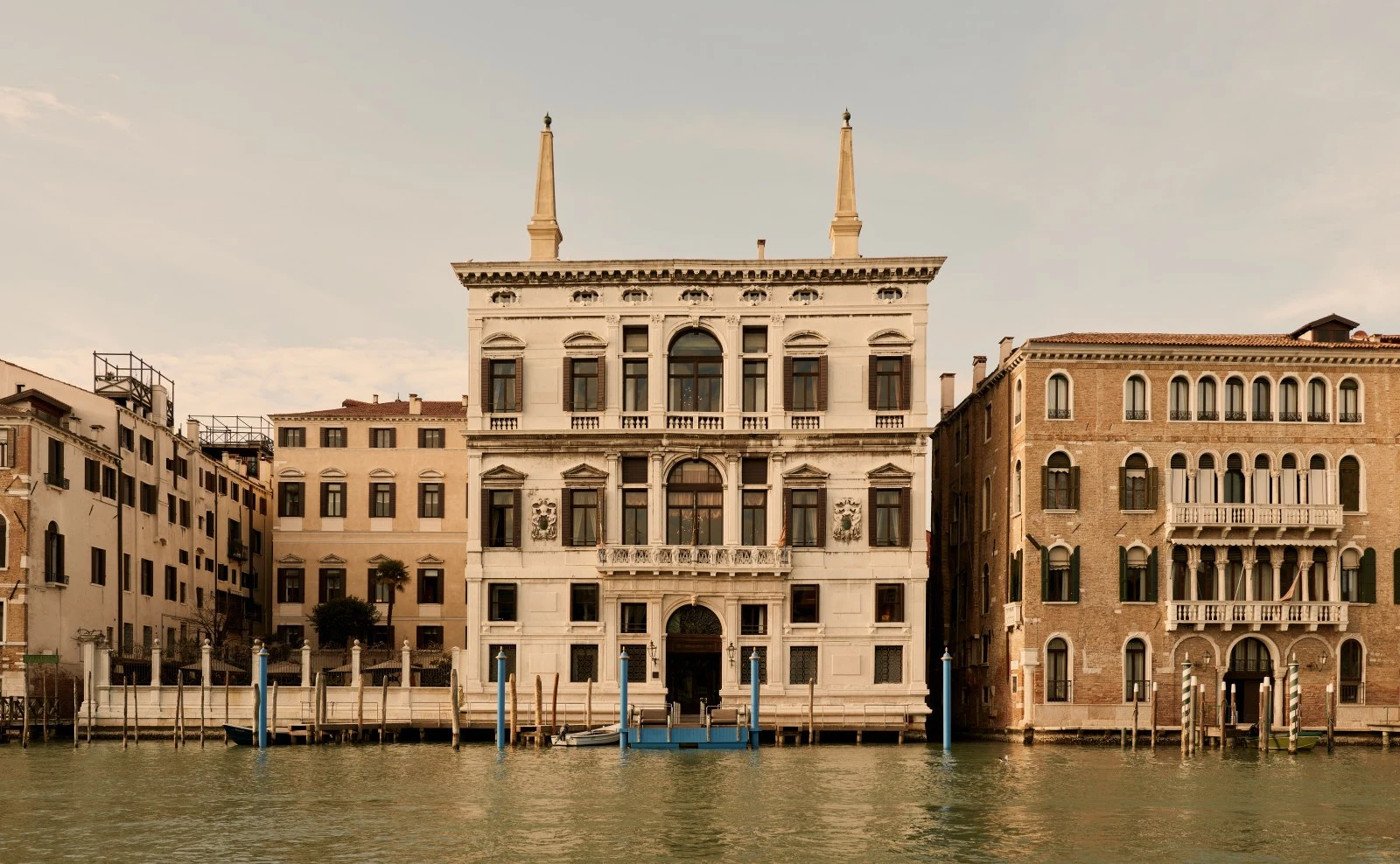
| Aman Venice | Michelin 3 Keys, World's 50 Best | Venice |
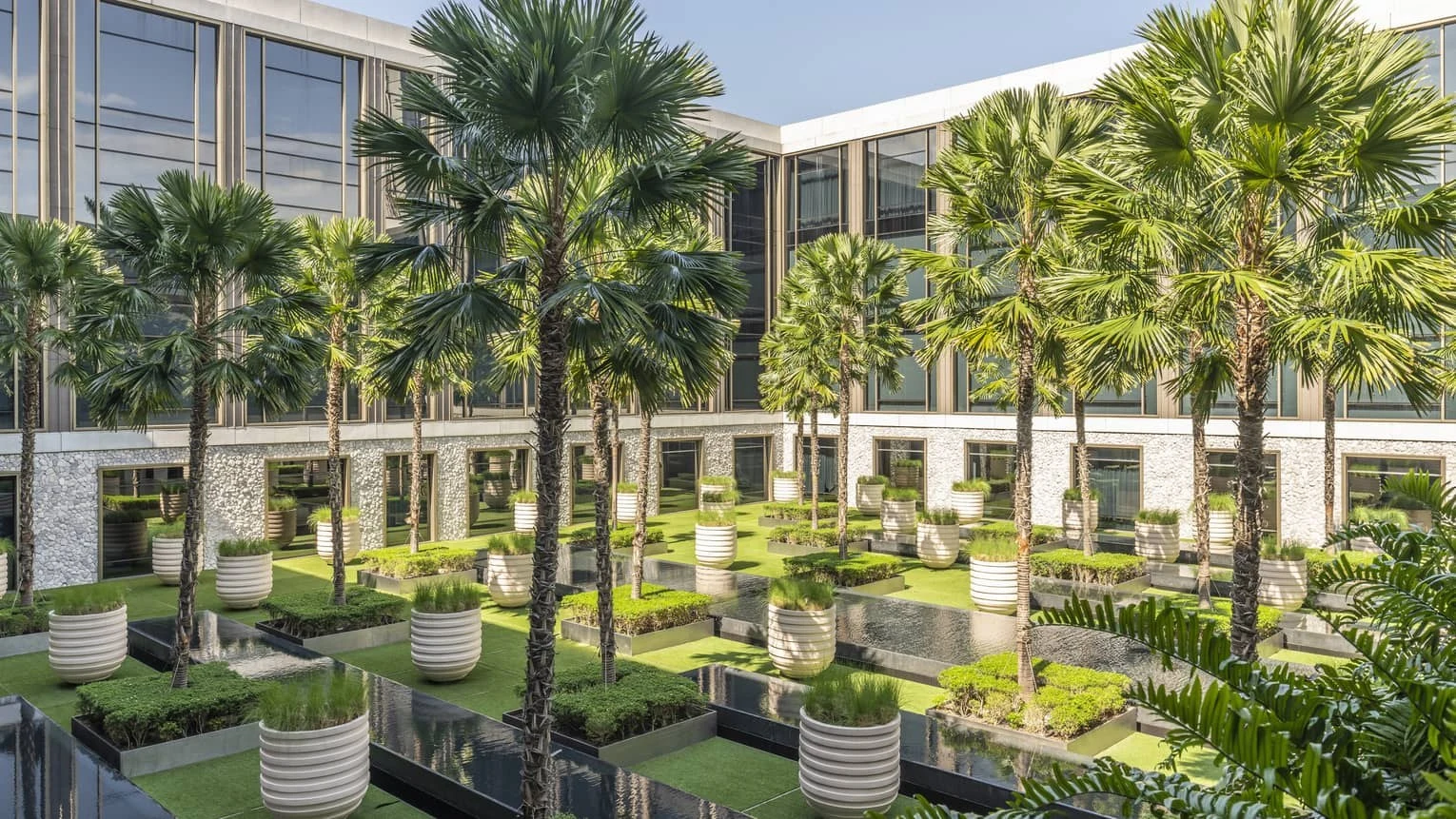
| Four Seasons Bangkok at Chao Phraya River | Michelin 2 Keys, World's 50 Best | Bangkok |
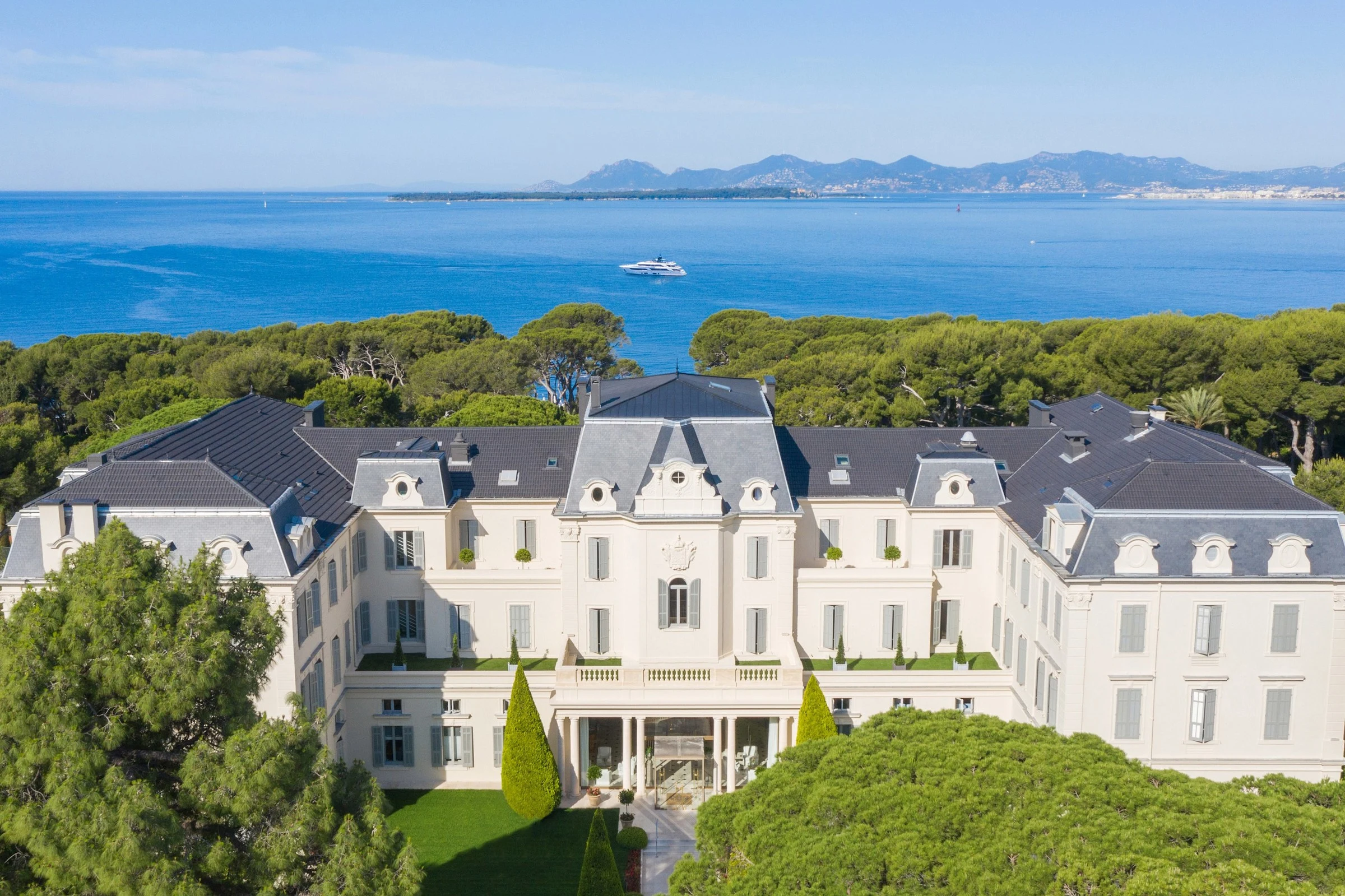
| Hotel Du Cap-Eden-Roc | Michelin 3 Keys, World's 50 Best | Cap d'Antibes |
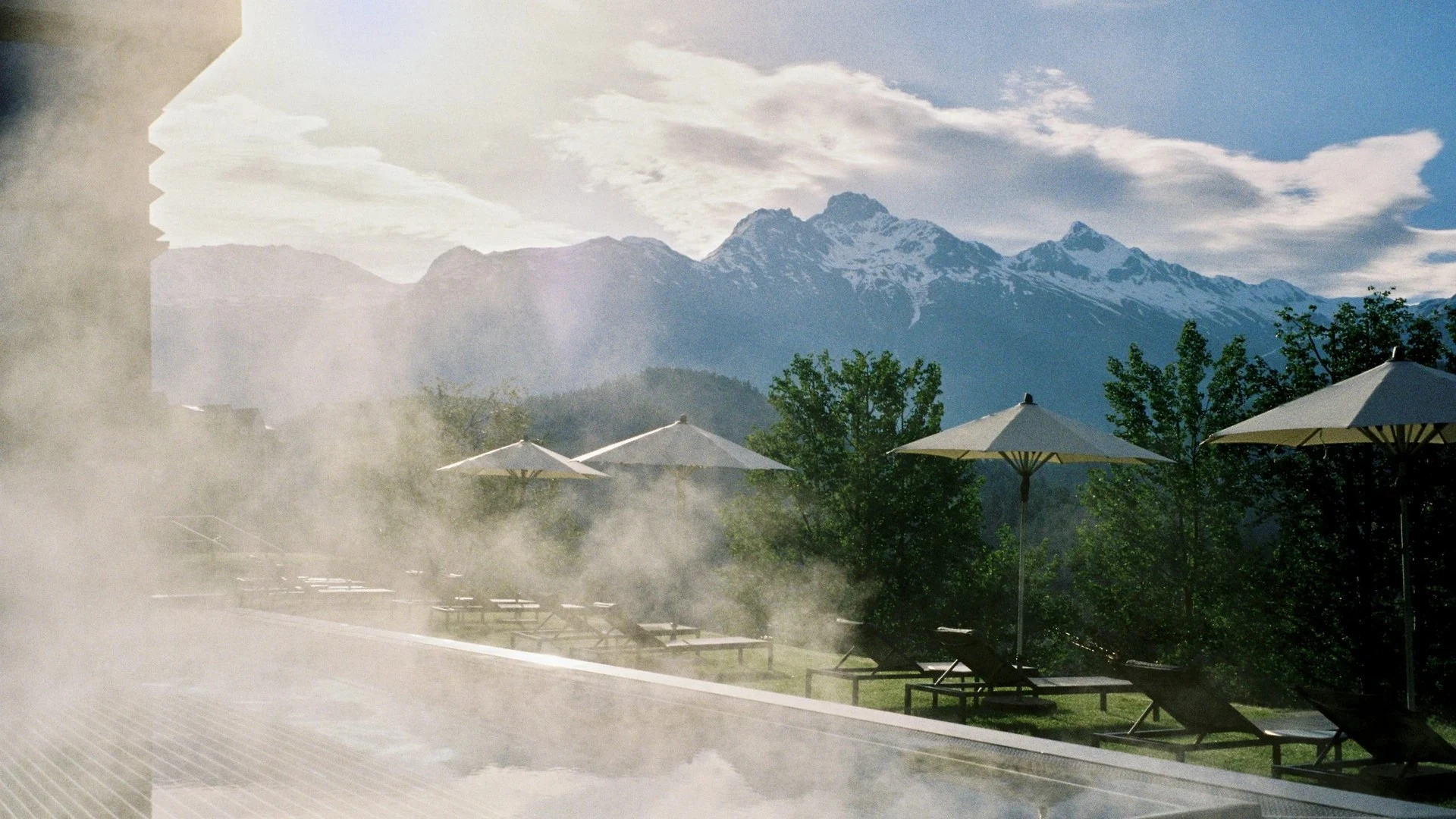
| Kulm Hotel St. Moritz | Michelin 2 Keys | St. Moritz |
| Passalacqua | Michelin 3 Keys, World's 50 Best | Moltrasio |
| The Mark | Michelin 2 Keys, World's 50 Best | New York City |