Grand Logis
- 01CityCrozes Hermitage, France
- Falstaff Winery - Listed · 2026
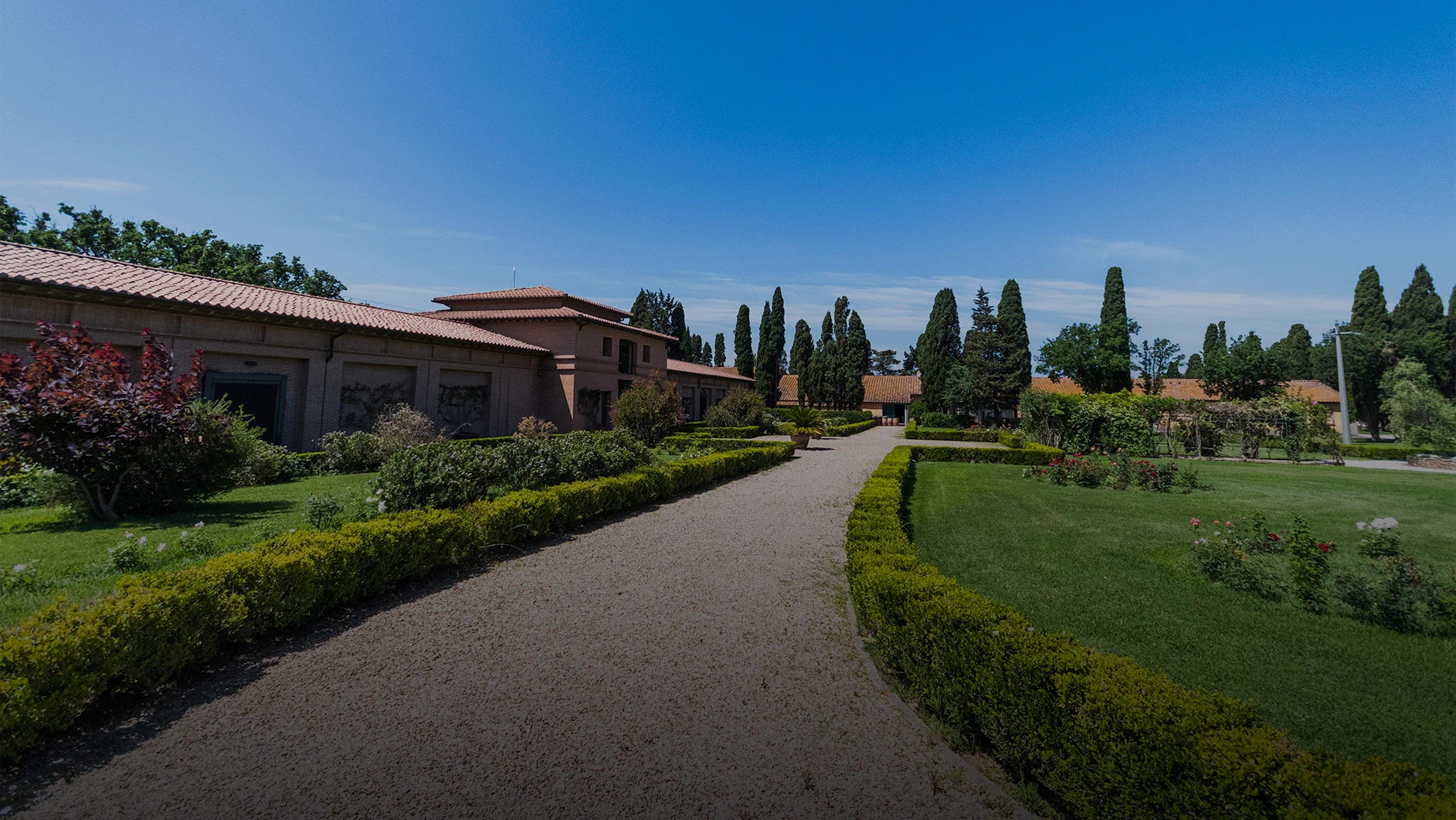
Approaching wine country in Crozes Hermitage is not necessarily about spectacle. The appeal can be agricultural before it is architectural: vineyard rows, rural rhythms, and a scale that reminds visitors that this Rhône wine area is built as much on modest producers as on larger destination estates. Grand Logis fits that register, with a classic rural atmosphere and a focus on Crozes-Hermitage wines rather than a large visitor-center experience. It reads as the kind of stop where the landscape and the producer context matter as much as any formal presentation, and where the surrounding sense of place helps frame what is in the glass.
For travelers planning a stop, the most useful expectation is simple: Grand Logis is best understood as a small Rhône winery in Crozes Hermitage. The picture is not one of a heavily programmed hospitality complex, but of a rustic, scenic producer setting where the point is the local wine context. That distinction matters for planning. Visitors looking for a broad leisure venue with many confirmed extras should be cautious, while those interested in a more direct encounter with Crozes-Hermitage as a working wine area may find the smaller scale more coherent.
Crozes-Hermitage seen through a small-producer lens
Grand Logis is better understood as part of the appellation’s ground-level wine culture than as a polished tourism complex. Its profile is small, classic, rustic, and vineyard-oriented, which places the emphasis on essentials: Crozes-Hermitage wines and the surrounding landscape rather than an elaborate destination-estate format. In that sense, it is useful not because it overwhelms the visitor with infrastructure, but because it keeps attention on the appellation itself. The setting suggests a wine-country experience shaped by production, place, and rural continuity more than by a constructed hospitality narrative.
That makes expectation-setting important. Visitors should treat Grand Logis as a focused winery stop and confirm practical arrangements directly before making a special trip. A smaller producer profile can be part of the charm, but it also means travelers should not assume the same kind of standardized visitor flow they might expect from larger, more tourism-oriented estates. The more carefully the visit is planned, the easier it is to appreciate the venue on its own terms rather than measuring it against a different category of wine destination.
The appeal, on the information available, is the chance to encounter Crozes-Hermitage wine in a classic producer atmosphere. For travelers trying to understand Crozes Hermitage as wine country, that quieter setting may be more relevant than a venue designed around extensive visitor amenities. It places the emphasis back on the core experience: a Rhône winery, a local appellation, and a rural setting that gives context to the wines without needing to turn the visit into a large-scale attraction.
The visit logic: appellation first, amenities second
The useful way to approach Grand Logis is to treat it as an appellation-focused winery visit. The emphasis is on Crozes-Hermitage wines and a small Rhône setting, not on a long list of confirmed extras. Rather than assuming a particular service style, visitors should focus on the place, the producer scale, and the local wine identity. This keeps the visit grounded. Grand Logis is most legible when viewed through Crozes Hermitage first: a wine region with its own agricultural texture, its own producer rhythms, and its own reason for drawing travelers who want to understand the Rhône beyond the most obvious points of reference.
Price signal sits in a moderate bracket, listed as $$. Beyond that, no specific details confirm tasting prices, menu formats, private rooms, food pairings, children’s programming, outdoor seating, or other add-ons. The safest planning approach is to verify the current visit format directly with Grand Logis. That is especially important for anyone building a day around a single appointment or trying to coordinate wine visits with meals, lodging, or onward travel. With limited confirmed amenity information, flexibility and direct confirmation are the responsible way to plan.
Recognition here should not be framed as trophy-driven unless confirmed separately. The stronger editorial reason to pay attention is its position as a small winery in Crozes Hermitage with a classic, rustic, scenic atmosphere. The visit should be judged by how well it helps travelers understand the local wine setting, not by markers of prestige or scale. In that frame, modesty is not a weakness; it is part of the point. Grand Logis offers a way to think about Crozes-Hermitage through proximity, simplicity, and producer context rather than through spectacle.
How it fits into a Crozes-Hermitage itinerary
For a compact wine-focused day, Grand Logis can sit alongside a broader look at Crozes Hermitage. Use local winery, dining, lodging, and travel research to build the rest of the day around meals, sleep, and non-wine context, while keeping Grand Logis in mind as a small Rhône winery rather than a large visitor-center stop. It works well as one element in a measured itinerary: a place to anchor the wine identity of the area, while the rest of the day fills in practical needs and a wider sense of the region.
Readers mapping French wine travel more broadly can compare regional styles without forcing direct equivalence. Other wine regions ask different questions of the traveler, while Grand Logis is most clearly useful as a Crozes Hermitage reference point: a modest, rustic, scenic winery focused on Crozes-Hermitage wines. Its value lies in that specificity. Rather than trying to make it stand for every kind of French wine experience, it should be understood as a local, appellation-centered stop that helps clarify what this part of the Rhône can feel like at a smaller, quieter scale.
Questions
Frequently asked
How expensive is Grand Logis?
Grand Logis is listed at a price level of $$.
The field
How it compares
| Place | Notes | Awards |
|---|---|---|
| Grand Logis | $$ | · |
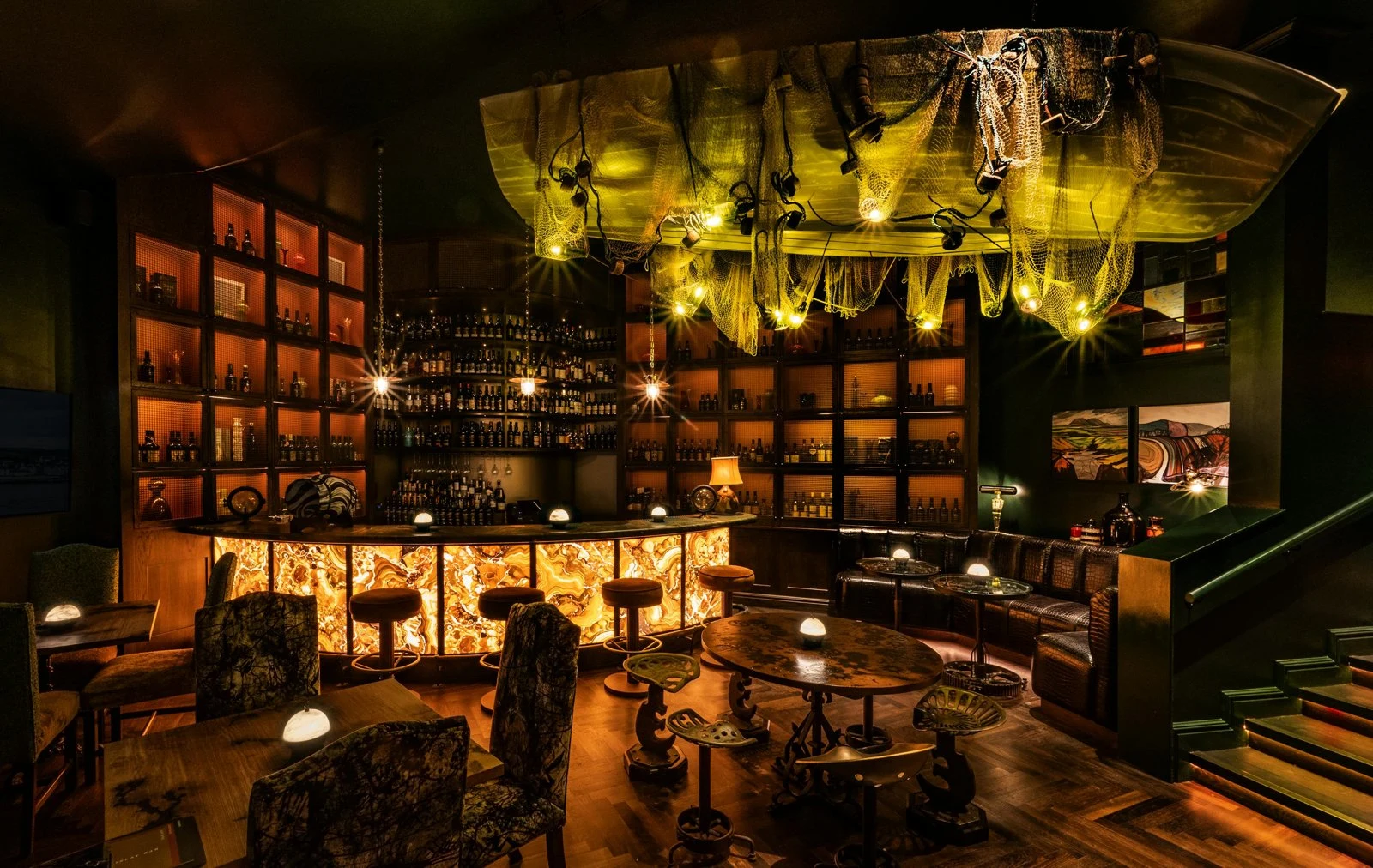
| Ardbeg | Port Ellen | · |
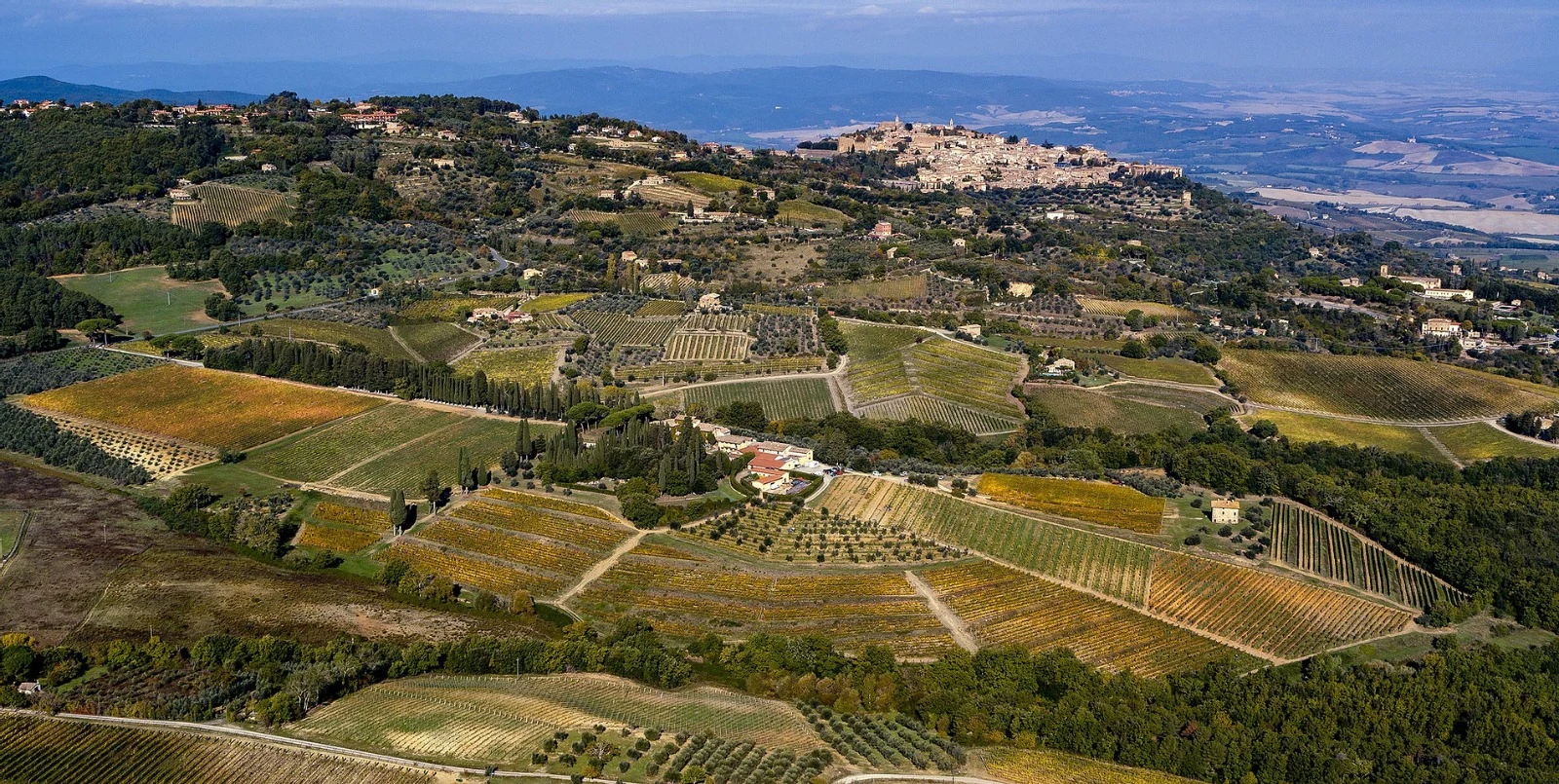
| Biondi-Santi Tenuta Greppo | Montalcino | · |
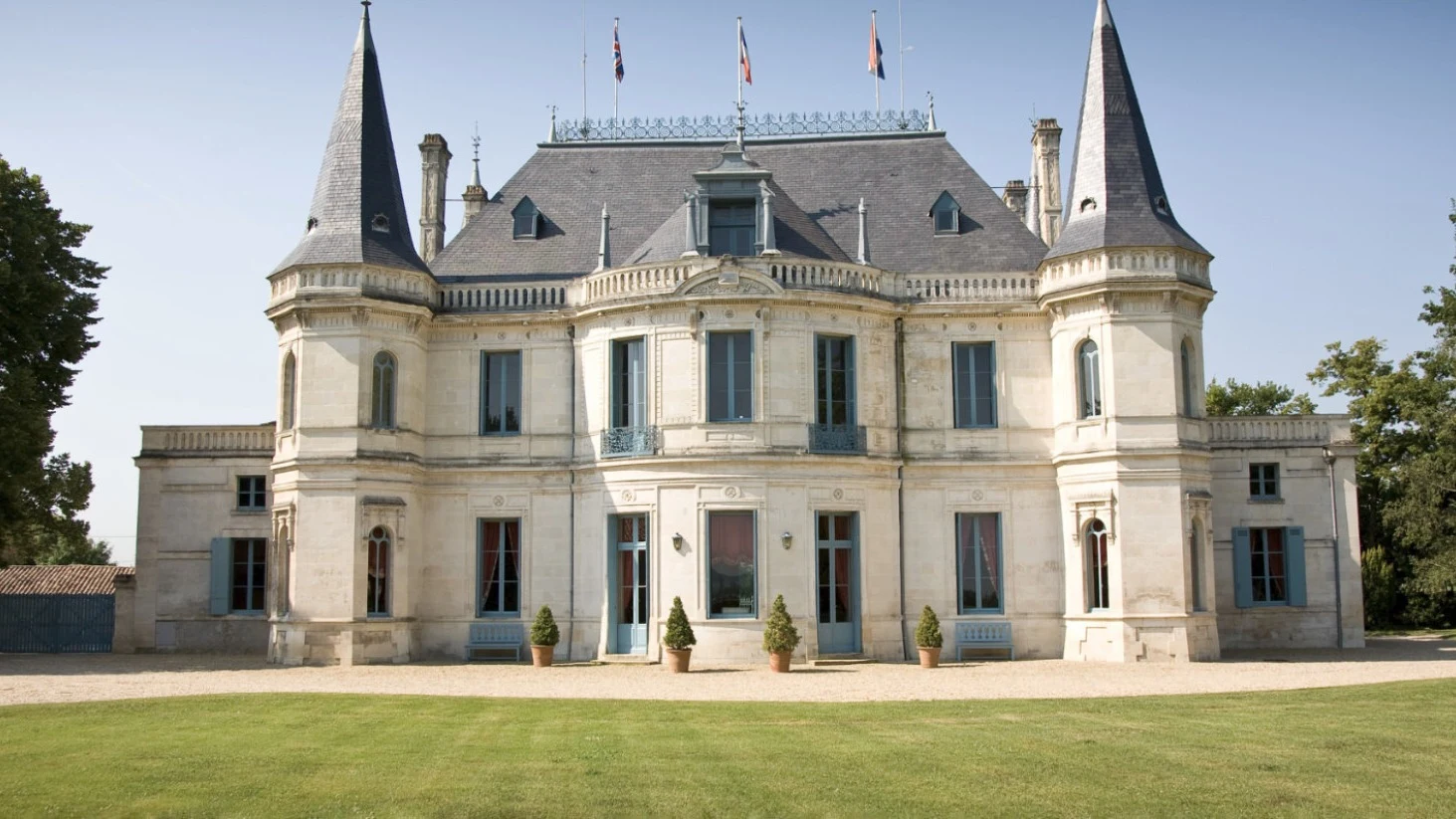
| Château Palmer | Margaux | · |
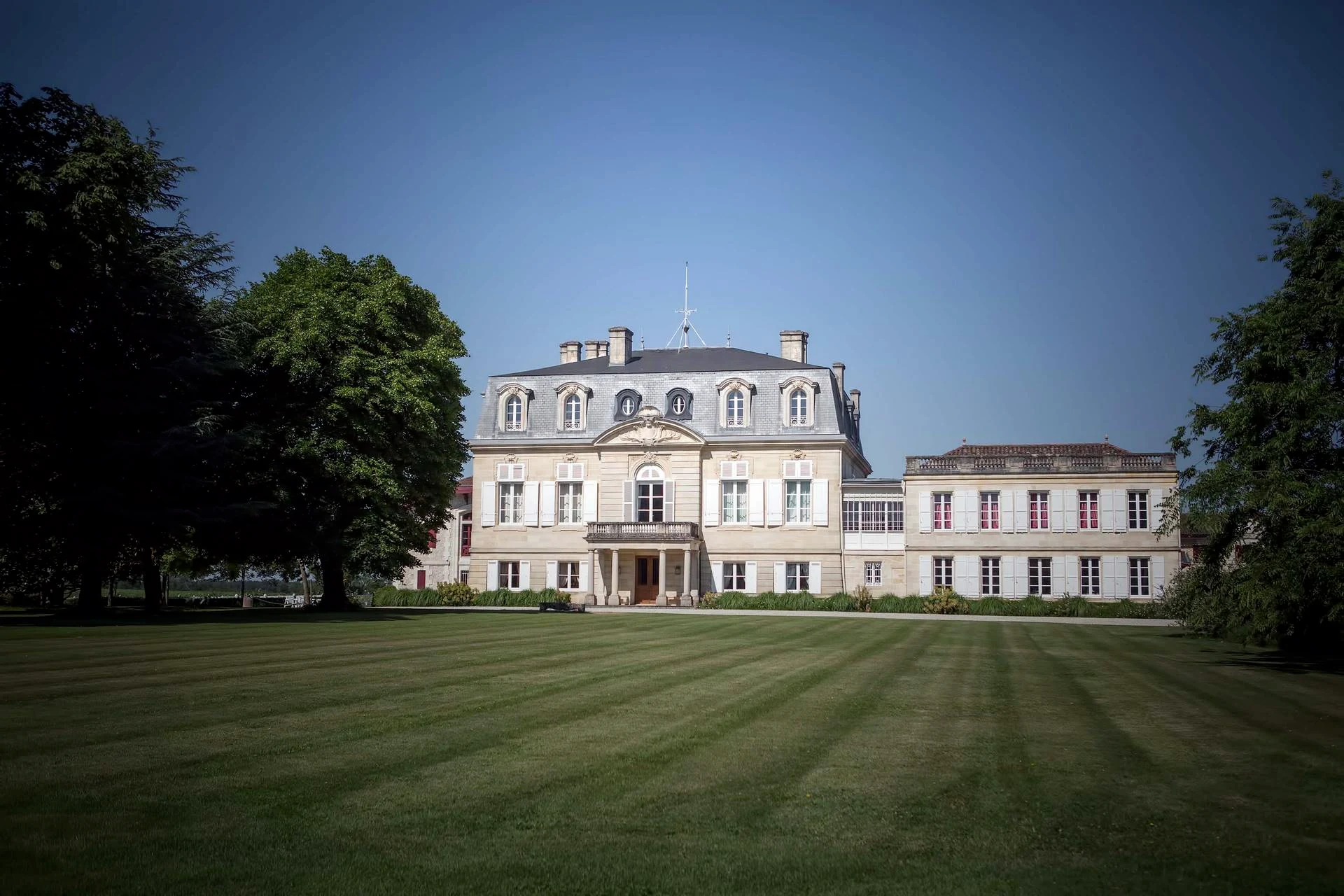
| Château Pontet-Canet | Pauillac | · |
| Tenuta San Guido | Bolgheri | · |
| Viña Montes | Santa Cruz | World's 50 Best |