Gucci Osteria da Massimo Bottura
In Residence
Hyungkyu Jun
Chef
- 01CuisineModern Italian Contemporary
- 02CitySeoul, South Korea
- Michelin Plate · 2026
- La Liste Top Restaurants: 77pts · 2026
- Gambero Rosso 2 Forchette · 2026
- Michelin Plate · 2025
- Opinionated About Dining Top Restaurants in Asia Ranked #353 · 2025
Fashion Retail Meets Fine Dining: The Apgujeong Context
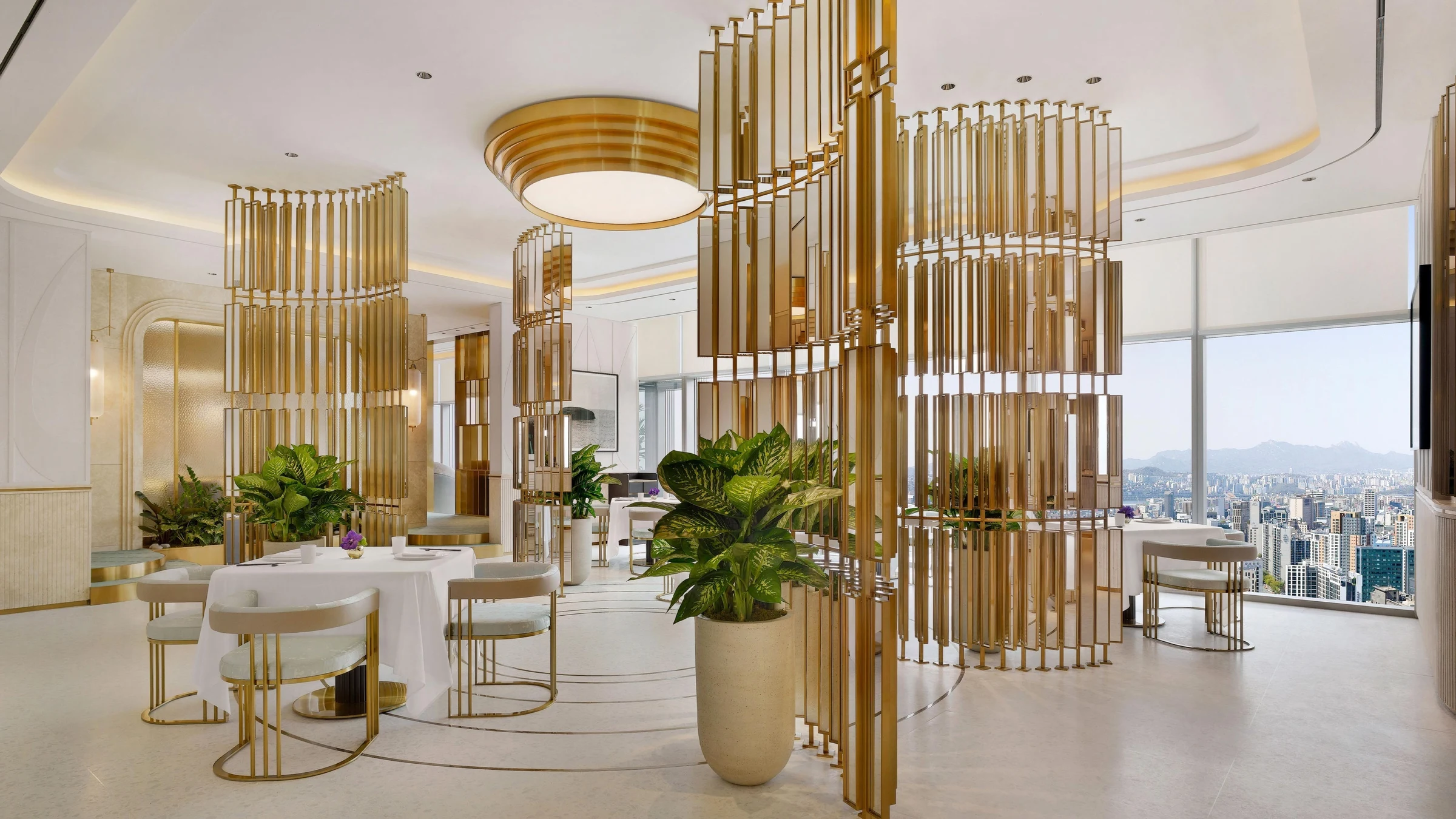
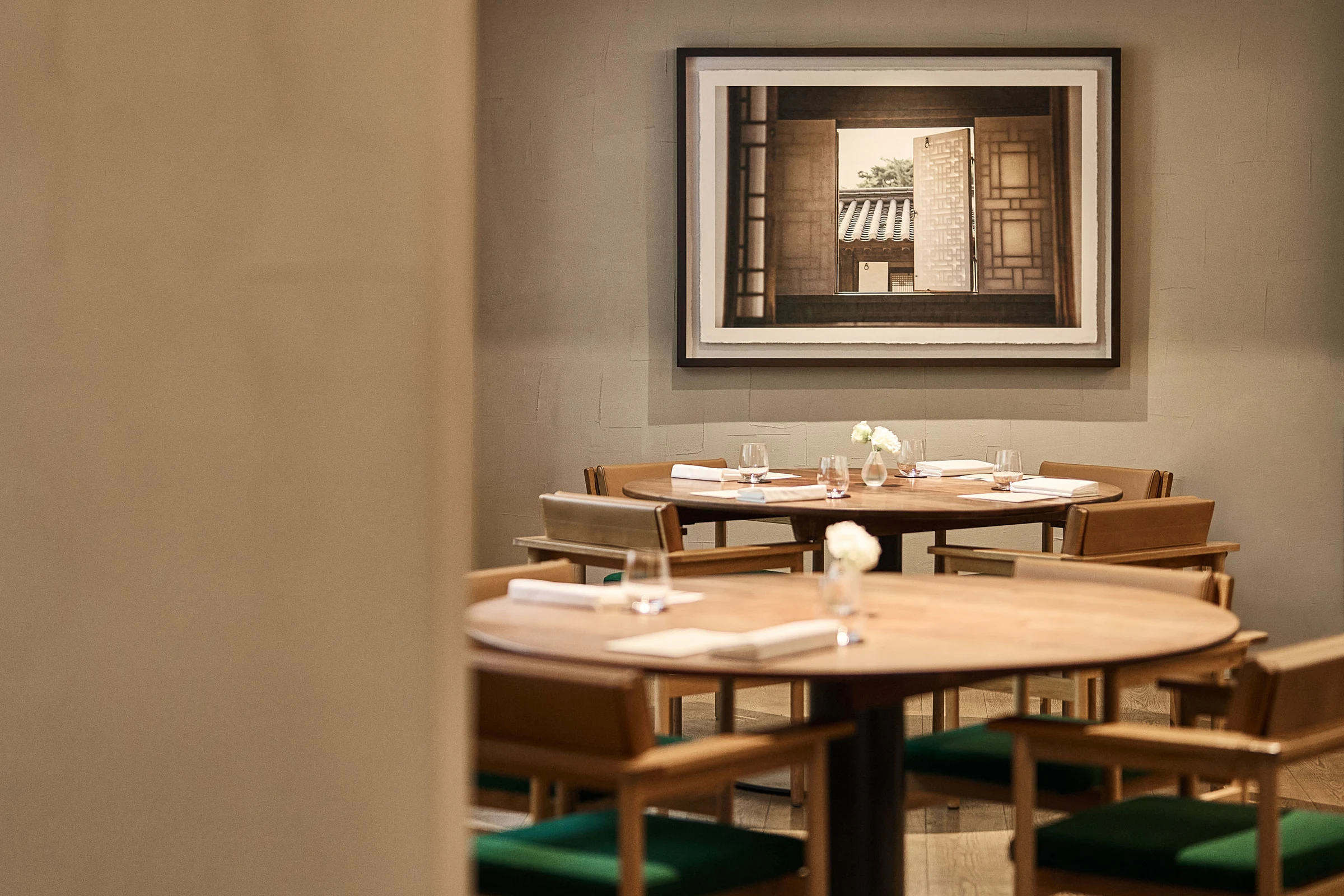
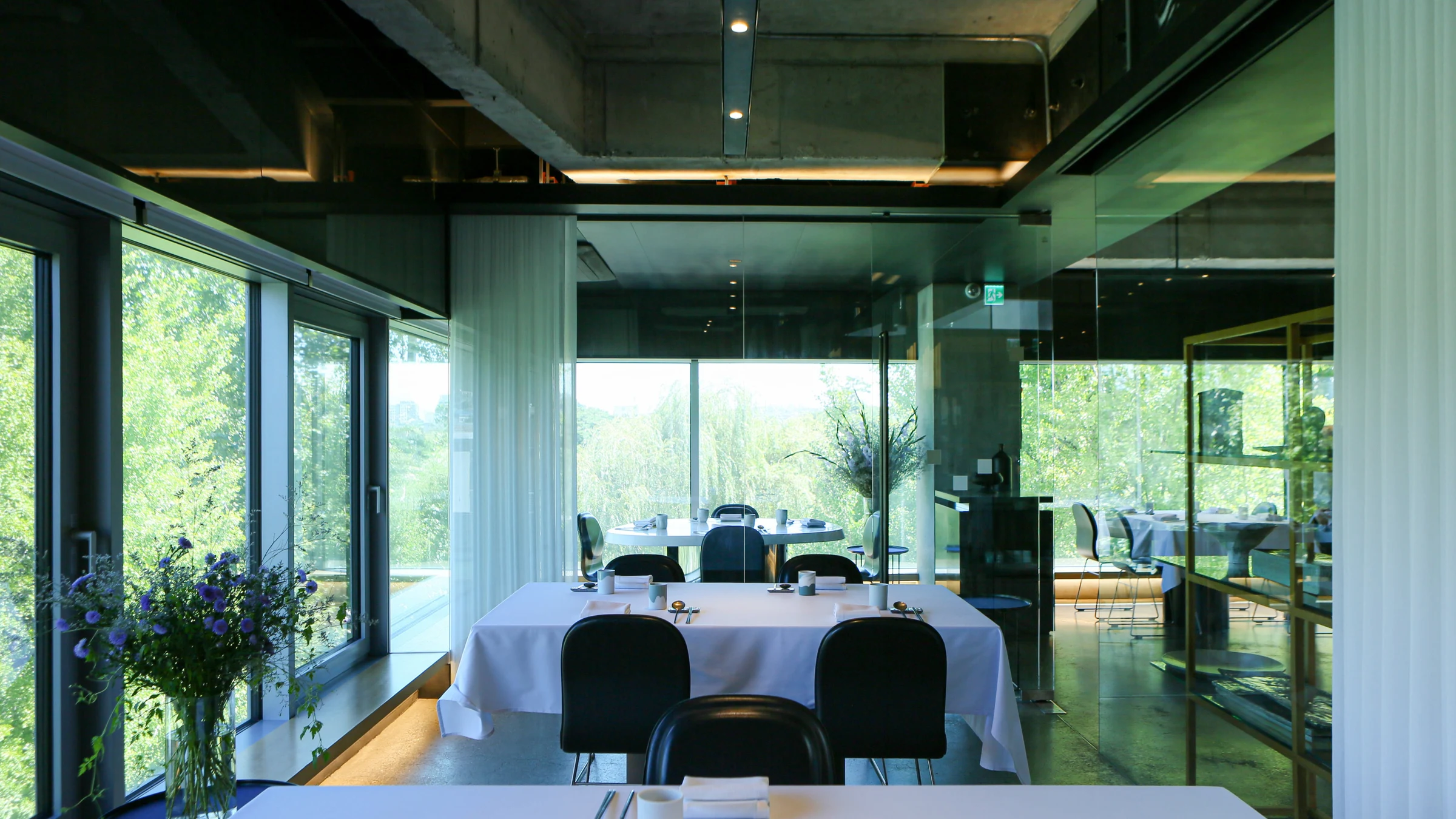
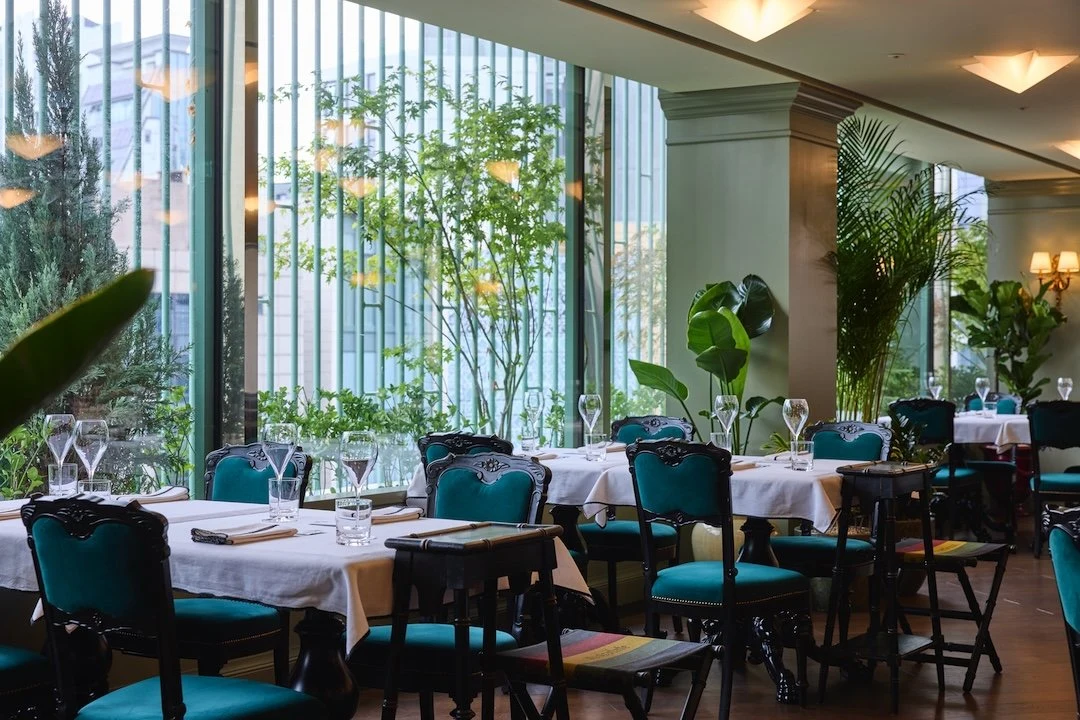
Apgujeong-ro has long operated as Seoul's most image-conscious address, a corridor where luxury retail and dining reinforce each other in ways that few neighbourhoods outside Paris or Milan replicate with the same density. The fifth floor of the Gucci flagship at 462 Apgujeong-ro is precisely the kind of space this street produces: a room designed to extend a brand's atmosphere rather than simply feed its customers. Arriving by elevator through a fashion house rather than a street-level entrance, the approach conditions the experience before a plate arrives. That choreography is deliberate, and it places Gucci Osteria da Massimo Bottura inside a broader global pattern in which luxury conglomerates have moved beyond retail into hospitality as a brand-extension strategy.
A Format That Has Evolved Across Four Cities
The Osteria format began in Florence in 2018, anchored inside the Gucci Garden on Piazza della Signoria. The choice of Florence was not incidental: it placed the collaboration between the Gucci brand and Massimo Bottura's creative kitchen inside a city where fashion heritage and Italian culinary identity share deep common ground. Beverly Hills followed, then Tokyo's Ginza district, and Seoul became the fourth iteration. Each location has operated under the same conceptual umbrella, Italian creative cooking inflected by local context, but the progression across cities tells its own story about how the format has matured. By the time Seoul opened, the Osteria model had accumulated enough operational history and press attention to arrive with expectations already set, which is a different position from a debut.
The Seoul location places the format in direct comparison with the Tokyo outpost, the city most closely matched in terms of dining culture density and consumer expectations around presentation and precision. Tokyo's fine dining circuit, particularly in Ginza, has trained its clientele to expect extraordinary technical execution as a baseline. Seoul's upper fine dining tier, including venues like Jungsik, Mingles, and alla prima, has developed along a parallel track, producing kitchens that benchmark themselves against international peers rather than domestic precedent alone. Gucci Osteria arrives into that environment as an import rather than a local evolution, which shapes how Seoul's dining public positions it relative to home-grown alternatives.
Italian Creative Cooking in a Korean Fine Dining Market
Seoul's premium restaurant circuit has consolidated around a recognizable set of formats: Korean contemporary tasting menus at venues like Kwonsooksoo and Soigné, chef-driven innovative formats drawing on international training, and a smaller cohort of Western fine dining imports operating at comparable price points. Into this last category, Gucci Osteria inserts a format that is neither straightforwardly Italian nor fully localized, a position that requires the kitchen to justify its presence on terms other than geographical authenticity.
The Bottura creative lineage, which underpins all four Osteria locations, sits within the broader Italian culinary tradition of intellectual reinvention: dishes that reference regional Italian cooking through techniques and ingredients while departing from convention in form and presentation. This is a different proposition from the French-inflected fine dining that dominates much of Seoul's top tier, or from the Korean-focused contemporary menus that have drawn the most critical attention domestically. Comparison with internationally recognized restaurants in similar creative territory, such as Le Bernardin in New York or Atomix, illustrates how city-specific the framing of any imported format becomes once it lands in a market with its own established dining hierarchy.
Seoul's broader dining geography extends well beyond Gangnam, and understanding where Gucci Osteria sits requires knowing what surrounds it. The Apgujeong-Cheongdam axis concentrates the highest density of destination restaurants in the city, with peers operating at comparable price levels across Korean and international formats. maps the key clusters. Beyond the capital, South Korea's restaurant culture has developed significant depth: Mori in Busan, Dining Room in Busan, regional specialists like Gobojeong Galbi in Suwon and Doosoogobang, Jeju-focused venues including 88돼지, Black Pork BBQ in Seogwipo, Badang Lounge, and Hinode in Seogwipo, and Gyeongju institutions such as Hwangnam Bread and Busan Steamed Bun and Gyeongju Wonjo Kongguk. That range reflects how seriously South Korea takes its dining culture at every price tier.
Planning Your Visit
Gucci Osteria da Massimo Bottura is located on the fifth floor of the Gucci flagship at 462 Apgujeong-ro, Gangnam District. Advance reservations are essential, and walk-ins are unlikely at peak times. Diners with dietary requirements or allergy concerns should contact the restaurant directly at the time of booking, as is standard practice at this category of restaurant.
Questions
Frequently asked
Who works at Gucci Osteria da Massimo Bottura?
Made By profiles Hyungkyu Jun (Chef) at Gucci Osteria da Massimo Bottura.
How expensive is Gucci Osteria da Massimo Bottura?
Gucci Osteria da Massimo Bottura is listed at a price level of $$$$.
Where is Gucci Osteria da Massimo Bottura and what does it serve?
Gucci Osteria da Massimo Bottura is in 압구정동, Seoul, serving Modern Italian Contemporary.
The field
How it compares
| Place | Cuisine | Notes | Awards |
|---|---|---|---|
| Gucci Osteria da Massimo Bottura | Modern Italian Contemporary | 압구정동, $$$$ | · |
| alla prima | Modern Fusion Fine Dining | Seoul | Michelin 2 Stars, World's 50 Best |
| Eatanic Garden | Modern Korean Contemporary | Seoul | Michelin 1 Star, World's 50 Best |
| Evett | Modern Innovative Korean | Seoul | Michelin 2 Stars |
| Jungsik | Modern Korean Fine Dining | Seoul | Michelin 2 Stars, World's 50 Best |
| Mingles | Modern Korean Fine Dining | Seoul | Michelin 3 Stars, World's 50 Best |
| Onjium | Modern Korean Royal Court Cuisine | Seoul | Michelin 1 Star, World's 50 Best |
In residence
Similar places
Modern Fusion Fine Dining
alla prima
Seoul, South Korea
★★ · 50 Best
Modern Korean Contemporary
Eatanic Garden
Seoul, South Korea
★ · 50 Best
Modern Innovative Korean
Evett
Seoul, South Korea
★★
Modern Korean Fine Dining
Jungsik
Seoul, South Korea
★★ · 50 Best
Modern Korean Fine Dining
Mingles
Seoul, South Korea
★★★ · 50 Best
Modern Korean Royal Court Cuisine
Onjium
Seoul, South Korea
★ · 50 Best