Made ByRestaurant
Gucci Osteria Seoul
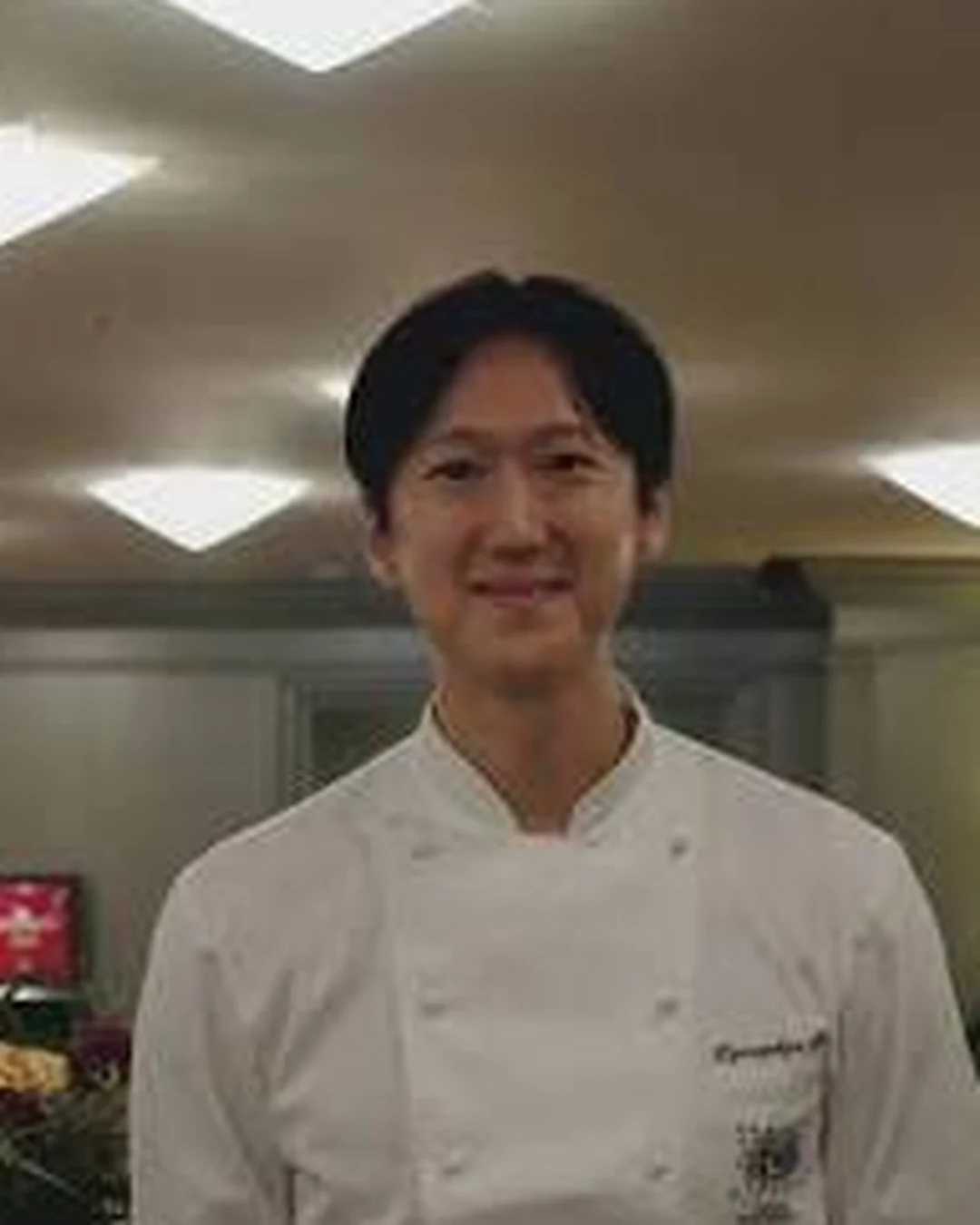
Chef in Residence
Hyungkyu Jun
Chef
- 01CuisineContemporary Italian with Korean Influences
- 02CitySeoul, South Korea
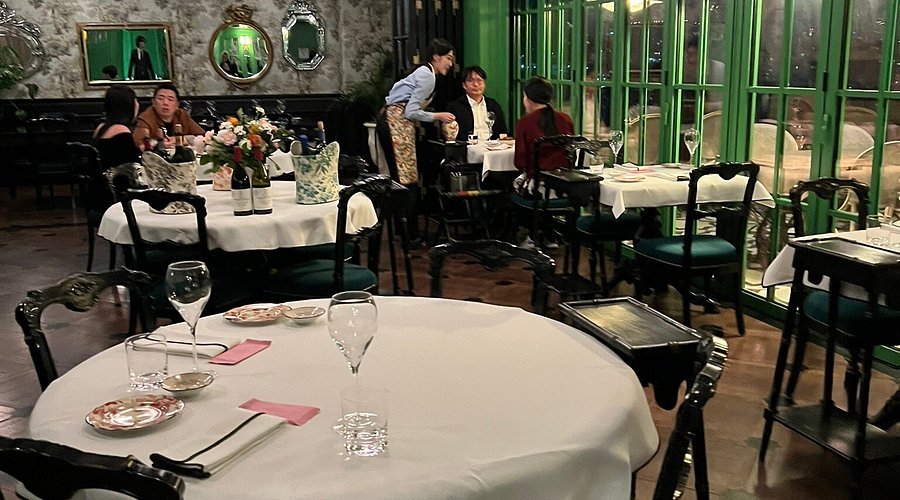
Gucci Osteria Seoul occupies the fifth floor of the Apgujeong flagship in Gangnam, bringing the Italian house's restaurant format to one of Seoul's most design-conscious neighbourhoods. Chef Hyungkyu Jun leads a modern Italian kitchen that earned 77 points from La Liste 2026 and a ranking in OAD's Top Restaurants in Asia. The result is a rare Seoul address where the food program carries independent critical weight alongside the fashion context.
At a glance
- Cuisine
- Contemporary Italian with Korean Influences
- Price
- $$$$
- Per person
- $150
- Hours
- Mon: Closed; Tue: 12–10 PM; Wed: 12–10 PM; Thu: 12–10 PM; Fri: 12–10 PM; Sat: 12–10 PM; Sun: 12–3 PM
- Neighborhood
- Gangnam-gu
- Rating
- 4.5 (62)
<h2>Fashion Addresses, Serious Food: Italian Fine Dining in Apgujeong</h2><p>Apgujeong-ro is Seoul's most curated retail corridor, a street where flagship architecture competes as aggressively as the merchandise inside. The fifth floor of Gucci's Seoul flagship sits above that commercial theatre, and the dining room reflects the same design discipline applied to the floors below, with controlled lighting and deliberate material choices. What makes the address interesting from a food perspective is that the kitchen program has earned external critical recognition independent of the fashion branding that surrounds it. La Liste's 2026 edition awarded 77 points, and Opinionated About Dining placed the restaurant at number 353 in its 2025 Asia rankings.</p><p>That critical positioning matters when you consider the wider field. Seoul's premium dining scene is dense with Michelin-starred kitchens: <a href="https://www.enprimeurclub.com/restaurants/mingles-seoul-restaurant">Mingles</a>, <a href="https://www.enprimeurclub.com/restaurants/jungsik-seoul-restaurant">Jungsik</a>, <a href="https://www.enprimeurclub.com/restaurants/kwonsooksoo-seoul-restaurant">Kwonsooksoo</a>, and <a href="https://www.enprimeurclub.com/restaurants/soigne-seoul-restaurant">Soigné</a> all operate in the high-concept tier. The city also has a growing number of European-rooted formats, but a kitchen anchored in modern Italian with Korean influences occupies a narrower lane. Gucci Osteria Seoul reads as part of a small comparable set of Seoul addresses that import a European culinary logic wholesale and argue for it on those terms.</p><h2>Modern Italian Through a Seoul Lens</h2><p>The Gucci Osteria concept originated in Florence in 2018, at the ground floor of the Gucci Garden museum, under Massimo Bottura's consulting influence. The subsequent outposts in Beverly Hills, Tokyo, Dubai, and Seoul each operate with local head chefs rather than a single exported kitchen team. That structure means Seoul's iteration is not a replica of the Italian original but a location-specific expression of modern Italian cooking, shaped by Chef Hyungkyu Jun. The broader Gucci Osteria model is itself a useful case study in how luxury brands have moved from licensing restaurant names to building programs with genuine gastronomic credibility, a shift visible in a handful of comparable addresses globally.</p><p>Modern Italian cooking, as a category, spans a wide range. At its most serious, it privileges technique over nostalgia: pasta shapes reinterpreted, regional traditions used as reference points rather than constraints, and a cooking vocabulary that can accommodate non-Italian ingredients without abandoning Italian logic. For diners who have tracked the evolution of this format in Italy itself, at addresses like <a href="https://www.enprimeurclub.com/restaurants/seta-milan-restaurant">Seta in Milan</a>, <a href="https://www.enprimeurclub.com/restaurants/contaminazioni-somma-vesuiviana-restaurant">Contaminazioni in Somma Vesuviana</a>, or <a href="https://www.enprimeurclub.com/restaurants/dolce-stil-novo-veneria-reale-restaurant">Dolce Stil Novo in Venaria Reale</a>, the Seoul version offers an interesting comparison point: what does the idiom look like when transplanted to a city with its own strong culinary identity and a deep supply of domestic premium ingredients?</p><h2>The Wine and Food Relationship at an Italian Table in Seoul</h2><p>Italian cuisine is, more than most European traditions, designed around wine. The regionalism that structures Italian cooking, Piedmontese richness, Campanian acidity, Sicilian intensity, was built in parallel with local viticulture, and the two systems reinforce each other in ways that don't translate cleanly when the kitchen moves abroad. A Seoul kitchen serving modern Italian faces a specific challenge: how do you maintain the inseparability of food and wine when the wine program must either import heavily or make substitutions that compromise the regional pairing logic?</p><p>At the premium end of Seoul's European-facing restaurant tier, sommelier programs have become increasingly sophisticated, with cellars that carry serious Italian inventory, Barolo, Barbaresco, Super Tuscans, and the white-wine regions of Friuli and Alto Adige that pair against leaner, more acid-driven dishes. The degree to which Gucci Osteria Seoul's program reflects this kind of depth is part of the dining experience for a visitor approaching it as a wine-and-food address. The La Liste recognition and OAD ranking suggest a program serious enough to be assessed on purely gastronomic grounds, which implies the wine component is treated with equivalent seriousness. A well-structured Italian wine pairing in this context would anchor the meal in the culinary tradition it references, the difference between a dish that reads as Italian and a meal that feels Italian is largely the glass alongside it.</p><p>For diners who want to assess Seoul's broader appetite for Italian wine culture, the city's full wine scene has developed considerably, and the bar circuit now includes natural wine-focused operators who have deepened the overall literacy around European viticulture.</p><h2>Where Gucci Osteria Sits in Seoul's Premium Dining Field</h2><p>Seoul's fine dining circuit rewards comparison. The city has an unusually high concentration of ambitious kitchens relative to its international profile, and the Gangnam and Apgujeong subdistricts account for a significant share of the high-end addresses. Within that geography, Gucci Osteria Seoul operates in a price tier commensurate with its peer group, modern European-leaning tasting menus in this neighbourhood typically position themselves against Korean fine dining equivalents in the ₩₩₩₩ bracket. The restaurant's 4.5 Google rating across 62 reviews indicates a consistently positive diner experience.</p><p>The more useful competitive frame is the OAD Asia ranking. At number 353 on a list that runs to hundreds of entries drawn from critical assessments across the continent, the restaurant sits in a credible mid-field position for a relatively young outpost format in a city with multiple Michelin-decorated competitors. <a href="https://www.enprimeurclub.com/restaurants/alla-prima-seoul-restaurant">Alla Prima</a>, one of Seoul's more technically adventurous innovative kitchens, and <a href="https://www.enprimeurclub.com/restaurants/gaon-seoul-restaurant">Gaon</a>, which operates in the premium Korean tradition, represent adjacent reference points for the kind of diner likely to consider Gucci Osteria Seoul as part of a broader Seoul dining itinerary.</p><p> Those crossing into other Korean destinations will find relevant context in listings like <a href="https://www.enprimeurclub.com/restaurants/mori-busan-restaurant">Mori in Busan</a> or <a href="https://www.enprimeurclub.com/restaurants/baegyangsa-temple-jangseong-gun-restaurant">Baegyangsa Temple in Jangseong-gun</a>.</p><h2>Practical Details</h2><p>Gucci Osteria Seoul is located on the fifth floor of the Gucci flagship at 462 Apgujeong-ro, Gangnam District. The Apgujeong Rodeo subway station (Bundang Line) is the nearest transit point, and the address is walkable from several Gangnam-area hotels. Bookings are reservation-only; the restaurant's profile within the Gucci Osteria global network means tables tend to require advance planning, particularly for weekend service. Given the price tier and formal setting, reservations are essential and the experience is better suited to adults and older teenagers with an interest in fine dining than to families with young children.</p>
Know before you go
- Dress code
- smart_casual
- Reservations
- essential
- Payment
- credit_card
- Groups
- Welcomed
Frequently asked
Is Gucci Osteria Seoul good for families?
The format positions this firmly in adult fine-dining territory. A structured tasting menu inside a luxury flagship on Apgujeong-ro, recognised by La Liste's Top Restaurants 2026 with 77 points, is a considered choice for a special-occasion dinner rather than a casual family outing. Children comfortable with formal, multi-course meals are the exception rather than the rule here.
What's the overall feel of Gucci Osteria Seoul?
Dinner here unfolds on the fifth floor of Gucci's Apgujeong-ro flagship, which sets the register immediately: the fashion house's aesthetic extends into the dining room, and the address on Seoul's most commercially concentrated luxury corridor reinforces that context. Chef Hyungkyu Jun runs a modern Italian kitchen within that framework, and the OAD 2025 Asia ranking at #353 places it within Seoul's competitive premium dining circuit rather than above it.
What kind of recognition has Gucci Osteria Seoul received?
Gucci Osteria Seoul has received recognition including: La Liste Top Restaurants (2026): 77pts; Opinionated About Dining Top Restaurants in Asia Ranked #353 (2025).
What's the must-try dish at Gucci Osteria Seoul?
The Gucci Osteria concept, originating in Florence and carried across its global outposts, is built around modern Italian tasting menus that shift with the season, so the most instructive approach is to follow the current menu in full rather than target a single course.
Address
5F, 462 Apgujeong-ro, Gangnam District, Seoul, South Korea
Gangnam-gu
How it compares
- Notes
- 압구정동, Contemporary Italian with Korean Influences
- Price
- $$$$
- Notes
- 압구정동, Seasonal Japanese Kaiseki
- Price
- $$$$
- Notes
- 압구정동, Modern Contemporary Korean Fusion
- Price
- $$$$
- Notes
- 한남동, Authentic Italian with Modern Twists
- Price
- $$$$
- Notes
- Sajik-dong, Cantonese
- Price
- $$$$
- Notes
- Dogok-dong, Contemporary French
- Price
- $$$$
In residence
Similar places
Modern Korean Fine Dining
Mingles
Seoul, South Korea
★★★ · 50 Best
Modern Korean Royal Court Cuisine
Onjium
Seoul, South Korea
★ · 50 Best
Modern Innovative Korean
Evett
Seoul, South Korea
★★
Modern Korean Fine Dining
Jungsik
Seoul, South Korea
★★ · 50 Best
Modern Korean Contemporary
Eatanic Garden
Seoul, South Korea
★ · 50 Best
Modern Fusion Fine Dining
alla prima
Seoul, South Korea
★★ · 50 Best