Gwen
In Residence
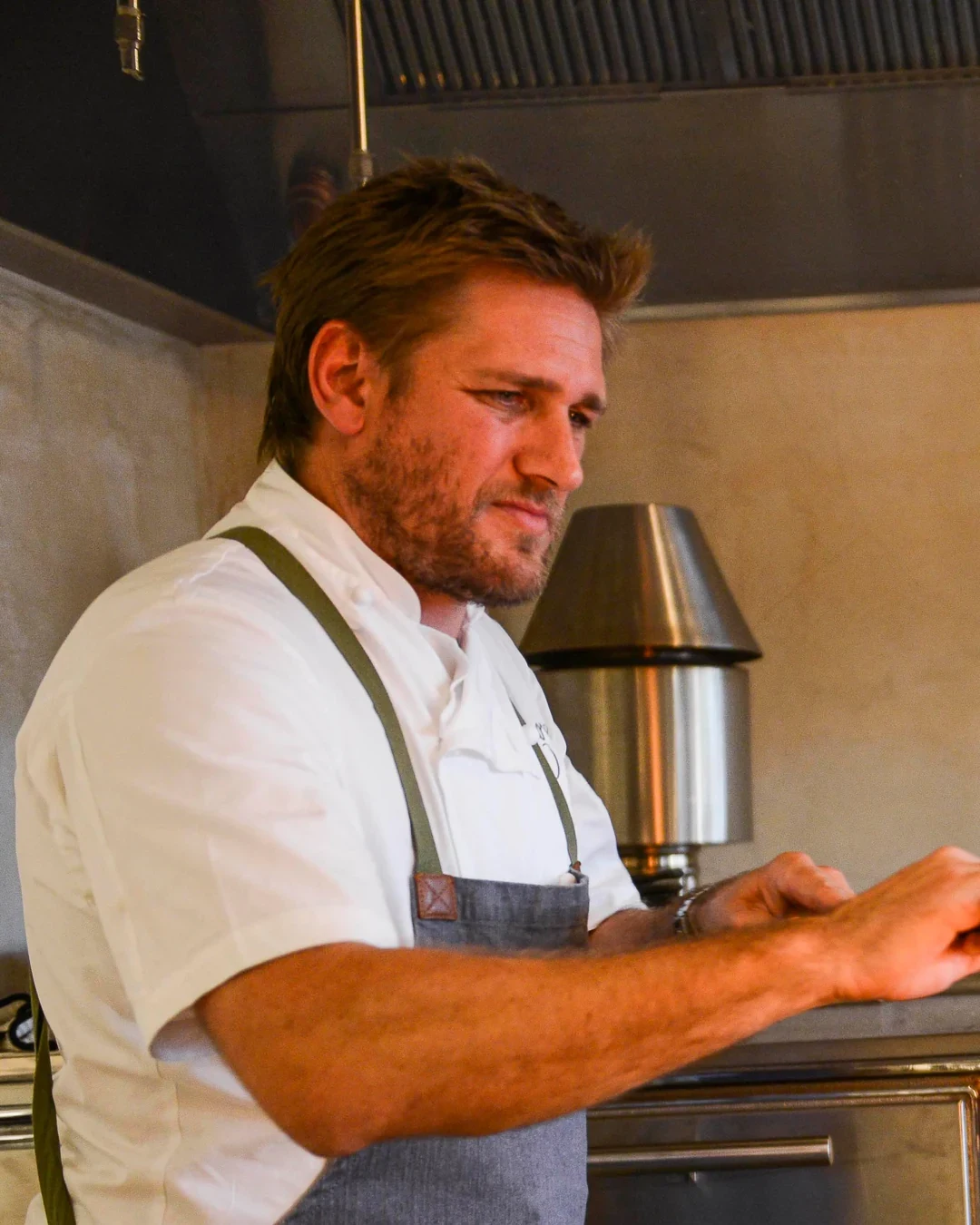
Curtis Stone
Chef
- 01CuisineContemporary American Steakhouse
- 02CityLos Angeles, United States
- World's Best Steaks 101 Best Steak Restaurants #41 · 2026
- Opinionated About Dining Top Restaurants in North America Recommended · 2026
- Wine Spectator Best of Award of Excellence · 2026
- Michelin Plate · 2026
- Opinionated About Dining Top Restaurants in North America Ranked #250 · 2025
- World's Best Steaks 50 Best Steakhouses in North America #6 · 2025
- Michelin 1 Star · 2025
- World's Best Steaks 101 Best Steak Restaurants #43 · 2025
- Michelin 1 Star · 2024
- Opinionated About Dining Top Restaurants in North America Ranked #271 · 2024
- Opinionated About Dining Top Restaurants in North America Highly Recommended · 2023
Where the Butcher Shop Ends and the Dining Room Begins
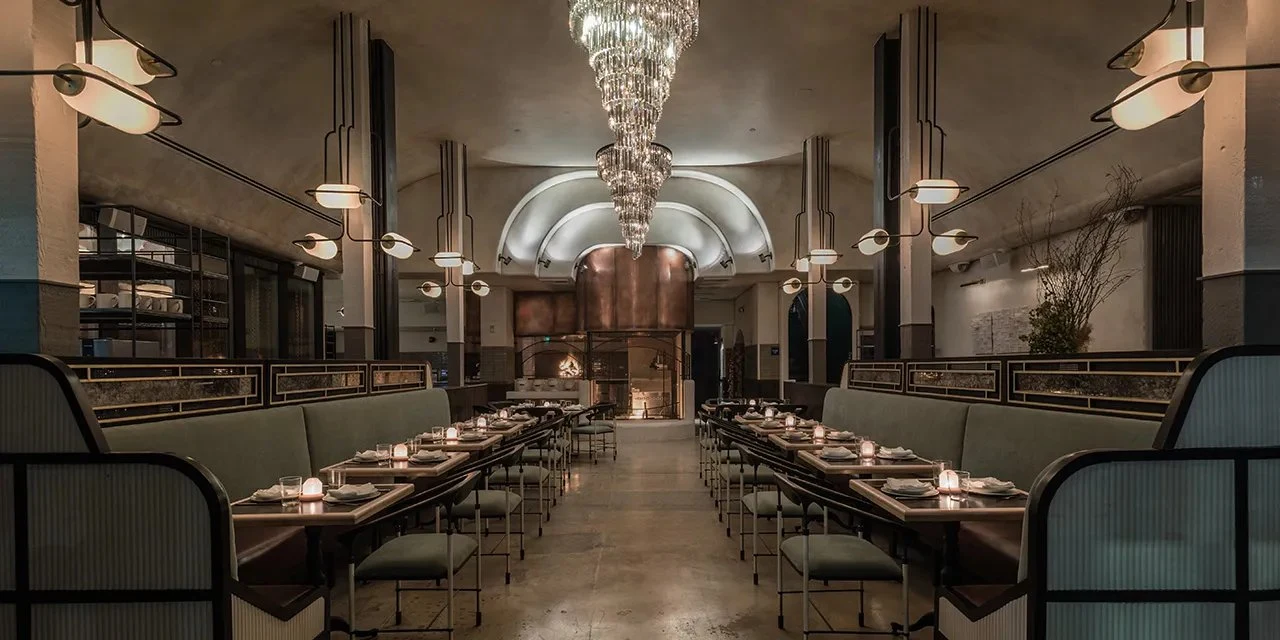
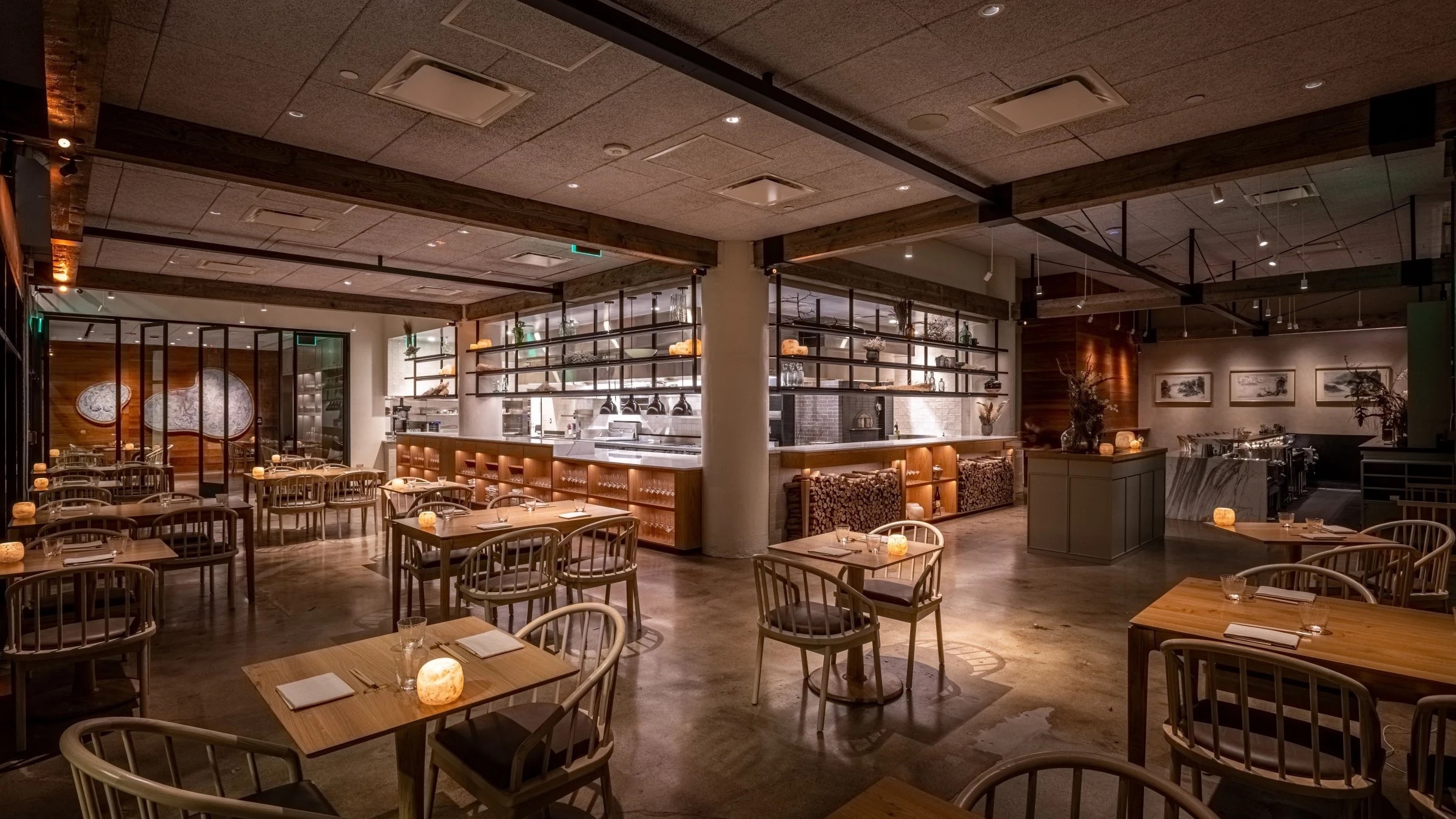
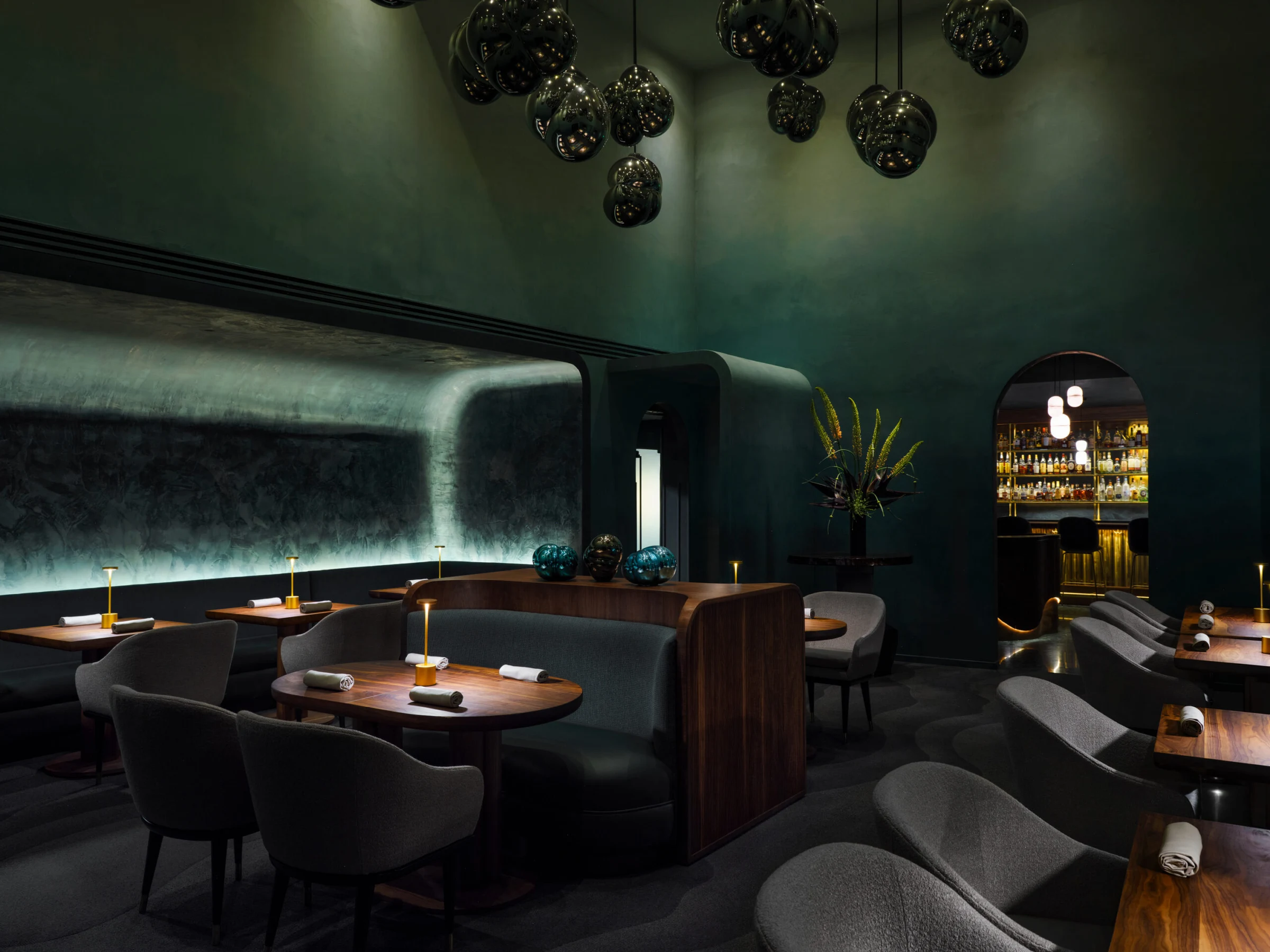
Sunset Boulevard's dining scene runs a wide spectrum, from fast-casual taco counters to tasting-menu destinations. Gwen, at 6600 Sunset Blvd, occupies the sharper end of that range, a space where polished brass fixtures, dark wood panelling, and visible dry-aging cabinets signal something more specific than a conventional Hollywood steakhouse. The room feels theatrical without feeling performative. Art Deco detailing, crystal chandeliers, and a roaring fireplace give the space a weight that most fire-forward restaurants in the city do not attempt.
The daytime operation functions as a butcher shop, selling cuts from partner farms directly across the counter. By evening, the same philosophy drives a fine-dining room where those same sourcing standards translate into a menu structured around the wood-fire grill. That dual identity, retail meat counter by day, Michelin-starred restaurant by night, is not a gimmick. It is the operating logic of the kitchen: sourcing decisions and menu decisions are made from the same place, which is the reason the dining room can credibly claim heritage breeds, rare cuts, and whole-animal butchery as central to its identity rather than as marketing language.
The Sunday letter
Find new places through the people who run them.
Our Sunday email brings you the chefs, winemakers and hoteliers behind our newest stories. See a sample before you subscribe.
See a sample of the Sunday emailOne email a week. Unsubscribe from any issue.
The Prix Fixe Question in an À La Carte City
The economics of set menus in Los Angeles are more complicated than in New York or Chicago. American diners, particularly in Southern California, have historically resisted the prix fixe format outside a narrow tier of white-tablecloth restaurants, the autonomy to order what you want, when you want it, runs deep in the city's dining culture. This is what makes Gwen's dual-format approach worth examining. The restaurant operates both an à la carte programme and a tasting menu, positioning itself across two customer philosophies rather than committing entirely to either.
That choice carries real tradeoffs. Restaurants that operate exclusively tasting-menu formats, Hayato with its two Michelin stars, or Somni with its fully controlled progression, surrender per-seat flexibility in exchange for kitchen coherence. Every course is calibrated as part of a sequence; waste is minimised, pacing is controlled, and the story the kitchen wants to tell lands intact. The à la carte room, by contrast, accommodates the guest who wants a single notable steak and a glass of Napa Cabernet without committing to three hours and multiple courses. Both models are defensible. The question is whether a kitchen that maintains both can fully serve either.
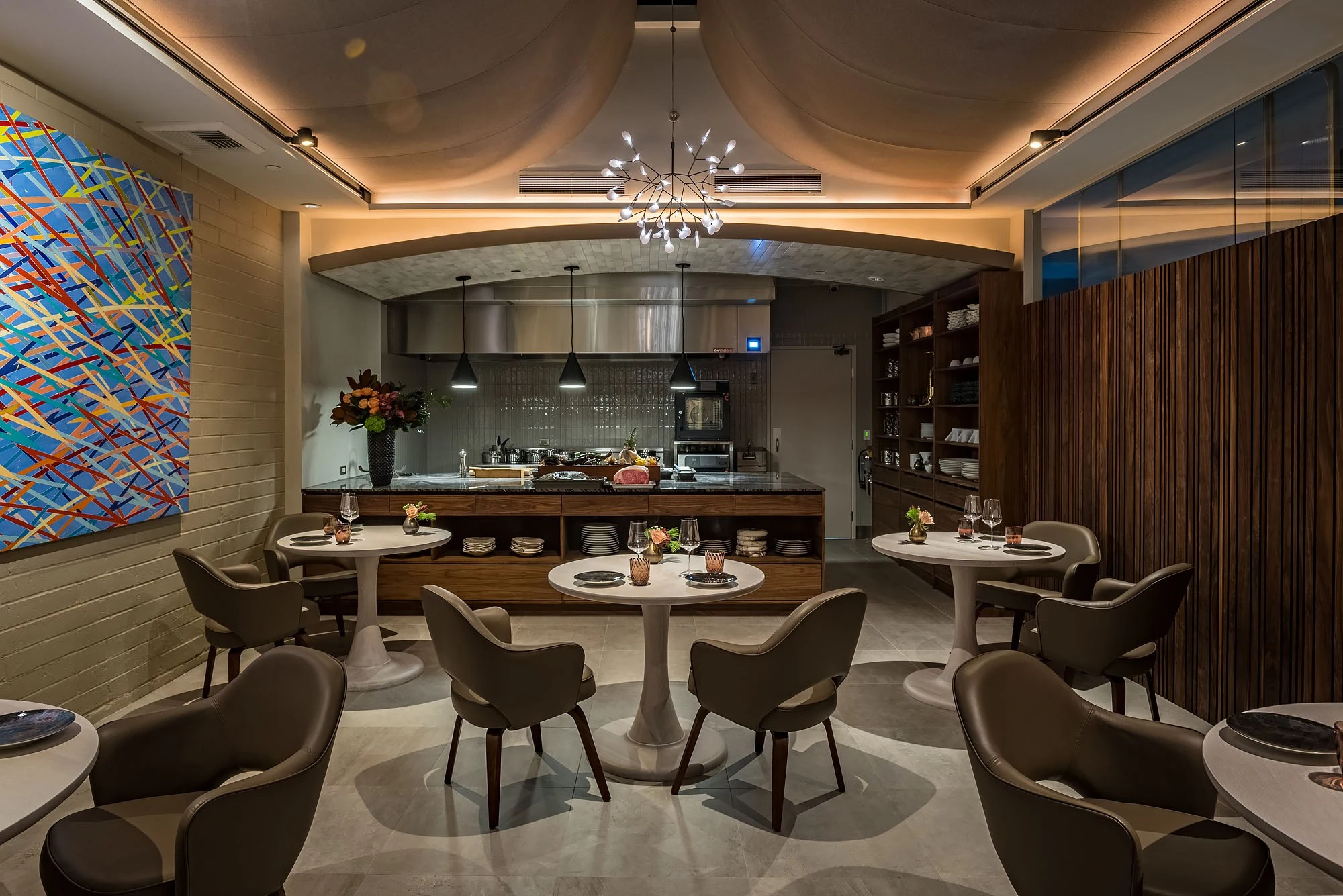
At Gwen, the tasting menu is the more curated path. It leads guests through an evolving selection built around the day's leading offerings, cuts such as dry-aged grass-fed New York strip sourced from Cape Grim, Tasmania, or Blackmore Wagyu prepared at the chef's counter in view of the dining room. The à la carte option carries the same sourcing rigour but gives the guest control over sequence and volume. For a restaurant of this calibre and price tier, the existence of both formats is less a compromise than a structural acknowledgement that Hollywood's dining room is not Chicago's, and that Alinea-style total-commitment formats serve a different audience than Gwen's Sunset Boulevard location attracts.
The broader prix fixe debate across American fine dining is useful here. Restaurants like Le Bernardin in New York City and The French Laundry in Napa operate exclusively through set menus, using the format to justify the labour-intensive preparation that underpins their price point. Lazy Bear in San Francisco and Atomix in New York City take the argument further, treating the tasting menu as the only intellectually coherent format for what they are doing. Single Thread Farm in Healdsburg builds its identity around a fixed progression tied to seasonal agriculture. Gwen's willingness to retain à la carte alongside tasting-menu options is a different bet: that the audience for a Michelin-starred steakhouse in Hollywood has legitimate reasons to want both paths open.
Sourcing as Kitchen Identity
In a city where sourcing claims have become standard restaurant copy, the degree to which Gwen's kitchen is organised around procurement decisions is worth specific attention. Whole-animal butchery is operationally demanding, it requires a team capable of breaking down full animals and incorporating every part into either the retail counter or the dining room menu. The house-made charcuterie programme is one output of that structure; the butcher shop display is another. This is a restaurant that has made sourcing the structural constraint of its kitchen rather than a secondary marketing claim applied to an otherwise conventional supply chain.
Working with ranchers and producers across the United States, Australia, and Tasmania, including Cape Grim grass-fed beef and Blackmore Wagyu, the sourcing geography is deliberately broad, reflecting a kitchen that is optimising for the quality of specific breeds and ageing profiles rather than geographic localism as a principle. That is a meaningful distinction. Many fine-dining restaurants in Los Angeles have adopted local-sourcing as a philosophical commitment; Gwen's sourcing philosophy is quality-first, which sometimes means Tasmania rather than California. The USDA Prime designation applied to the majority of beef served is a baseline standard, with dry-ageing the primary differentiation method applied above that baseline.
The Room and the Kitchen in Context
Within Los Angeles's fine-dining tier, Gwen occupies a distinct position. Restaurants like Kato and Hayato anchor the tasting-menu end of the city's Michelin tier with formats that are entirely chef-controlled. Providence operates in a similar premium bracket but with seafood as its organising principle. Osteria Mozza holds a different cultural weight, Italian-American institution rather than ingredient-forward fine dining. What Gwen does, which none of those restaurants attempt, is make the grill and the butchery programme visible as the theatre of the space. The open-fire kitchen and chef's counter are not incidental design choices; they are the dining room's argument for why the food costs what it does.
The supporting dishes, charred vegetables with harissa crème fraîche, duck fat potatoes, and bone marrow custard, are built to complement the fire-forward main programme. The wine list runs toward Californian structure and Old World reference points without neglecting either, which is a reasonable position for a restaurant that serves both domestic and international sourced beef and needs a cellar that works across both directions.
Recognition and Standing
Gwen holds a Michelin star and appears on Opinionated About Dining's Leading Restaurants in North America list, ranked #250 in 2025. That three-year upward trajectory on OAD's rankings, alongside the Michelin recognition, places it in a credible comparable set within Los Angeles's premium dining tier. For a restaurant operating in a format as commercially complicated as a combined butcher shop and fine-dining room, consistent critical recognition over multiple years is a more meaningful signal than any single award cycle.
For international reference points at a comparable price tier, Emeril's in New Orleans and 8½ Otto e Mezzo Bombana in Hong Kong offer instructive comparisons in how chef-driven fine-dining operations maintain identity across format decisions.
Planning Your Visit
| Detail | Gwen | Hayato | Kato |
|---|---|---|---|
| Cuisine | New American, Steakhouse | Japanese | New Taiwanese, Asian |
| Price Tier | $$$$ | $$$$ | $$$$ |
| Michelin | 1 Star (2024) | 2 Stars | 1 Star |
| Format | À la carte + tasting menu | Omakase only | Tasting menu |
| Dinner Hours | Tue–Thu 5 to 9 pm; Fri–Sat 5 to 9:30 pm; Sun 4:30 to 8:30 pm | By reservation | By reservation |
| Closed | Monday | Varies | Varies |
Gwen is located at 6600 Sunset Blvd, Los Angeles, CA 90028. The restaurant is closed on Mondays. Dinner service runs Tuesday through Thursday from 5 to 9 pm, Friday and Saturday from 5 to 9:30 pm, and Sunday from 4:30 to 8:30 pm. The daytime butcher shop operates on a separate schedule.
What Dish Is Gwen Famous For?
Gwen is most closely associated with its dry-aged, fire-grilled beef programme, specifically cuts sourced from premium ranches across the United States, Australia, and Tasmania, including Cape Grim grass-fed New York strip and Blackmore Wagyu. The chef's counter format allows guests to watch these cuts prepared over the open-fire grill, which is both the kitchen's technical focus and the room's central visual. House-made charcuterie, produced through the whole-animal butchery programme, is a secondary distinction that separates Gwen from steakhouses operating without an on-site butchery operation. Awards from Michelin and Opinionated About Dining cite the fire-cooking technique and sourcing depth as the kitchen's defining characteristics.
Questions
Frequently asked
Who works at Gwen?
Made By profiles Curtis Stone (Chef) at Gwen.
How expensive is Gwen?
Gwen is listed at a price level of $$$$.
Where is Gwen and what does it serve?
Gwen is in Hollywood, Los Angeles, serving Contemporary American Steakhouse.
The field
How it compares
| Place | Cuisine | Notes | Awards |
|---|---|---|---|
| Gwen | Contemporary American Steakhouse | Hollywood, $$$$ | · |
| Hayato | Traditional Japanese Kaiseki | Los Angeles | Michelin 2 Stars |
| Holbox | Modern Mexican Seafood | Los Angeles | Michelin 1 Star, World's 50 Best |
| Kato | Modern Taiwanese Fine Dining | Los Angeles | Michelin 2 Stars, World's 50 Best |
| Mélisse | California-French Fine Dining | Los Angeles | Michelin 2 Stars |
| Providence | Modern Seafood Fine Dining | Los Angeles | Michelin 3 Stars, World's 50 Best |
| Somni | Modern Spanish Fine Dining | Los Angeles | Michelin 3 Stars, World's 50 Best |
In residence
Similar places
Traditional Japanese Kaiseki
Hayato
Los Angeles, United States
★★
Modern Mexican Seafood
Holbox
Los Angeles, United States
★ · 50 Best
Modern Taiwanese Fine Dining
Kato
Los Angeles, United States
★★ · 50 Best
California-French Fine Dining
Mélisse
Los Angeles, United States
★★
Modern Seafood Fine Dining
Providence
Los Angeles, United States
★★★ · 50 Best
Modern Spanish Fine Dining
Somni
Los Angeles, United States
★★★ · 50 Best
The Sunday letter
Get the next Made By story in your inbox.
We send one email every Sunday morning with the places and people we covered that week.
See a sample of the Sunday emailOne email a week. Unsubscribe from any issue.