- Falstaff Winery - 1 Stars · 2026
Rümmelsheim wine country is not built for grand gestures. The more persuasive visits here tend to be quieter: vineyard rows, cellar explanations, and producers who make the winemaking process legible rather than theatrical. Habitat Weine eG fits that mode. Its setting in the Pfalz, within Mittelhaardt/Deutsche Weinstraße, gives the visit a useful regional frame before the first glass is poured: this is a German wine corridor where place, education, and dry varietal expression carry more weight than decorative hospitality.
The useful way to read Habitat Weine eG is through scale. A 9-hectare vineyard footprint puts the producer in a compact category, where the visitor experience can stay close to the practical decisions of vineyard and cellar. The property dates to 1918, and Wolfgang Bender is listed as manager, managing director, winemaker, and oenologist, a concentration of roles that signals integrated oversight rather than a divided corporate model. In a small Pfalz context, that matters: cellar choices, commercial identity, and hospitality can speak in the same register.
Small-scale Pfalz wine, explained through vineyard and cellar work
The strongest reason to come here is the format. Habitat Weine eG offers guided tastings and wine seminars, including sessions for groups of 6–18 people that explain the individual production steps of quality winemaking directly in the vineyard and cellar. That turns the visit away from a simple flight at a counter and toward a more instructional model. For travelers trying to understand how German dry whites, blanc de noir, and light sparkling styles are made, the structure is more useful than another quick pour-and-purchase stop.
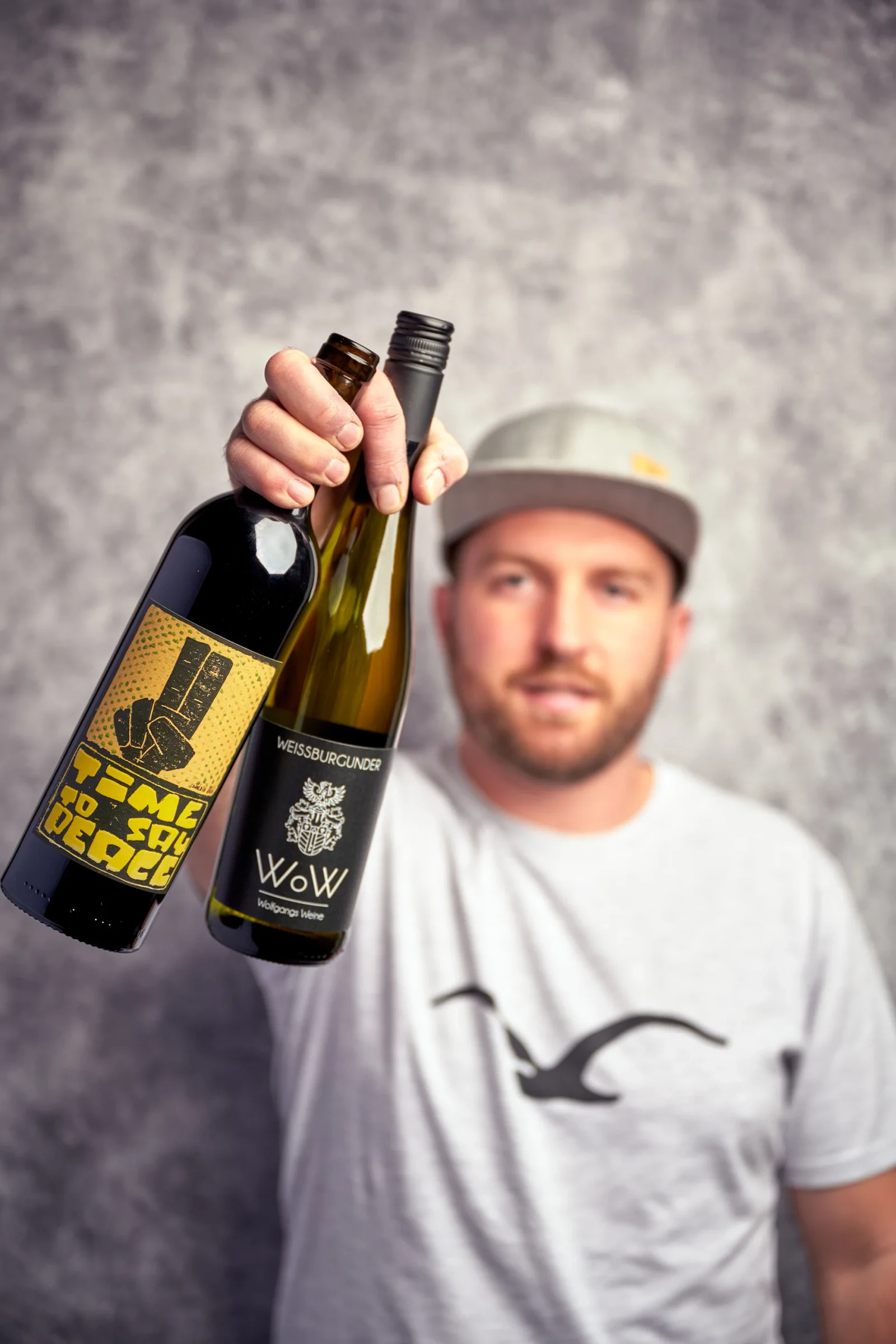
Portfolio visible from public tasting notes points toward German varietal clarity rather than heavy cellar imprint. Documented wines include 2022 Landwein “Lavinia,” 2022 trocken “Secco Blanc,” 2020 Landwein trocken “Tilt,” 2022 Grauburgunder-Weißburgunder Landwein trocken, 2022 Weißburgunder Landwein trocken, and Landwein trocken Blanc de Noir “Samira.” The range covers still white, still red or red-leaning styles, and sparkling wine, with Weißburgunder and Grauburgunder playing a central role. Those varieties make sense in this regional setting: they reward precision, texture, and restraint rather than power for its own sake.
Recognition is measured rather than trophy-led. Wein.plus scores for named bottlings sit between 83 and 86 WP, with several wines rated “good” or “good.” “Lavinia,” “Tilt,” and the Grauburgunder-Weißburgunder each received 86 WP, while “Secco Blanc,” Weißburgunder, and “Samira” sit in the 83–84 WP range. That pattern suggests consistency across the visible sample, not a single headline bottle carrying the reputation. For a visitor, that is often the more relevant signal: the tasting can show a working producer’s range rather than a narrow showcase of prestige labels.
A producer visit for people who want process, not performance
The hospitality style is practical, quiet, and educational. The atmosphere is better understood as a working winery visit than a designed leisure room: seminars, guided tastings, vineyard access, and cellar explanation form the core. That makes it better suited to small groups, wine clubs, corporate outings with a serious tasting brief, or travelers who prefer being shown how decisions are made before assessing what is in the glass.
Sustainability appears in the producer’s positioning through Ecovin and Generation Riesling membership, though the more useful point for visitors is how that intersects with the educational format. A winery that walks guests through vineyard and cellar work is asking them to connect the finished wine to farming, handling, and production choices. In Pfalz, where wine tourism can range from casual roadside tastings to more technical producer visits, Habitat Weine eG occupies the latter lane.
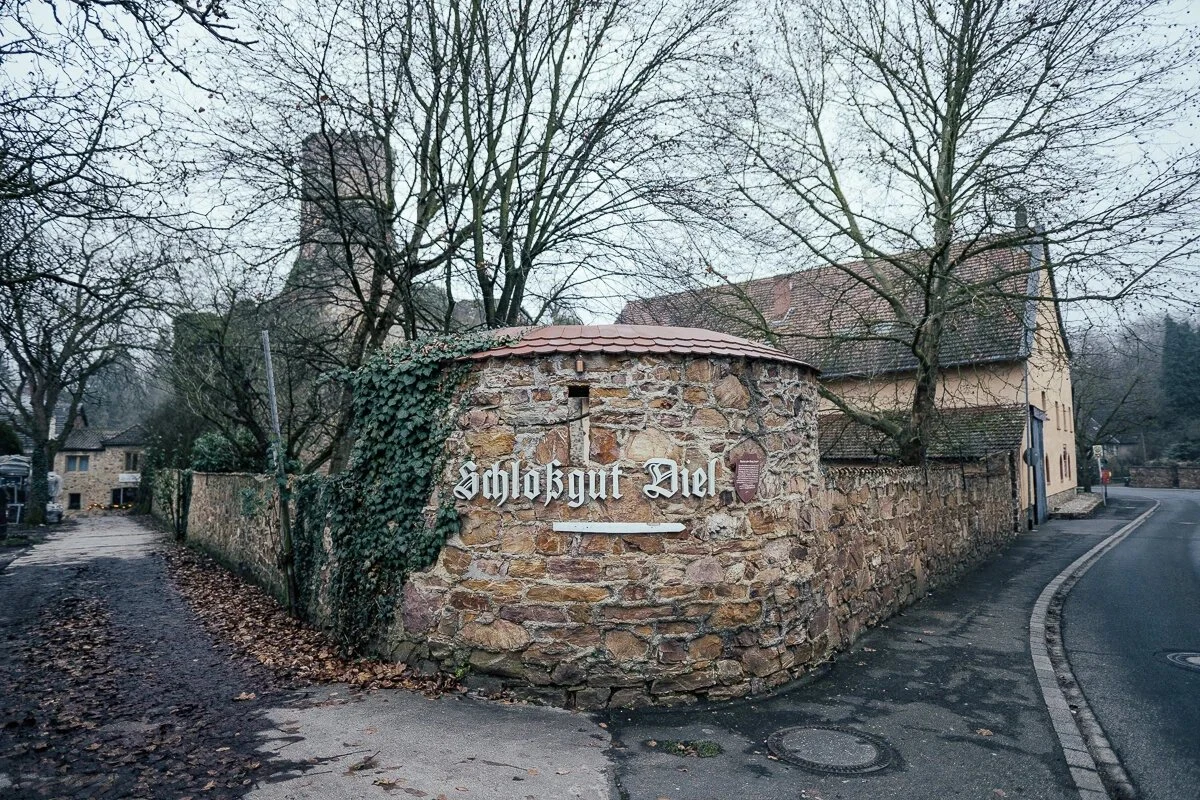
Rümmelsheim also rewards a clustered approach. Visitors building a local wine itinerary can use Our full Rümmelsheim wineries guide for the wider map, then look at nearby producer pages such as Piri Wein, Schlossgut Diel, Weingut Forster, Weingut Schlossmühle Dr. Höfer, and Weingut St. Barbarahof. For non-wine planning around town, keep Our full Rümmelsheim restaurants guide, Our full Rümmelsheim hotels guide, Our full Rümmelsheim bars guide, and Our full Rümmelsheim experiences guide close at hand.
For readers comparing the broader German-speaking natural, small-producer, and education-led wine circuit, useful reference points include & Handwein in Mannheim, 2 Naturkinder in Kitzingen, 3 Winner in Bechtheim, »der Steiner« Hans Steiner in Podersdorf am See, and ®walzer in Gneixendorf Bei Krems. Habitat Weine eG is not framed by spectacle or luxury cues; its value is in seeing a Pfalz producer make the link between vineyard, cellar, and glass concrete.
Questions
Frequently asked
Who works at Habitat Weine eG?
Made By profiles Wolfgang Bender (Winemaker) at Habitat Weine eG.
How expensive is Habitat Weine eG?
Habitat Weine eG is listed at a price level of $.
The field
How it compares
| Place | Notes |
|---|---|
| Habitat Weine eG | Burg Layen, $ |
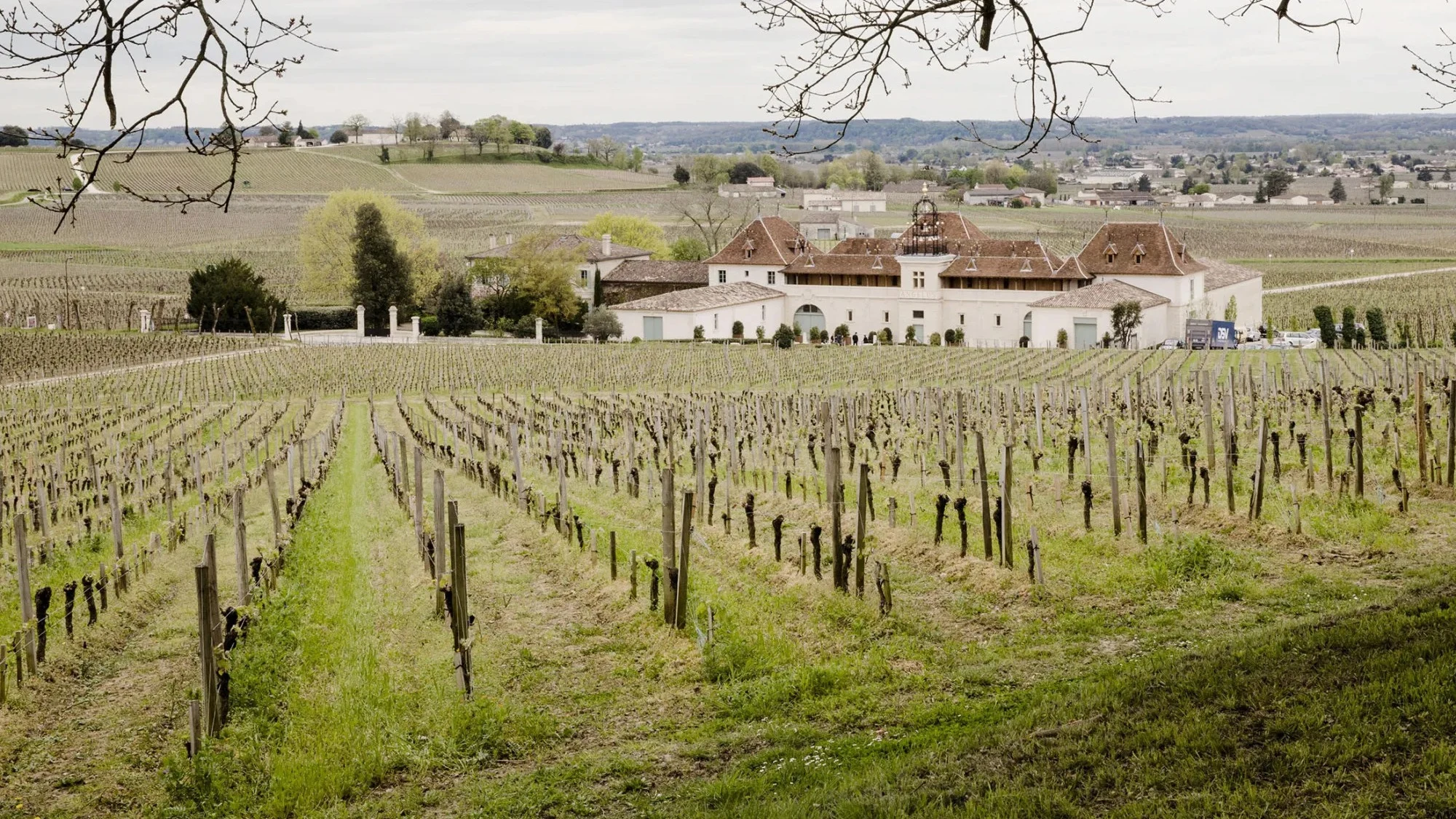
| Château Angelus | Saint-Émilion |
| Piri Wein | Rümmelsheim |
| Schlossgut Diel | Rümmelsheim |
| Weingut Forster | Rümmelsheim |
| Weingut Schlossmühle Dr. Höfer | Rümmelsheim |
| Weingut St. Barbarahof | Rümmelsheim |