Hashimoto
- 01CuisineTraditional Edo-Style Charcoal-Grilled Eel (Unagi Kabayaki)
- 02CityTokyo, Japan
Charcoal eel, 180-year tare
- Michelin Bib Gourmand · Michelin Guide
- Tabelog Silver #33: 4.5pts · 2026
- Michelin Bib Gourmand · 2025
- Tabelog Silver · 2025
- Opinionated About Dining Top Restaurants in North America Ranked #101 · 2025
- Tabelog 100 #84: 4.4pts · 2025
- Michelin Bib Gourmand · 2024
- Opinionated About Dining Top Restaurants in North America Ranked #120 · 2024
- Opinionated About Dining Top Restaurants in Japan Ranked #83 · 2023
- Opinionated About Dining Top Restaurants in North America Ranked #105 · 2023
The sauce kept in motion
The eel meets charcoal before it meets rice. Masaki Hashimoto, Chef at Hashimoto in Tokyo, works within a house built around that single passage: dressed eel, tare, heat, and the lacquered box that carries unajou to the room. The restaurant stands in Bunkyo’s Suido district, in a modest two-story building, and its discipline is older than the current dining room. Hashimoto traces its unagi practice to 1835, with a family-run line now described as six generations deep.
The craft here is not breadth. It is repetition held close. The house is known for Edo-style charcoal-grilled eel, kabayaki brushed with a tare that has been continuously replenished across 180 years. That kind of sauce is not a recipe in the modern sense; it is a living base, adjusted by use, heat, reduction, and the eel that passes through it. The family’s method keeps innovation at the edge of the bench. The point is not to make unagi new. The point is to keep the hand steady enough that the old taste remains legible.
Charcoal, tare, rice
Hashimoto’s program narrows the meal to the work that matters: unagi kabayaki, unajou, and mabushi don, with sake as the natural companion. The eel is grilled over charcoal, glazed, and set over rice, the sauce carrying sweetness and umami without covering the fish. The set menu format gives the kitchen control of pace, while counter dining keeps the pass close to the guest. Skewered parts of the eel may appear before the main bowl, extending the same animal through liver, rib, and fin, but the center of the house remains the box of eel and rice.
There is no theatrical complexity in the architecture. The measurements that matter are inherited: 1835, 180 years of tare, six generations at the method. Hashimoto holds one current Michelin recognition, with nine awards counted across current and previous years, but the award sits behind the work rather than in front of it. The kitchen’s standing comes from a narrower claim: one ingredient, one fire, one sauce, repeated until variation becomes a matter of touch.
A quiet room around the pass
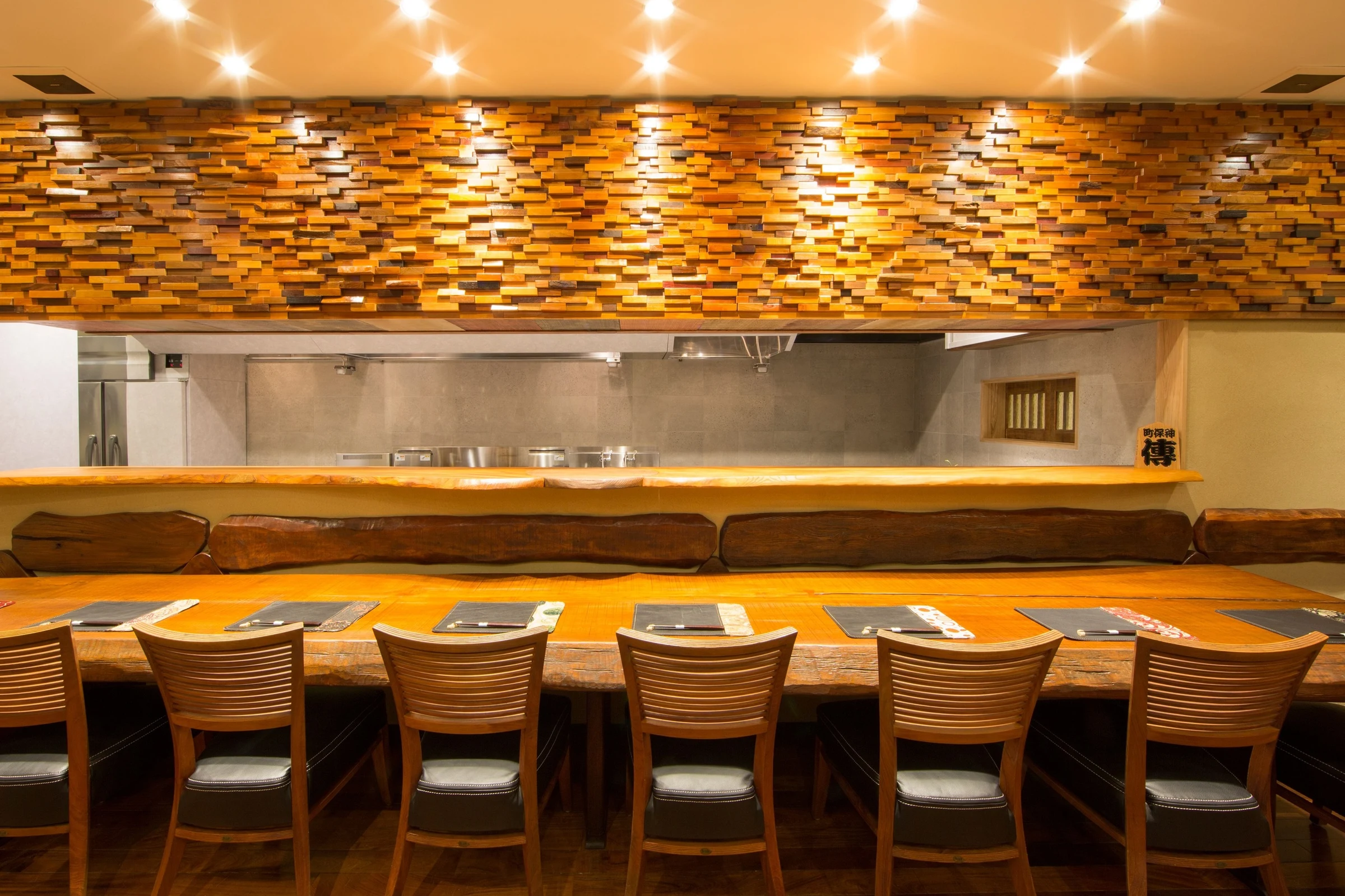
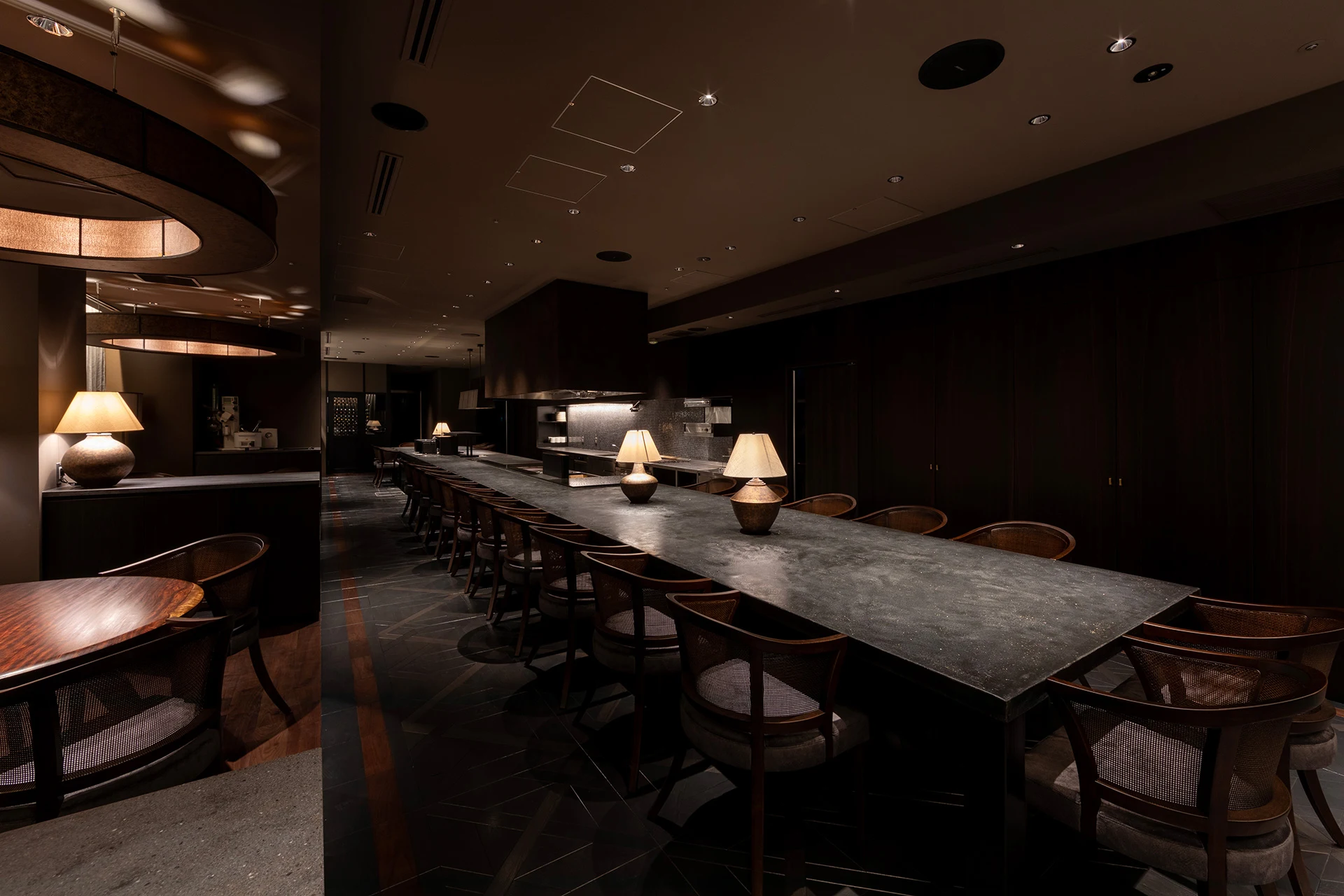
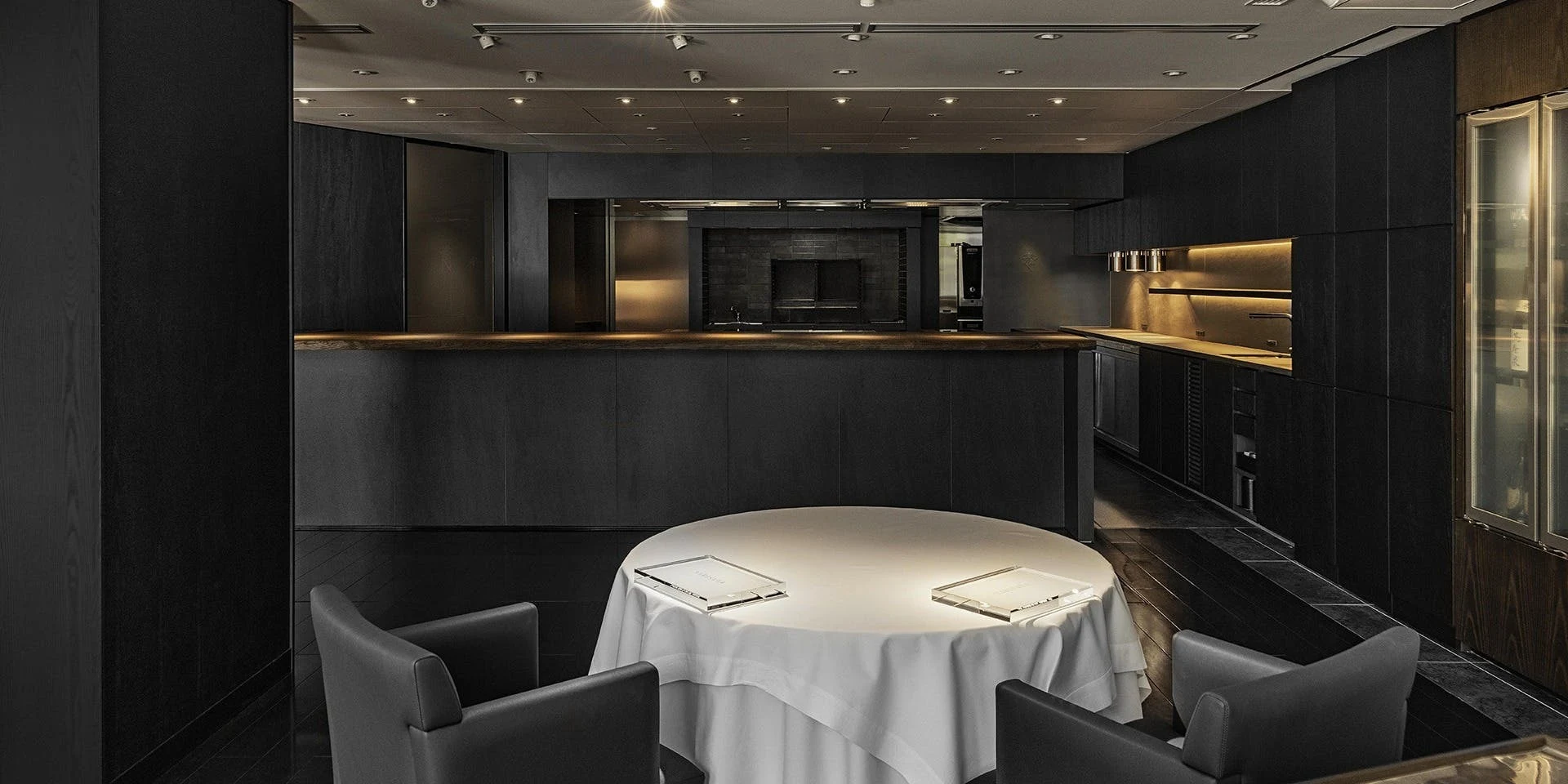
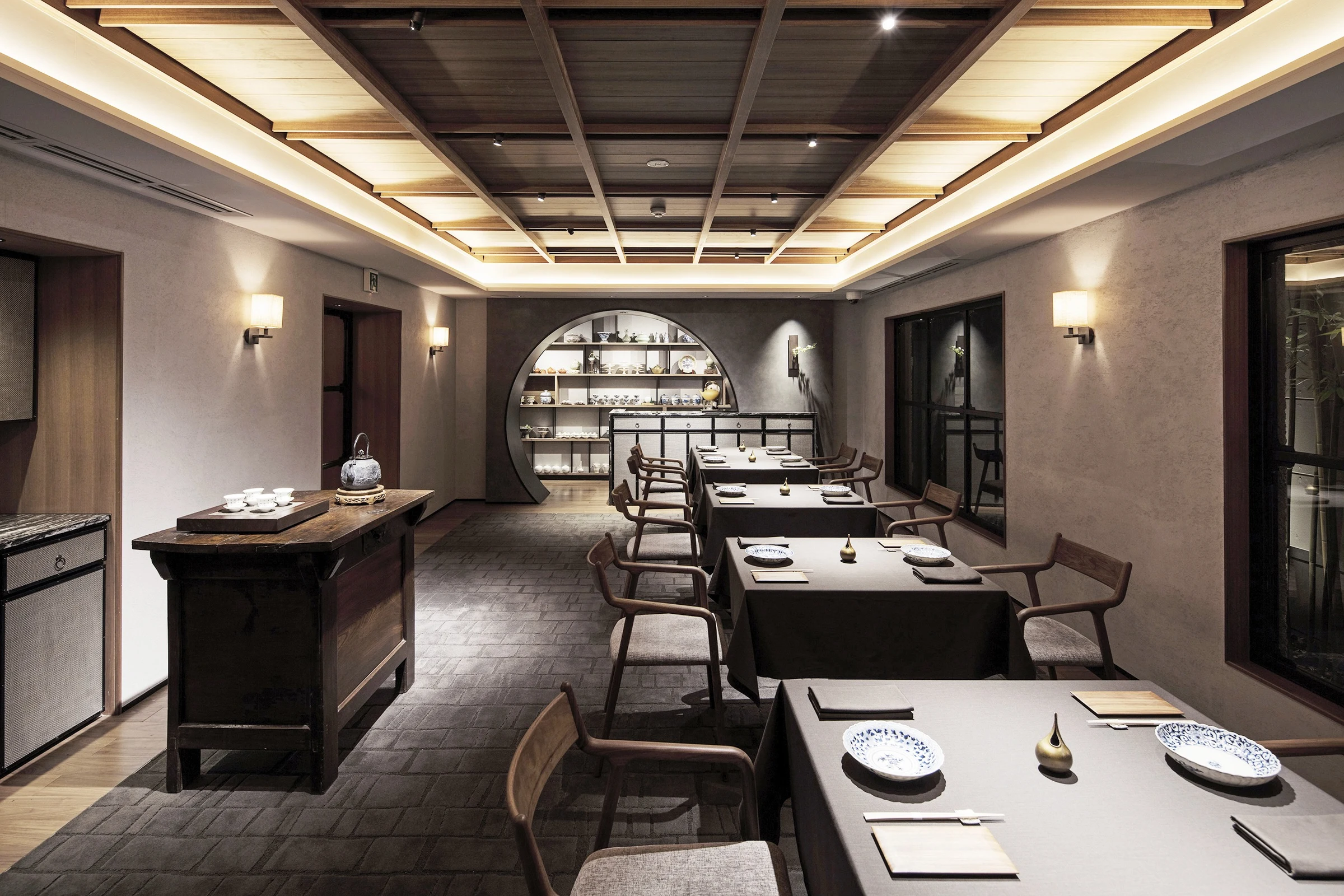
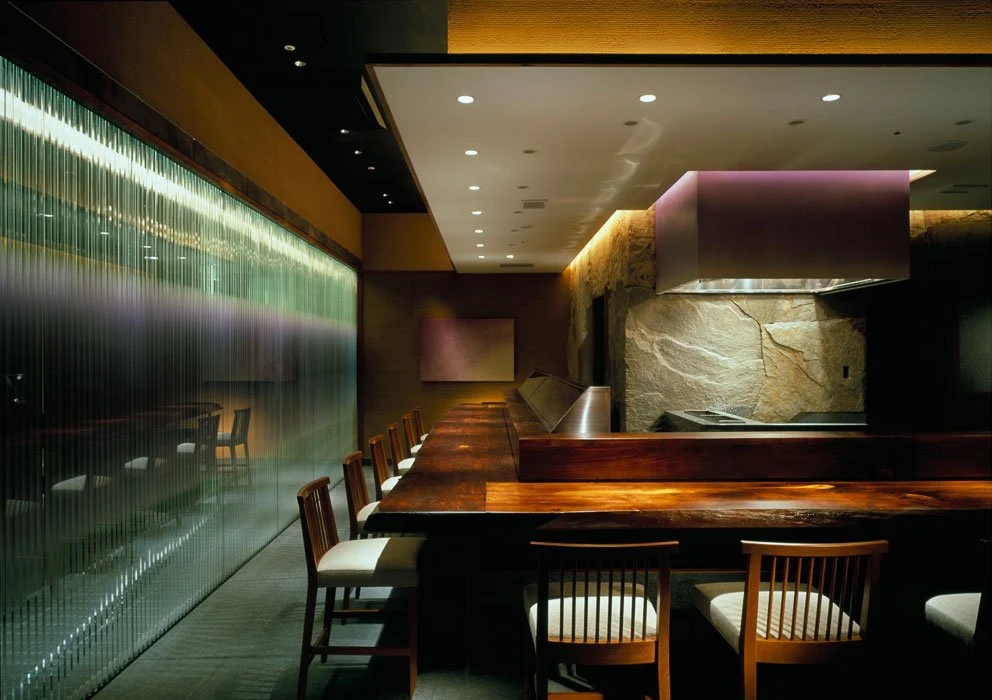
The room suits the food. Hashimoto is intimate, quiet, and spare, with simple décor and traditional seating options in a residential building rather than a dining room built for display. The atmosphere has the stillness that unagi asks for, because the eating happens after the wait: the first lift of lacquer lid, the steam off the rice, the line where char meets tare.
Service stays close to the craft. The counter keeps the guest near the pass, while the set format lets the kitchen protect the sequence. Nothing in the room tries to compete with the glaze on the eel. That restraint is part of the house’s language, as much as the charcoal or the sauce. The dish itself is unajou, eel and rice in a lacquered box, carrying Hashimoto’s 180-year tare.
Questions
Frequently asked
What is Hashimoto known for?
Hashimoto is known for Edo-style charcoal-grilled eel, or unagi kabayaki, made with a tare that has been continuously replenished across 180 years.
Who is the chef at Hashimoto?
Masaki Hashimoto is the chef at Hashimoto in Tokyo.
What dishes are central to the menu?
The menu is narrow and centres on unagi kabayaki, unajou, and mabushi don.
What kind of dining room is it?
Hashimoto is an intimate, quiet, spare room in a modest two-story building, with simple décor and traditional seating options.
Does Hashimoto take reservations?
Reservations are essential.
The field
How it compares
| Place | Cuisine | Notes | Awards |
|---|---|---|---|
| Hashimoto | Traditional Edo-Style Charcoal-Grilled Eel (Unagi Kabayaki) | Taitō, $$$ | · |
| Den | Modern Japanese Kaiseki | Tokyo | Michelin 2 Stars, World's 50 Best |
| Florilège | Modern French-Japanese Plant-Based Fine Dining | Tokyo | Michelin 2 Stars, World's 50 Best |
| Narisawa | Modern Japanese Satoyama Fine Dining | Tokyo | Michelin 2 Stars, World's 50 Best |
| Quintessence | Modern French Fine Dining | Tokyo | Michelin 3 Stars |
| Sazenka | Modern Chinese Fine Dining | Tokyo | Michelin 3 Stars, World's 50 Best |
| Sézanne | Modern French Fine Dining | Tokyo | Michelin 3 Stars, World's 50 Best |
Similar places
Modern Japanese Kaiseki
Den
Tokyo, Japan
★★ · 50 Best
Modern French-Japanese Plant-Based Fine Dining
Florilège
Tokyo, Japan
★★ · 50 Best
Modern Japanese Satoyama Fine Dining
Narisawa
Tokyo, Japan
★★ · 50 Best
Modern French Fine Dining
Quintessence
Tokyo, Japan
★★★
Modern Chinese Fine Dining
Sazenka
Tokyo, Japan
★★★ · 50 Best
Modern French Fine Dining
Sézanne
Tokyo, Japan
★★★ · 50 Best