Heddon Street Kitchen
In Residence
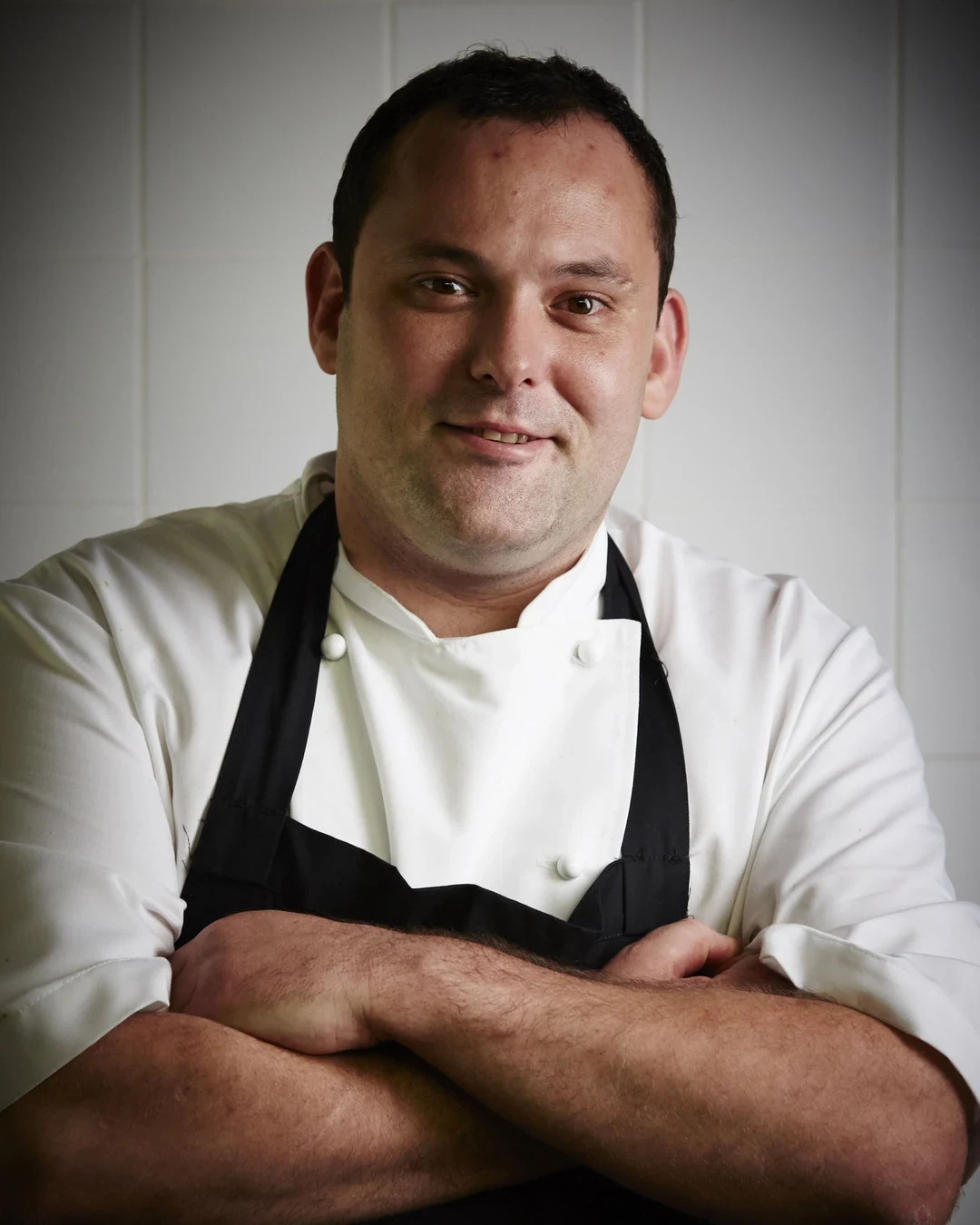
Paul Croasdale
Chef
- 01CuisineModern European Brasserie
- 02CityLondon, United Kingdom
A Mayfair Side Street and What It Tells You About London Dining
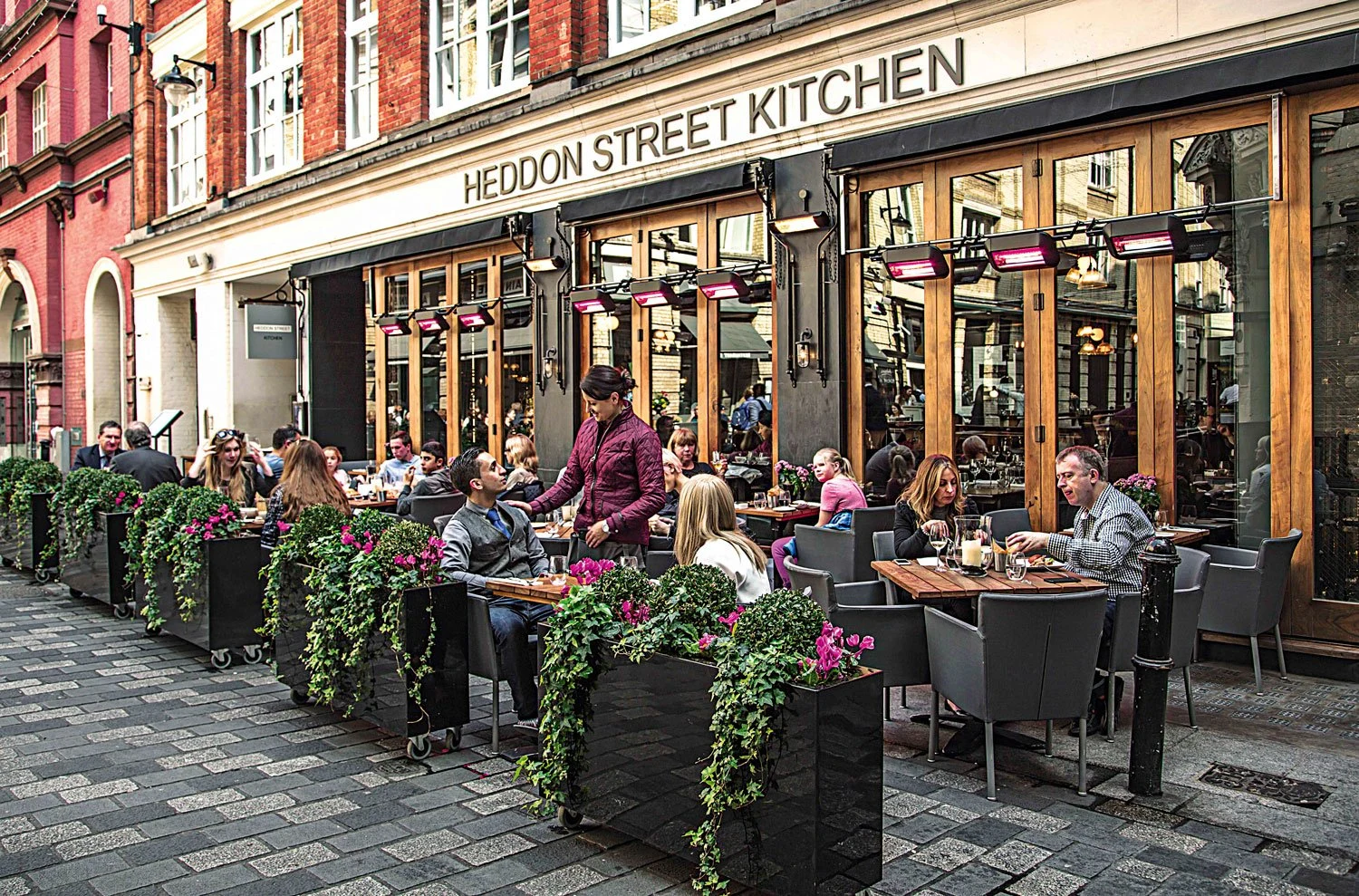
Heddon Street is the kind of address that repays attention. A short pedestrianised cut between Regent Street and Savile Row, it has accumulated a cluster of restaurants that trade on the Mayfair postcode without demanding the three-figure spend associated with the neighbourhood's most celebrated rooms.
Heddon Street Kitchen sits within that context. For visitors trying to map London's dining geography, the useful comparison is not with the tasting-menu rooms that define the area's ceiling, places like Restaurant Gordon Ramsay, Sketch, The Lecture Room and Library, or CORE by Clare Smyth, but with the broader cohort of brasserie-style addresses that aim to deliver a considered meal without a fixed menu or a two-hour sitting minimum. That cohort has become more competitive in London, which means the better rooms in it have had to sharpen their food proposition to hold the room.
Technique Over Territory: What the Kitchen Is Actually Doing
The framing that makes most sense for Heddon Street Kitchen is the intersection of European culinary method and British seasonal sourcing. What once distinguished a restaurant in this mode was the use of classical French technique applied to British ingredients. That is now table stakes. The more interesting question is how far a kitchen pushes the sourcing specificity and how clearly the technique serves the produce rather than overshadowing it.
This is the same pressure felt across a wide range of London rooms that sit between the full fine-dining commitment and the neighbourhood bistro register. At the higher end, The Ledbury and Dinner by Heston Blumenthal have built their identities on the intersection of global technique and British culinary history. The same principle scales downward through the price tiers, with kitchens at every level making choices about how literally or loosely to interpret seasonality and provenance. The Mayfair context matters here: the neighbourhood's dining clientele, a mix of business lunchers, hotel guests, and occasion diners, tends to expect some rigour in sourcing even at casual price points.
British kitchens working in this mode increasingly look beyond France for their reference points. Spanish fire techniques, Japanese knife discipline, and Scandinavian preservation methods have all become part of the working vocabulary of London restaurant kitchens, applied to the same seasonal British produce that was once processed almost exclusively through a French lens. The result, at its most coherent, is cooking that reads as distinctly London: technically fluent, ingredient-forward, and assembled from a wider range of global influences than the cuisine of any single European capital.
The Neighbourhood and Its Dining Peers
Understanding where Heddon Street Kitchen sits requires a brief map of the surrounding area. Mayfair holds a higher concentration of Michelin-starred restaurants per square kilometre than almost any other London district. The pedestrianised section of Heddon Street itself functions as a mini dining quarter, which creates a self-selecting audience: people who have come specifically to eat rather than stumbling in from a shopping street. That makes for a more engaged room than many central London addresses manage.
The broader London restaurant scene has continued to stratify between high-commitment tasting menus and a growing middle band of technically capable à la carte rooms. Heddon Street Kitchen operates in that middle band, where value is measured not just by price but by the quality of sourcing and execution relative to the cover charge. Comparable rooms outside London, Midsummer House in Cambridge or Hand and Flowers in Marlow, show how the British brasserie format can reach considerable ambition when the kitchen is focused. The London version of the same format operates under greater competition and higher real-estate costs, which tends to concentrate kitchens on consistency over experimentation.
Further afield, the conversation about local ingredients and global technique plays out in very different registers. These are different expressions of the same underlying question about what British cooking should actually mean in the twenty-first century.
Planning Your Visit
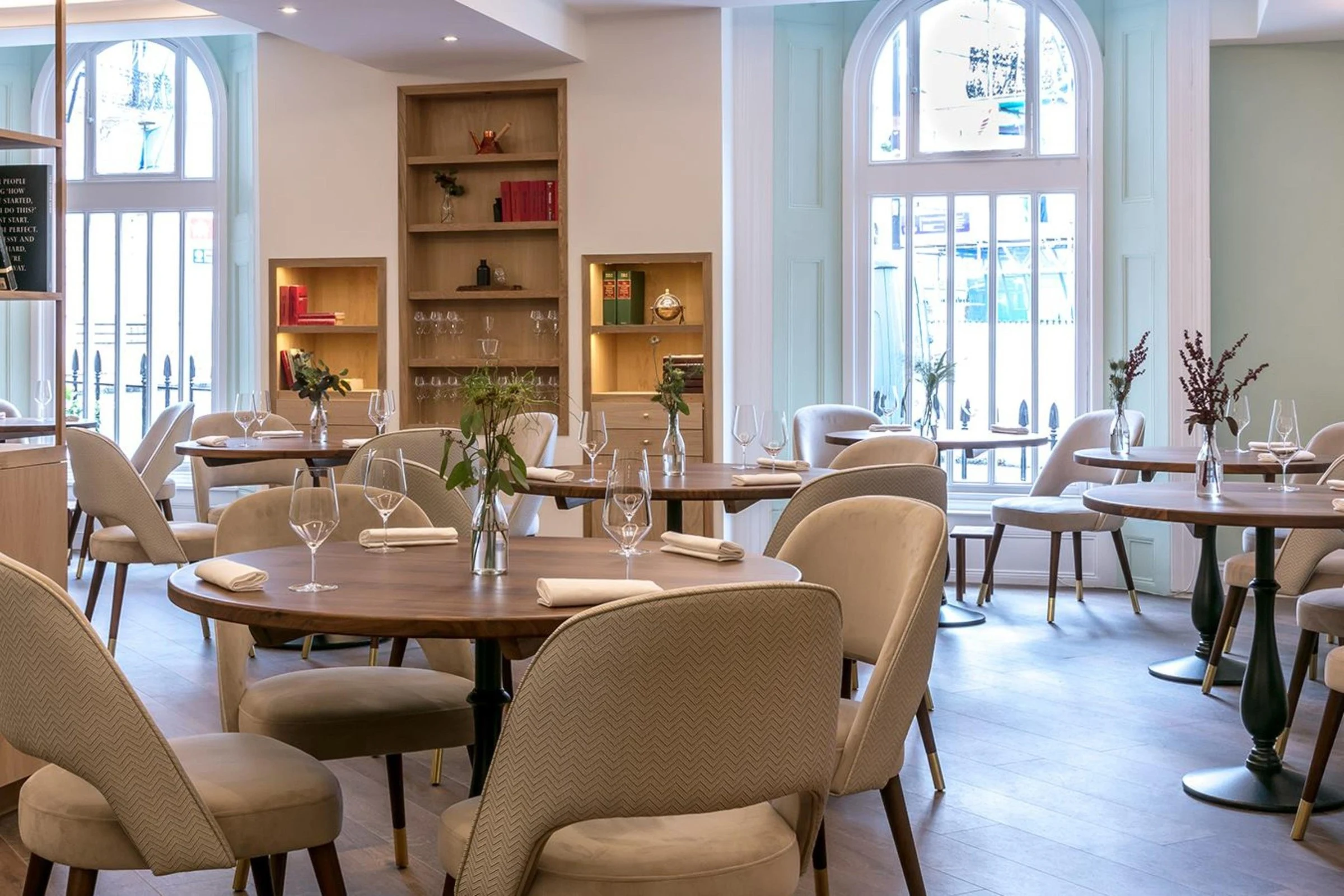
Heddon Street Kitchen is located at 3-9 Heddon Street, London W1B 4BE. The pedestrianised street setting makes it suitable for outdoor seating when weather permits, which is a relative rarity in central Mayfair. Reservations are recommended for lunch and dinner, particularly on weekdays. Dress: Smart casual fits the room. Budget: Expect about $50 per person. Timing: Lunch offers a quieter entry point into the room.
Questions
Frequently asked
Who works at Heddon Street Kitchen?
Made By profiles Paul Croasdale (Chef) at Heddon Street Kitchen.
How expensive is Heddon Street Kitchen?
Heddon Street Kitchen is listed at a price level of $$$.
Where is Heddon Street Kitchen and what does it serve?
Heddon Street Kitchen is in Soho, London, serving Modern European Brasserie.
The field
How it compares
| Place | Cuisine | Notes | Awards |
|---|---|---|---|
| Heddon Street Kitchen | Modern European Brasserie | Soho, $$$ | · |
| CORE by Clare Smyth | Modern British Fine Dining | London | Michelin 3 Stars, World's 50 Best |
| Ikoyi | Modern West African Fine Dining | London | Michelin 2 Stars, World's 50 Best |
| Kitchen Table | Modern British Fine Dining | London | Michelin 2 Stars |
| KOL | Modern Mexican Fine Dining | London | Michelin 1 Star, World's 50 Best |
| Row on 5 | Modern British Fine Dining with Mediterranean & Asian Influences | London | Michelin 2 Stars |
| The Ledbury | Modern British Fine Dining | London | Michelin 3 Stars, World's 50 Best |
In residence
Similar places
Modern British Fine Dining
CORE by Clare Smyth
London, United Kingdom
★★★ · 50 Best
Modern West African Fine Dining
Ikoyi
London, United Kingdom
★★ · 50 Best
Modern British Fine Dining
Kitchen Table
London, United Kingdom
★★
Modern Mexican Fine Dining
KOL
London, United Kingdom
★ · 50 Best
Modern British Fine Dining with Mediterranean & Asian Influences
Row on 5
London, United Kingdom
★★
Modern British Fine Dining
The Ledbury
London, United Kingdom
★★★ · 50 Best