Argonne oak in the cellar
- Falstaff Winery - 3 Stars · 2026
- Pearl 3 Star Prestige · 2025
Argonne oak at the cellar bench
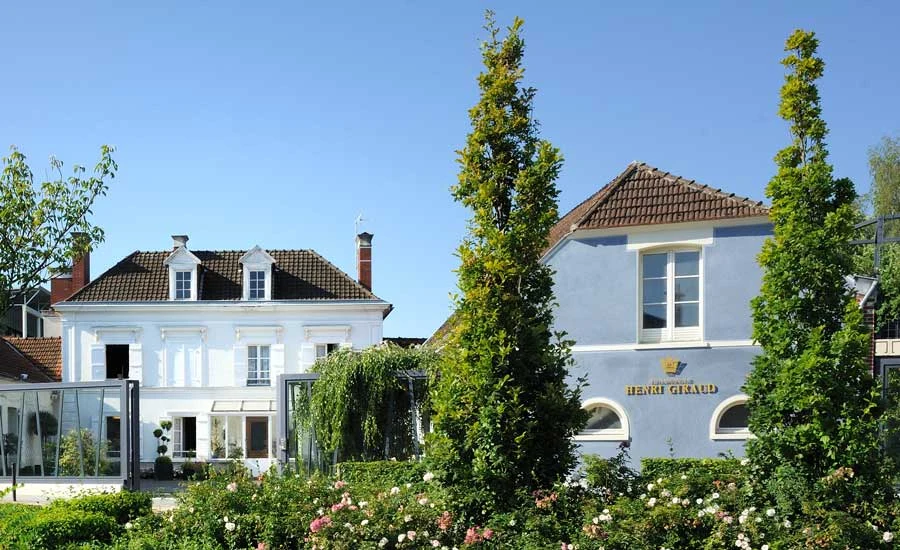
Argonne oak sets the line before the wine is poured; at Henri Giraud in Germenay, Sébastien Le Golvet works as winemaker and Chef de Cave with that grain close to hand. Since 2004, he has held the cellar master’s post here, shaping the house wines line by line rather than by broad gesture. Réserve Perpétuelle and Argonne sit within that work, both tied to a cellar discipline that asks for continuity across releases and enough tension to keep each wine awake.
The family history he names is longer than any single cellar master’s tenure. “I think I owe it, above all, to the history of the Giraud family, which has worked the vineyard at Aÿ since 1625.” Le Golvet’s role is not to decorate that lineage; it is to keep it useful. In Champagne, where blend, reserve wine, élevage and disgorgement all leave their mark, the Chef de Cave works by accumulation. A decision made at one bench returns later in the glass.
Barrels brought back from the forest
The house’s defining material is local Argonne forest oak, used for barrels after a period of 75 years in which that practice had been abandoned. That choice gives the cellar a particular grammar: Pinot Noir and Chardonnay from Champagne AOC, Grand Cru fruit from Aÿ, sparkling wines built with wood as part of the method rather than as surface polish. The house makes about 250,000 bottles annually, small enough for the barrel program to remain legible in the work.
Le Golvet has described challenge in physical terms: “I take on challenges like a mountaineer.” In the cellar, that reads less like theatre than pressure held over time. Argonne is the house’s cuvée, and Fut de Chêne MV 2019 Aÿ Grand Cru Brut is described by the house as a hotly awaited new release. The vocabulary is Champagne’s familiar one, reserve, blend, oak, tirage, patience, but the accent comes from the forest and from a cellar master who has stayed with the same house style since 2004.
The oak table and the quiet room
The tasting room is refined and close in scale, with an immense oak table made from Argonne Forest wood anchoring the room. It is not a theatrical room. Conversation carries at a human level, and the eye returns to material: timber, glass, bottle, cellar stone, the line of Grand Cru vineyards beyond. The estate sits in Aÿ village, with underground cellars and oak barrel aging rooms below the polished surface of the house.
That proximity matters. The cellar tour with tasting, the food pairing experience, and the table experience all bring the visitor back to the same question: how a Champagne house makes wood, fruit, reserve and time cohere without losing lift. The answer here is not given as a slogan. It sits in the oak rooms, in Réserve Perpétuelle, and in Argonne.
Questions
Frequently asked
Who is the winemaker at Henri Giraud?
Sébastien Le Golvet works as winemaker and Chef de Cave at Henri Giraud, and he has held the cellar master’s post since 2004.
What is Henri Giraud known for?
The house is known for using Argonne forest oak in its cellar work, alongside Grand Cru fruit from Aÿ and a style shaped through reserve wine, blending and time.
What experiences are offered at the estate?
The estate offers a cellar tour with tasting, a food pairing experience, and a table experience.
What should visitors know about booking and visiting?
Visits are by appointment only, the dress code is smart casual, and there is on-site parking.
The field
How it compares
| Place | Notes | Awards |
|---|---|---|
| Henri Giraud | Aÿ, $$$$ | · |
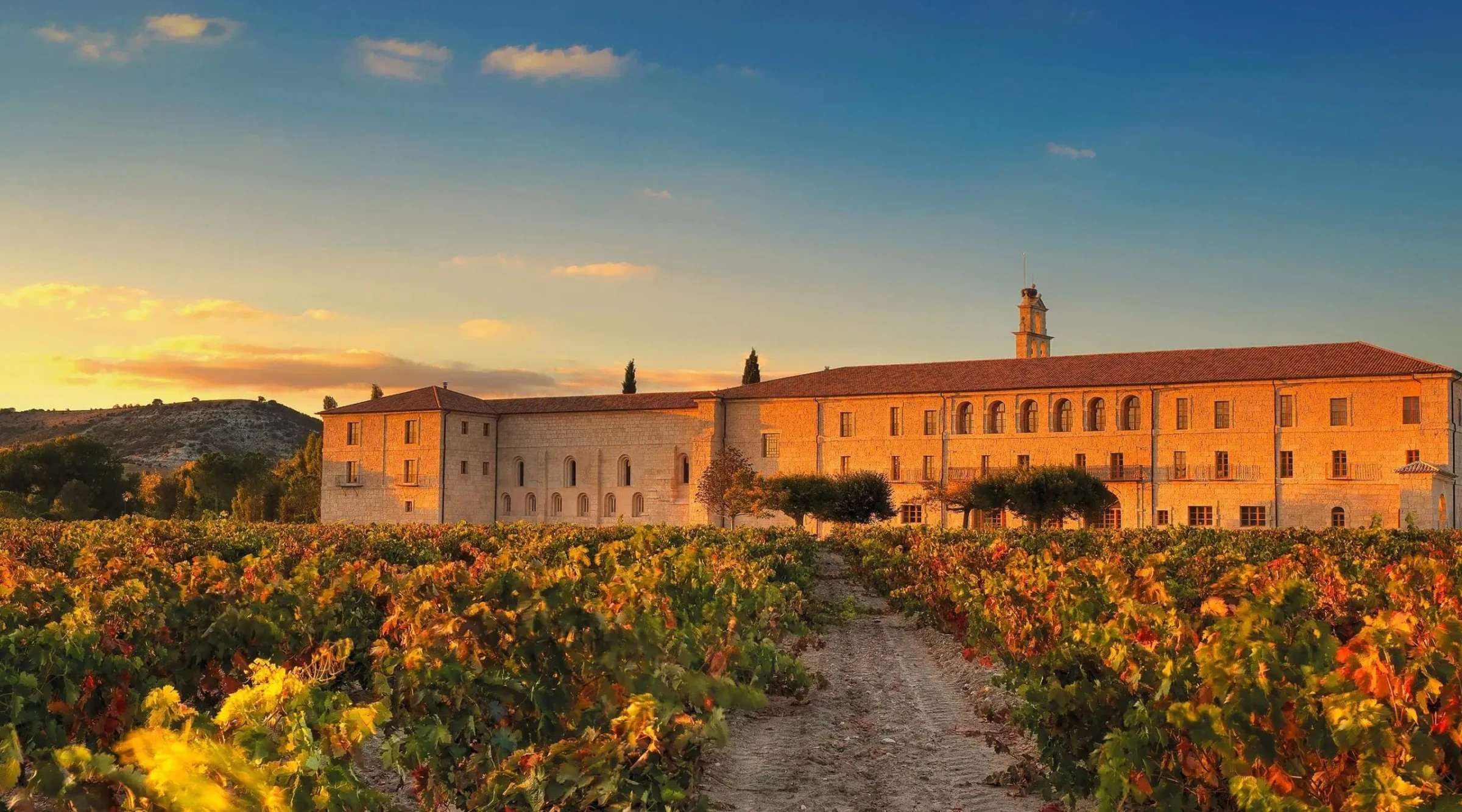
| Abadía Retuerta | Sardón de Duero | World's 50 Best |
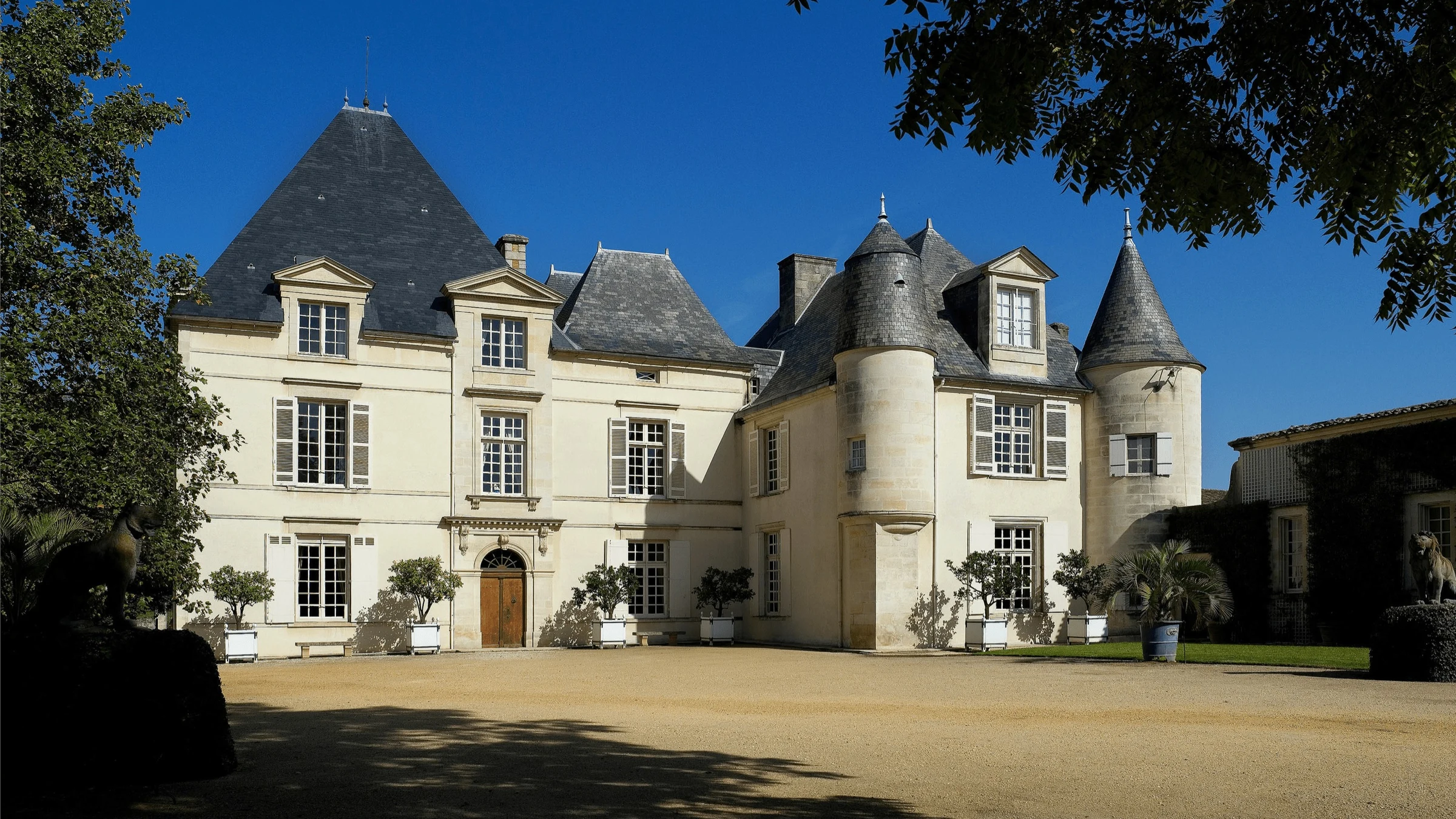
| Chateau Haut-Brion | Pessac | World's 50 Best |
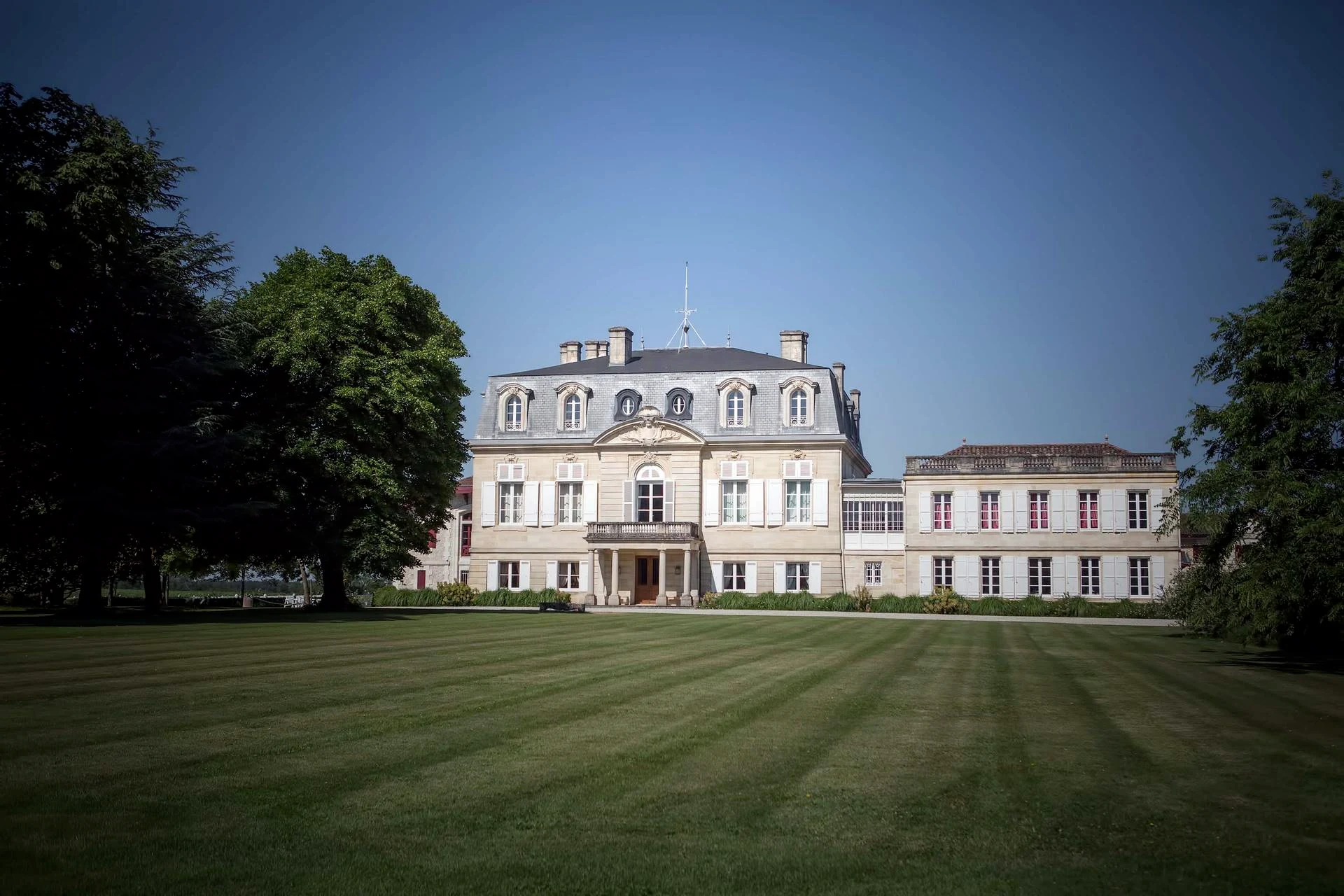
| Château Pontet-Canet | Pauillac | · |
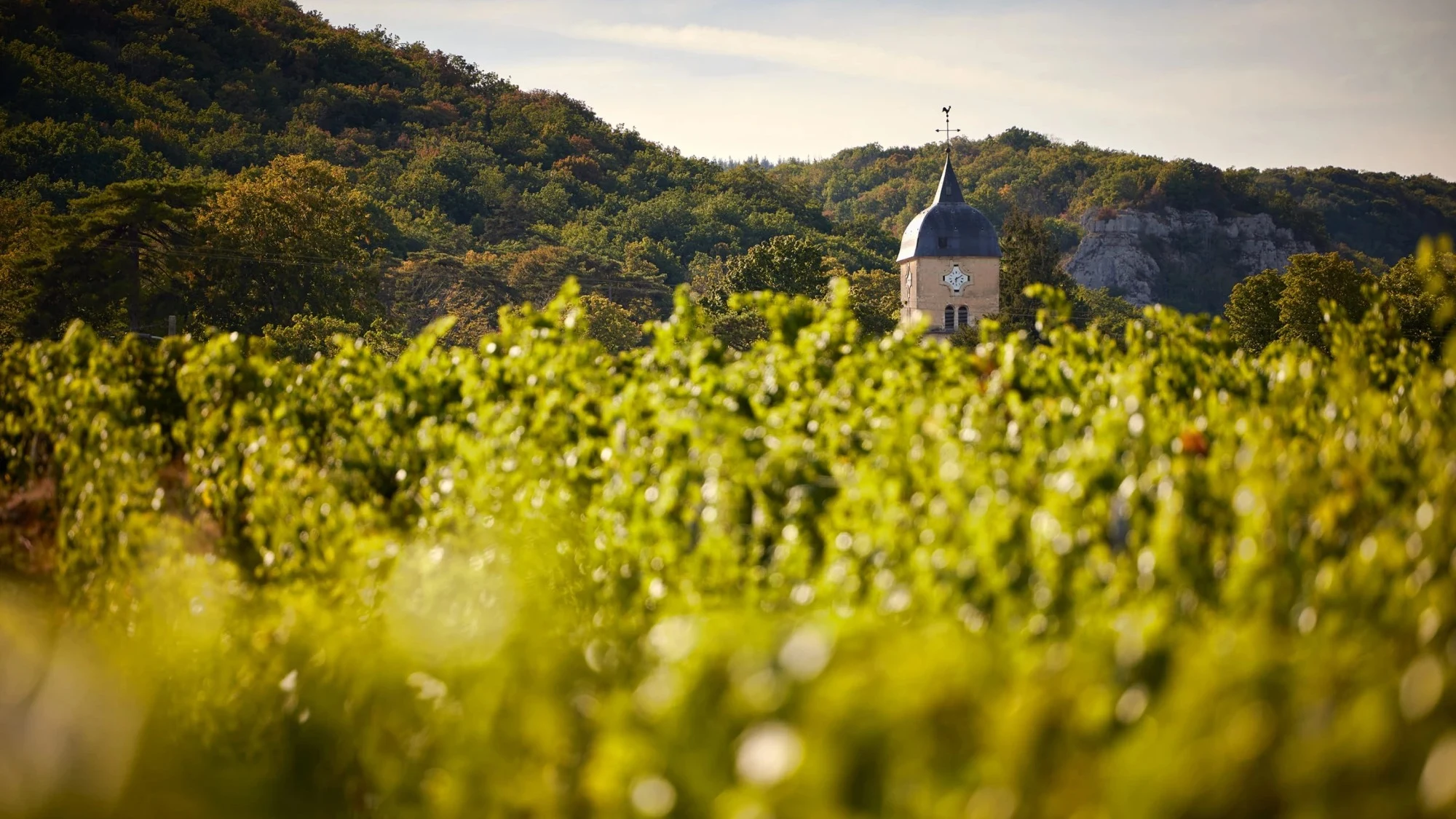
| Domaine Georges Roumier | Chambolle-Musigny | · |
| Domaine Roulot | Meursault | · |
| Harlan Estate | Napa | · |