Henry Natter
- 01CityMontigny, France

- Falstaff Winery - Listed · 2026
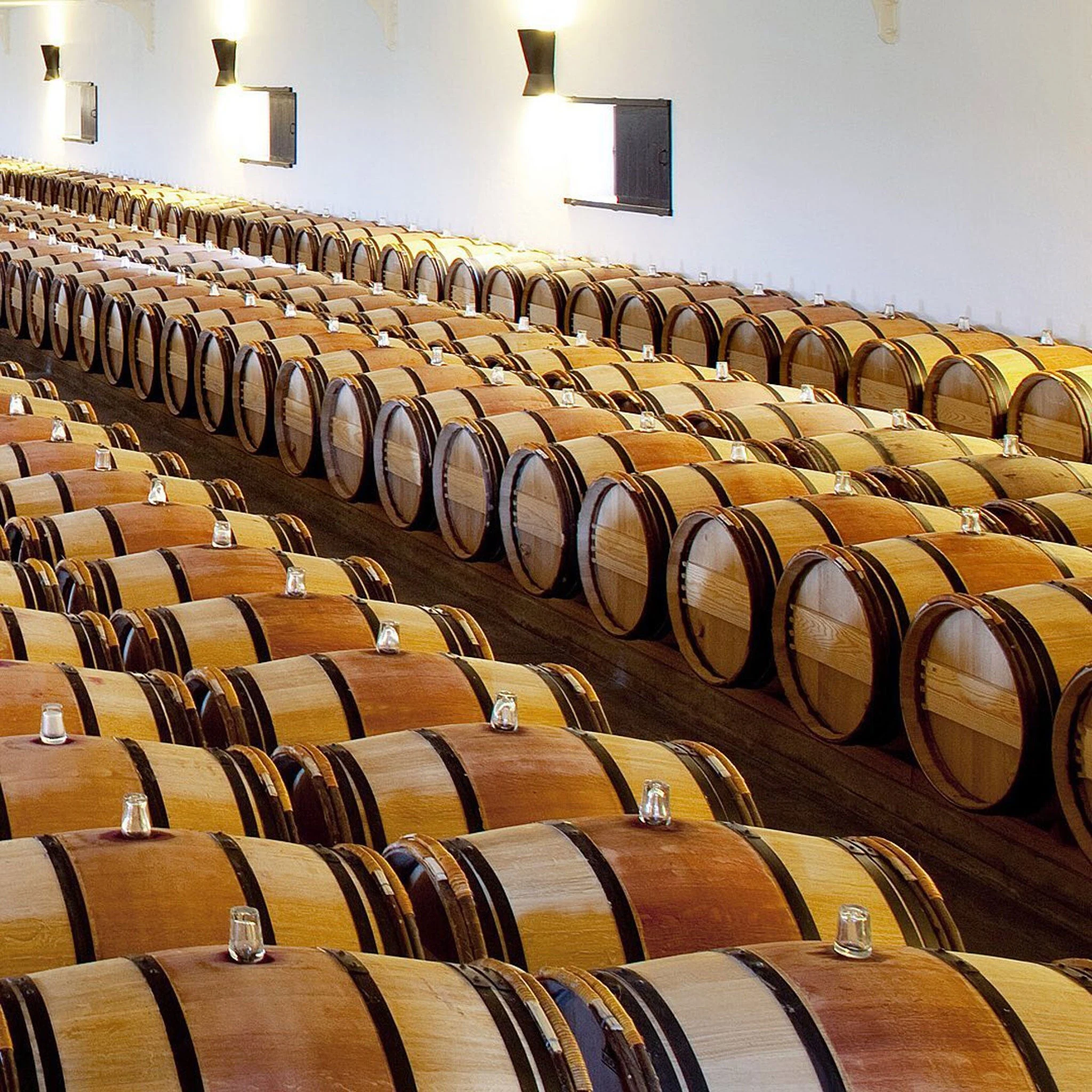
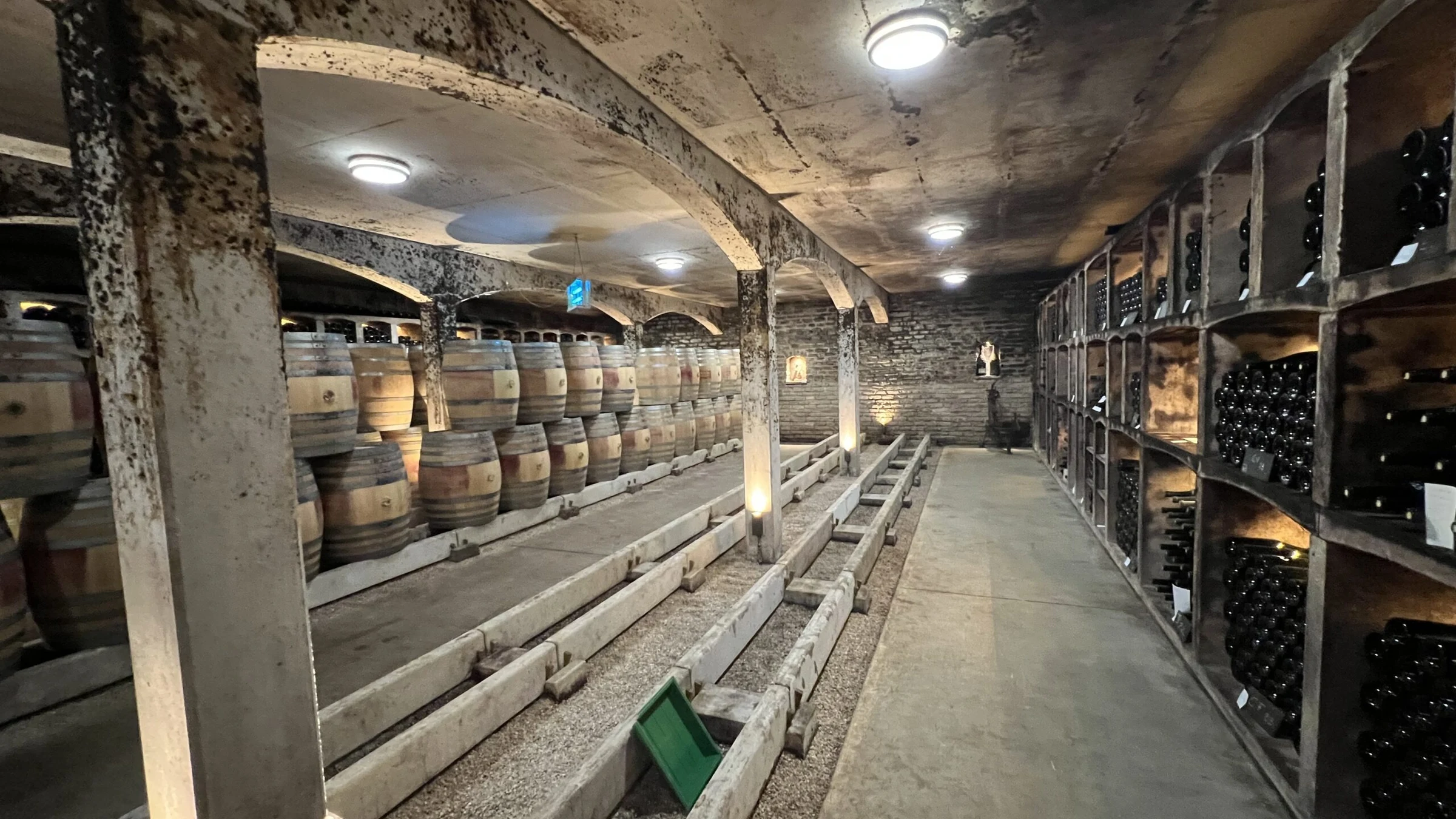
Henry Natter in Montigny is best understood as a traditional Loire family domaine with a working-vineyard feel. Its appeal is quiet and rustic rather than design-driven: the focus is on the cellar, the hillside vines and the atmosphere of a small village. Nothing in the description suggests a venue trying to impress through spectacle or layered hospitality programming. Instead, the character comes from a simpler combination of landscape, family-domaine identity and the sense that the vineyard and cellar remain central to the visit.
A quiet Loire domaine in Montigny
For visitors planning around Montigny, Henry Natter offers a classic, low-key counterpoint to more polished hospitality spaces. The draw is not a highly staged visitor format, a restaurant program or a documented luxury experience; it is the sense of a family domaine rooted in vineyard and cellar work. That distinction matters for expectations. This is the kind of stop to approach for its atmosphere and local grounding rather than for a tightly choreographed destination experience.
The setting is described as scenic and quiet, with hillside vines helping define the experience. That vineyard context gives the place much of its texture: the surrounding slopes are not just a backdrop, but part of the reason the domaine reads as rooted and traditional. In Montigny, the small-village atmosphere also shapes the mood. The pleasure is in the calmness of the setting, the rural scale and the feeling of being close to the work of the vines rather than insulated from it.
Traditional character over design-led hospitality
Henry Natter’s personality is rustic and classic. It reads as a hidden-gem stop for travelers who prefer a working-vineyard atmosphere to a venue built around elaborate hospitality spaces. The emphasis is on place, cellar and vines rather than on a documented dining room, tasting format or broader amenities. In practical terms, that means the domaine is best framed as a traditional stop rather than a polished leisure venue. Its strength is not in a list of features, but in the coherence of its modest, vineyard-first identity.
This traditional character is central to how the venue should be understood. Rustic, in this context, does not mean lacking interest; it means the experience is grounded in the materials of a family domaine: cellar, vines, village and hillside setting. Classic, likewise, points to restraint and continuity rather than novelty. Travelers looking for glossy interiors or an explicitly designed hospitality concept may find the description too quiet. Those who enjoy places that feel close to their agricultural and cellar work are more likely to understand the appeal.
The price level is listed as $$, which places it in a moderate range for planning purposes. That positioning fits the overall impression of the venue: approachable, traditional and not defined by luxury cues. It gives visitors a useful planning marker without changing the essential character of the stop, which remains more about atmosphere and setting than about a formalized premium experience.
Who should put it on a Loire route
Henry Natter is a strong fit for travelers who want a quiet, scenic stop in Montigny with a traditional Loire family-domaine feel. It is especially suited to people who value understated vineyard context and a cellar-focused atmosphere over design-forward hospitality. If your Loire route is built around small places, rural texture and the quieter side of wine country, this domaine fits that rhythm well.
For planning around Montigny, treat Henry Natter as a rustic, classic stop rather than a resort-style destination. If you are comparing options, consider it alongside other dining in Montigny generically, with Henry Natter standing out for its small-village setting and working-vineyard character. The comparison is less about amenities and more about mood: this is the option to keep in mind when you want the visit to feel connected to hillside vines, cellar work and a traditional domaine environment.
It is also worth matching the stop to the kind of day you are planning. Henry Natter makes the most sense when the goal is a calm, grounded pause in Montigny rather than a busy hospitality itinerary. Its appeal depends on appreciating the quieter details already noted: the scenic setting, the rustic tone, the moderate positioning and the feeling of a family domaine embedded in its village landscape.
For broader trip planning, use Henry Natter as a quiet Montigny reference point and confirm any practical details directly before visiting. Because the available description centers on character rather than a documented visitor program, direct confirmation is the safest way to align expectations with the current reality on the ground.
Questions
Frequently asked
How expensive is Henry Natter?
Henry Natter is listed at a price level of $$.
The field
How it compares
| Place | Notes | Awards |
|---|---|---|
| Henry Natter | Montigny, $$ | · |
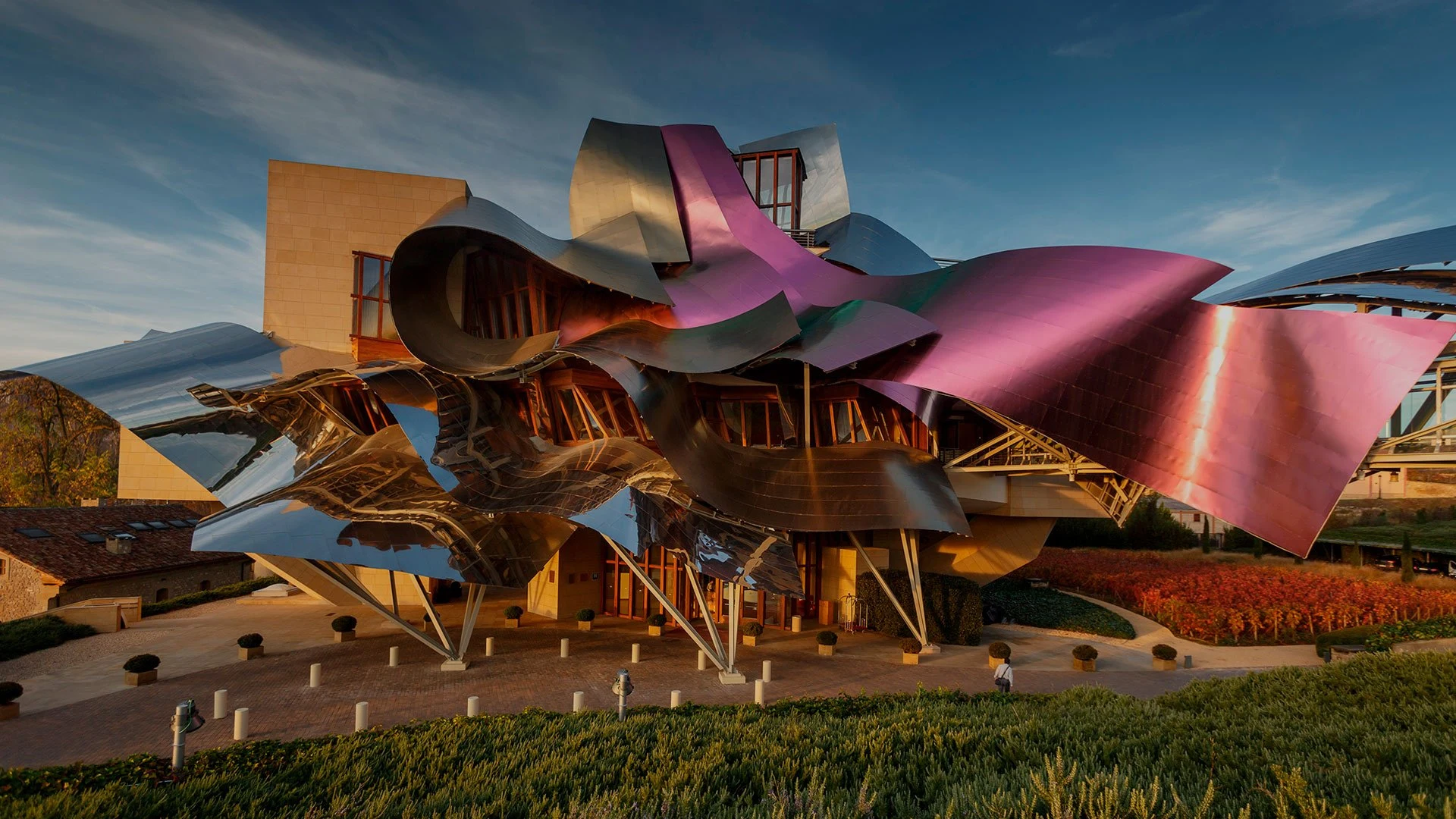
| Bodegas de los Herederos del Marqués de Riscal | Elciego | World's 50 Best |
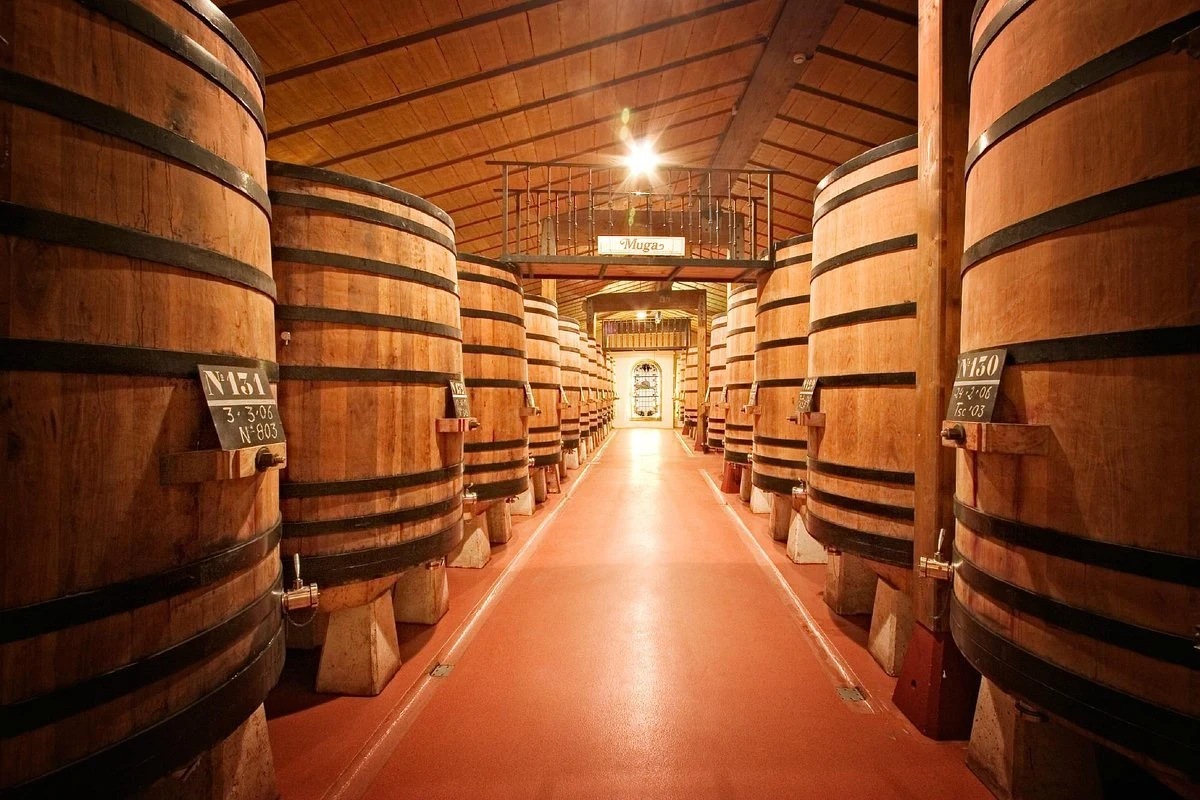
| Bodegas Muga | Haro | World's 50 Best |
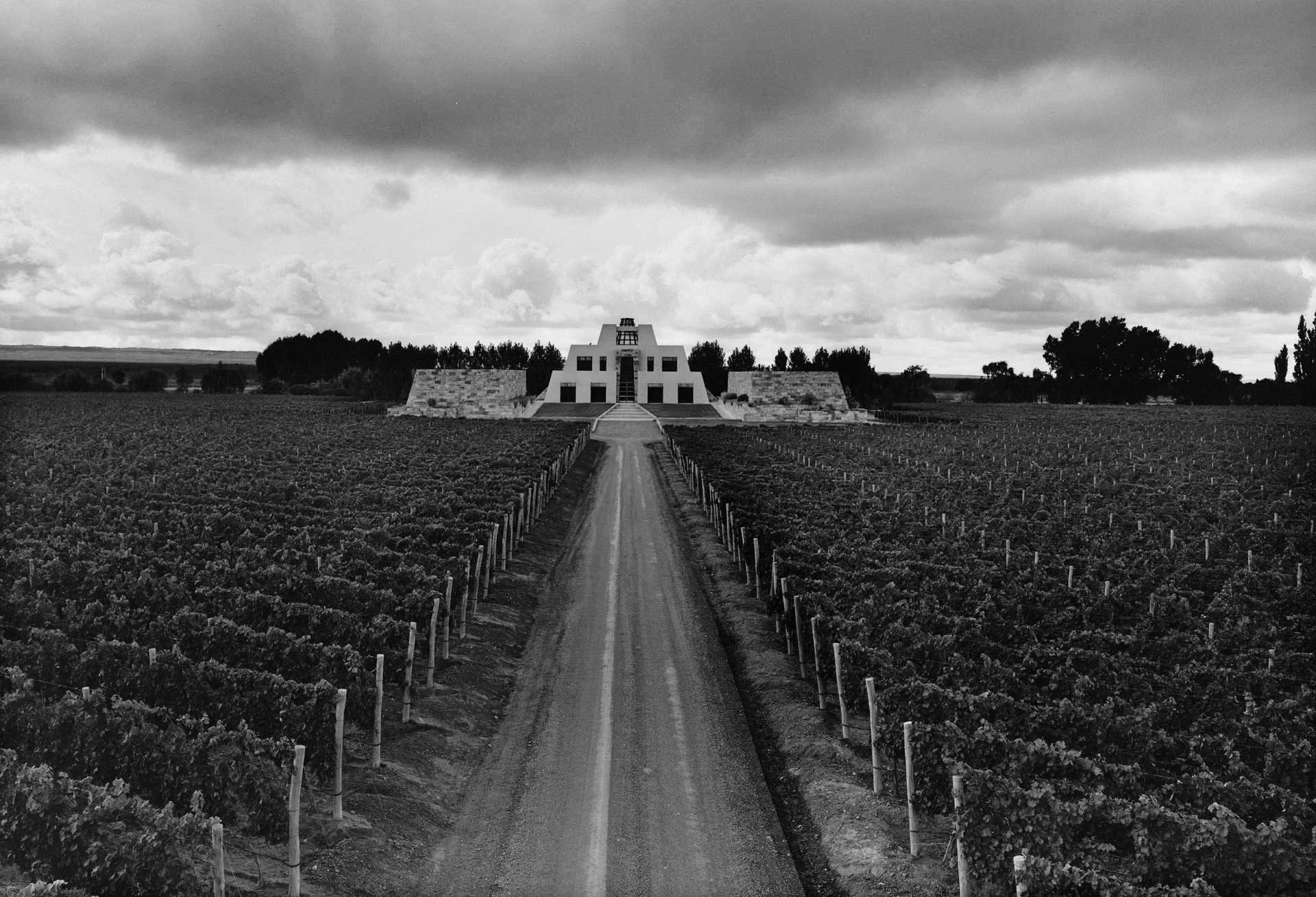
| Catena Zapata | Agrelo | World's 50 Best |
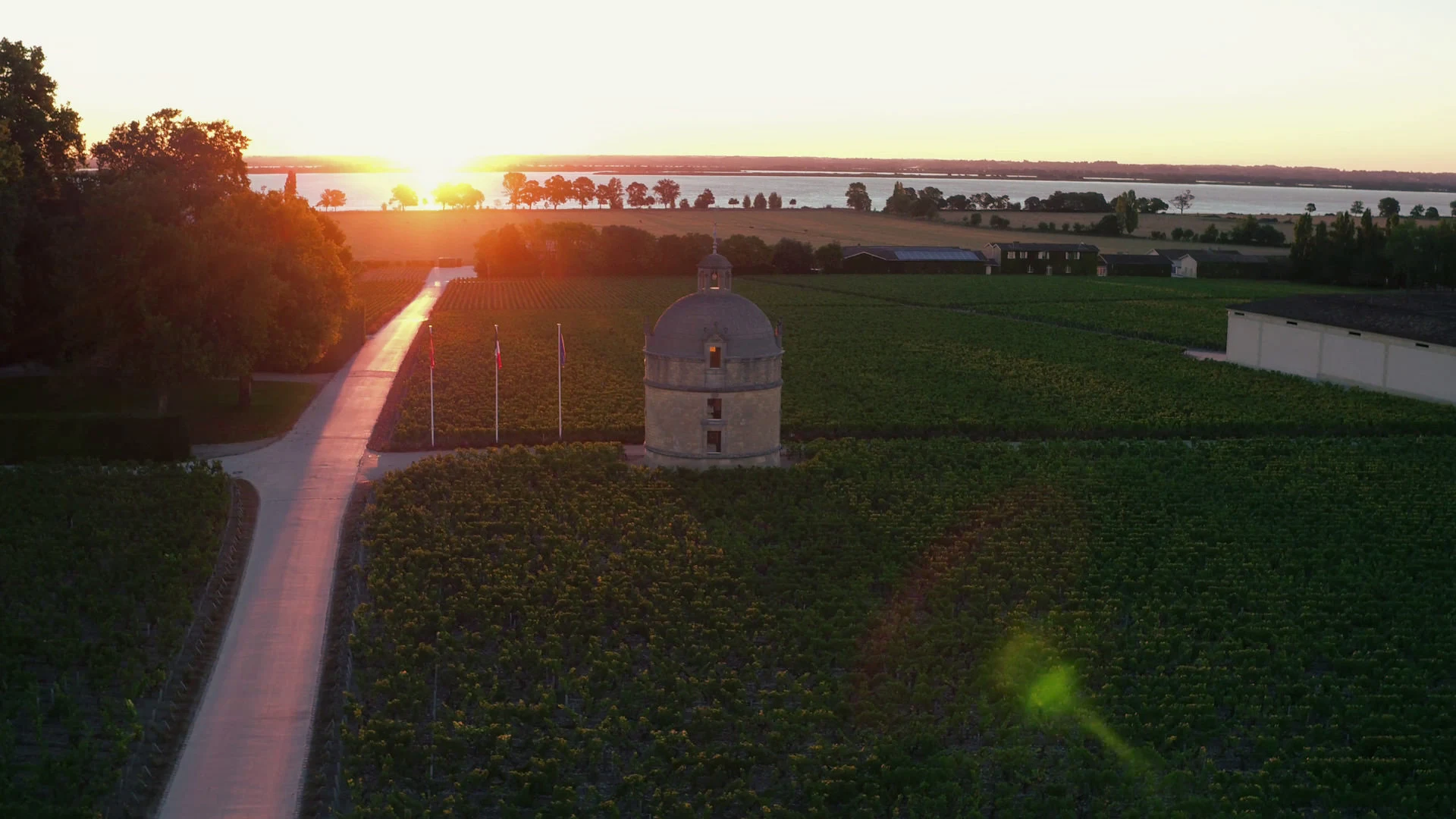
| Château Latour | Pauillac | · |
| Chateau Mouton Rothschild | Pauillac | World's 50 Best |
| Domaine Georges Mugneret-Gibourg | Vosne-Romanée | · |