
- Falstaff Winery - Listed · 2026
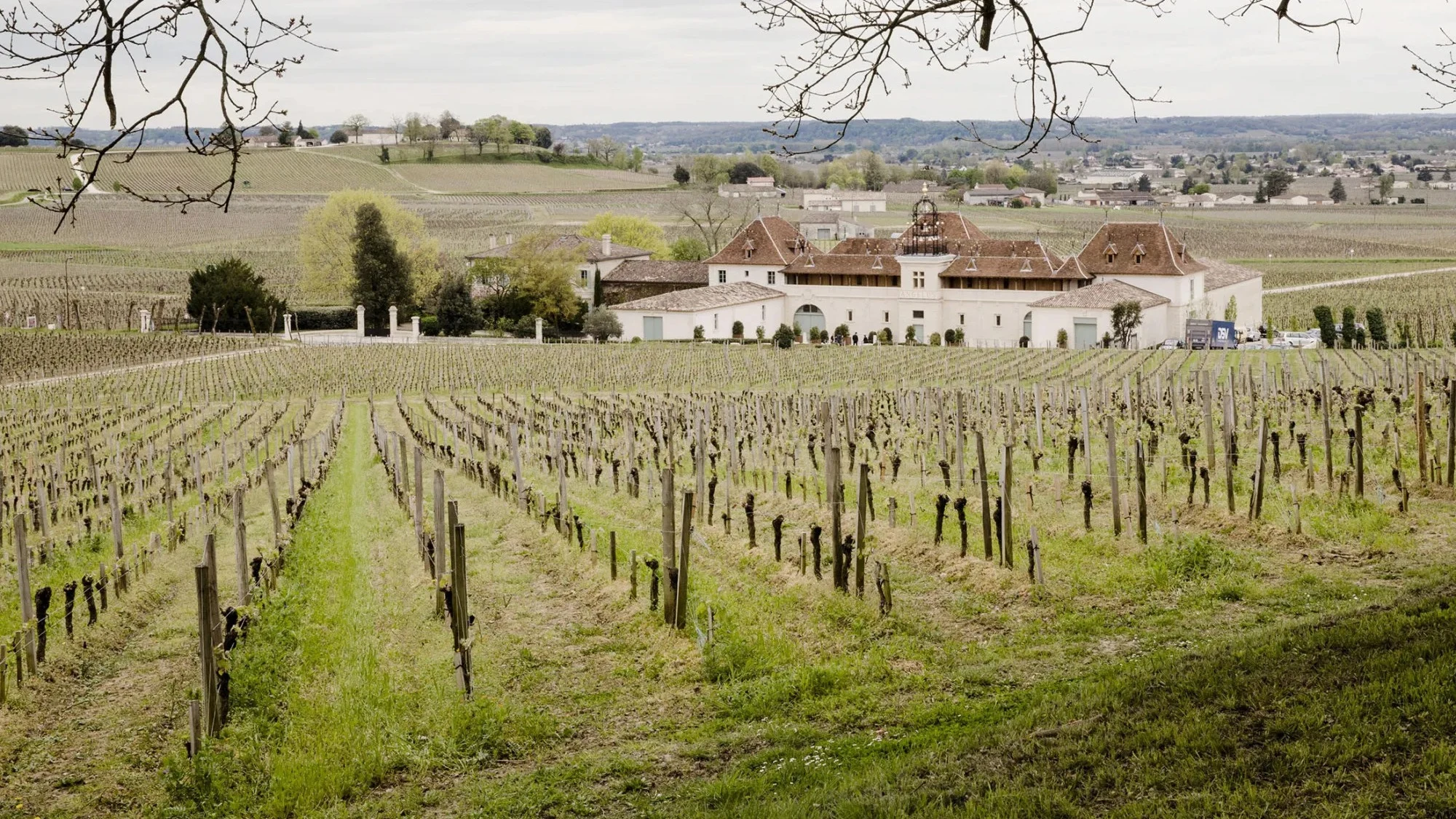
Herdade do Arrepiado Velho is presented as a historic 19th-century Alentejo estate in Sousel, set among vineyards, olive trees and a dam. Its appeal is atmospheric rather than detail-heavy: traditional architecture, a quiet rural setting and a scenic, romantic mood where design and attention to detail are part of the experience. In other words, the most reliable way to understand it is not through an exhaustive list of services, but through the elements that shape its sense of place. The estate is described through land, water, architecture and mood, and those are the anchors that give the venue its character.
Because only limited information is available, it is best understood here as a place defined by setting and estate character. Specific claims about production, tours, tastings, ownership, service format, awards, hours or facilities should be confirmed directly before planning a visit. That caution matters because a venue like this can easily invite assumptions: vineyards may suggest wine activity, an estate may suggest hospitality, and a scenic rural location may suggest events or visits. None of those details should be taken for granted here. What can be said with confidence is narrower, but still meaningful: Herdade do Arrepiado Velho reads as a historic Alentejo property where the surrounding landscape and traditional built environment are central to the experience.
Vineyards, olive trees and water define the setting
The landscape details are simple but important: vineyards, olive trees and a dam surround the 19th-century estate. Those elements give Herdade do Arrepiado Velho its sense of rural Alentejo atmosphere and make the setting central to how the venue is experienced. Vineyards and olive trees are not just background details in this description; they establish the agricultural and regional texture of the property. The dam adds another visual layer, introducing water into an otherwise rural estate setting and helping explain why the place is framed as scenic rather than merely historic.
Rather than treating the estate as a technical profile, this guide frames it as a scenic Sousel estate whose strongest confirmed qualities are architectural character, quiet surroundings and a romantic rural mood. The emphasis is therefore on how the parts work together: a historic estate, traditional architecture, cultivated land and a calm waterside element. The result is a setting that be experienced slowly and visually, with the surrounding environment doing much of the work. For visitors considering it within Sousel, the landscape is not secondary to the venue; it is one of the main reasons the estate stands out in the.
A design-forward estate, not just a rural stop
Design and attention to detail are part of the confirmed description of Herdade do Arrepiado Velho. The estate’s traditional Alentejo architecture, vineyard setting, olive trees and dam create a composed, scenic environment rather than a purely functional countryside stop. This distinction is important. A rural location can be simple or utilitarian, but the way this estate is described points toward a more considered experience, where the visual composition of buildings, landscape and surrounding quietness matters. The design-forward quality does not need to be overstated; it simply means that the estate’s appearance and atmosphere are part of its identity.
The atmosphere is quiet, scenic and romantic. That makes the estate most compelling for travelers who value setting, architecture and a sense of place in Sousel. Its appeal is likely to be strongest for those who respond to the slower pleasures of a rural Alentejo environment: traditional forms, open surroundings, cultivated land and an overall mood shaped by calm rather than activity. The word romantic here should be read in that atmospheric sense, connected to scenery, quietness and the impression of an old estate embedded in its landscape.
Food, beverage programs and service style are also not confirmed here. The safest editorial reading is that Herdade do Arrepiado Velho is notable for its estate setting and visual character, with any operational details best checked directly before visiting. This is especially important because the confirmed description leaves many practical questions unanswered. Rather than filling those gaps with assumptions, the venue is better presented for what is clearly available: a historic 19th-century estate in Sousel, marked by traditional Alentejo architecture, vineyards, olive trees, a dam, and a carefully composed rural mood.
How to place it in a Sousel visit
Within Sousel, Herdade do Arrepiado Velho can be considered through its land and architecture first: a 19th-century Alentejo estate, traditional design, vineyards, olive trees and a dam. The mood is quiet and scenic, with a romantic quality that suits a slower countryside visit. It is not described here as a checklist destination, and that restraint is useful. The available picture suggests a place to approach for atmosphere, setting and estate character rather than for programs or specific amenities.
For broader planning, compare it with other options in Sousel generically, and confirm practical details directly with the venue before arranging a visit. That direct confirmation should cover anything operational, from whether visits are possible to what form they may take. As an editorial entry, Herdade do Arrepiado Velho is strongest when placed as a scenic historic estate: quiet, traditional, visually composed and closely tied to the surrounding Alentejo landscape.
Questions
Frequently asked
Who works at Herdade do Arrepiado Velho?
Made By profiles Nuno Ramalho (Winemaker) at Herdade do Arrepiado Velho.
How expensive is Herdade do Arrepiado Velho?
Herdade do Arrepiado Velho is listed at a price level of $$.
The field
How it compares
| Place | Notes |
|---|---|
| Herdade do Arrepiado Velho | Sousel, $$ |
| Ardbeg | Port Ellen |
| Château Angelus | Saint-Émilion |
| Chateau Petrus | Pomerol |
| Domaine Georges Mugneret-Gibourg | Vosne-Romanée |
| Michter's | Louisville |
| Ornellaia | Castagneto Carducci |