Made ByRestaurant
Hiša Franko

Chef in Residence
Ana Roš
Chef
- 01CuisineModern Slovenian Fine Dining
- 02CityKobarid, Slovenia
- 03RecognitionThree Michelin Stars
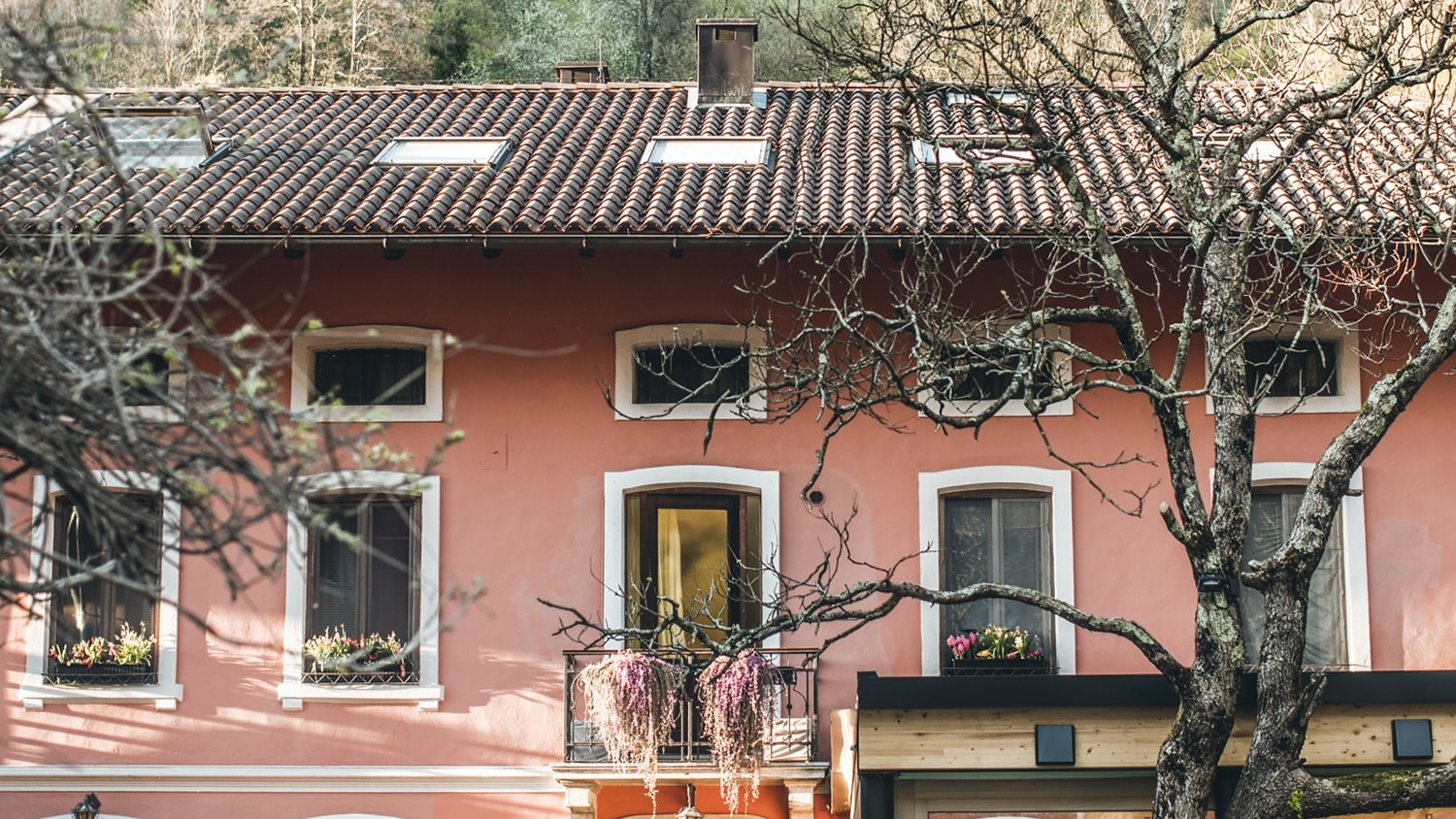
Three Michelin stars and a place in the World's 50 Best Restaurants confirm what visitors to this remote Soča Valley farmhouse already know: Hiša Franko operates at a level rarely found outside major capitals. Chef Ana Roš, self-taught and hyper-local in her sourcing, has built a menu anchored in the Julian Alps, drawing ingredients from foragers, shepherds, and fishermen across the valley's tight community of producers.
- 3 Michelin Stars
- World's 50 Best · #21
At a glance
- Cuisine
- Modern Slovenian Fine Dining
- Price
- $$$$
- Per person
- $340
- Hours
- Mon: Closed; Tue: Closed; Wed: Closed; Thu: Closed; Fri: 7–11 PM; Sat: 7–11 PM; Sun: Closed
- Neighborhood
- Staro Selo
- Rating
- 4.6 (932)
<h2>A Farmhouse at the Edge of the Alps</h2><p>Hiša Franko is a three-Michelin-star restaurant in Kobarid, Slovenia, with a €€€€ price tier. The Soča River runs turquoise below limestone ridges, the valley narrows, and the infrastructure of serious fine dining, the kind that sits inside the World's 50 Best Restaurants list year after year, seems architecturally absent. And then there is Staro selo 1, a Slovenian country house that has, over two decades, reoriented the map of European gastronomy away from its traditional capitals. The setting is the first thing to absorb: this is not an urban tasting-menu room dressed up with foraged garnishes as a prop. The surrounding environment is the actual supply chain.</p><h2>What Self-Taught Means at This Level</h2><p>The broader conversation about chef credentials has shifted considerably in the past decade, and Hiša Franko sits at its centre. In the classical European tradition, three-star kitchens almost uniformly trace their lineage through a defined apprenticeship structure: stage at a named house, promotion through brigade ranks, eventual ownership. Ana Roš took over the kitchen in 2002 without that architecture. She had studied international and diplomatic sciences, not culinary arts, and the skills she built came from the valley itself, from the producers around her, and from the logic of a place rather than the curriculum of an institution.</p><p>That origin matters not as biography but as method. Where a classically trained chef inherits a vocabulary, French technique, brigade discipline, a canon of preparations, Roš built one from available materials outward. The result is a cuisine that reads as genuinely regional rather than regionally inflected, which is a meaningful distinction in a category where many kitchens import the idea of terroir without its actual constraints. The awards data confirms the outcome: three Michelin stars and a ranking of 21st in the World's 50 Best in 2025. These are not a single body's judgment, they represent convergence across the most demanding peer-review systems in the industry.</p><h2>The Ingredients Are the Argument</h2><p>Sourcing at this level in a remote Alpine valley is not a stylistic decision; it is a structural one. Hiša Franko draws from foragers, shepherds, cheesemakers, hunters, and fishermen who form the specific community around the restaurant. Marble trout from the Soča, wild herbs from the hillsides, locally produced cheese, and produce from the kitchen's own garden constitute the raw material. The stated aim is self-sufficiency supplemented by local farmers when the garden falls short.</p><p>The practical consequence for the diner is a menu that shifts with the seasons in a way that feels constrained by actual availability rather than calendar marketing. What arrives at the table reflects what is genuinely present in the landscape around the restaurant at that moment, which produces the intense, surprising flavour combinations that the restaurant described as "very expressive, intense flavours and aromas, very balanced but always full of surprising nuances." That is a panel's language for a kitchen that has absorbed its environment rather than illustrated it.</p><h2>Where Hiša Franko Sits in the Slovenian Restaurant Picture</h2><p>Slovenia's fine-dining tier has deepened noticeably over the past decade, and Hiša Franko operates at a remove from the rest of it in terms of both recognition and ambition. Within the country, the nearest comparators in approach and price point include <a href="https://www.enprimeurclub.com/restaurants/hisa-polonka-kobarid-restaurant">Hiša Polonka</a>, also in Kobarid, which draws on similar valley sourcing in a slightly more accessible register. Further afield, <a href="https://www.enprimeurclub.com/restaurants/gostilna-pri-lojzetu-vipava-restaurant">Gostilna Pri Lojzetu in Vipava</a> and <a href="https://www.enprimeurclub.com/restaurants/hisa-denk-zgornja-kungota-restaurant">Hiša Denk in Zgornja Kungota</a> share the €€€€ price tier and a commitment to regional identity, while <a href="https://www.enprimeurclub.com/restaurants/dam-nova-gorica-restaurant">Dam in Nova Gorica</a> represents the Mediterranean-influenced strand at a slightly lower price point. <a href="https://www.enprimeurclub.com/restaurants/milka-kranjska-gora-restaurant">Milka in Kranjska Gora</a> is the other creative kitchen in the Alpine corridor that draws comparisons in terms of mountain-sourced cooking, though at a different scale of international recognition.</p><p>For a broader view of Slovenia's tasting-menu scene, venues including <a href="https://www.enprimeurclub.com/restaurants/hisa-linhart-radovljica-restaurant">Hiša Linhart in Radovljica</a>, <a href="https://www.enprimeurclub.com/restaurants/restavracija-strelec-ljubljana-restaurant">Restavracija Strelec in Ljubljana</a>, Grič in Šentjošt nad Horjulom, <a href="https://www.enprimeurclub.com/restaurants/pavus-lasko-restaurant">Pavus in Lasko</a>, <a href="https://www.enprimeurclub.com/restaurants/a3-brestanica-restaurant">A3 in Brestanica</a>, and <a href="https://www.enprimeurclub.com/restaurants/city-terasa-maribor-restaurant">City Terasa in Maribor</a> map the range of ambition across the country. Our full Kobarid restaurants guide covers the local options in more detail.</p><p>In the Modern European creative category at the three-star level, the relevant European comparable set includes <a href="https://www.enprimeurclub.com/restaurants/schloss-schauenstein-furstenau-restaurant">Schloss Schauenstein in Fürstenau</a> and <a href="https://www.enprimeurclub.com/restaurants/vendome-bergisch-gladbach-restaurant">Vendôme in Bergisch Gladbach</a>, both operating in relatively remote European settings with strong regional sourcing commitments, both holding equivalent recognition tiers. Hiša Franko prices and positions against this international comparable set, not against the broader Slovenian restaurant market.</p><h2>The Overnight Question</h2><p>La Liste's assessors noted explicitly that an overnight stay is advisable to fully absorb the experience, and this reflects a practical reality about the restaurant's geography. Kobarid sits roughly two hours from Ljubljana. The restaurant has ten rooms available on site, which transforms what might otherwise be a logistical problem into a considered format decision. Staying removes the time pressure of driving back to a city the same evening, allows the meal to extend at the pace the kitchen intends, and places the morning after inside the same environment that shaped the menu. For guests making this a dedicated trip, which, given the distance and the price point, most visitors are, the accommodation question deserves the same advance planning as the reservation itself.</p><p></p><h2>Planning Your Visit</h2><p>Hiša Franko sits at Staro selo 1, 5222 Kobarid, Slovenia. The price tier is €€€€. The restaurant holds a 4.6 rating across 932 Google reviews. Booking ahead is essential. Ana Roš leads the kitchen.</p>
Know before you go
- Dress code
- smart_casual
- Reservations
- essential
- Parking
- on_site_lot
- Payment
- credit_card
- Accessibility
- wheelchair_accessible
- Outdoor seating
- Yes
Frequently asked
Can I bring kids to Hiša Franko?
The €€€€ pricing and a tasting-menu format driven by foraged, hyper-seasonal ingredients place this squarely in adult-dining territory. La Liste's assessors specifically recommend booking one of the 10 on-site rooms to absorb the full experience, which further suggests an audience with patience for a long, multi-course progression. Families with older teenagers who can engage with that format may find it workable, but the structure is not designed around children.
Is Hiša Franko formal or casual?
The setting is a Slovenian country house at Staro selo 1 in Kobarid, not a metropolitan fine-dining room, and the atmosphere follows that. The food carries three Michelin stars and a #69 World's 50 Best ranking as of 2025, but the physical context — a farmhouse in a remote Alpine valley — gives the evening a register closer to serious country cooking than urban ceremony. Dressing thoughtfully is appropriate; strict formality is not the point.
Is Hiša Franko Michelin-listed?
Hiša Franko has received recognition including: In Slovenia, Hiša Franko is not only the most known and most awarded restaurant. It is a story of how dedication and a soulful approach can make a tiny valley in the Julian Alps a gastronomic Mecca. I...; La Liste Top Restaurants (2026): 97….
What's the best thing to order at Hiša Franko?
The kitchen runs a single tasting-menu format built around zero-kilometre sourcing from the Soča Valley, so there is no à la carte selection to navigate. Dishes draw on marble trout from the Soča, foraged wild herbs, and cheeses from local producers — ingredients that shift with the season and the kitchen's relationships with nearby shepherds and hunters. La Liste scored the restaurant 97.5 points in 2025, which reflects the consistency of the output across the full menu rather than any single course.
Address
Staro selo 1, 5222 Kobarid, Slovenia
Staro Selo
How it compares
Hiša Franko
- Cuisine
- Modern Slovenian Fine Dining
- Price
- $$$$
- Awards
- Michelin 3 Star, World's 50 Best #21
- Notes
- Staro Selo
Hiša Polonka
- Cuisine
- Traditional Slovenian
- Price
- $$
- Awards
- 1 recognition
- Notes
- Kobarid
- Cuisine
- Mediterranean Seafood
- Price
- $$
- Awards
- —
- Notes
- Kobarid
- Cuisine
- Modern Alpine Fine Dining
- Price
- $$$$
- Awards
- Michelin 2 Star
- Notes
- Kranjska Gora
- Cuisine
- Modern Slovenian Fine Dining
- Price
- $$$$
- Awards
- Michelin 1 Star
- Notes
- Ljubljana Castle
Grič
- Cuisine
- Modern Slovenian Farm-to-Table
- Price
- $$$$
- Awards
- Michelin 1 Star
- Notes
- Šentjošt nad Horjulom
In residence
Similar places
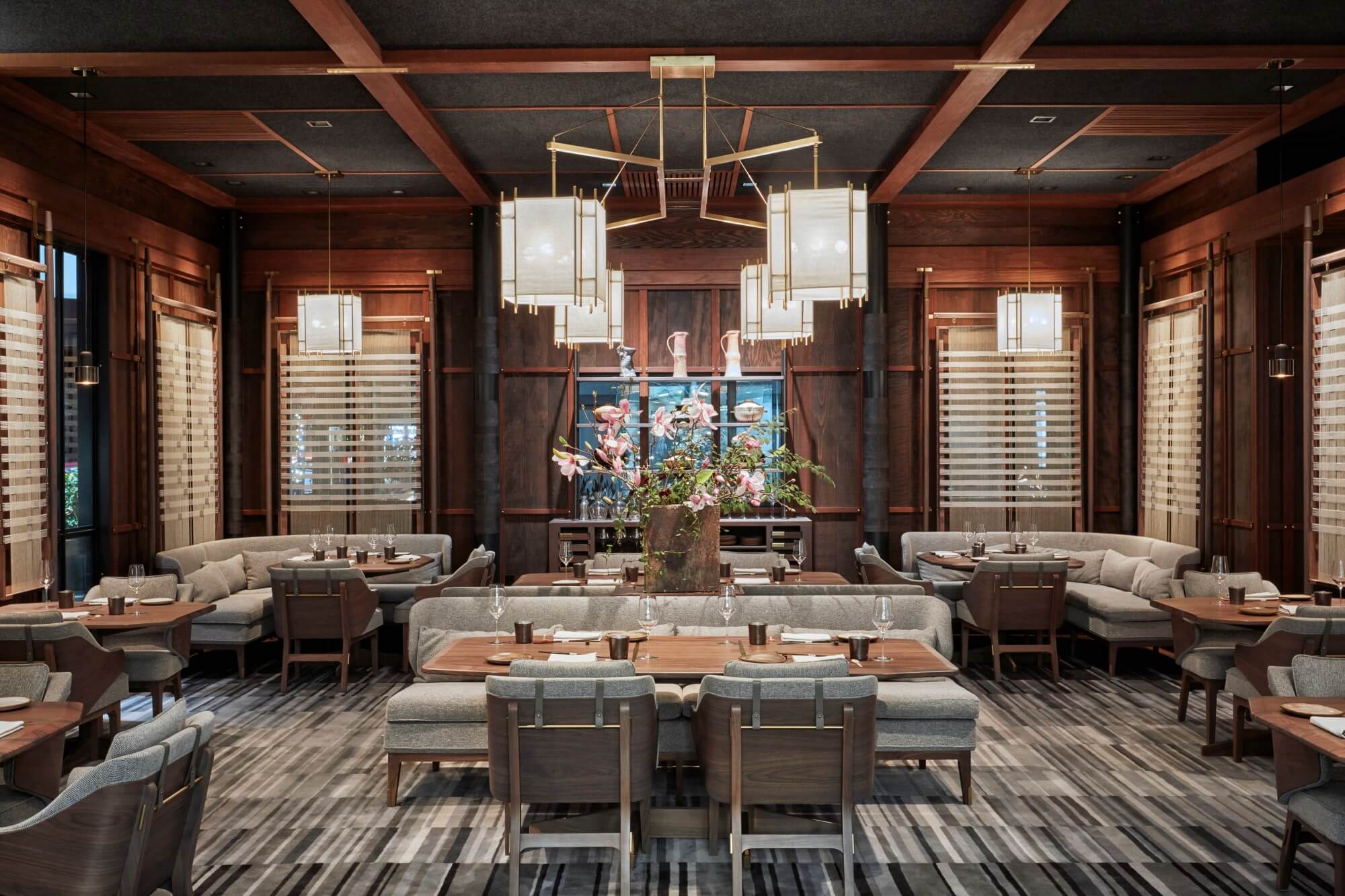
Japanese-influenced Californian Kaiseki
Single Thread Farm
Healdsburg, United States
★★★ · 50 Best
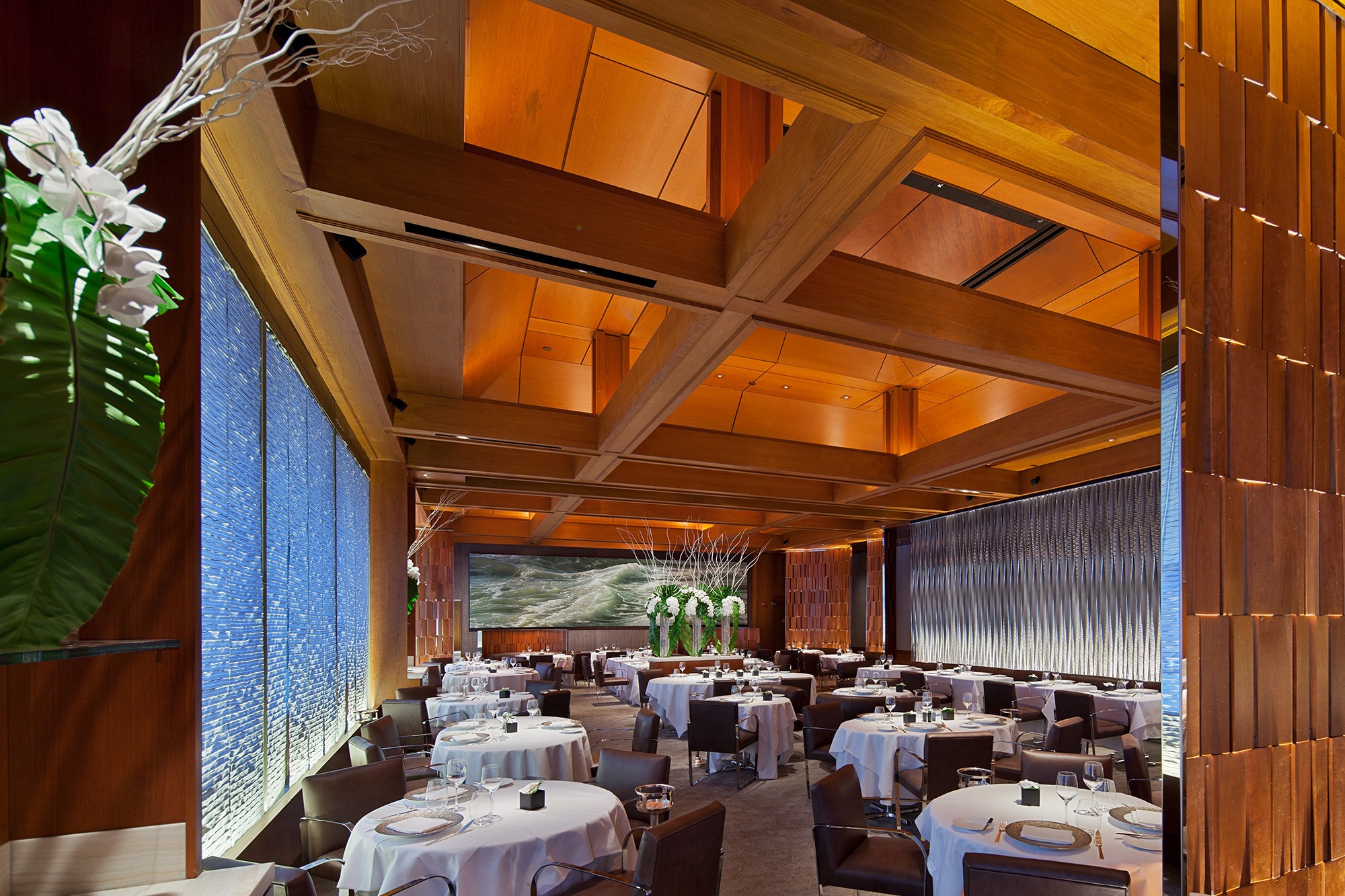
French Seafood Fine Dining
Le Bernardin
New York City, United States
★★★ · 50 Best
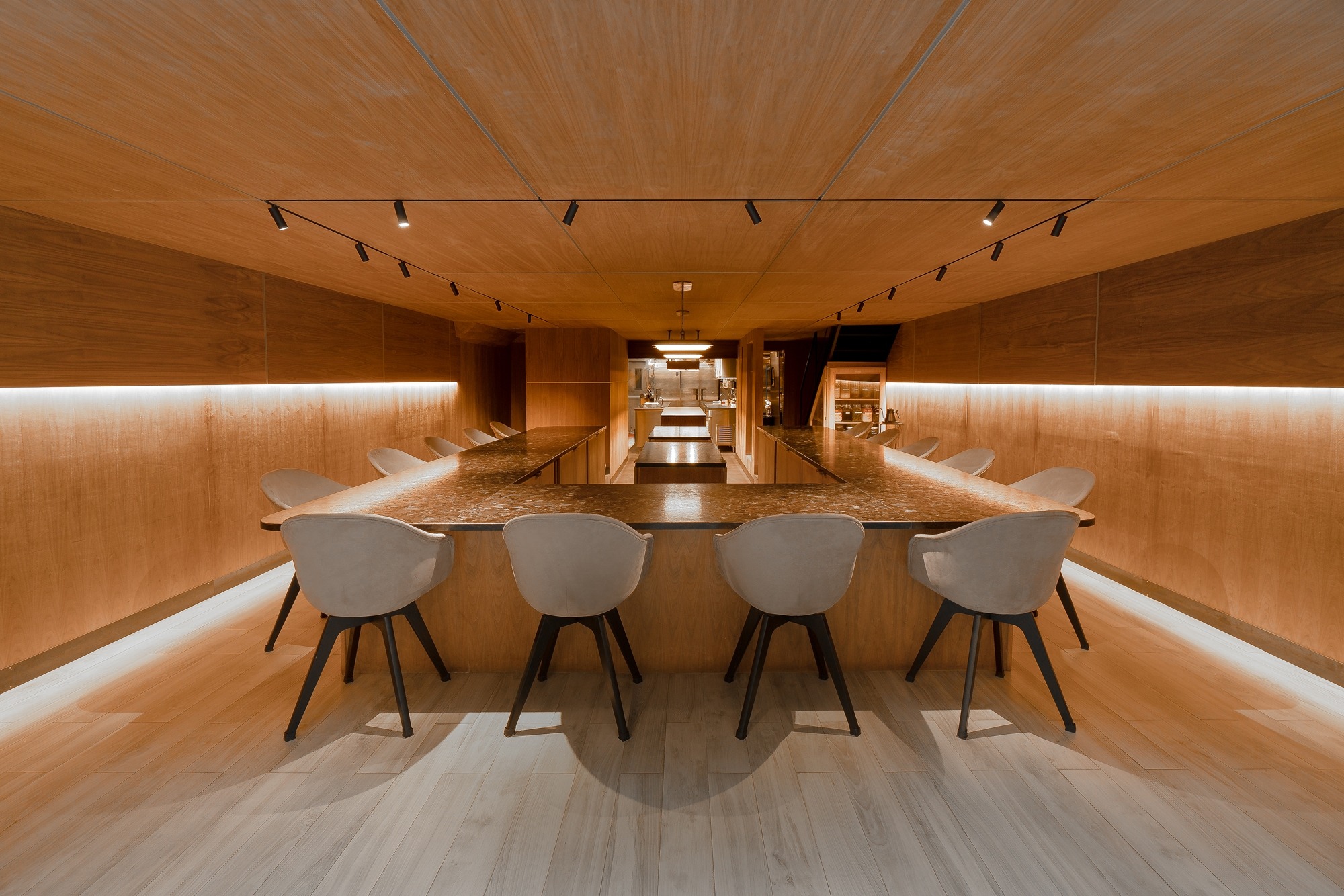
Modern Korean Tasting Menu
Atomix
New York City, United States
★★ · 50 Best
French
Sézanne
Tokyo, Japan
★★★ · 50 Best
Modern Seafood Fine Dining
Providence
Los Angeles, United States
★★★ · 50 Best
Contemporary Plant-Based Fine Dining
Eleven Madison Park
New York City, United States
★★★ · 50 Best