HOPPERS
- 01CuisineModern Sri Lankan
- 02CityTokyo, Japan
Nine sides around the rice
- Michelin Bib Gourmand · Michelin Guide
- Michelin Bib Gourmand · 2026
- Tabelog 100 #74: 3.7pts · 2024
- Opinionated About Dining Casual in Europe Ranked #201 · 2024
- Opinionated About Dining Casual in Europe Highly Recommended · 2023
Curry and sides on one tray
Curry and sides meet on the tray before the pass calls for tea. HOPPERS in Tokyo is a kitchen built around modern Sri Lankan cooking, opened on 6 December 2021 on the first floor of KABUTO ONE, a minute from Kayabacho Station. Owner-chef Kazushiro Ito leads it, and nothing here rests on a single inherited recipe. The method is a way of holding spice, acid, heat, rice, and service in the same frame, and the room states its aim as festive Sri Lankan food rather than a survey of the island. Sri Lankan cooks and Japanese staff work the line together, and the dishes move as that conversation does. Ito opened Spice Cafe in Oshiage in November 2003 after a year in an Italian kitchen, two in an Indian one and one in a Sri Lankan one, and that first restaurant took a Bib Gourmand in 2022; his Tokyo work moves Sri Lankan home-cooked forms through Japanese seasonality rather than treating them as fixed museum pieces. Lunch keeps close to the rice and curry meal. Dinner stretches the same vocabulary into a course format, with wine in the conversation and tea at the end.
Nine sides around the rice
The kitchen builds its clearest argument in the Rice & Curry Set Meal: one main curry, rice, and nine sides arranged so that no spoonful repeats the last. Shrimp Curry may sit beside winter melon, parippu, eggplant moju, papadam, pol sambol, bitter gourd and pineapple salad, green bean thildal, alter dal, and bean curry. The work is in the sequencing as much as the simmering. A soft dal reins in heat; pineapple cuts through oil; papadam gives the hand something brittle. Japanese produce from farmers nationwide changes the side dishes as the season changes, so the plate keeps the structure of Sri Lankan eating while allowing those farms into the method. At dinner, the Modern Sri Lanka Course takes a more measured pass: appetizers, fish, meat or curry, dessert, tea. Mini egg hoppers with quail eggs, fruit tomato with molokhia sauce, spiced sherbet, and nougat glacé have all appeared in that frame. The wine program is curated for spice rather than laid over it.
Concrete, color, and Sinhala at the pass
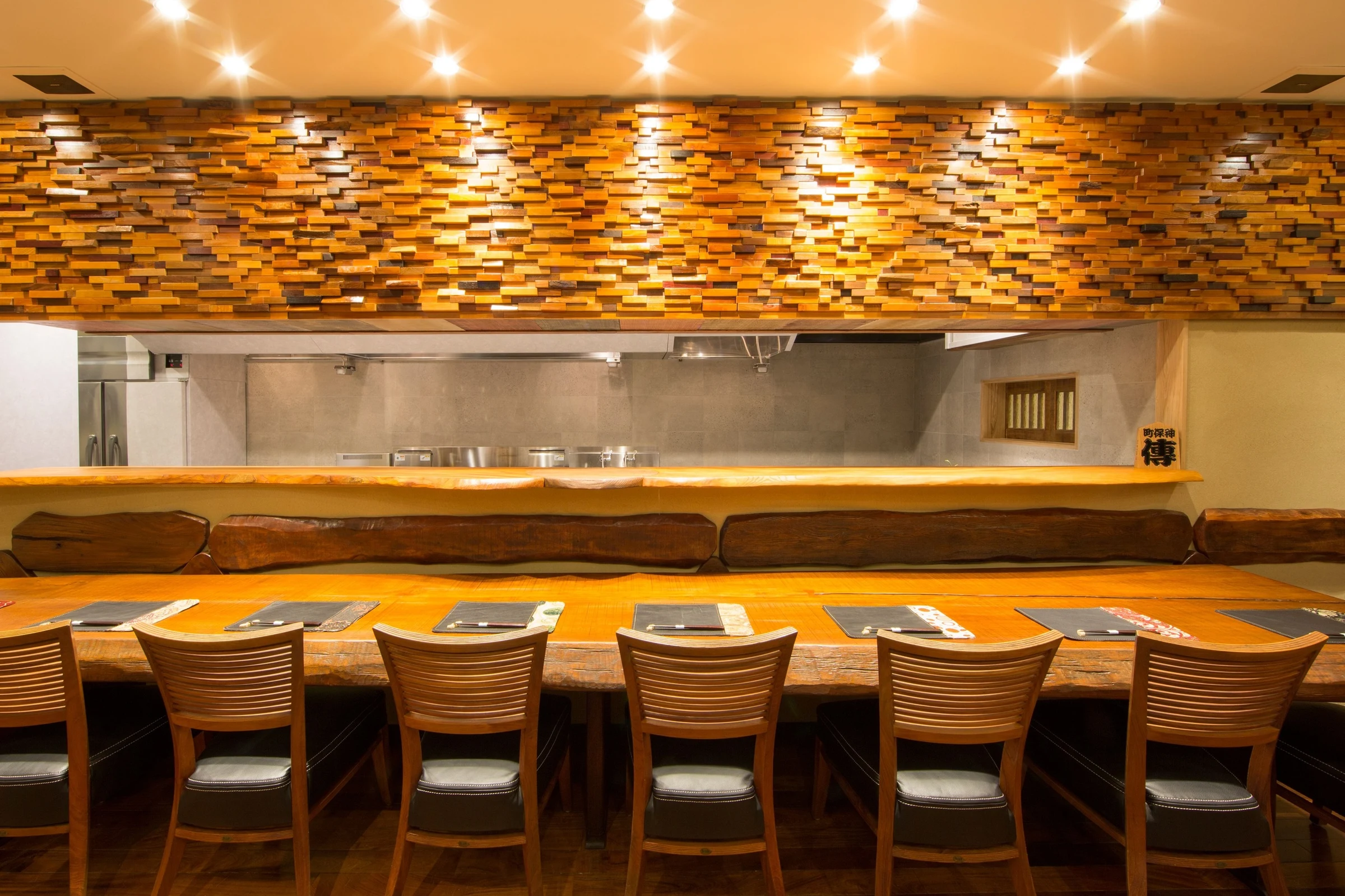
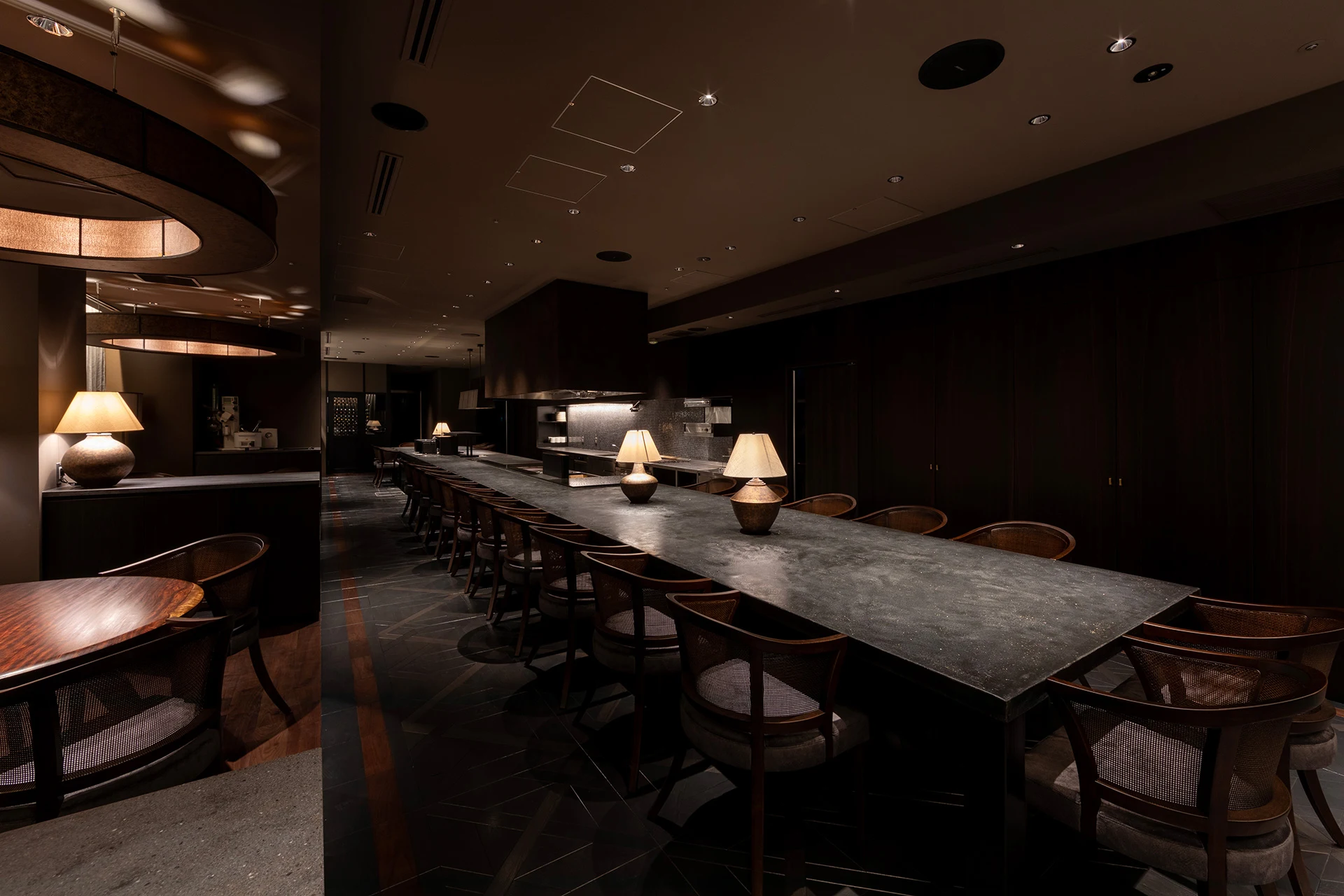
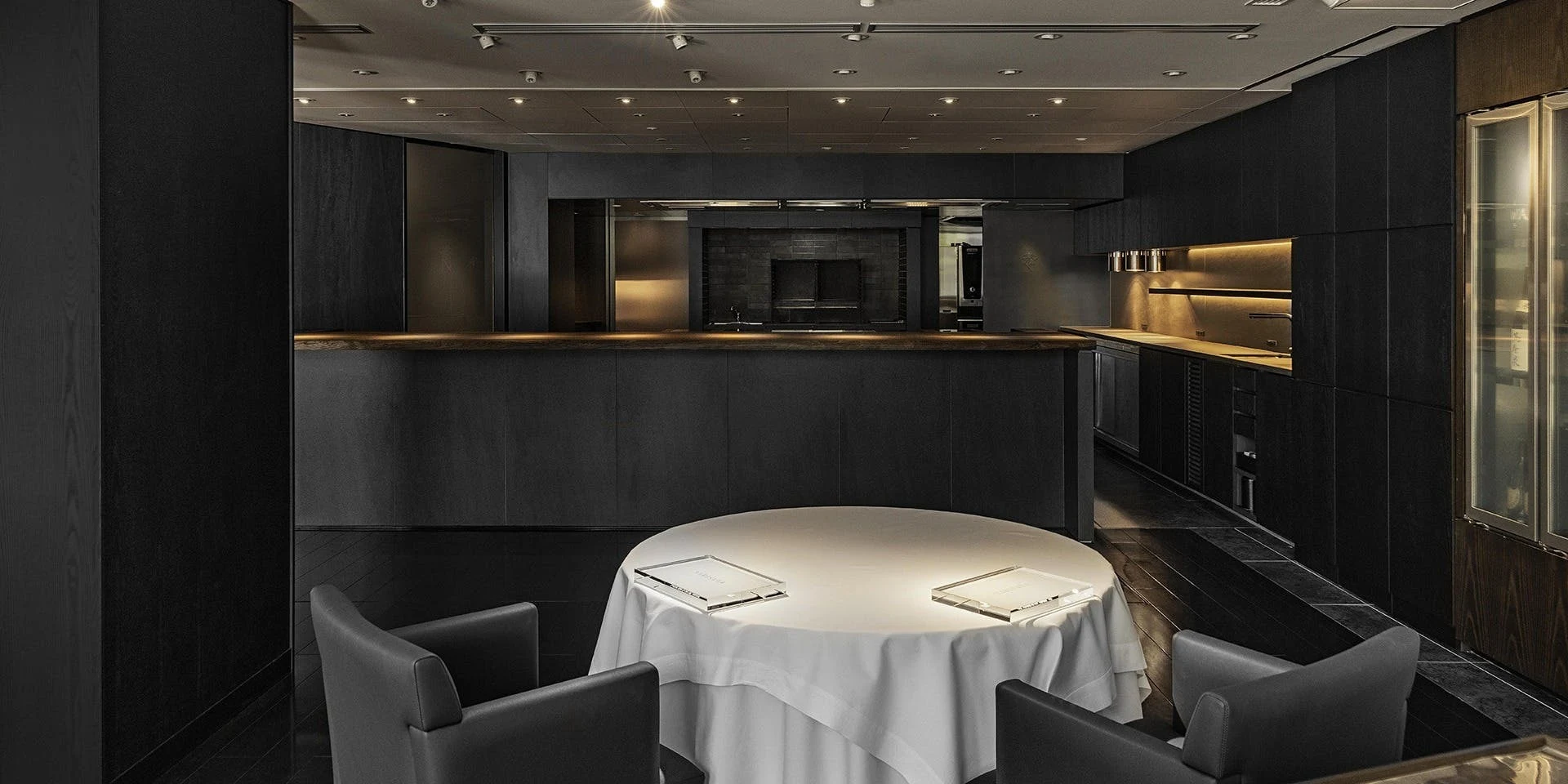
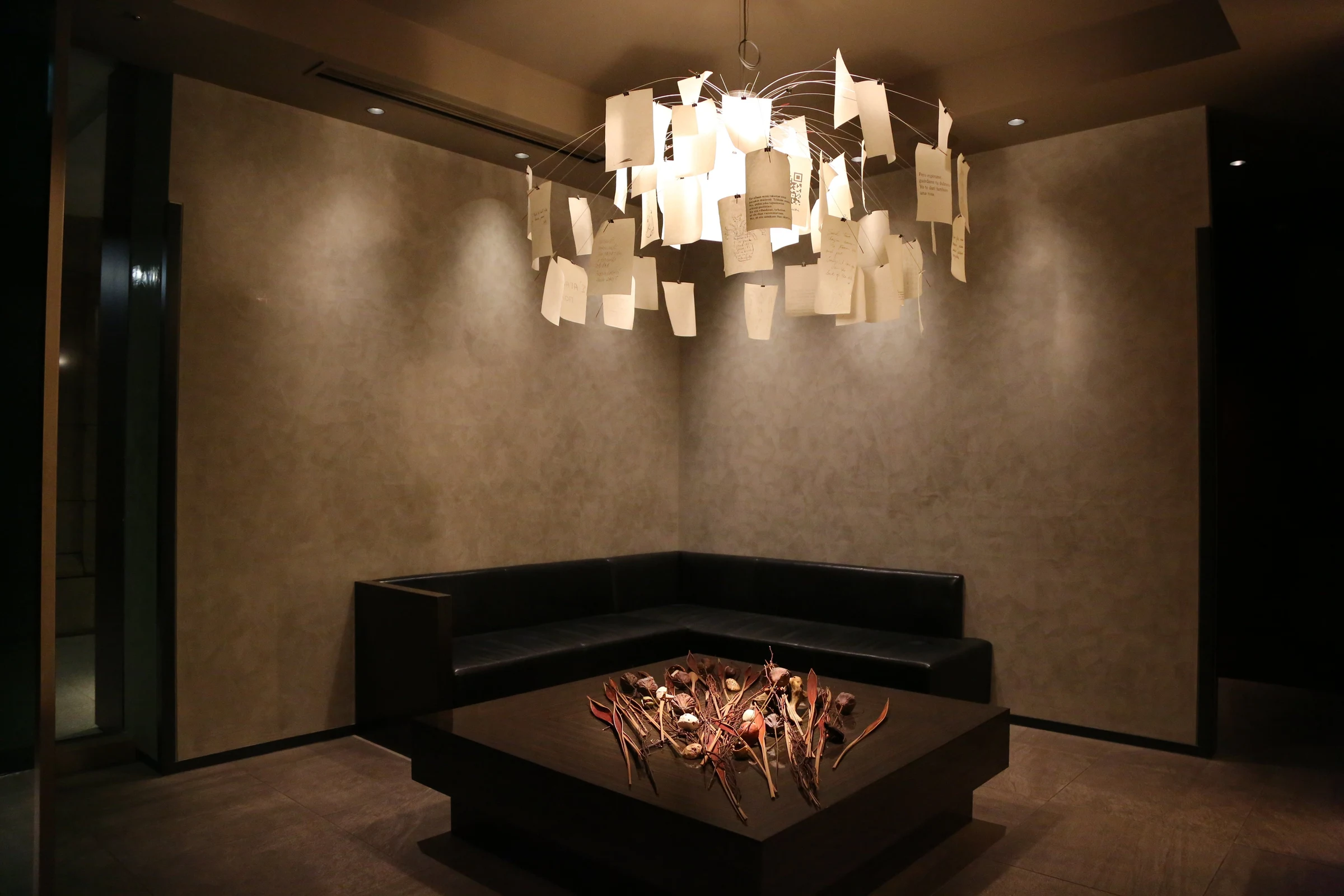
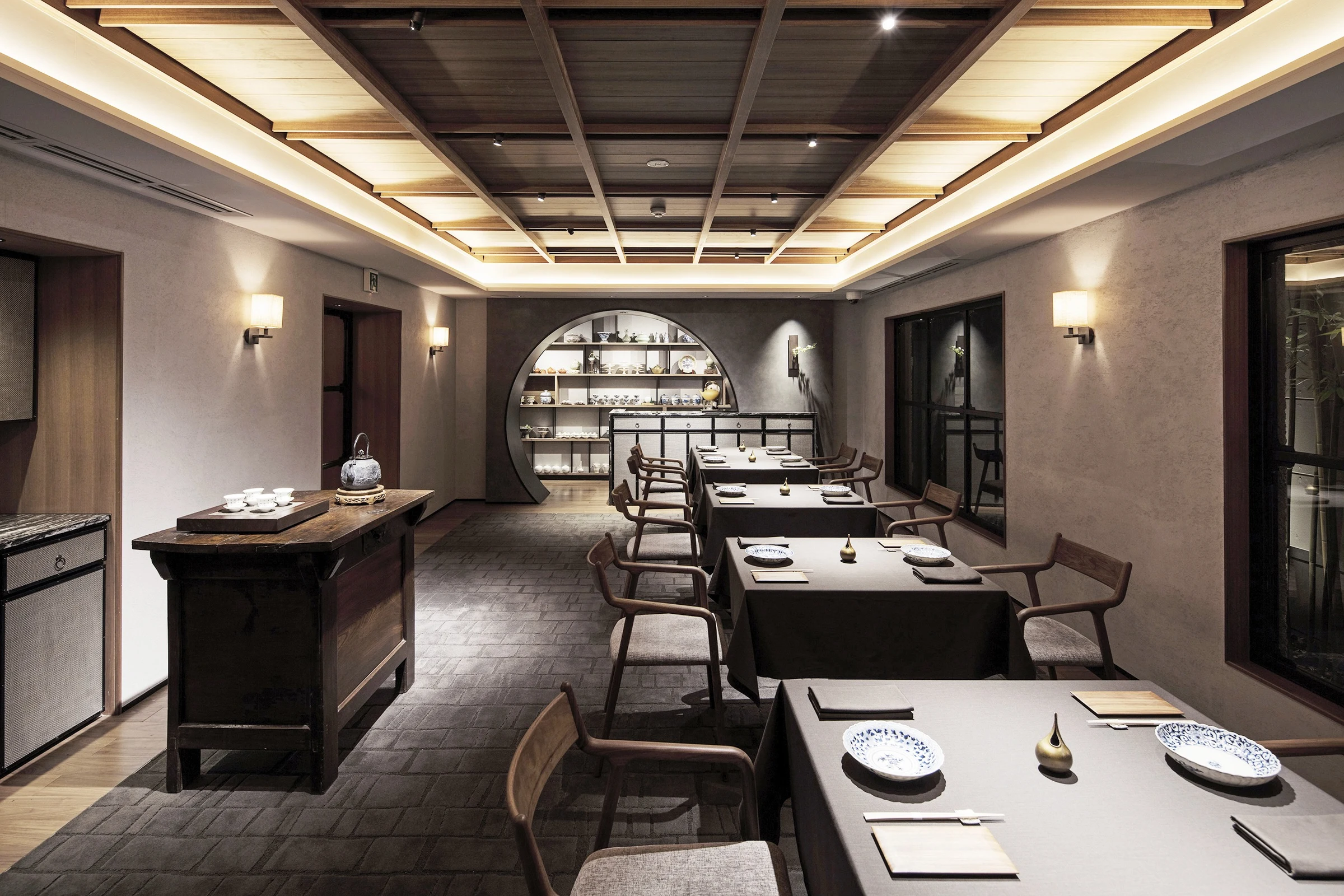
The room is small in feeling, with concrete surfaces, warm colored light, and the kind of restraint that makes the plates read louder. Kayabacho sits close to finance and transit, but inside HOPPERS the rhythm comes from curry pots, rice, side dishes, and the pass. The kitchen’s Sinhala threads through Japanese service, a practical sound rather than a decorative one. At the counter, the meal has the pace of a station that knows when to let heat linger and when to send relief: fresh lime soda, mango lassi, watermelon juice, then another spoonful of curry and rice. The Bib Gourmand recognizes value, and Tabelog 100 in 2024 sits beside it, but what the set meal actually does is keep returning to balance without smoothing away spice. The papadam, the pol sambol and the Shrimp Curry are still doing the work.
Questions
Frequently asked
Who is behind HOPPERS?
HOPPERS is led by owner-chef Kazushiro Ito.
What kind of food does HOPPERS serve?
It serves modern Sri Lankan food, with a focus on rice and curry, course dinners, and seasonal Japanese produce.
What is HOPPERS known for?
Its clearest statement is the Rice & Curry Set Meal, which brings one main curry, rice, and nine sides together on one tray. Shrimp Curry and the Modern Sri Lanka Course are also part of the menu.
Does HOPPERS take reservations?
Reservations are recommended, and bookings are made through TableCheck.
What recognition does HOPPERS hold?
HOPPERS holds a Michelin Bib Gourmand.
The field
How it compares
| Place | Cuisine | Notes | Awards |
|---|---|---|---|
| HOPPERS | Modern Sri Lankan | Chūō, $$$ | · |
| Den | Modern Japanese Kaiseki | Tokyo | Michelin 2 Stars, World's 50 Best |
| Florilège | Modern French-Japanese Plant-Based Fine Dining | Tokyo | Michelin 2 Stars, World's 50 Best |
| Narisawa | Modern Japanese Satoyama Fine Dining | Tokyo | Michelin 2 Stars, World's 50 Best |
| Quintessence | Modern French Fine Dining | Tokyo | Michelin 3 Stars |
| Sazenka | Modern Chinese Fine Dining | Tokyo | Michelin 3 Stars, World's 50 Best |
| Sézanne | Modern French Fine Dining | Tokyo | Michelin 3 Stars, World's 50 Best |
Similar places
Modern Japanese Kaiseki
Den
Tokyo, Japan
★★ · 50 Best
Modern French-Japanese Plant-Based Fine Dining
Florilège
Tokyo, Japan
★★ · 50 Best
Modern Japanese Satoyama Fine Dining
Narisawa
Tokyo, Japan
★★ · 50 Best
Modern French Fine Dining
Quintessence
Tokyo, Japan
★★★
Modern Chinese Fine Dining
Sazenka
Tokyo, Japan
★★★ · 50 Best
Modern French Fine Dining
Sézanne
Tokyo, Japan
★★★ · 50 Best