Made ByRestaurant
Hotel & Restaurant Jörg Müller
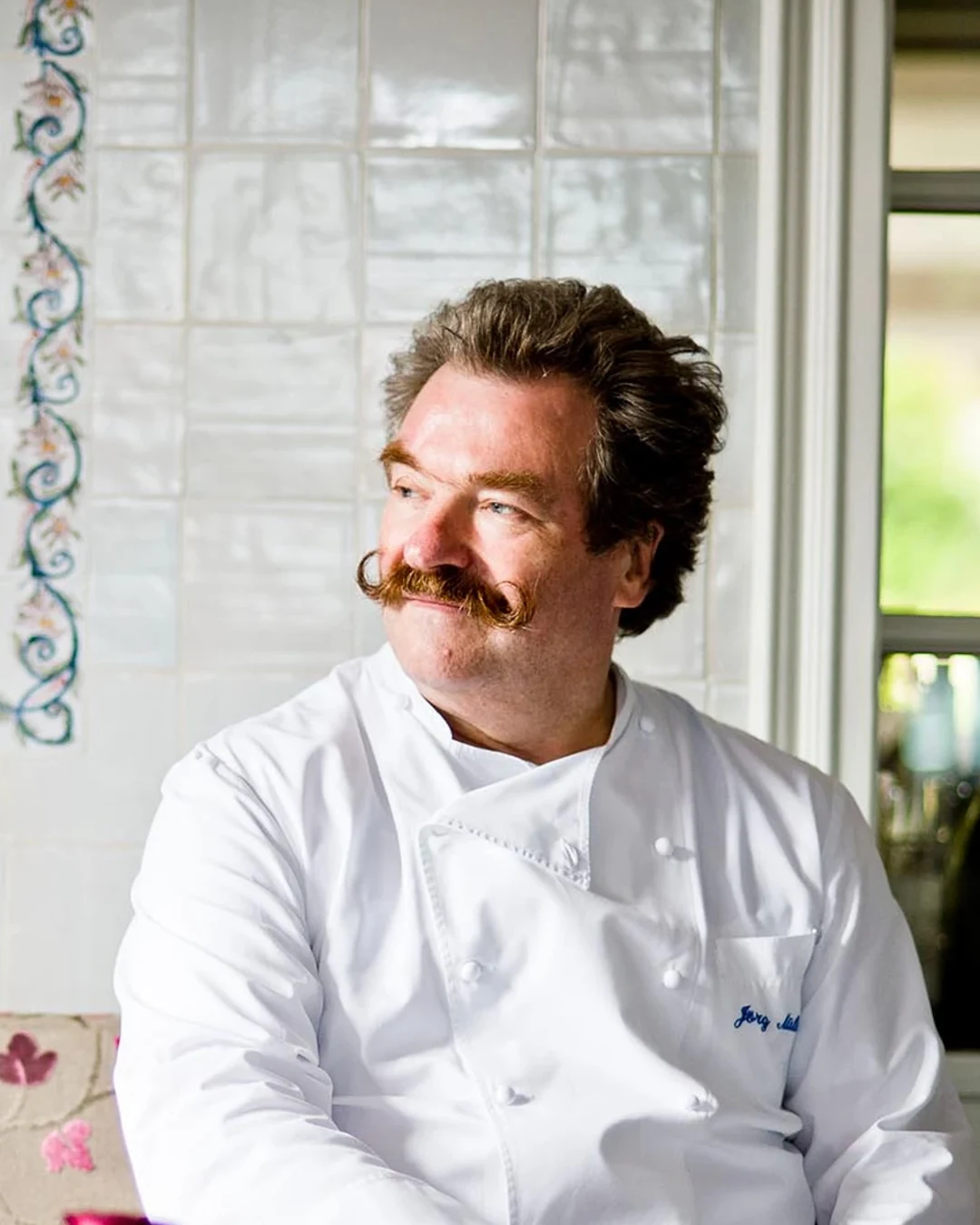
Chef in Residence
Jörg Müller
Chef
- 01CuisineClassic German Fine Dining
- 02CityWesterland, Germany
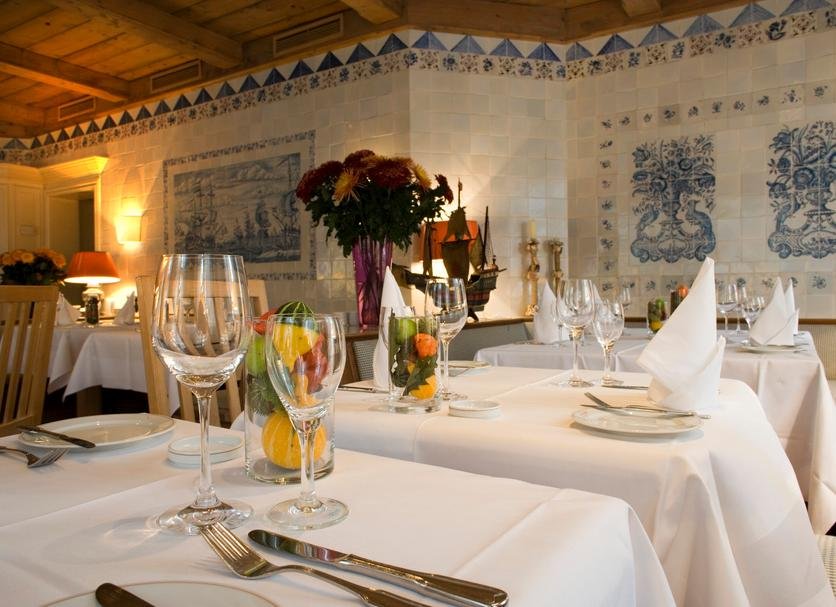
On the North Sea island of Sylt, Hotel & Restaurant Jörg Müller holds a position few German restaurants outside the major cities can claim: ranked #300 on Opinionated About Dining's Classical European list for 2025 and rated 4.6 across nearly 300 Google reviews. The kitchen works in the classical German tradition, and the combined hotel-restaurant format makes it the most coherent fine-dining destination on the island.
At a glance
- Cuisine
- Classic German Fine Dining
- Price
- $$$
- Neighborhood
- Westerland
<h2>A Fine-Dining Address at the Edge of Germany</h2><p>Sylt sits at the northern tip of Germany, separated from the mainland by the Wadden Sea and connected only by a single railway causeway. The island has long attracted a particular kind of visitor: those who come for the dunes, the raw North Sea light, and the sense of deliberate remove from urban life. Its main town, Westerland, is not a place that typically appears in conversations about Germany's serious dining scene, that conversation more often runs through Hamburg to the south, or further into the country toward destinations like <a href="https://www.enprimeurclub.com/restaurants/restaurant-haerlin-hamburg-restaurant">Restaurant Haerlin in Hamburg</a> or <a href="https://www.enprimeurclub.com/restaurants/schwarzwaldstube-baiersbronn-restaurant">Schwarzwaldstube in Baiersbronn</a>. Which is precisely what makes the presence of Hotel & Restaurant Jörg Müller on Süderstraße worth examining closely.</p><p>Classical European dining has increasingly concentrated in urban centers or in well-established resort destinations with dense high-spending tourist infrastructure. The 2025 Opinionated About Dining Classical in Europe ranking, which places Jörg Müller at #300, maps a tradition that prizes technical rigor, produce quality, and continuity of craft. To hold that position from a small North Sea island town, with a 4.6 rating across 297 Google reviews, is an indicator of consistent performance rather than a single strong season.</p><h2>The Classical German Tradition and Where This Kitchen Sits</h2><p>Germany's classical fine-dining lineage is less internationally discussed than its French counterpart, but it is no less structured. Chefs working in this register typically train across multiple kitchens before establishing their own voice, and the progression tends to be methodical: classical French techniques absorbed and then gradually inflected with German produce, regional specificity, and a preference for precision over novelty. The kitchen at Jörg Müller operates within this tradition, and chef Jörg Müller's continued association with the restaurant gives it a continuity that distinguishes it from properties where the founding chef has moved on.</p><p>That kind of longevity is worth placing in context. Germany's upper-tier dining scene includes houses that have maintained their standard across decades, <a href="https://www.enprimeurclub.com/restaurants/waldhotel-sonnora-dreis-restaurant">Waldhotel Sonnora in Dreis</a> and <a href="https://www.enprimeurclub.com/restaurants/victors-fine-dining-by-christian-bau-perl-restaurant">Victor's Fine Dining by Christian Bau in Perl</a> are examples from the western part of the country. What such restaurants share is a commitment to the classical register at a time when the broader industry has largely moved toward either casual formats or highly conceptual tasting menus. Jörg Müller belongs to this cohort rather than to the newer wave represented by, say, <a href="https://www.enprimeurclub.com/restaurants/coda-dessert-dining-berlin-restaurant">CODA Dessert Dining in Berlin</a> or <a href="https://www.enprimeurclub.com/restaurants/essenz-grassau-restaurant">ES:SENZ in Grassau</a>.</p><p>For a reader trying to calibrate expectations: this is not a restaurant pursuing the kind of creative vocabulary that defines <a href="https://www.enprimeurclub.com/restaurants/aqua-wolfsburg-restaurant">Aqua in Wolfsburg</a> or the Franco-German hybrids found at <a href="https://www.enprimeurclub.com/restaurants/vendome-bergisch-gladbach-restaurant">Vendôme in Bergisch Gladbach</a>. The OAD Classical ranking is the relevant frame, it signals a kitchen whose ambitions are about depth within a tradition, not departure from it.</p><h2>The Hotel-Restaurant Format on Sylt</h2><p>The combined hotel-and-restaurant structure at Süderstraße 8 matters more here than it would in a major city. On Sylt, where the island's geography enforces a certain kind of stay, you come, you settle, you eat well, the ability to sleep above or beside the kitchen changes the experience considerably. Guests do not need to plan logistics around a single dinner reservation; the restaurant is simply part of where they are. This format is more common among Germany's serious regional dining destinations than it is in urban contexts, and it tends to produce a different rhythm of hospitality: longer, less transactional, more attentive to the full arc of a stay.</p><p>For those planning a visit to Westerland specifically for the restaurant, the hotel component removes one layer of logistical friction. Sylt's accommodation options span a wide range, from beach-fronting spa hotels to smaller guesthouses, but few combine a serious kitchen with the room product in the same address.</p><h2>Placing It in Germany's Wider Fine-Dining Geography</h2><p>Germany's fine-dining map is more distributed than France's or Spain's, with serious kitchens spread across smaller cities and rural destinations rather than concentrated in one or two urban poles. The OAD Classical list reflects this: alongside urban anchors like <a href="https://www.enprimeurclub.com/restaurants/jan-munich-restaurant">JAN in Munich</a> and Hamburg's established dining rooms, it consistently surfaces regional houses that the international press undercovers. Jörg Müller's #300 position in 2025 places it in a range where peer recognition is meaningful and where the relevant comparison set is other long-form classical European restaurants rather than casual island dining.</p><p>For readers coming from or passing through Hamburg, the journey north by train to Westerland takes roughly two and a half hours from Hamburg Altona, with the final section running across the Hindenburgdamm causeway over the Wadden Sea. The trip adds genuine context to arriving at a serious restaurant in an unexpected place. Those interested in German cooking in international settings can also look at <a href="https://www.enprimeurclub.com/restaurants/suhring-bangkok-restaurant">Sühring in Bangkok</a> as a point of comparison for how the tradition travels.</p><p> Additional classical German kitchen references include <a href="https://www.enprimeurclub.com/restaurants/schanz-piesport-restaurant">Schanz in Piesport</a> and <a href="https://www.enprimeurclub.com/restaurants/bagatelle-trier-restaurant">Bagatelle in Trier</a> for readers building a broader German fine-dining itinerary, and <a href="https://www.enprimeurclub.com/restaurants/carls-brasserie-an-der-elbphilharmonie-hamburg-restaurant">CARLS Brasserie an der Elbphilharmonie in Hamburg</a> as a German-tradition option at a more accessible price point during a Hamburg stopover.</p><h2>Planning Your Visit</h2><p>The address is Süderstraße 8, Westerland, on the island of Sylt in Northern Germany. Booking ahead is recommended, particularly in the summer months when Sylt's visitor numbers peak.</p><hr></hr>
Know before you go
- Dress code
- smart_casual
- Reservations
- recommended
- Parking
- on_site_lot
- Payment
- credit_card
- Outdoor seating
- Yes
- Groups
- Welcomed
Frequently asked
Is Hotel & Restaurant Jörg Müller good for families?
The hotel-restaurant format at Süderstraße 8 accommodates guests staying on the island, which suggests a degree of flexibility not always present at purely destination fine-dining addresses. That said, the kitchen operates within the classical German tradition and holds a place in the OAD Classical Europe Top 300 (2025), signalling a formal dining register. Families with older children who are comfortable at a structured table will find it more suited to their needs than those travelling with young children.
What is the atmosphere like at Hotel & Restaurant Jörg Müller?
The setting is a combined hotel and restaurant on the island of Sylt, where the geography itself shapes the mood: Westerland is a resort town at the northern tip of Germany, accessible only by causeway, which lends the whole destination a remove from mainland pace. The classical German cuisine positioning points to a composed, structured room rather than a casual or contemporary one. Its 2025 OAD Classical Europe ranking places it alongside kitchens where formality and craft are the primary currencies.
Does Hotel & Restaurant Jörg Müller have a Michelin star or similar recognition?
Hotel & Restaurant Jörg Müller has received recognition including: Opinionated About Dining Classical in Europe Ranked #300 (2025).
What should I order at Hotel & Restaurant Jörg Müller?
The kitchen works within the classical German tradition, a culinary lineage that prizes technique, seasonality, and regional produce over trend-driven plating. Given Sylt's coastal position in the North Sea, the island's seafood supply is a logical reference point for the menu. Beyond that, specific dishes are best confirmed directly with the restaurant at Süderstraße 8, Westerland, as menu composition at an OAD-ranked classical address typically shifts with the season.
What's Hotel & Restaurant Jörg Müller's location?
Hotel & Restaurant Jörg Müller is located at Address:Süderstraße 8, Westerland, Northern Germany, Germany, Westerland.
Who runs the kitchen at Hotel & Restaurant Jörg Müller?
The chef associated with Hotel & Restaurant Jörg Müller is Jörg Müller.
Address
Address:Süderstraße 8, Westerland, Northern Germany, Germany
Westerland
How it compares
Hotel & Restaurant Jörg Müller
- Cuisine
- Classic German Fine Dining
- Price
- $$$
- Awards
- 2 recognitions
- Notes
- Westerland
- Cuisine
- German Regional Bistro & Deli
- Price
- $$$
- Awards
- 1 recognition
- Notes
- Keitum
- Cuisine
- Modern German Fine Dining
- Price
- $$$
- Awards
- Michelin Plate
- Notes
- Friedrichstadt
- Cuisine
- Traditional Bavarian Oktoberfest
- Price
- $$
- Awards
- —
- Notes
- Theresienwiese
- Cuisine
- Traditional German Brasserie
- Price
- $$
- Awards
- —
- Notes
- Frankfurt Airport
- Cuisine
- Modern German Farmhouse Cuisine
- Price
- $$$
- Awards
- —
- Notes
- Klein Flottbek
In residence
Similar places
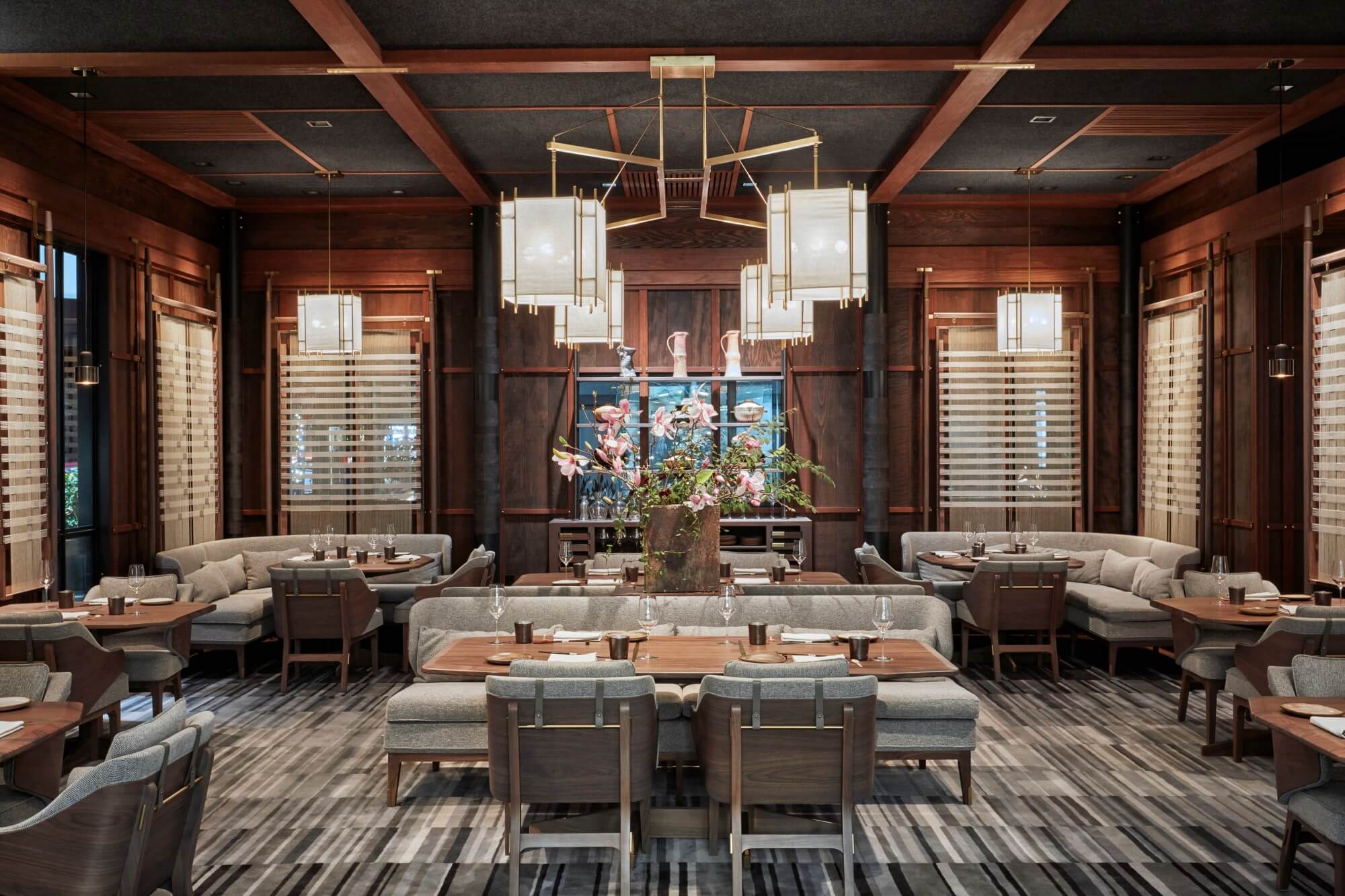
Japanese-influenced Californian Kaiseki
Single Thread Farm
Healdsburg, United States
★★★ · 50 Best
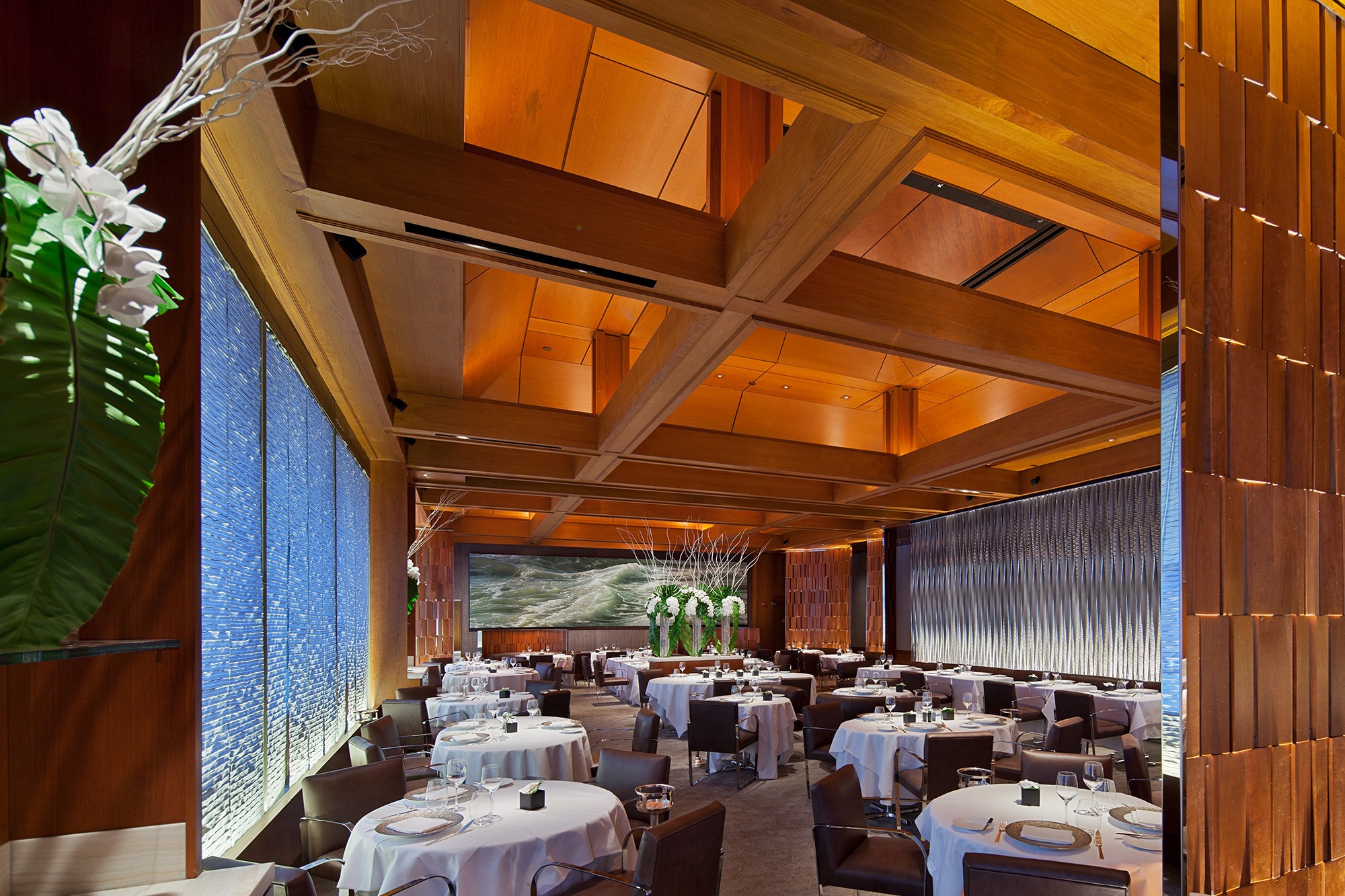
French Seafood Fine Dining
Le Bernardin
New York City, United States
★★★ · 50 Best
Modern Korean Tasting Menu
Atomix
New York City, United States
★★ · 50 Best
French
Sézanne
Tokyo, Japan
★★★ · 50 Best
Modern Seafood Fine Dining
Providence
Los Angeles, United States
★★★ · 50 Best
Contemporary Plant-Based Fine Dining
Eleven Madison Park
New York City, United States
★★★ · 50 Best