Huerta de Albalá
- 01CityCádiz, Spain
- Falstaff Winery - 2 Stars · 2026
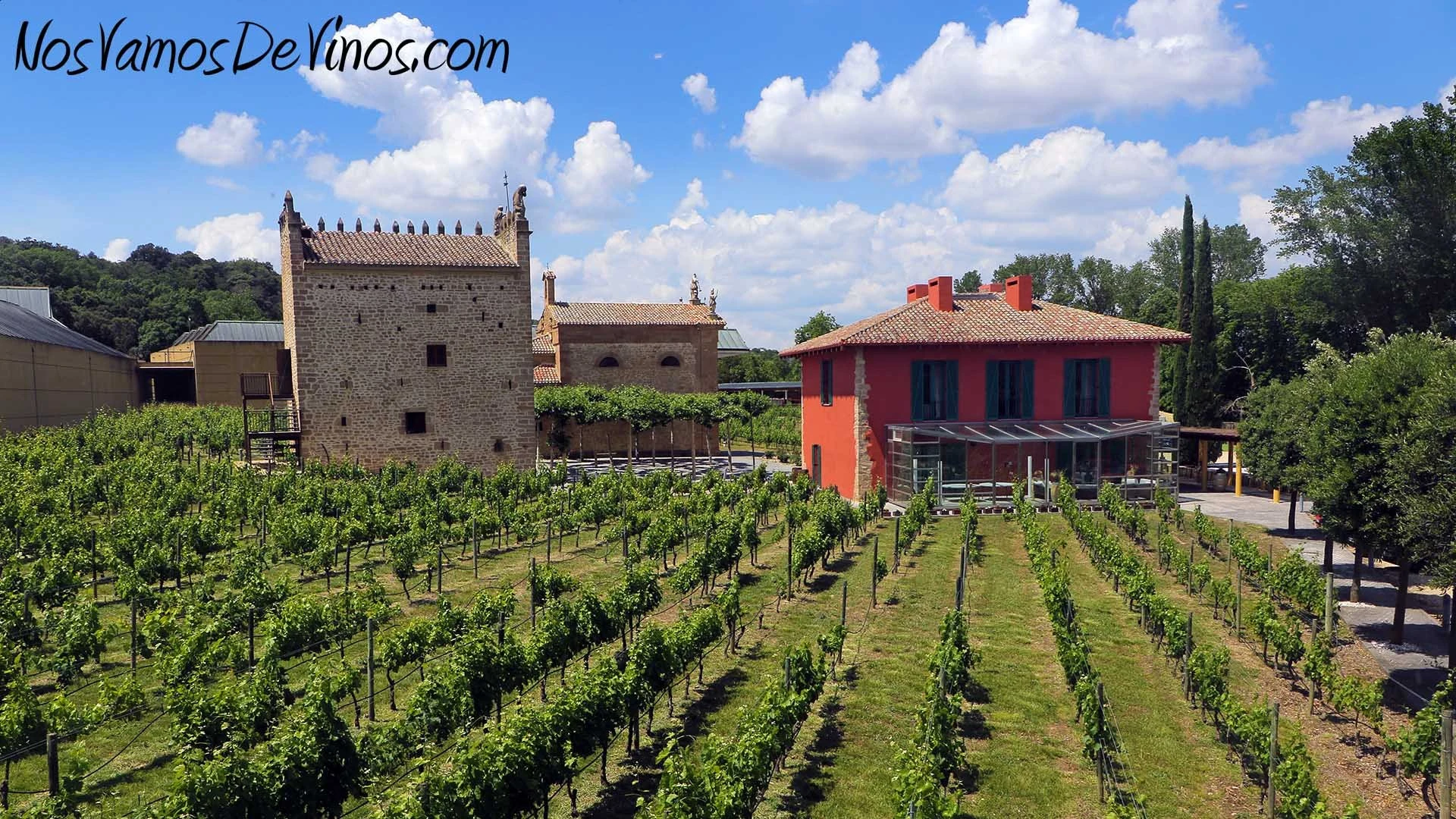
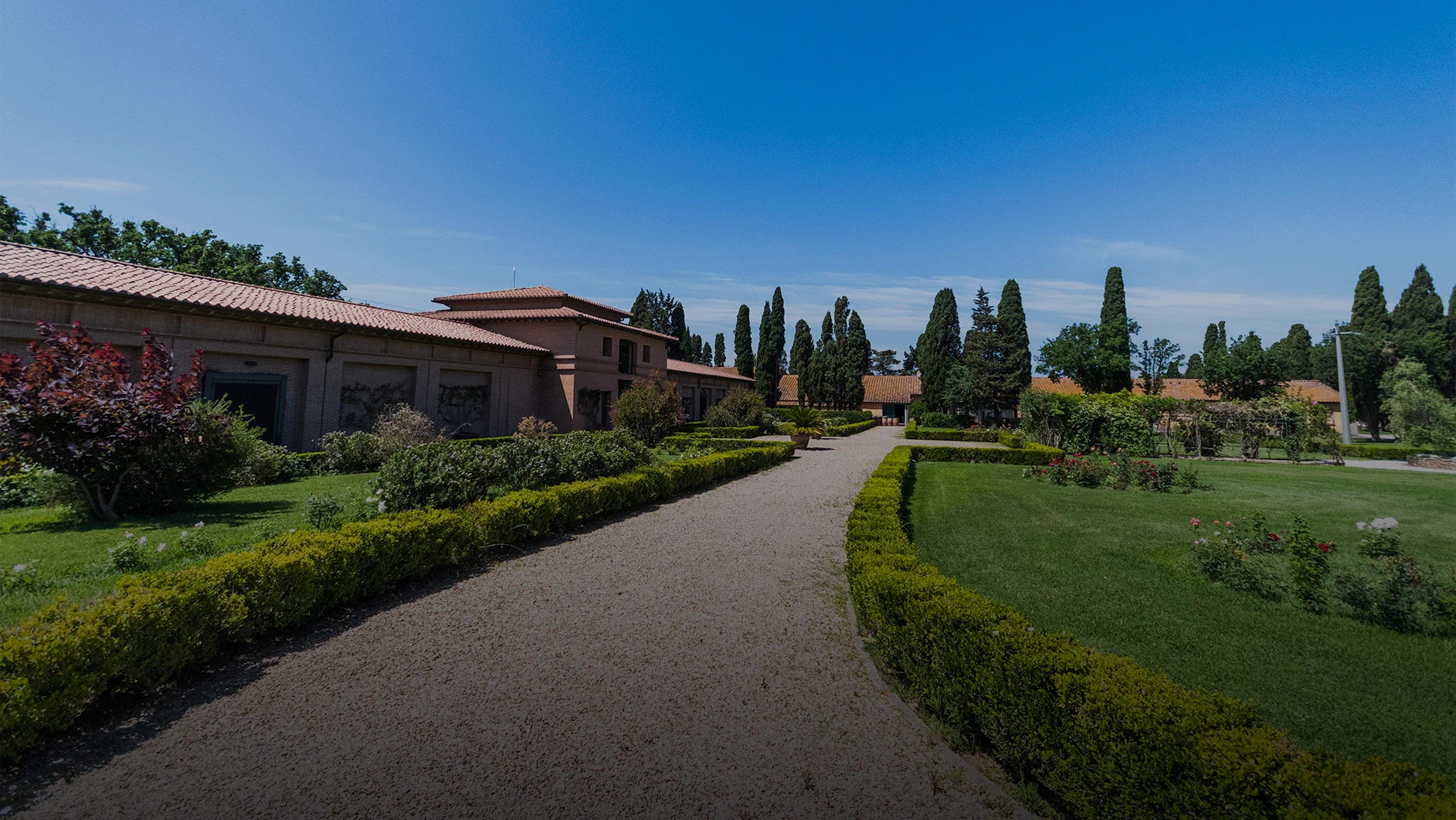
Approaching Huerta de Albalá, the winery reads as a contemporary Andalusian estate rather than a nostalgic bodega: vines over gentle hills, mountain views toward the Sierra de Grazalema and a purpose-built cellar designed for visitors as well as production. Cádiz wine tourism often sits in sherry country’s shadow, but this estate belongs to another conversation: still wines, inland microclimate and how international varieties behave with Atlantic influence in southern Spain.
The estate covers 91 hectares, with 75 hectares under vine and around 225,000 vines. The scale matters: not a tiny garage project, not an anonymous high-volume operation. Production is described at around 340,000 bottles in typical vintages, adjusted according to vintage quality, placing it in a medium-sized estate category with enough volume for a structured portfolio and enough selectivity for meaningful parcel work.
Syrah leads the estate, but Cádiz gives the wines their frame
Huerta de Albalá is best understood through its vineyard mix. Syrah accounts for 60 percent of plantings, followed by Merlot at 20 percent, Cabernet Sauvignon at 10 percent and Tintilla de Rota at 10 percent, with Chardonnay also listed among the estate varieties. In Andalusia, that signals a modern premium red-wine project rather than a revivalist exercise. Tintilla de Rota is the local anchor; Syrah supplies the estate’s main structural language.
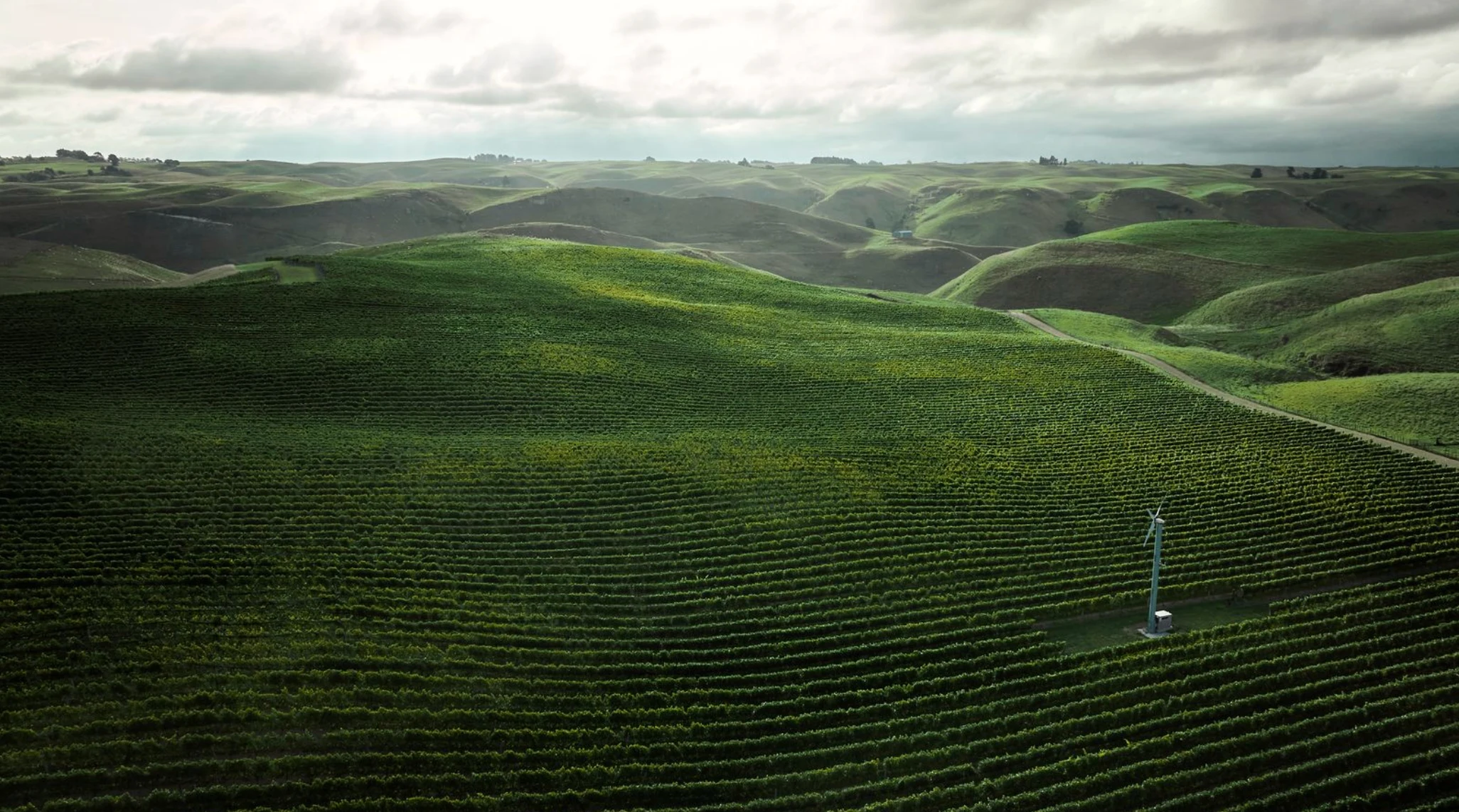
Site conditions explain wines framed by ripeness without losing freshness. The vineyards sit on gentle slopes at roughly 150 meters above sea level, with broader elevation references from 100 to 250 meters. The climate combines Mediterranean heat with Atlantic influence, while the Bornos reservoir and the Sierra de Grazalema shape a local microclimate. For readers used to Andalusian wine through fortified styles or coastal humidity, this inland Cádiz context is the point: the estate works with altitude, air movement and parcel variation rather than one flatland identity.
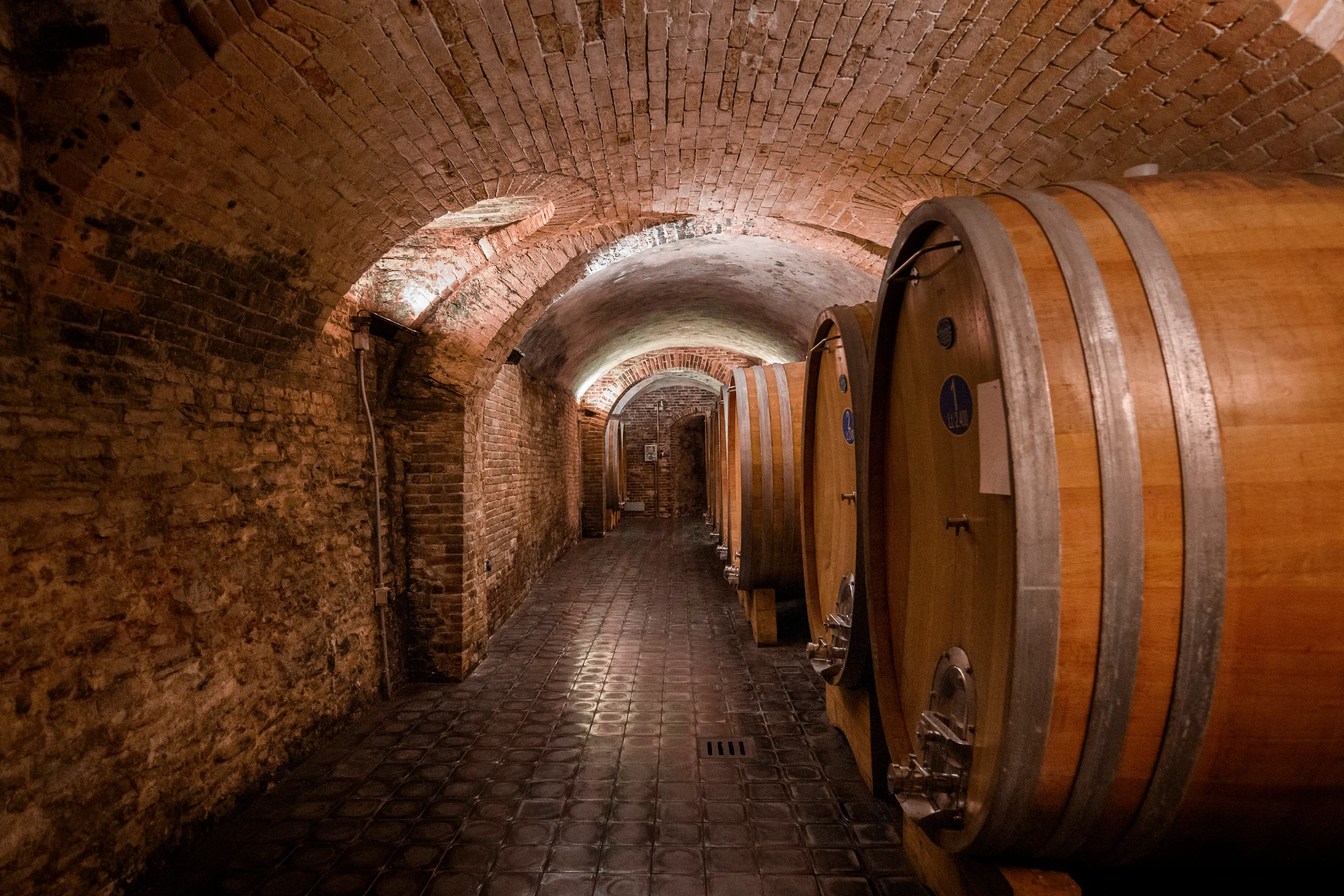
Parcel management is central. Each block is planted, controlled, analyzed, vinified and aged separately before blending. That technical signal treats the vineyard as distinct components, not one fruit source. The cellar reinforces the approach, with more than 450 French and American oak barrels and selected fruit fermented and aged in fine-grained Allier oak. Santiago Jordi, named as Enólogo y Director Técnico, oversees wine creation, quality, vines and production, giving the estate a clear technical lead without making it personality-led.
The style is positioned around still red, white and rosé wines, though the red portfolio is better defined. Barbazul, Taberner and Taberner No. 1 form the named core, with approximate annual production of 200,000 bottles for Barbazul, 130,000 for Taberner and 10,000 for Taberner No. 1. The numbers show deliberate tiering: accessible estate label, more concentrated middle tier and limited prestige bottling.
The tasting format is structured, educational and built for groups
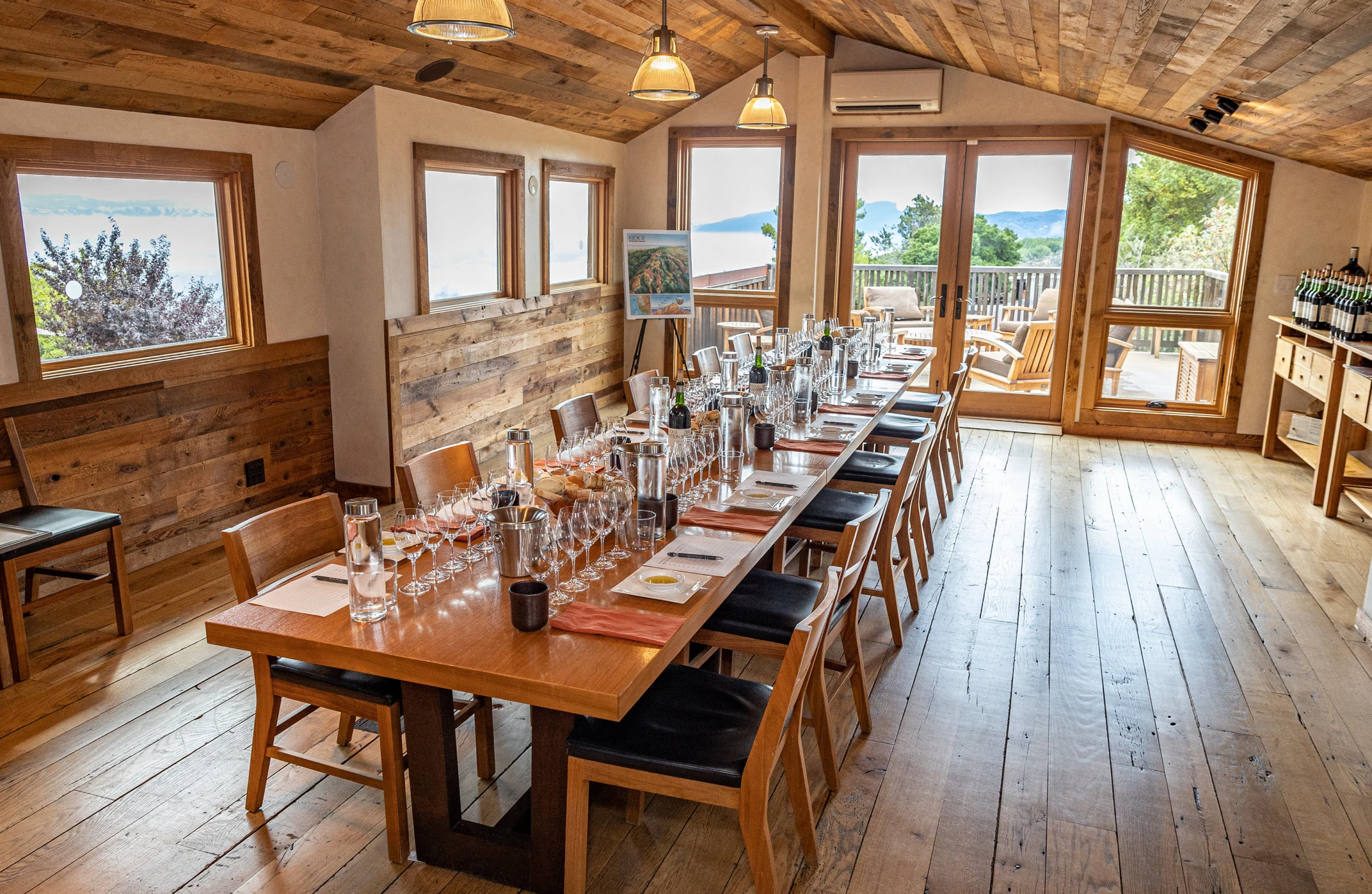
Modern wine tourism has moved beyond a quick cellar-door pour. In Cádiz, where visitors split time between restaurants, beaches, historic towns and inland landscapes, a winery needs a reason to claim half a day. Huerta de Albalá answers with vineyard context, barrel rooms, seated tastings and local food pairings rather than casual counter service.
The main experiences run from standard tastings to food-pairing formats, premium tastings and a Taberner-focused visit. Tours last about 2 to 3 hours, with listed capacities up to 55 guests for several formats and 2 to 50 guests for the Taberner tour. That makes the estate suitable for private groups, corporate events and celebrations, while the quiet setting and vineyard-mountain views keep the tone closer to a hosted estate visit than a high-traffic tasting bar.
Hospitality also includes vineyard tours, estate grounds, barrel-room access and private tasting formats, with Spanish and English listed as tour languages. Local products appear in tastings, and food pairing is part of the experience model. Practically, this is a reservation-led winery visit, better for travelers wanting explanation and cellar time than for those seeking a quick glass between appointments.
The atmosphere follows the production identity. The building is contemporary, the setting rural and the mood calm rather than theatrical. Andalusian tradition appears through place, grape choice and visual cues such as the estate’s equestrian symbolism, while the cellar program is modern, oak-led and technically organized. That combination makes the estate strong for wine education: enough viticultural detail for serious drinkers, with a visit structure legible for mixed groups.
Where it fits in a Cádiz itinerary
Cádiz rewards travelers who think beyond one category. A wine day can sit alongside seafood restaurants, coastal bars, historic hotels and inland villages, and Huerta de Albalá works when an itinerary needs a rural counterpoint to the city. For broader planning, use Our full Cádiz wineries guide, then cross-reference meals through Our full Cádiz restaurants guide, stays through Our full Cádiz hotels guide, drinking addresses through Our full Cádiz bars guide and cultural formats through Our full Cádiz experiences guide.
Within Cádiz wine, the estate gives travelers a Syrah-led, VT Cádiz / Tierra de Cádiz perspective rather than a sherry-first reading of the province. Readers building a wider Spanish wine map may also compare the regional spread of listings such as Bodegas Primitivo Collantes, Muchada-Léclapart, 3 Ases Bodegas y Viñedos in Quintanilla De Arriba, 4Kilos Vinícola in Felanitx, Aalto Bodegas y Vinedos in Quintanilla De Onesimo Valladolid, Abadia de Aribayos in Moraleja Del Vino, Abadía Retuerta in Sardón de Duero, Abel Mendoza Monge in San Vicente de la Sonsierra, »der Steiner« Hans Steiner in Podersdorf am See and & Handwein in Mannheim.
The editorial case for Huerta de Albalá rests on terroir translation rather than trophy language. Its strongest signals are concrete: 75 hectares of vines, parcel-by-parcel vinification, a Syrah-dominant vineyard, 450-plus oak barrels, a named technical director, structured tastings, food-pairing options and a limited 10,000-bottle top cuvée. For travelers interested in how Cádiz can produce polished still wines with mountain and Atlantic influence, the estate gives that argument a clear, visitable form.
Questions
Frequently asked
How expensive is Huerta de Albalá?
Huerta de Albalá is listed at a price level of $$.
The field
How it compares
| Place | Notes | Awards |
|---|---|---|
| Huerta de Albalá | Arcos de la Frontera, $$ | · |
| Bodegas Primitivo Collantes | Cádiz | · |
| Gaja | Barbaresco | World's 50 Best |
| Kumeu River Wines | Kumeu | World's 50 Best |
| Muchada-Léclapart | Cádiz | · |
| Ridge Vineyards | Cupertino | World's 50 Best |
| Tenuta San Guido | Bolgheri | · |