
- Falstaff Winery - Listed · 2026
Approaching Icardi in Castiglione Tinella means keeping the focus on setting as much as on the glass. The picture is of a rural Piedmont estate with a welcoming, family-run feel, set amid traditional vineyard landscapes. That context matters because the appeal is not described through a long list of formal distinctions or tightly specified tasting formats, but through the more grounded pleasures of place, hospitality and scenery. Rather than presenting it as a high-gloss showroom, the safer way to understand Icardi is as a relaxed place for friendly wine sampling in its Castiglione Tinella context.
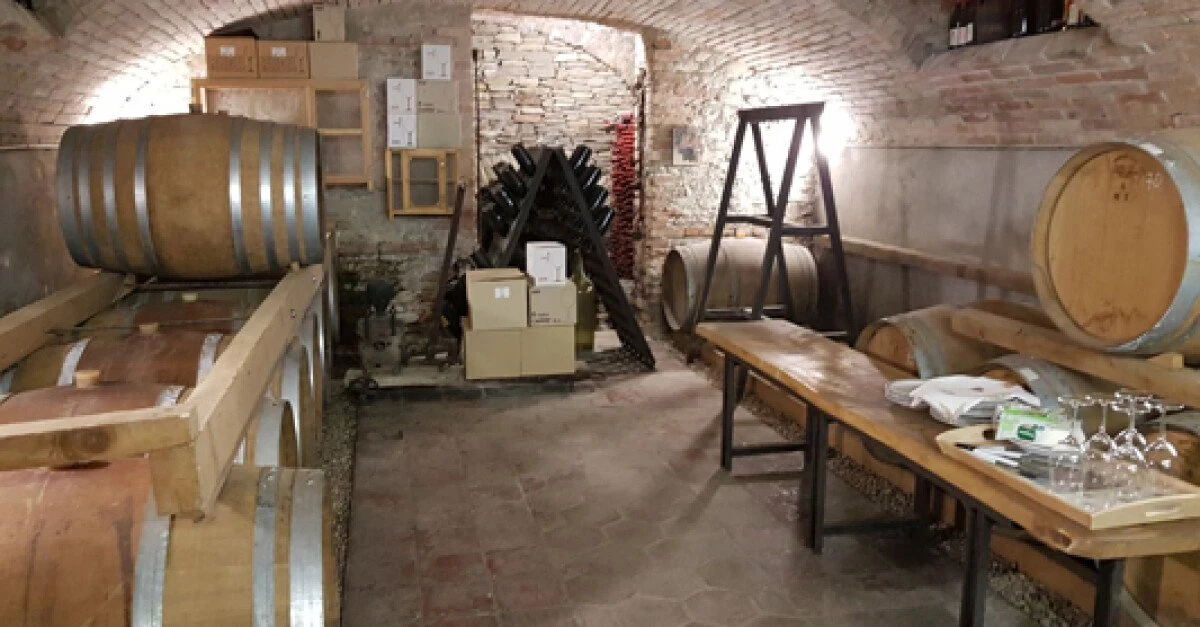
The most distinctive detail is the estate’s historic tuff-rock cellar and tasting room carved into the hillside. That feature gives the visit a local, material character: the wine experience is tied to the landscape and to the rural estate atmosphere, not just to a generic tasting counter. It also helps define the tone of the stop. The cellar is not merely a backdrop; it is the element that makes the visit feel rooted in the hill, the vineyard surroundings and the older rural fabric of the area.
A Castiglione Tinella wine-estate stop
Icardi sits in Castiglione Tinella, a Piedmont setting where vineyard landscapes shape the experience. The broader feel is relaxed wine sampling in a traditional rural environment. In that sense, the venue is best read through its setting first: a countryside estate, a family-run atmosphere and the visual rhythm of vines and hillside rather than a destination defined by spectacle or extensive published detail.
For visitors, that makes Icardi best approached as a countryside wine stop rather than as a page built around labels or accolades. The draw is the combination of family-run hospitality, vineyard scenery and the cellar carved into the hillside. Those ingredients suggest a visit that is more about slowing down and absorbing the character of the estate than about rushing through a checklist. It is the kind of place where the surroundings and the tone of welcome are part of the tasting experience, not separate from it.
Because the available data is limited, details such as exact tasting formats, languages, visit length, bottle range and specific recognition should be confirmed directly with Icardi before planning around them. That is especially important for anyone trying to coordinate a day in the countryside, since a relaxed rural stop still benefits from clear expectations. Confirming practical details in advance keeps the experience aligned with what the estate can actually offer, without relying on assumptions that are not supported by the available information.
The tuff-rock cellar gives the tasting its local weight
The historic tuff-rock cellar and tasting room are the clearest anchor for Icardi. Carved into the hillside, they give the venue a sense of place that fits its rural Piedmont setting. The atmosphere is described as relaxed and friendly, with the family-run character central to the experience. Together, those details give the visit its shape: informal enough to feel welcoming, but still connected to a distinctive historic space that belongs to the landscape around it.
This is not a venue to overdefine with unsupported claims about specific service formats, founding dates, named family members or production details. Its strength, based on the information available, is simpler and more atmospheric. The carved cellar, the rural estate setting and the friendly approach are enough to position Icardi clearly without adding layers. For an editorial listing, that restraint is useful: it keeps the focus on what can be said confidently while still conveying why the stop may appeal.
Price is listed as $$, placing Icardi in a moderate bracket. Beyond that, practical details should be checked directly, especially if timing, availability or a particular tasting expectation matters. Visitors should avoid assuming that every countryside estate works in the same way; even a relaxed experience can depend on scheduling, group size or the kind of visit being offered at the time. A quick confirmation protects the tone of the day and helps the estate welcome guests in the right way.
How to place it within a Castiglione Tinella wine day
Castiglione Tinella rewards a slower, landscape-led approach. Icardi fits that rhythm as a rural Piedmont estate where the experience centers on friendly wine sampling, a family-run feel and the historic hillside cellar. It is best treated as one thoughtful stop within a broader countryside day, with any specific schedule confirmed in advance. Rather than building the plan around rigid expectations, it makes sense to allow the place itself to set the pace: vineyard views, a cellar rooted in the hill and an atmosphere that favor ease over formality.
For broader local planning, consider other dining and travel options in Castiglione Tinella generically alongside Icardi. The information here supports Icardi as a relaxed rural estate stop, while practical details for any wider itinerary should be checked directly before visiting. That balanced approach keeps the recommendation accurate: Icardi is presented not as an all-purpose destination with every detail already defined, but as a grounded, welcoming wine-estate visit whose appeal rests on its rural Piedmont setting, family-run feel and distinctive tuff-rock cellar.
Questions
Frequently asked
Who works at Icardi?
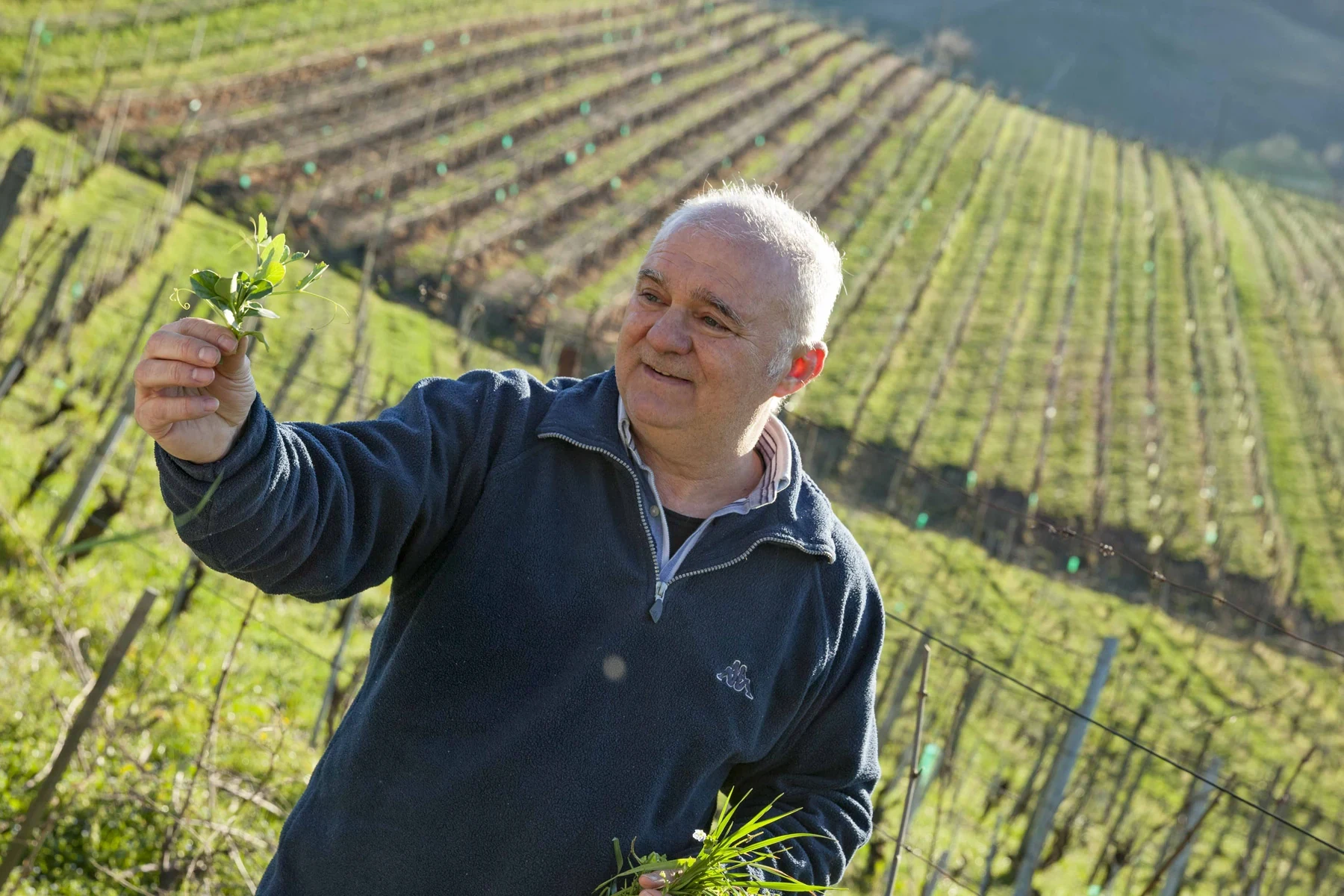
Made By profiles Claudio Icardi (Winemaker) at Icardi.
How expensive is Icardi?
Icardi is listed at a price level of $$.
The field
How it compares
| Place | Notes |
|---|---|
| Icardi | Castiglione Tinella, $$ |
| Ca' Richeta | Castiglione Tinella |
| Caudrina | Castiglione Tinella |
| Elio Perrone | Castiglione Tinella |
| Matteo Soria | Castiglione Tinella |
| Paolo Saracco | Castiglione Tinella |
| Simone Cerruti | Castiglione Tinella |