Sangiovese held in large casks
- Falstaff Winery - 5 Stars · 2026
Since 1993 on the north slope
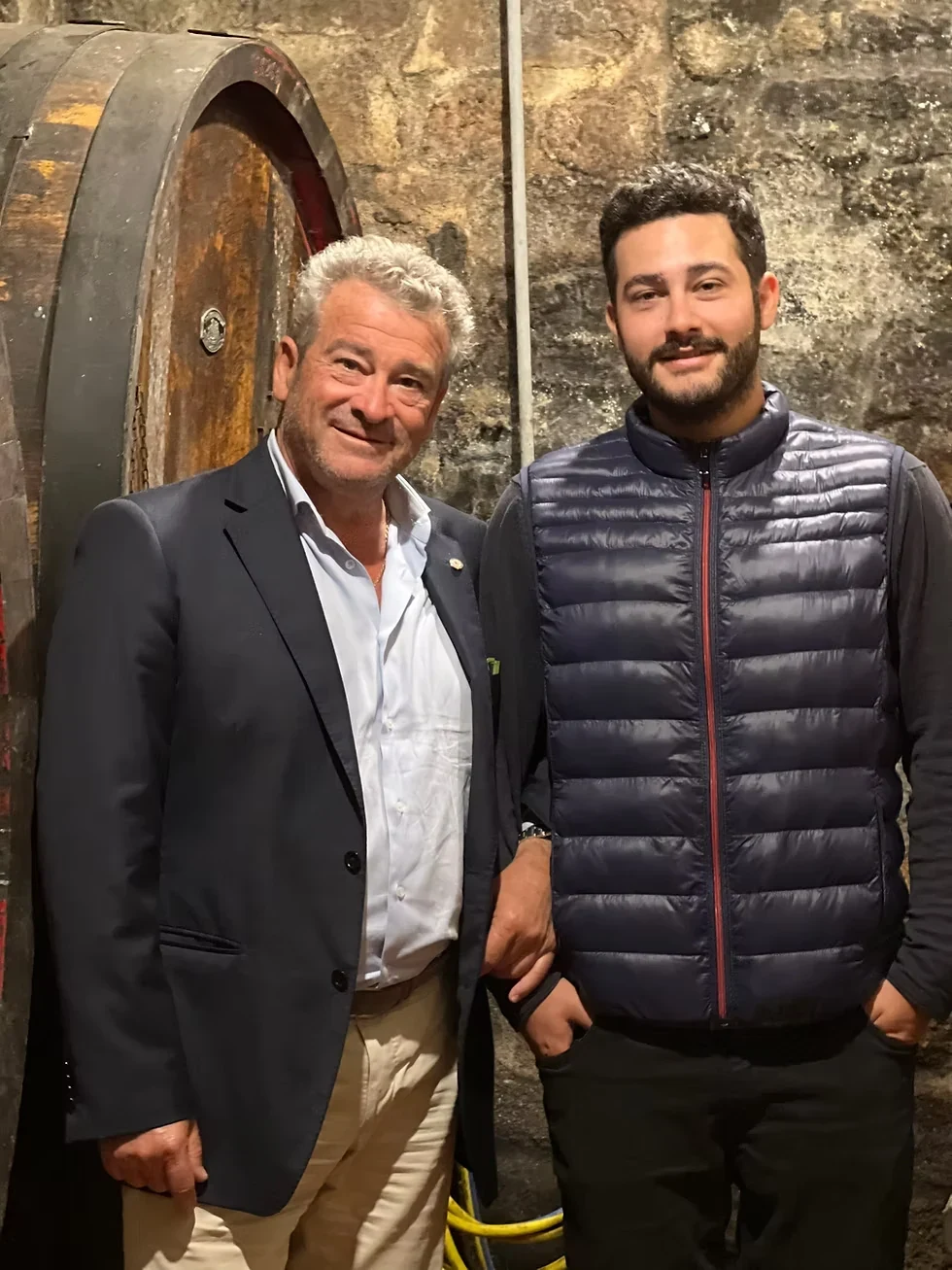
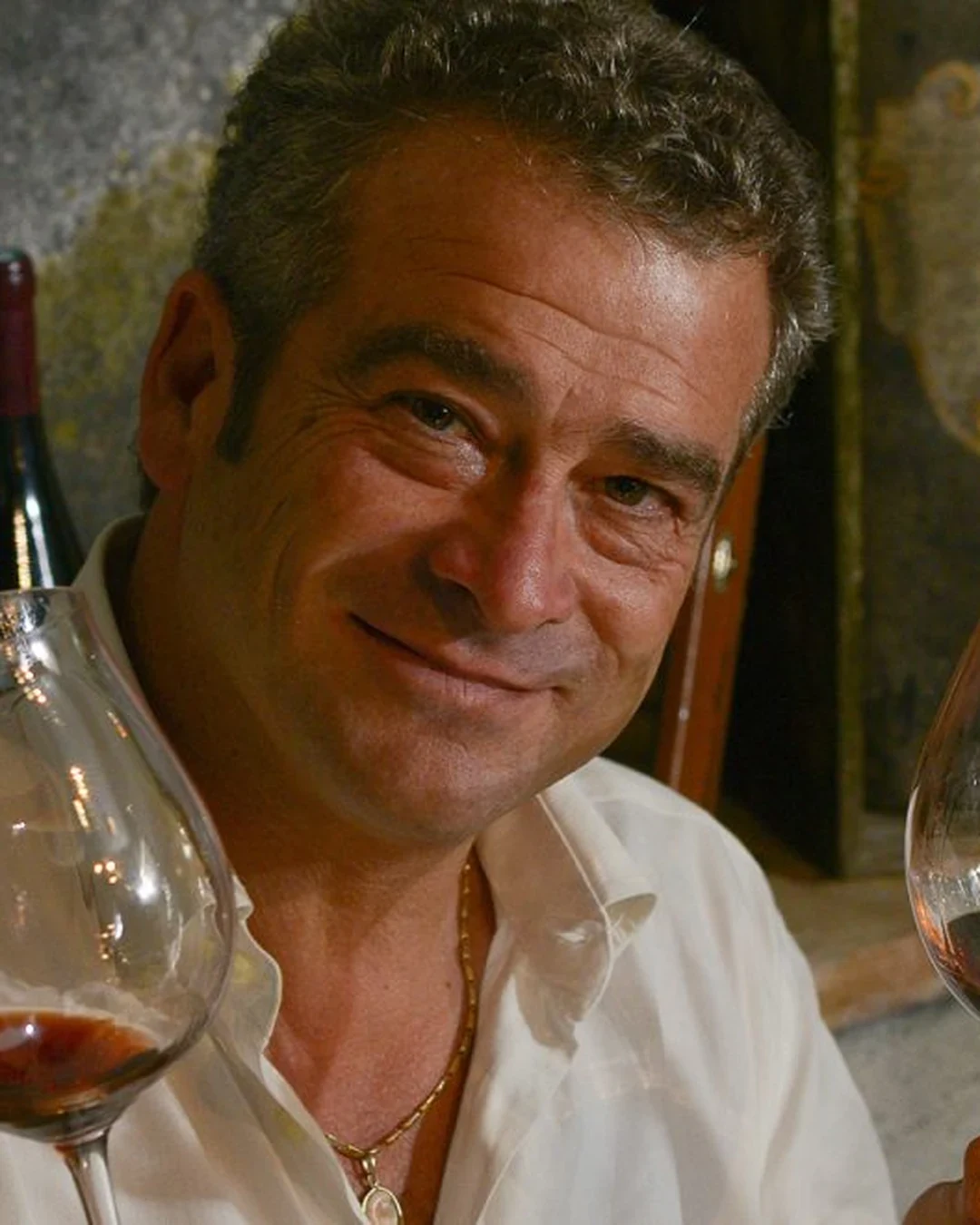
The cellar work stays close to the vineyard: Sangiovese, large wood, time. Alessandro Mori, winemaker at Il Marroneto in Montalcino, leads that work from the family estate below Madonna delle Grazie. He took over as owner and winemaker in 1993, after working as an attorney in Siena, and has kept the house aligned with the traditional methods shaped by his father, Giuseppe Mori, who established Il Marroneto in 1974. The first vineyard blocks were planted in stages through the late 1970s and early 1980s, then held to a narrow idea: Brunello as a reading of this cool, northern side of the hill, not as a cellar construction. Alessandro’s own language is plain about the discipline. “We are not biodynamic, we are not biological; we are traditional and natural.” That distinction matters here because the estate does not use the vocabulary of certification as its center of gravity. It uses vineyard health, restraint in the cellar, and patience in cask. His son Iacopo Mori has begun working closely with him, giving the estate a visible next hand without changing the method that made the wines recognizable.
Large casks, wild yeast, long élevage
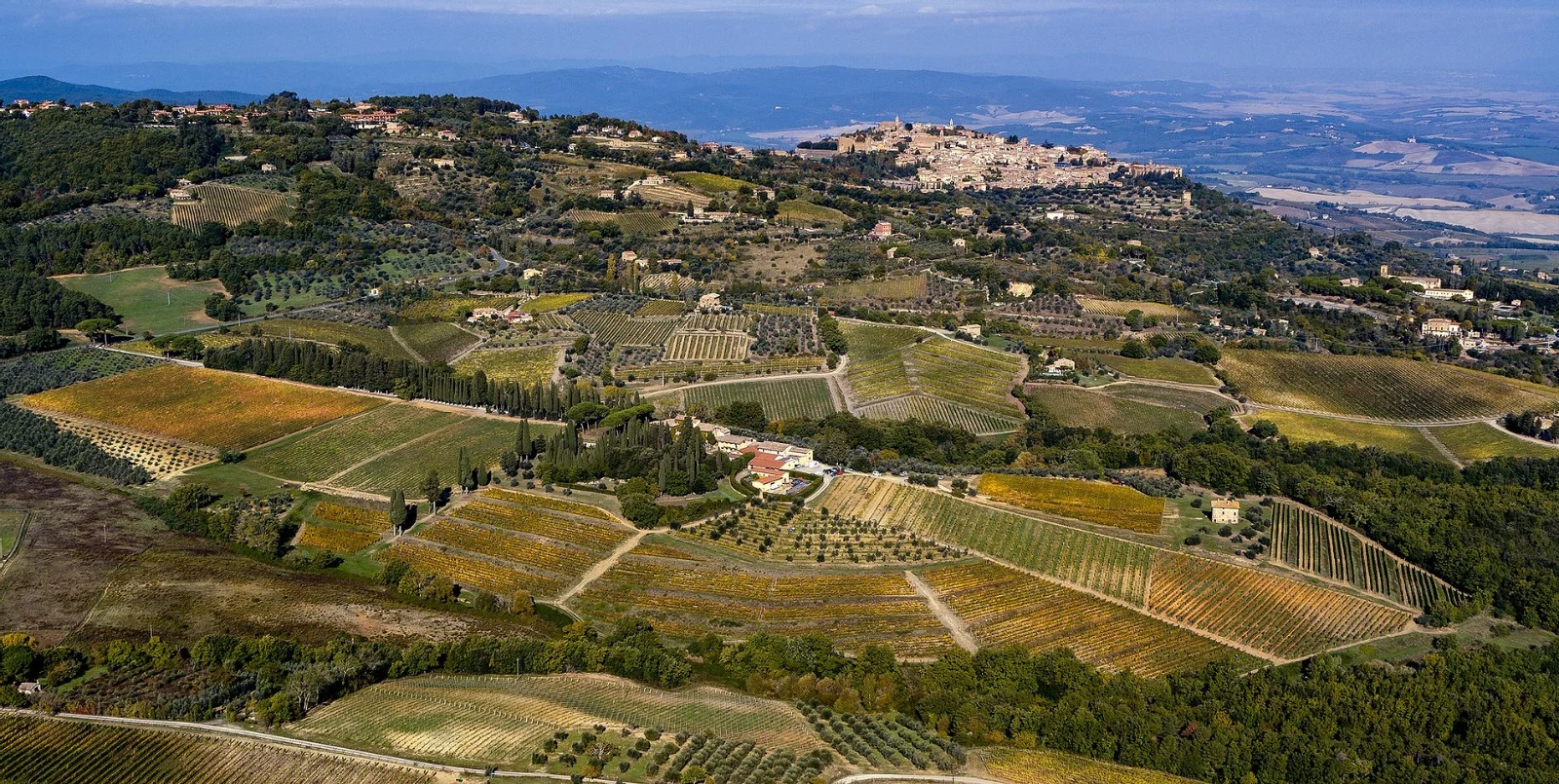
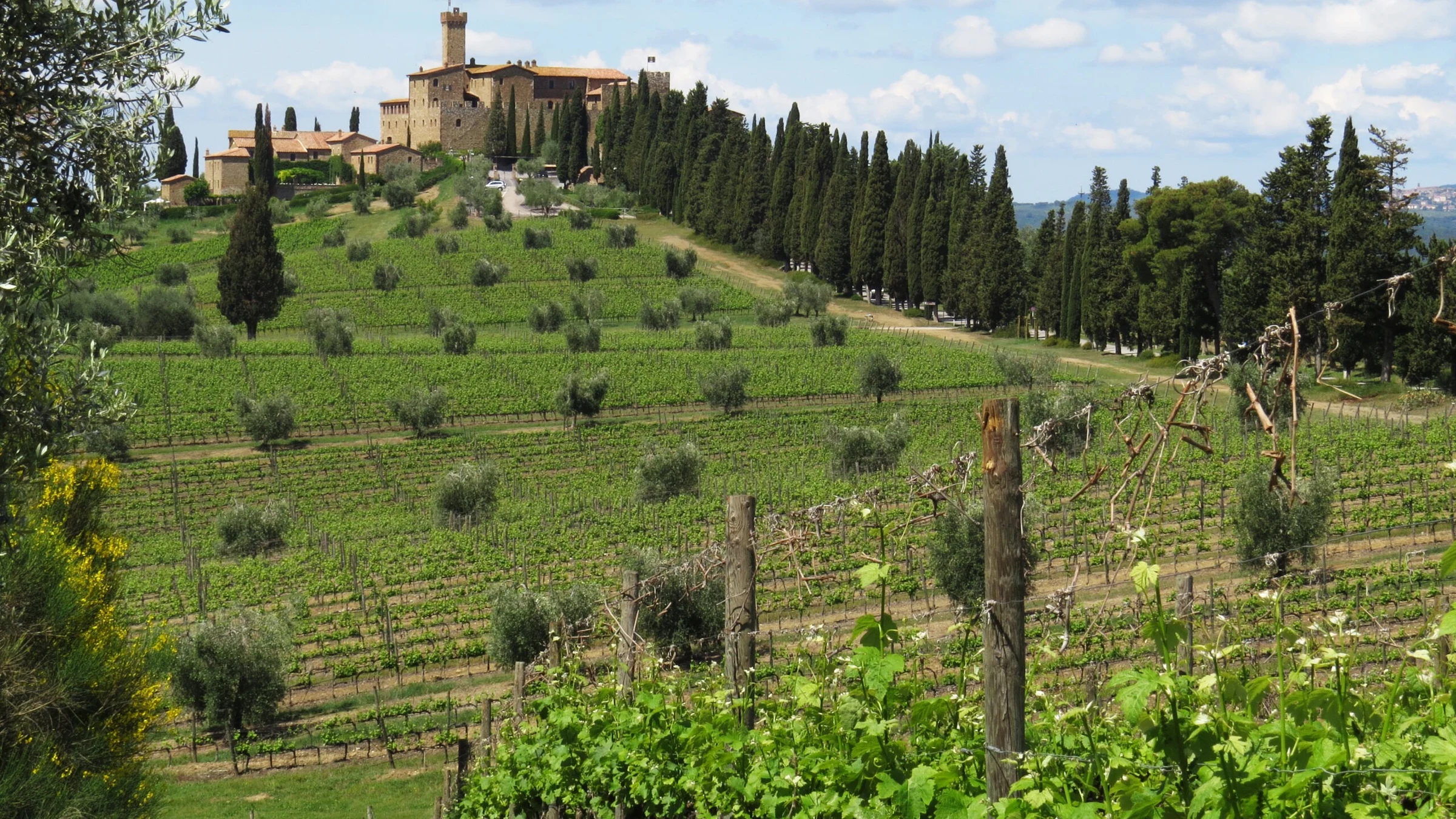
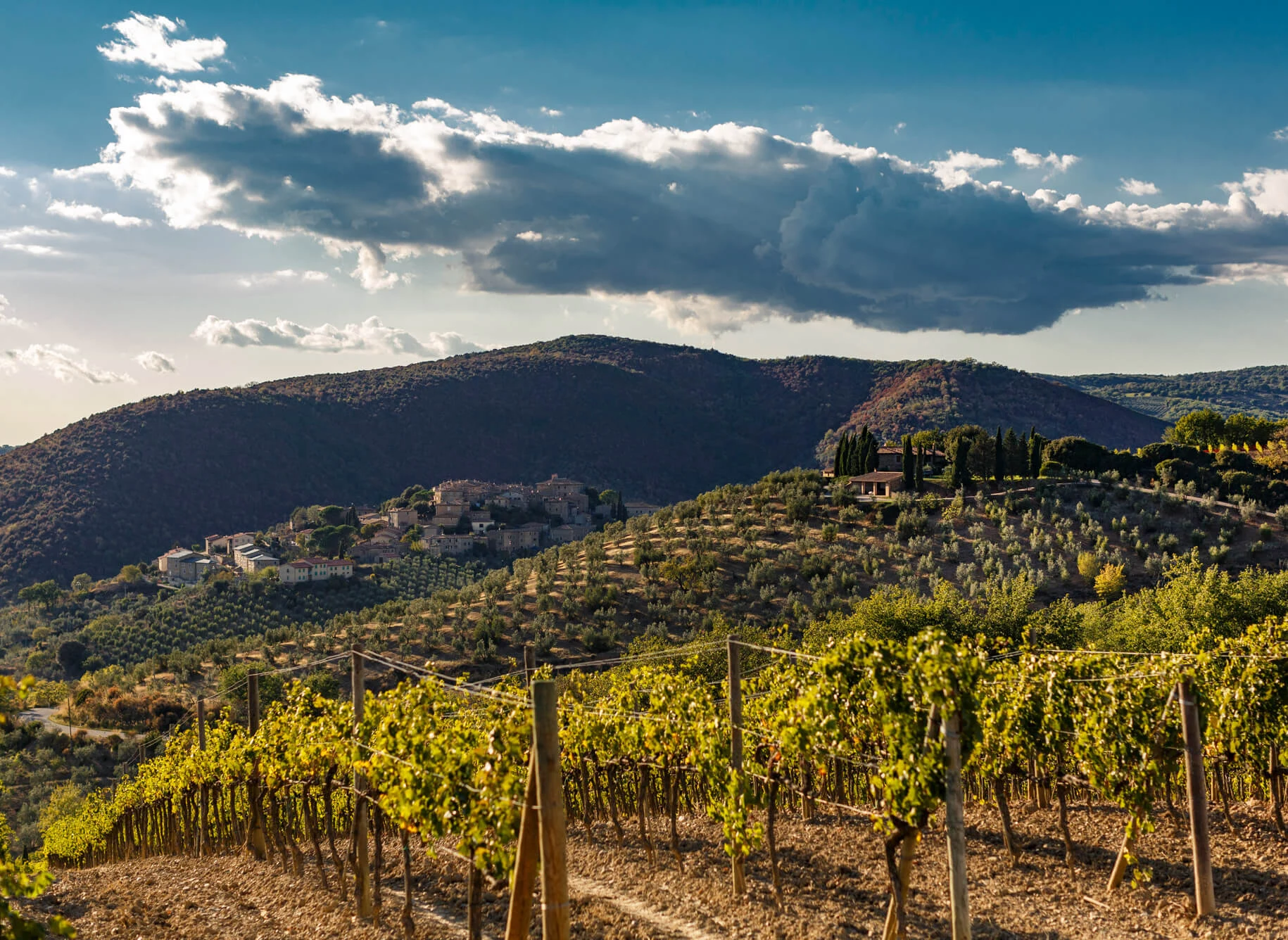
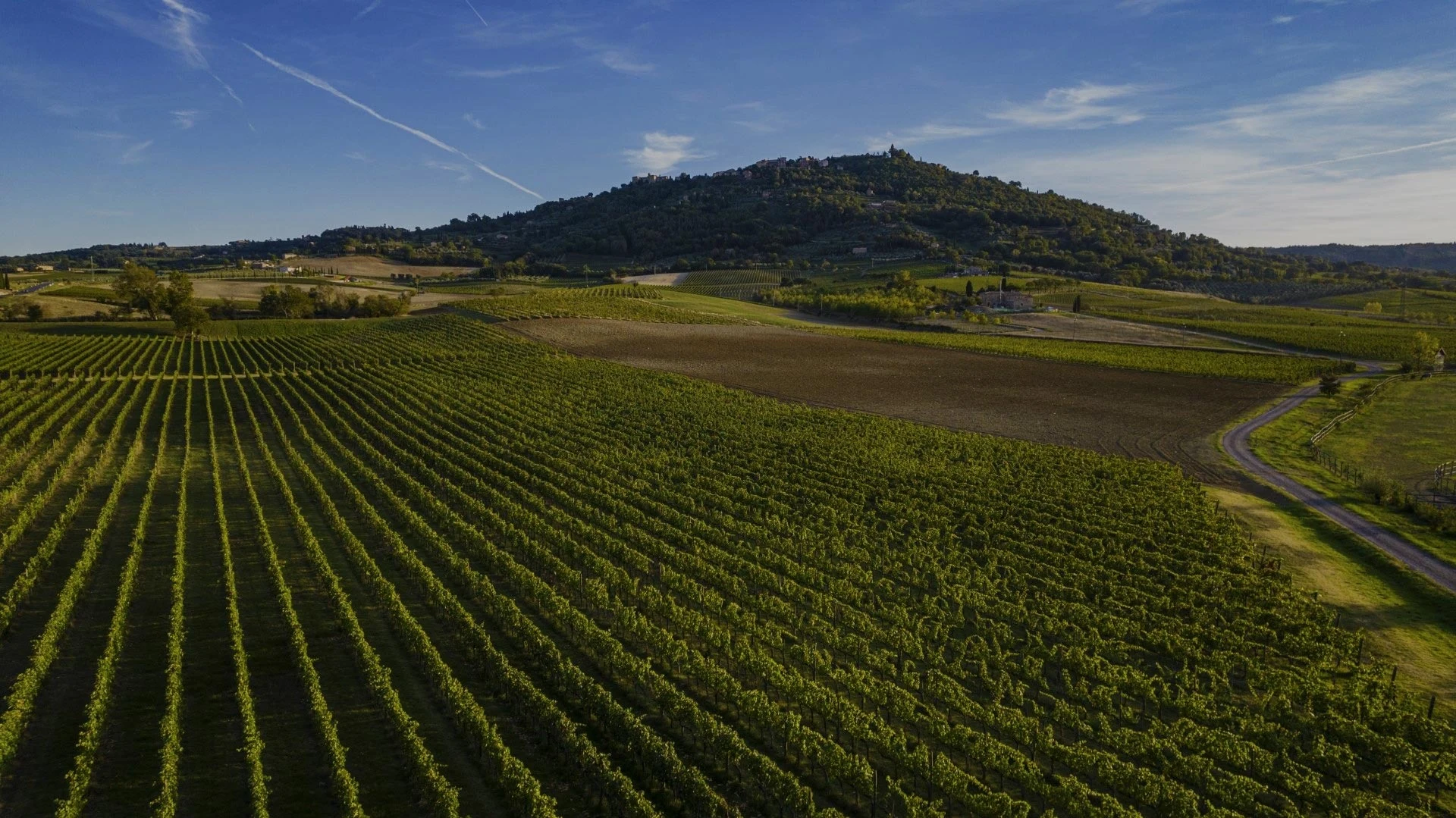
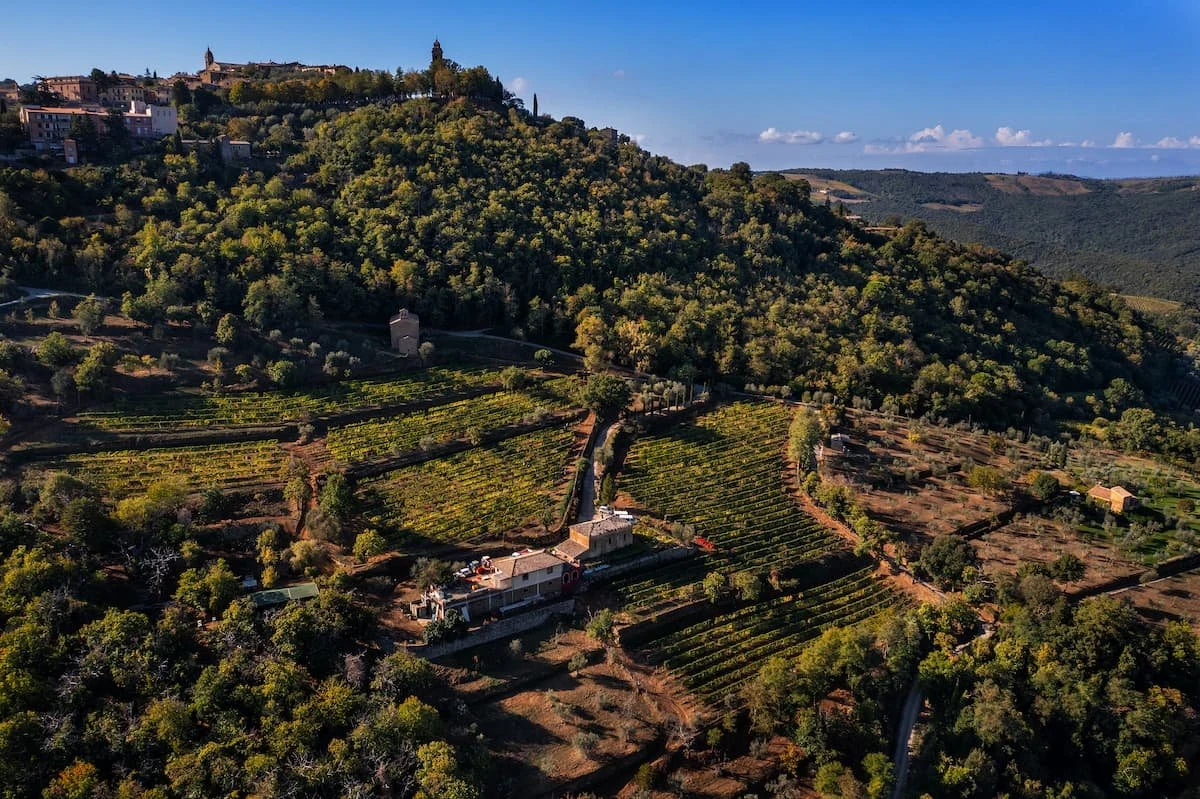
Il Marroneto farms about 8 hectares on the north side of Montalcino, just outside town, on steep slopes around 400m with marine, galestro, clay and sand influences. The fruit is Sangiovese, and the program remains compact: Rosso di Montalcino, Brunello di Montalcino, and the Madonna delle Grazie bottlings. In the cellar, Alessandro favors wild-yeast fermentation, long maceration, and large neutral oak rather than new-wood signature. The Brunello di Montalcino moves through large 40-hectoliter casks and then 26-hectoliter casks for about three years, followed by about 10 months in bottle. Madonna delle Grazie comes from a special two-hectare parcel, the estate’s oldest vineyard, just below the medieval church above the winery. That wine ferments in closed Allier casks without temperature control, then ages for 42+ months in 26-hectoliter casks and at least 10 months in bottle. Il Marroneto also uses press wine, including second press wine, in both the annata Brunello and Madonna delle Grazie, a traditional choice that asks time in wood and bottle to do its work.
Below the church, above the cellar
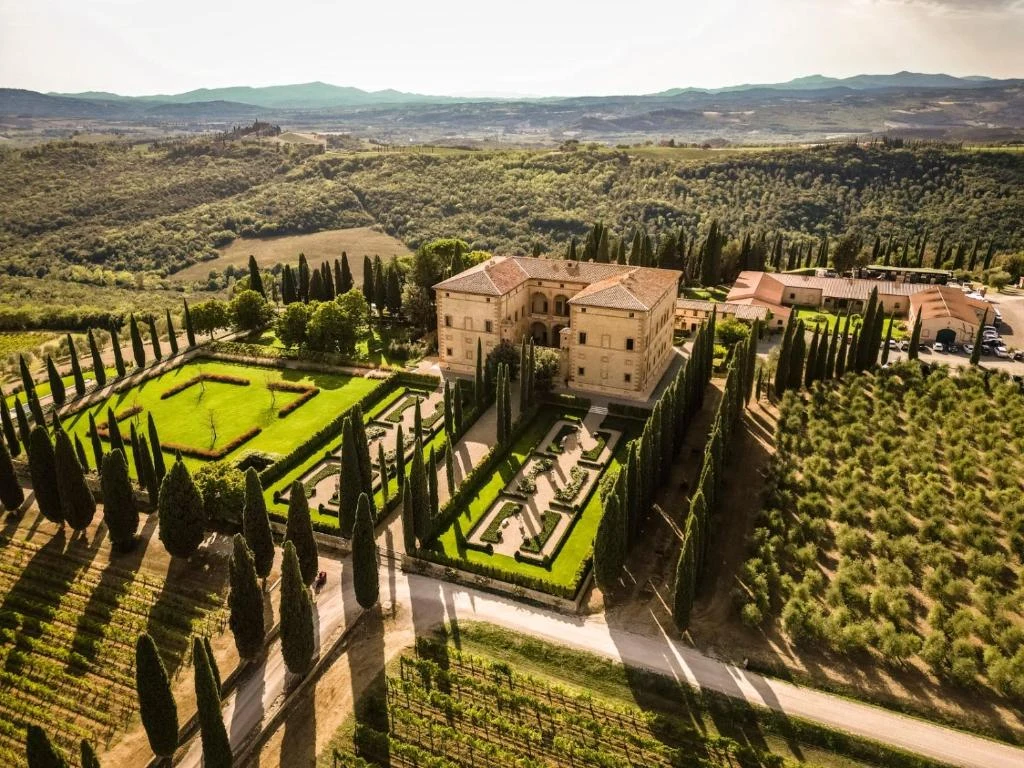
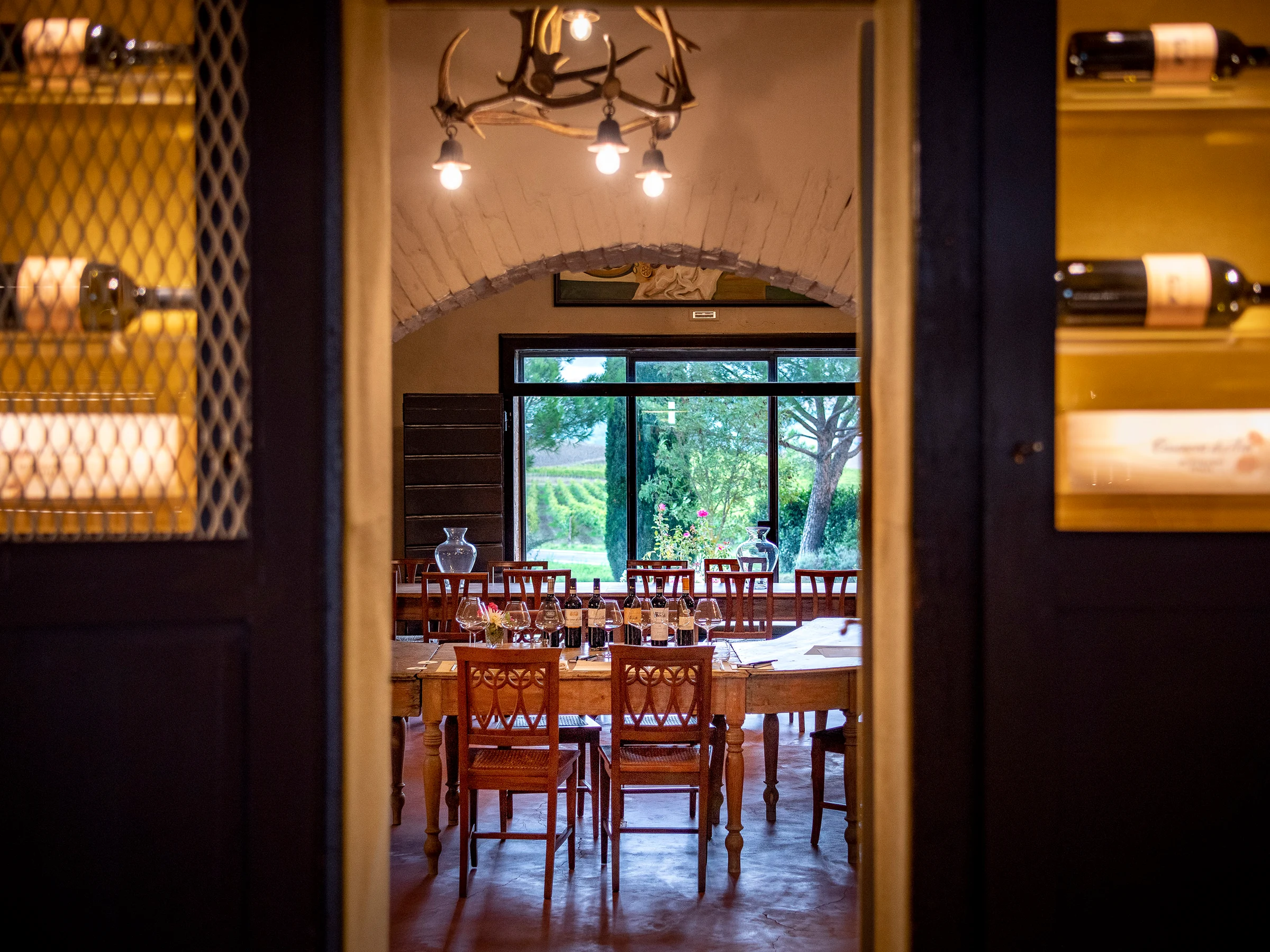
The place is quiet in the way working cellars are quiet: not silent, but governed by intervals. The vineyard rises on the cooler side of the hill, with the medieval church of Madonna delle Grazie above it and Siena’s towers in the distance. Inside, large neutral casks set the scale of the room. Nothing about the estate asks to feel polished into hospitality theater; the tasting room, barrel room, and vineyard sit close to one another because the wines depend on that closeness. The north-facing exposure keeps its mark in the glass, giving Brunello a line that feels held rather than forced. If there is a next movement to read here, it is Iacopo’s time beside Alessandro, and the cask that carries Madonna delle Grazie.
Questions
Frequently asked
Who makes the wines at Il Marroneto?
Alessandro Mori is the winemaker and owner, and he took over the estate in 1993 after working as an attorney in Siena. His son Iacopo Mori has begun working closely with him.
What is Il Marroneto known for?
The estate is known for Brunello made from Sangiovese with a traditional approach that relies on large wood, wild-yeast fermentation, long maceration, and long aging in cask and bottle.
Which wines are made there?
Il Marroneto’s program is compact and includes Rosso di Montalcino, Brunello di Montalcino, and Madonna delle Grazie bottlings.
Can visits be booked in advance?
Visits are by appointment only.
Is there parking on site?
There is an on-site parking lot.
The field
How it compares
| Place | Notes | Awards |
|---|---|---|
| Il Marroneto | Località Madonna delle Grazie, $$$ | · |
| Argiano | Montalcino | · |
| Azienda Agricola Casanova di Neri di Giacomo Neri | Montalcino | World's 50 Best |
| Biondi-Santi Tenuta Greppo | Montalcino | · |
| Castello Banfi | Montalcino | World's 50 Best |
| Poggio di Sotto | Montalcino | · |
| Valdicava | Montalcino | · |