Chef in Residence
Benjamin Balesteri
Chef

Perched on a serene crest amid undulating Tuscan vineyards, Il Poggio distills the soul of the countryside into a polished, contemporary dining experience. Estate-grown ingredients guide a seasonal menu where heirloom vegetables, just-pressed oils, and heritage meats meet precision technique and graceful plating. Candlelit tables open onto golden horizons; a cellar of impeccably curated Super Tuscans and rare vintages deepens the conversation between land and table. Service is intuitive yet unintrusive, allowing the flavors, sun-warmed tomato, wild fennel, whisper-soft ricotta, charcoal-kissed game, to unfold at their own luxurious tempo. From terrace aperitivo at sunset to the final pour of vin santo, Il Poggio is a poised ode to place, crafted for travelers who collect moments as thoughtfully as they collect wines.
<h2>Where the Valtellina Hillside Sets the Table</h2><p>The road that climbs behind Sondrio through the vine-covered slopes of Poggiridenti is not a road you take by accident. It follows the wine route that threads through one of Lombardy's most characterful alpine valleys, a corridor where Nebbiolo grown on terraced granite produces Valtellina Superiore and Sforzato, wines that bear almost no resemblance in temperament to the Barolo or Barbaresco made from the same grape further south. It is along this route, less than 5 kilometres from Sondrio, that Il Poggio sits at Via Panoramica, 4, a name that earns its billing.</p><p>Approach on a clear afternoon and the terrace view across the valley floor does most of the talking before the kitchen has said a word. The outdoor dining space commands a panorama of the Adda corridor, with the vine rows running in near-vertical lines up the hillside below. Inside, the dining room centres on an open fireplace that doubles as a working grill, which is the functional heart of the cooking as much as a piece of atmosphere. That detail matters: a grill in the dining room is a statement about transparency and about the kind of cooking that happens here, direct, ingredient-led, rooted in the terrain outside the window.</p><h2>Country Cooking as a Discipline, Not a Default</h2><p>In the northern Italian mountain-restaurant category, there is a meaningful distinction between places that describe themselves as traditional and places that genuinely are. The former tend to offer a few token local dishes alongside an undifferentiated Italian menu; the latter build their entire offer around what the surrounding territory actually produces. Il Poggio belongs to the second type. Chef Benjamin Balesteri shapes the menu around local recipes and ingredients, with the grill used for a number of the main courses, a format that positions the kitchen firmly in the tradition of cucina del territorio rather than in any direction that could be called contemporary or experimental.</p><p>That positioning puts Il Poggio in a different conversation from Italy's high-end creative addresses. Restaurants like <a href="https://www.enprimeurclub.com/restaurants/osteria-francescana">Osteria Francescana in Modena</a>, <a href="https://www.enprimeurclub.com/restaurants/enrico-bartolini-milan-restaurant">Enrico Bartolini in Milan</a>, or <a href="https://www.enprimeurclub.com/restaurants/le-calandre-rubano-restaurant">Le Calandre in Rubano</a> operate at €€€€ and frame their cooking through creative abstraction; Il Poggio prices at €€ and frames its cooking through fidelity to the place. Neither is a lesser ambition, they are simply different ones. For context on the range of regional Italian cooking from mountain-rooted country formats up through three-Michelin-star creative kitchens, see <a href="https://www.enprimeurclub.com/restaurants/atelier-moessmer-norbert-niederkofler-brunico-restaurant">Atelier Moessmer Norbert Niederkofler in Brunico</a>, which occupies the high end of the alpine fine-dining register in northern Italy.</p><p>The Michelin Plate recognition in both 2024 and 2025 signals something specific: the guide's assessors see cooking that merits attention without placing it in the starred tier. In Michelin's current taxonomy, the Plate denotes fresh ingredients and carefully prepared dishes, a distinction that separates Il Poggio from the undifferentiated mass of unremarked trattorias while keeping it clearly in the accessible, unfussy segment of the market. A Google rating of 4.7 across 943 reviews adds a volume dimension: this is not a place coasting on reputation or foot traffic from curious tourists. The consistency implied by nearly a thousand ratings at that level suggests a kitchen that performs reliably.</p><h2>The Chef's Role in a Tradition-Bound Kitchen</h2><p>The editorial angle on a country-cooking restaurant in a defined wine-producing valley is less about a chef's personal transformation and more about a chef's relationship to an inherited tradition. Benjamin Balesteri works within a culinary framework that the valley has been building for centuries: cured meats from locally raised animals, polenta in its Valtellinese forms, bresaola as a cured speciality with IGP status, buckwheat-based dishes like pizzoccheri that have become synonymous with this stretch of alpine Lombardy. The open grill adds a layer of technique that is itself traditional, fire cooking is how mountain kitchens operated before gas arrived.</p><p>What a chef does within that framework is apply judgment: sourcing decisions, balance on the plate, the decision about which recipes to maintain intact and which to interpret. Those choices are editorial in nature even if they are not visible as innovation. The family-run structure of Il Poggio reinforces this: family restaurants in the alpine north tend to carry institutional knowledge across generations, which is a different kind of culinary depth from the one produced by chef training in metropolitan kitchens. Compare this model with country-cooking peers elsewhere in northern Italy: <a href="https://www.enprimeurclub.com/restaurants/219-piobesi-dalba-restaurant">21.9 in Piobesi d'Alba</a> and <a href="https://www.enprimeurclub.com/restaurants/andrea-monesi-locanda-di-orta-orta-san-giulio-restaurant">Andrea Monesi at Locanda di Orta in Orta San Giulio</a> both operate in the same tradition-grounded register, giving a useful reference frame for how the category plays out across Piedmont and Lombardy.</p><h2>Planning a Visit: The Wine Route as Context</h2><p>Il Poggio is positioned on the wine route above Sondrio, which makes it a natural stop within a day organised around the Valtellina producers. The valley's Nebbiolo-based DOCGs, Valtellina Superiore, with its crus of Sassella, Grumello, Inferno, and Valgella, are less internationally marketed than their Piedmontese equivalents, which means the route itself sees a different kind of visitor than Barolo or Barbaresco country. That self-selection shapes who is eating at Il Poggio on any given day. For a fuller orientation to Poggiridenti itself, the Poggiridenti restaurants guide, wineries guide, and hotels guide provide broader context. The bars guide and experiences guide round out the picture for anyone spending more than a day in the area.</p><p>The €€ price range places Il Poggio in the accessible bracket for the region, appropriate for a lunch stop on the wine route or a relaxed dinner with local wine. The outdoor terrace makes the summer and early autumn visit the most atmospheric option, though the open fireplace inside is a compelling reason to visit in the cooler months when the valley takes on a different character. Reservations are recommended, particularly for weekend service during the harvest period when the wine route sees its highest traffic.</p><p>For readers building a broader itinerary through northern Italy's serious dining addresses, the contrast between Il Poggio's grounded country format and the starred destination restaurants in the wider region is instructive. <a href="https://www.enprimeurclub.com/restaurants/dal-pescatore-runate-restaurant">Dal Pescatore in Runate</a>, <a href="https://www.enprimeurclub.com/restaurants/enoteca-pinchiorri">Enoteca Pinchiorri in Florence</a>, <a href="https://www.enprimeurclub.com/restaurants/piazza-duomo-alba-restaurant">Piazza Duomo in Alba</a>, <a href="https://www.enprimeurclub.com/restaurants/casa-perbellini-12-apostoli-verona-restaurant">Casa Perbellini 12 Apostoli in Verona</a>, <a href="https://www.enprimeurclub.com/restaurants/uliassi-senigallia-restaurant">Uliassi in Senigallia</a>, <a href="https://www.enprimeurclub.com/restaurants/quattro-passi-marina-del-cantone-restaurant">Quattro Passi in Marina del Cantone</a>, and <a href="https://www.enprimeurclub.com/restaurants/reale-castel-di-sangro-restaurant">Reale in Castel di Sangro</a> each represent the starred, high-investment end of the spectrum. Il Poggio represents something different: a kitchen that draws its authority from place rather than from technique, and prices accordingly.</p>
Il Poggio is a family-run restaurant with a straightforward country-cooking menu and an open fireplace grill, both of which tend to appeal to younger diners. The outdoor terrace overlooking the Valtellina valley adds a practical, relaxed setting. Nothing in the restaurant's format or price range (€€) suggests it positions itself as adults-only.
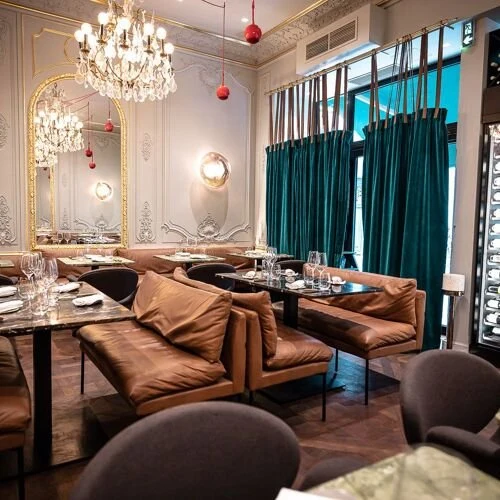
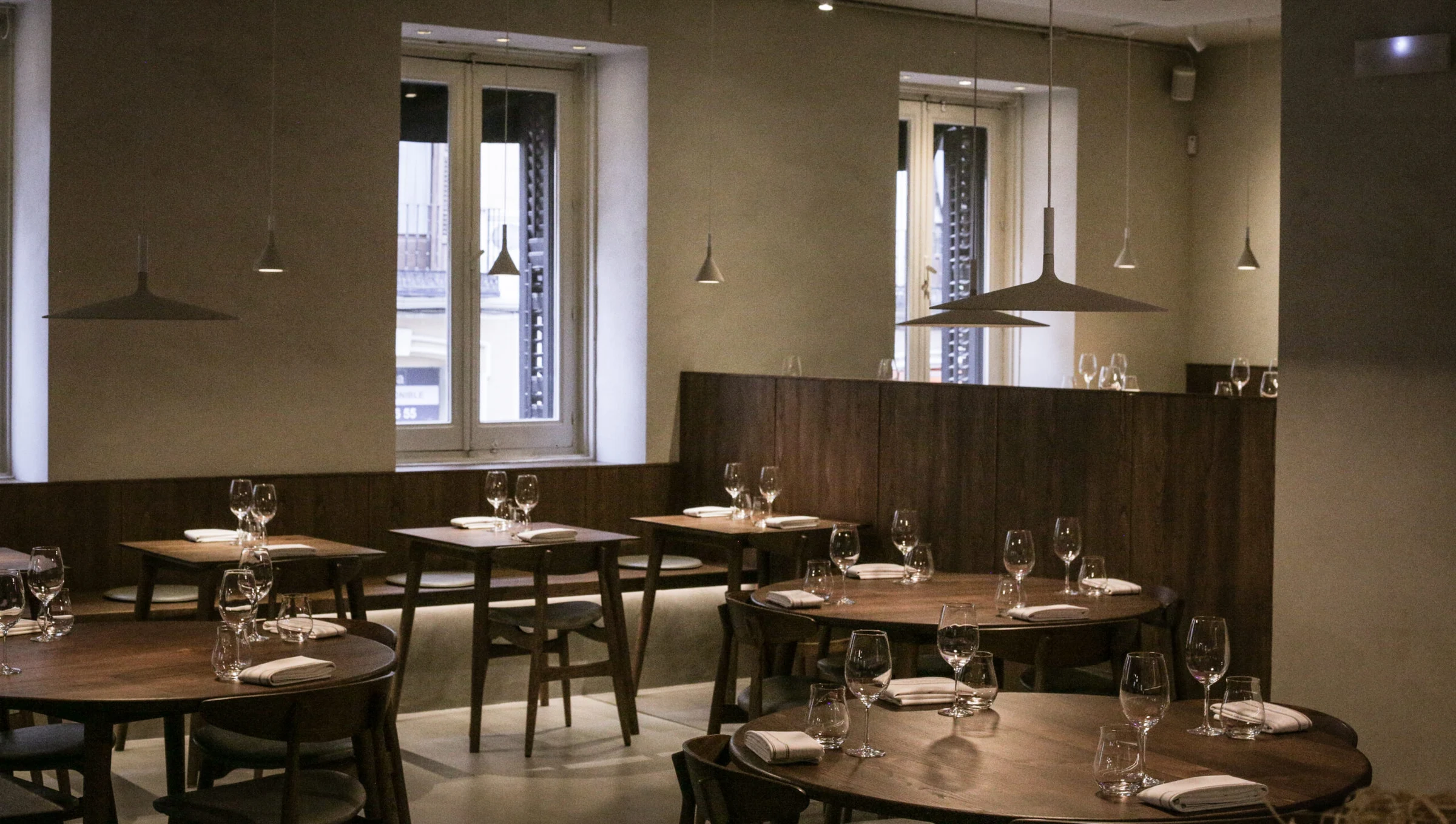
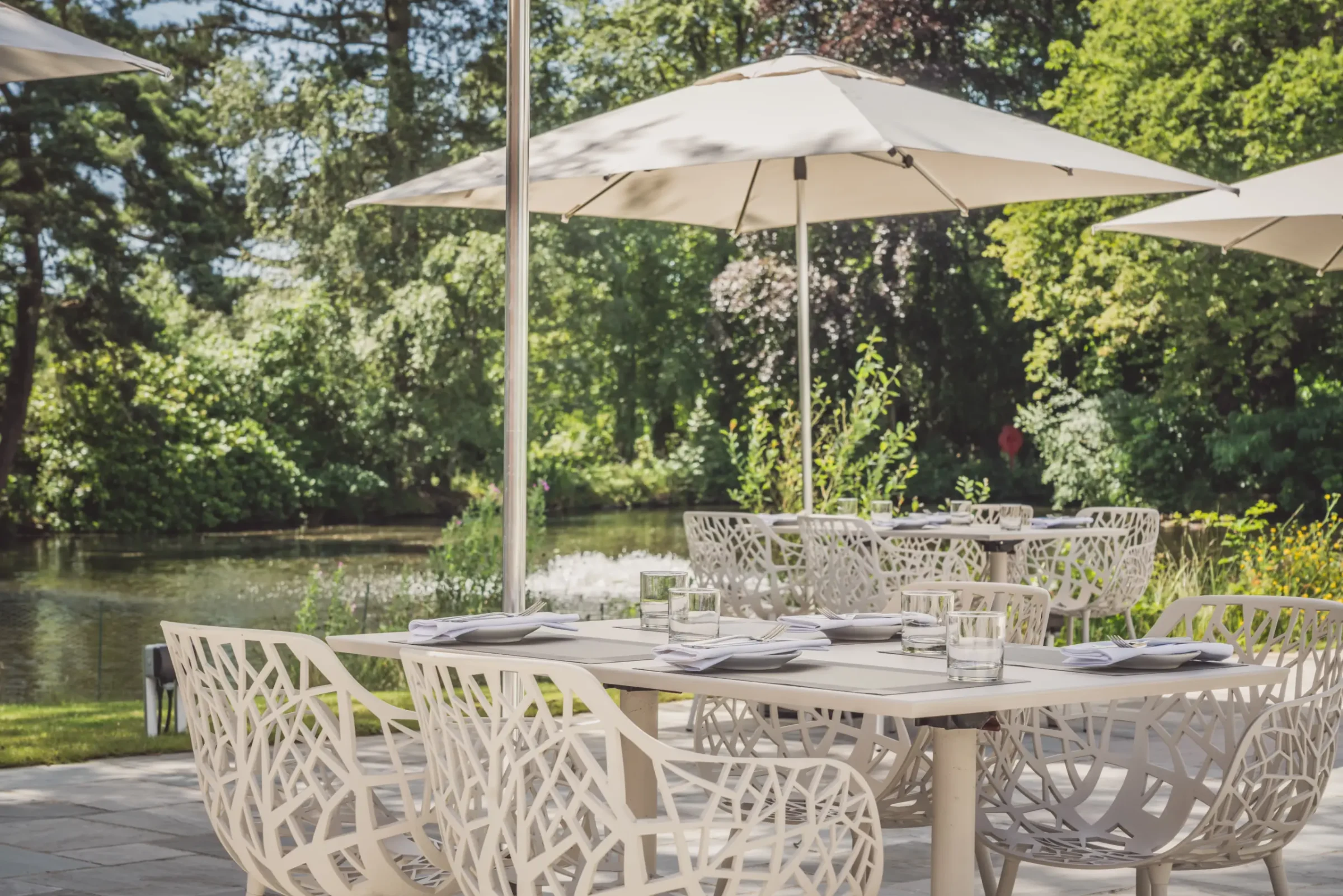
The dining room centres on an open fireplace that doubles as a grill, giving the space a working, unhurried quality that matches the €€ price range. On warmer days, the outdoor terrace shifts the focus outward to views across the Valtellina valley. Michelin's Plate recognition in both 2024 and 2025 reflects consistent cooking in a room that prioritises comfort over formality.
Il Poggio has received recognition including: This simple yet welcoming family-run restaurant is situated on the wine route that wends its way through the hills behind Sondrio, less than 5km away. The dining room boasts a cheerful open fireplace (also used as a grill), while an attract….
The kitchen's identity is built around local Valtellina recipes and regional ingredients, with several main courses cooked directly over the open grill in the dining room. Specific dishes are not documented in available editorial records, but the cuisine type is firmly country cooking under chef Benjamin Balesteri, a category defined here by proximity to the vine-growing slopes above Sondrio rather than any single signature plate.
Via Panoramica, 4, 23020 Poggiridenti SO, Italy
Poggiridenti

Japanese-influenced Californian Kaiseki
Single Thread Farm
Healdsburg, United States
★★★ · 50 Best

French Seafood Fine Dining
Le Bernardin
New York City, United States
★★★ · 50 Best

Modern Korean Tasting Menu
Atomix
New York City, United States
★★ · 50 Best

French
Sézanne
Tokyo, Japan
★★★ · 50 Best

Modern Seafood Fine Dining
Providence
Los Angeles, United States
★★★ · 50 Best

Contemporary Plant-Based Fine Dining
Eleven Madison Park
New York City, United States
★★★ · 50 Best