Inkaterra La Casona
- 01CuisineTraditional Peruvian Fine Dining
- 02CityCusco, Peru
- Relais Chateaux Award · 2026
- Relais Chateaux Award · 2025
Where Colonial Stone Meets Andean Cooking
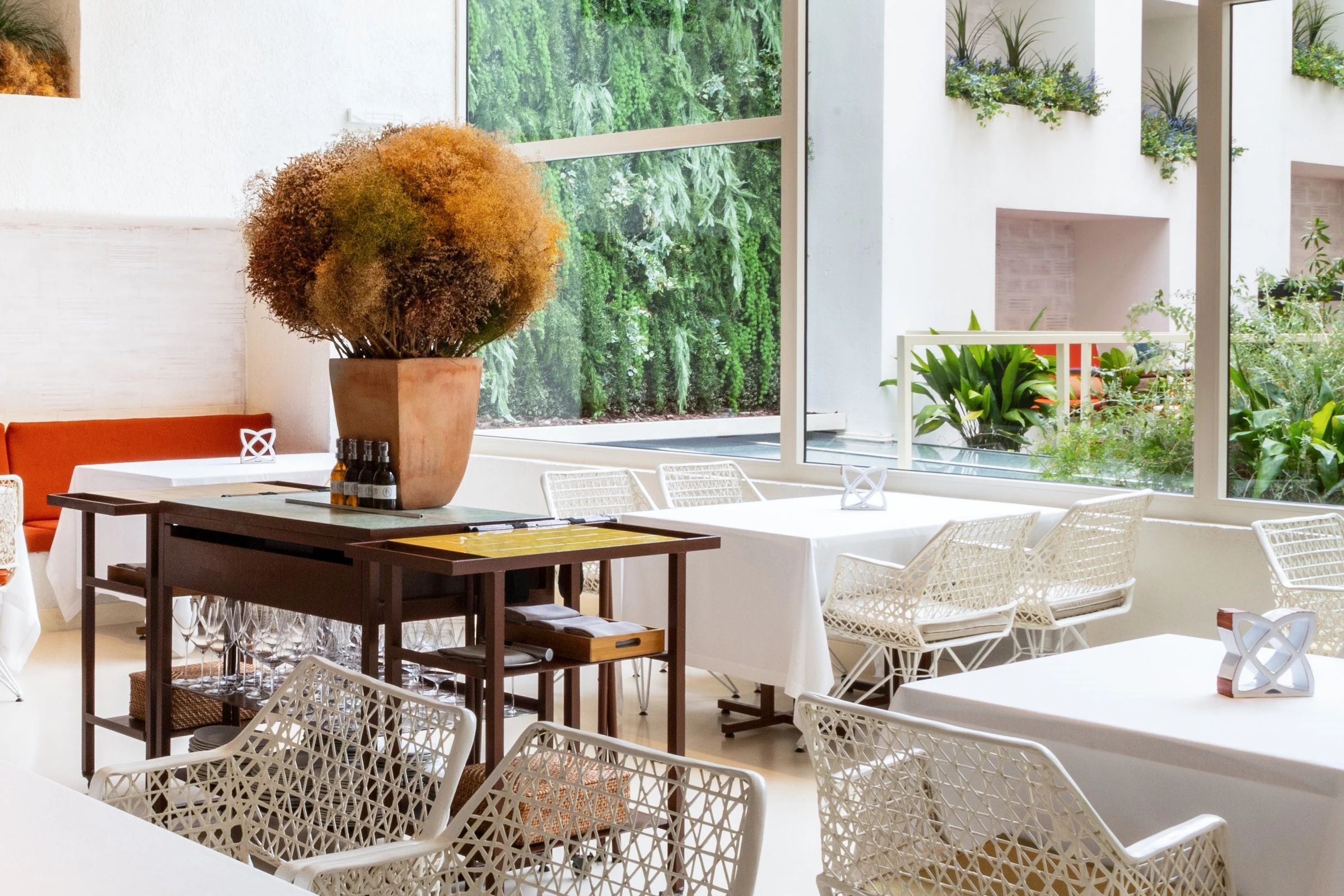
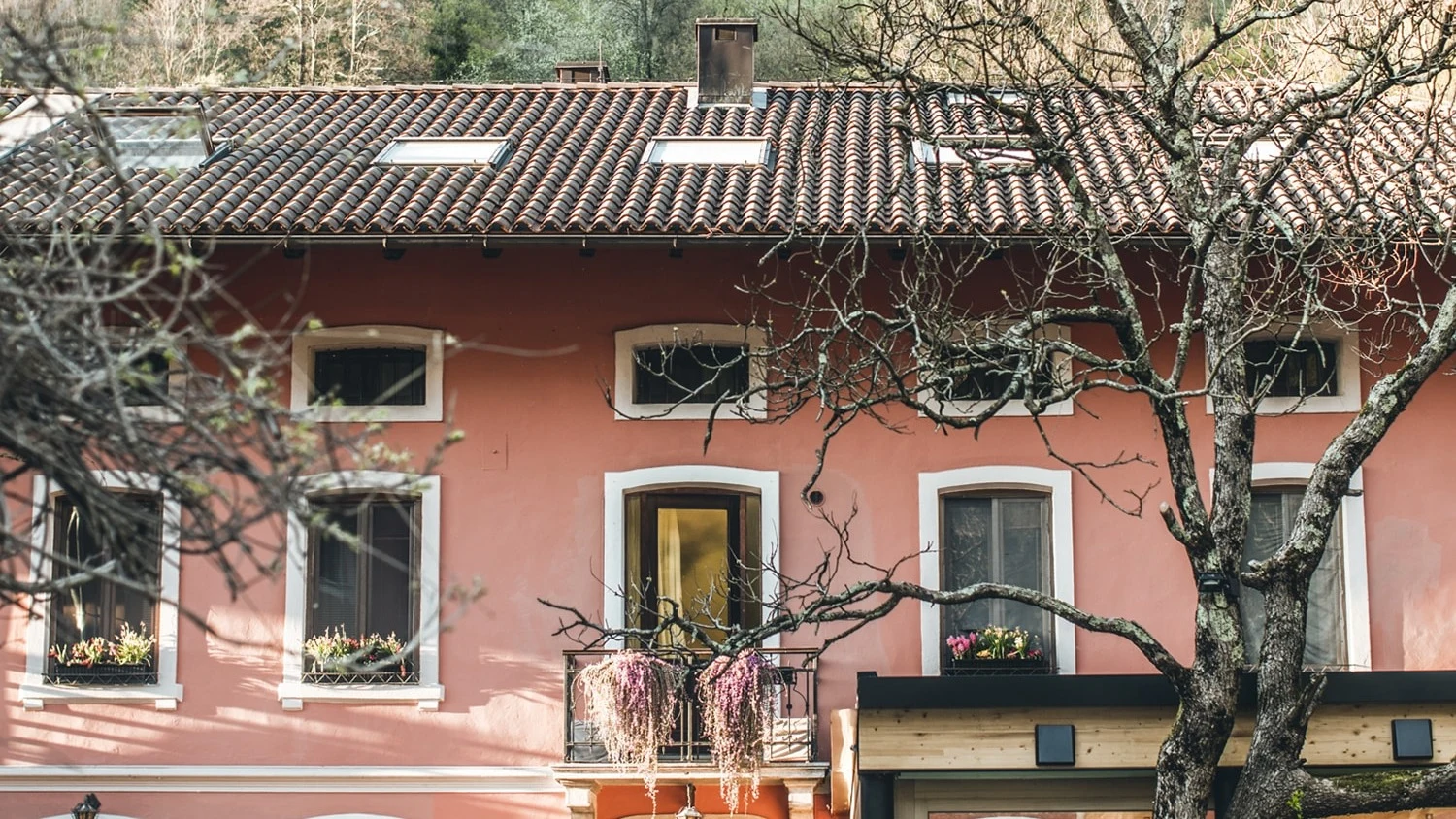
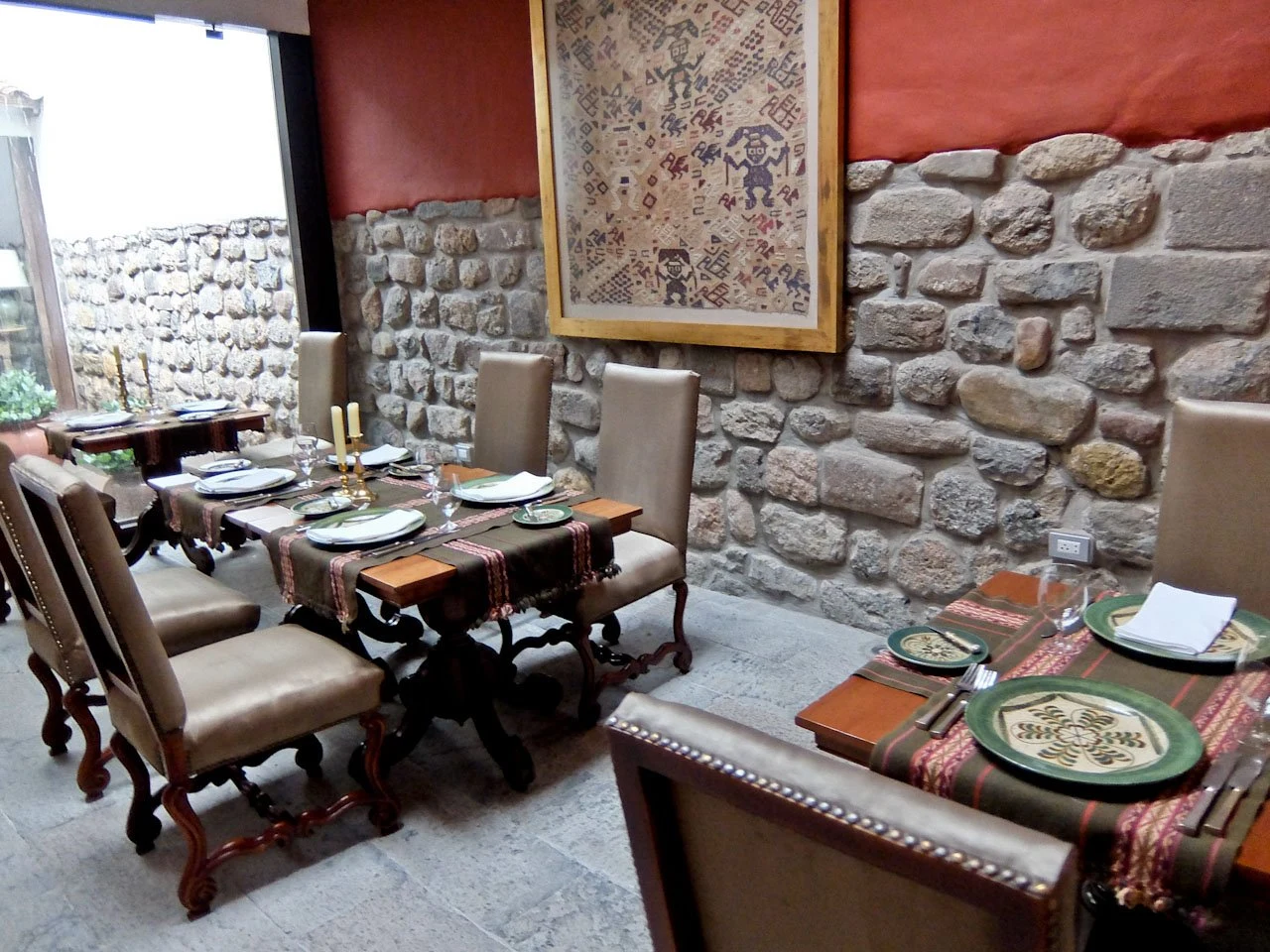
Cusco's Plaza Nazarenas sits one tier above the crowds of the Plaza de Armas, and the shift in atmosphere is immediate. The cobblestones are quieter, the facades more austere, and the Museum of Pre-Columbian Art occupies a sixteenth-century building that sets the neighbourhood's tone. Inkaterra La Casona sits within this same block, housed in a restored colonial mansion whose stone courtyards and thick-walled rooms have absorbed five hundred years of Andean history. It is a traditional Peruvian fine dining restaurant in Cusco at Plaza Nazarenas 211, next to the Museum of Pre-Columbian Art. Arriving here, the architecture does its own editorial work before a dish is served.
That context is not incidental to the cooking. Peruvian cuisine, particularly at the altitude of Cusco (roughly 3,400 metres above sea level), has always been shaped by geography and history in equal measure. The highland plateau produces ingredients, native potato varieties numbering in the hundreds, dried chillies, quinoa, kiwicha, and corn cultivars that exist nowhere else at scale, that encode centuries of Inca agricultural knowledge.
The Tradition Behind the Technique: Peru's Sauce Culture
To understand what makes Andean fusion cooking intellectually honest rather than merely decorative, it helps to understand the depth of Peru's sauce and spice traditions. The country's approach to complex, slow-built sauces bears comparison with Mexico's mole canon, both traditions involve layering dried and fresh chillies, seeds, nuts, and aromatics through extended reduction processes that compress enormous flavour into a small volume. In Peru, the equivalents include aderezo bases of ají amarillo and red onion, huancaína sauces of ají amarillo and fresh cheese, and the darker, more complex rocoto preparations that run through highland cooking.
Where Mexican mole relies on chocolate, dried fruit, and toasted seeds to build its characteristic depth, Peruvian highland sauces tend toward fermented chicha, dried huacatay (black mint), and the roasted-grain minerality of native corn varieties. The complexity is comparable; the flavour profile is its own thing entirely. At a kitchen like Inkaterra La Casona, where the brief is Peruvian fusion and the setting is a pre-Columbian-adjacent colonial property, these sauce traditions become the connective tissue between indigenous Andean ingredients and contemporary plating disciplines.
Chef Rafael Casin works within this framework. The fusion designation here is less about arbitrary global borrowings and more about what happens when a formally trained kitchen applies contemporary technique to ingredients and preparations that are already centuries deep. The result is closer to what Mil does at altitude on the Moray plateau or what Chicha por Gaston Acurio achieves through Gaston Acurio's regionalist lens than it is to the generic fusion format of the 1990s. The common thread across Cusco's more considered restaurants is fidelity to highland ingredients, even when the presentation borrows from international kitchens.
Cusco's Fine Dining Tier: Where La Casona Sits
Cusco's upper dining bracket has matured considerably over the past decade, partly driven by inbound tourism from travellers who arrive via Lima and carry expectations shaped by Astrid & Gastón and the broader Lima dining revolution. The city now supports a genuine fine dining tier that sits well above the tourist-facing menu del día restaurants near the Plaza de Armas, though the gap in price and ambition can be significant.
Within that tier, properties like Inkaterra La Casona occupy a specific niche: hotel-adjacent dining in a heritage property, where the setting carries as much weight as the cooking. The comparison set includes Cicciolina, which has held a loyal following in a similarly atmospheric courtyard space, and Mauka, which takes a more explicitly modern Peruvian approach. La Casona's answer involves leaning into the property's historical weight and the Inkaterra name's association with Andean ecological and cultural preservation.
For broader reference points across Peru, Cirqa in Arequipa, Killa Wasi in Urubamba, and the Amazon dining formats aboard Delfin Amazon Cruises all reflect the same national conversation about how indigenous ingredients translate into contemporary dining contexts. The discussion is more advanced now than it was fifteen years ago, and Cusco is one of the cities driving it.
The Setting as Argument
The colonial mansion format of La Casona functions as more than backdrop. Properties built in the sixteenth and seventeenth centuries on the foundations of Inca stonework (a common pattern in Cusco's historic centre) carry a layered material history that informs how you receive a meal cooked from pre-Columbian ingredients. The architecture is, in a literal sense, built on the same civilisation that developed the potato varieties arriving on your plate. That compression of time is peculiar to Cusco and not easily replicated elsewhere.
The intimate scale of the property reinforces this. Unlike the larger dining rooms that serve high-volume tourism at the more accessible end of the market, La Casona's format suits small-party dining where the architecture remains legible rather than disappearing behind a hundred covers. The Google review score of 4.7 across 150 reviews is consistent with a venue that works better at this scale than it would at volume.
Planning Your Visit
Inkaterra La Casona is located at Plaza Nazarenas 211, adjacent to the Museum of Pre-Columbian Art, one of the better-positioned addresses in the historic centre for anyone staying in or near the San Blas neighbourhood. The easiest approach from the Plaza de Armas is on foot; the Plaza Nazarenas is a five-minute walk uphill through the San Blas callejón.
Given the property's scale and the intimate dining format, advance reservations are strongly advisable, particularly during the high-season months of June through August when Cusco's tourist volume peaks and the city's upper dining tier books ahead. Altitude is a practical consideration for newly arrived visitors: at 3,400 metres, most physicians recommend acclimatising for a day before heavy meals or alcohol, and a property with La Casona's unhurried pace suits that adjustment well.
Questions
Frequently asked
How expensive is Inkaterra La Casona?
Inkaterra La Casona is listed at a price level of $$$$.
Where is Inkaterra La Casona and what does it serve?
Inkaterra La Casona is in Plaza de las Nazarenas, Cusco, serving Traditional Peruvian Fine Dining.
The field
How it compares
| Place | Cuisine | Notes | Awards |
|---|---|---|---|
| Inkaterra La Casona | Traditional Peruvian Fine Dining | Plaza de las Nazarenas, $$$$ | · |
| Disfrutar | Avant-Garde Catalan Fine Dining | Barcelona | Michelin 3 Stars, World's 50 Best |
| El Celler de Can Roca | Creative Catalan Fine Dining | Girona | Michelin 3 Stars, World's 50 Best |
| Gaggan Anand | Progressive Indian | Bangkok | Michelin 1 Star, World's 50 Best |
| Hiša Franko | Modern Slovenian Fine Dining | Kobarid | Michelin 3 Stars, World's 50 Best |
| Per Se | French Fine Dining Tasting Menu | New York City | Michelin 3 Stars, World's 50 Best |
| Restaurant Tim Raue | Asian-German Fine Dining | Berlin | Michelin 2 Stars, World's 50 Best |
Similar places
Avant-Garde Catalan Fine Dining
Disfrutar
Barcelona, Spain
★★★ · 50 Best
Creative Catalan Fine Dining
El Celler de Can Roca
Girona, Spain
★★★ · 50 Best
Progressive Indian
Gaggan Anand
Bangkok, Thailand
★ · 50 Best
Modern Slovenian Fine Dining
Hiša Franko
Kobarid, Slovenia
★★★ · 50 Best
French Fine Dining Tasting Menu
Per Se
New York City, United States
★★★ · 50 Best
Asian-German Fine Dining
Restaurant Tim Raue
Berlin, Germany
★★ · 50 Best