- Falstaff Winery - Listed · 2026
The approach to Radda in Chianti sets the tone before the glass does: wooded hills, vineyards, stone, and the slower rhythm of a Tuscan wine zone where Sangiovese is central to the local conversation. Istine fits that setting as a family-run organic winery in the hills above Radda in Chianti, with a calm, rural atmosphere and a focus on Chianti Classico. It is the kind of place where the surrounding landscape is not background decoration, but part of the reason to visit in the first place.
The appeal here is direct rather than elaborate: a winery visit shaped by high-altitude vineyards, surrounding woods, and a new stone cellar with a tasting room. For visitors, the point is not to chase spectacle, but to spend time with a producer whose identity is tied to Radda in Chianti and terroir-driven Sangiovese. That makes expectations clearer: come for the relationship between vineyard, village, and wine, and for a quieter view of Chianti Classico than the more polished versions travelers may find elsewhere.
High-altitude Sangiovese in Radda in Chianti
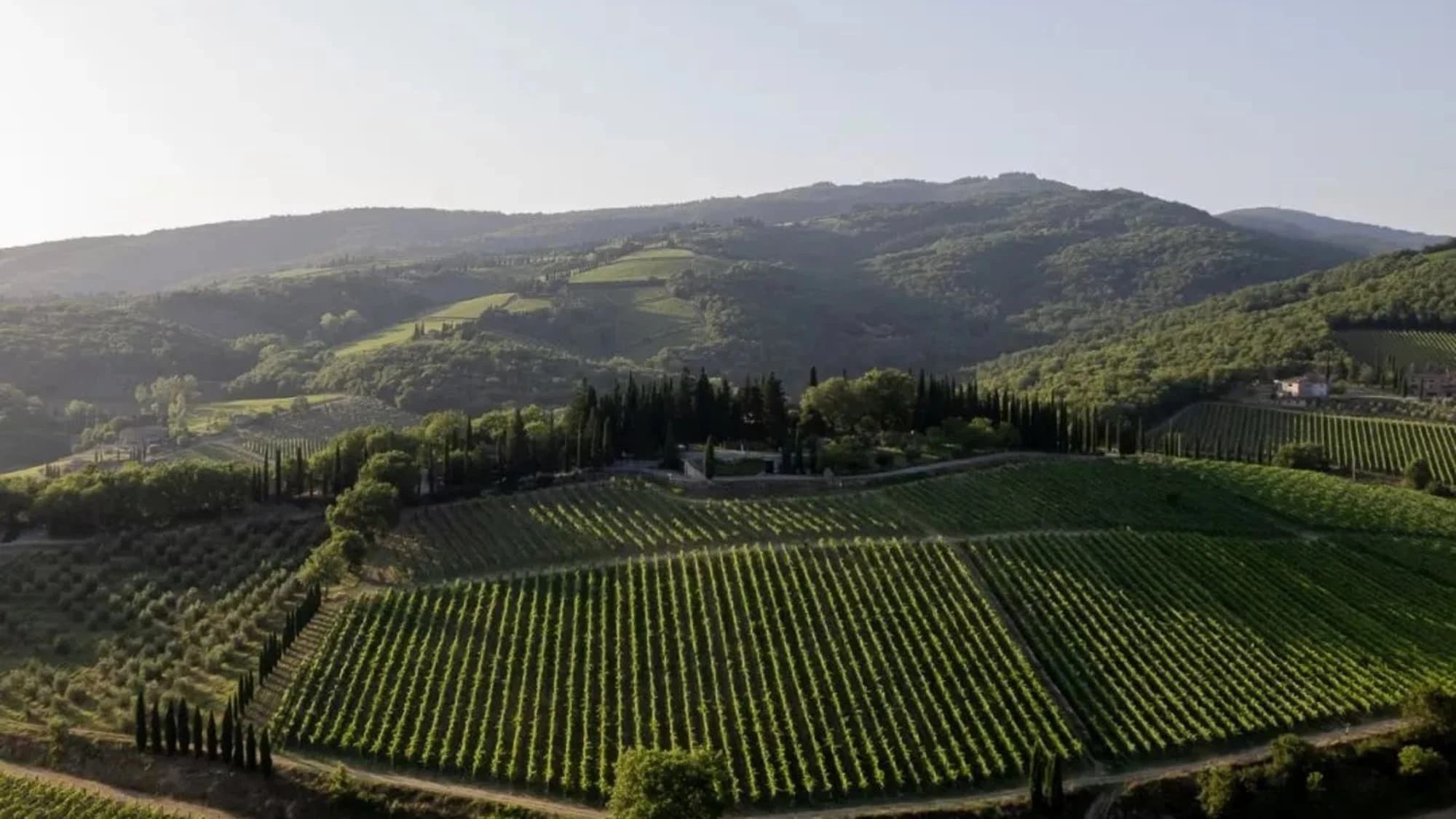
Istine is best understood through its hillside context. The estate is surrounded by high-altitude vineyards, and its wines are presented around Chianti Classico and Sangiovese rather than a broad hospitality concept. That makes the visit especially relevant for travelers trying to understand Radda in Chianti through a restrained, rural, place-conscious winery setting. The language around the estate is appropriately focused: altitude, woods, vineyards, organic farming, family stewardship, and the particular role Sangiovese plays in this part of Tuscany.
What can be said with confidence is that Istine is an organic, family-run winery in Radda in Chianti, and that its atmosphere and identity are tied to the hills, woods, and high-altitude vineyards around the estate. Those details matter because they create a concise but meaningful picture of the visit. Rather than presenting the winery as a generic stop on a regional itinerary, they root it in a specific landscape and in the Chianti Classico conversation that surrounds Radda.
That narrower frame is still useful. A visit here is about Chianti Classico and terroir-driven Sangiovese in a quiet rural setting, not about a heavily staged tasting format or an invented list of amenities. Travelers should treat any detailed questions about visit format, availability, or specific wines as items to confirm directly with the winery before going. The most reliable way to approach Istine is to let the confirmed essentials define the experience: a family-run organic estate, high-altitude vineyards, and a focus on Sangiovese in the hills above Radda.
A tasting room in a calm rural setting
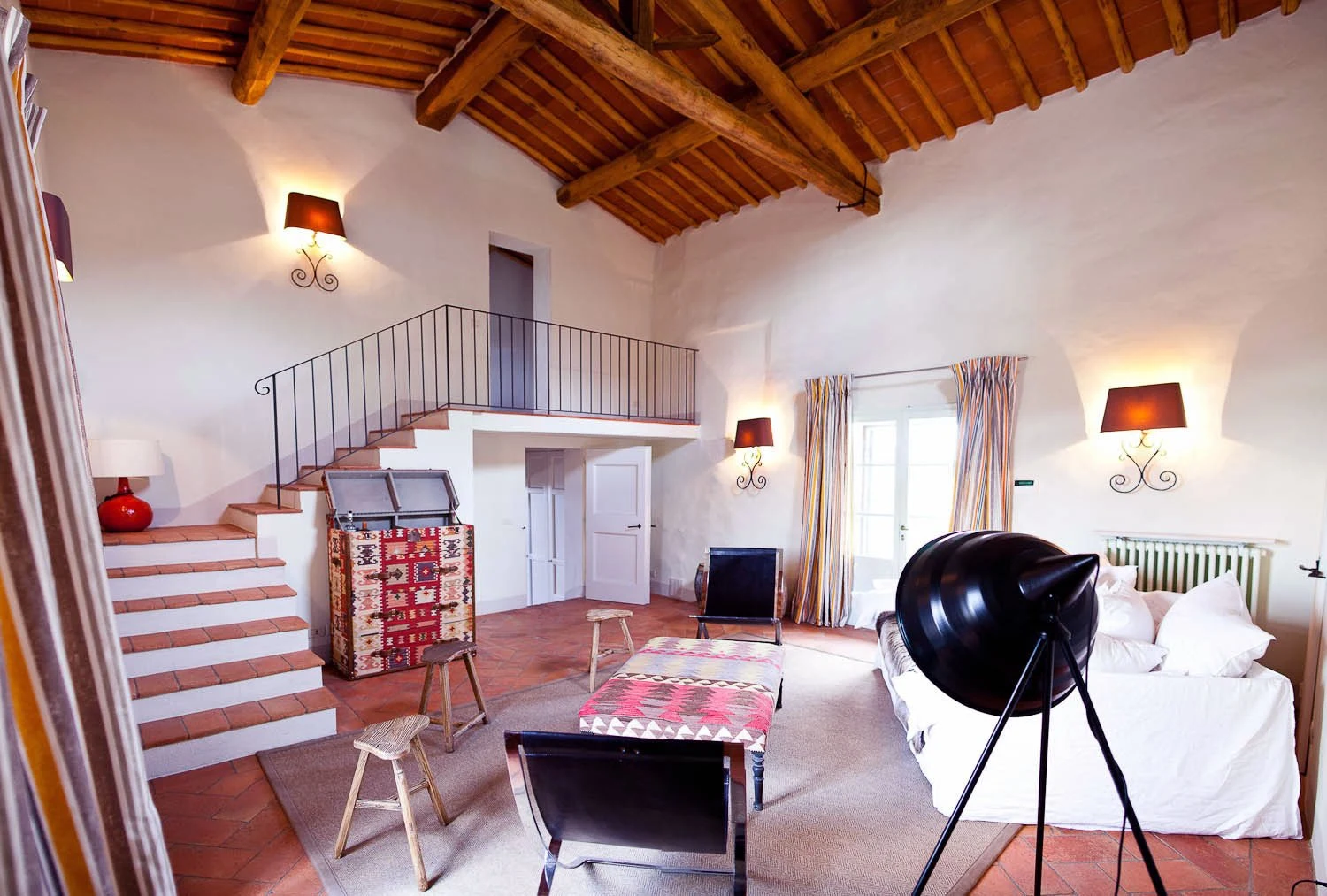
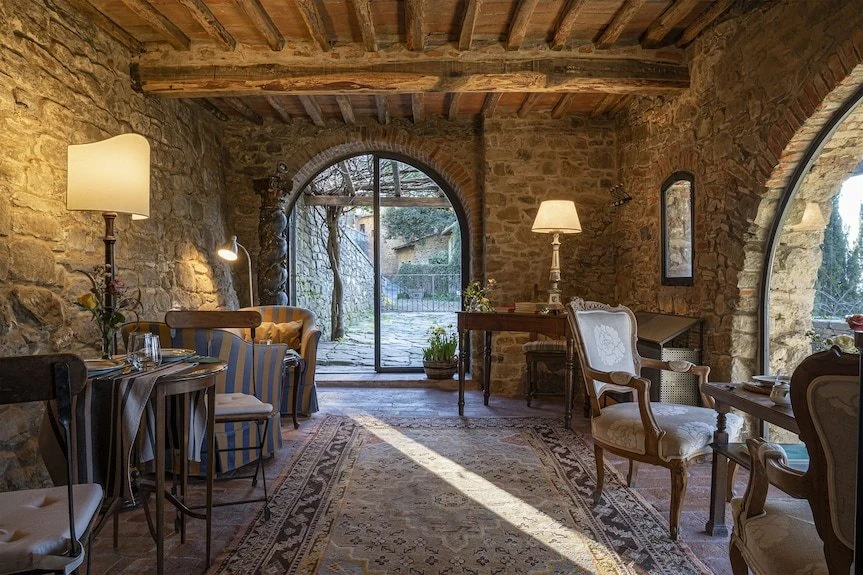
The setting supports a calm and focused experience. Istine has a new stone cellar and tasting room surrounded by woods and vineyards, which gives the visit a grounded sense of place. The atmosphere is rural rather than urban, and the emphasis is on the winery’s relationship with Radda in Chianti and Chianti Classico. In practical terms, that means the tasting room should be understood as part of the estate’s vineyard setting, not as a separate attraction detached from the land around it.
For travelers mapping Radda through wine, Istine makes sense as a stop centered on Sangiovese and place. The strongest comparison is internal: the estate’s organic, family-run character, high-altitude vineyard setting, and focus on terroir-driven Chianti Classico. Those are the facts that should guide expectations. They suggest a visit where the value lies in context and attention rather than excess, and where the surrounding hills and woods are integral to the impression the winery leaves.
The broader Radda in Chianti circuit can include other local dining, lodging, bar, and experience research, but Istine itself should be approached as a winery visit rather than a restaurant or general attraction. That distinction is important for planning. It keeps the focus on what the estate clearly offers in the available description: a rural winery setting, a tasting room, and a chance to encounter Chianti Classico through the lens of a Radda-based, family-run organic producer.
Why the estate matters in Chianti Classico now
Chianti Classico is often discussed through place, farming, and the character of Sangiovese. Istine’s profile fits that conversation without needing invented detail: it is a family-run organic winery in the hills above Radda in Chianti, with high-altitude vineyards, woods, a new stone cellar, and a tasting room. Those elements are enough to make the estate a meaningful stop for travelers who want a more grounded understanding of the area, especially when the goal is to connect the wine in the glass with the landscape immediately around it.
The editorial recommendation is simple: consider Istine for a calm, rural introduction to Radda in Chianti through Chianti Classico and terroir-driven Sangiovese. Its listed price level is $$, and its appeal comes from setting and focus rather than from claims about awards, production scale, service format, or specific cellar methods. For visitors who value clarity over spectacle, that restraint is part of the draw: Istine reads as a place where the hills, vineyards, woods, and Sangiovese do most of the talking.
Questions
Frequently asked
Who works at Istine?
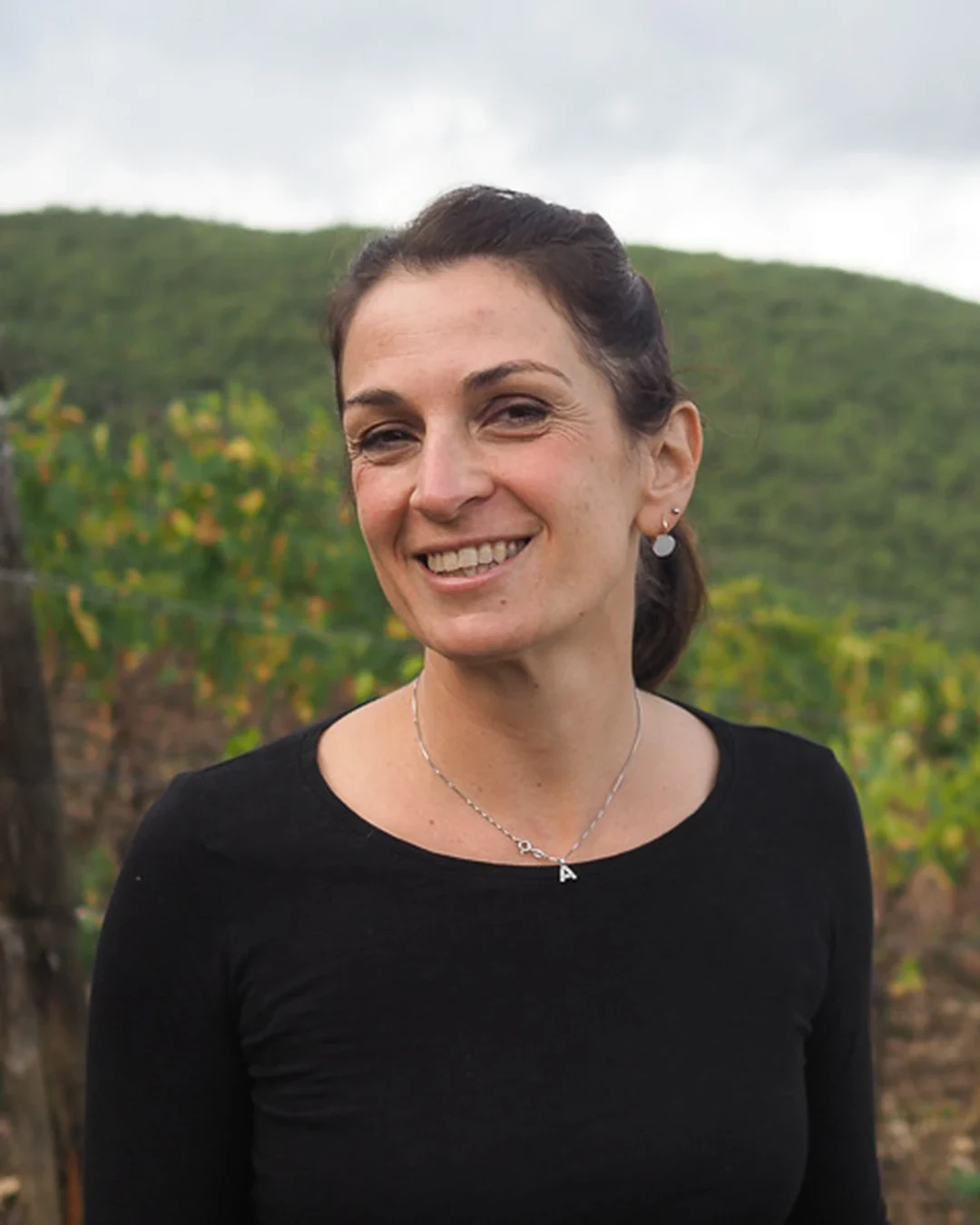
Made By profiles Angela Fronti (Winemaker) at Istine.
How expensive is Istine?
Istine is listed at a price level of $$.
The field
How it compares
| Place | Notes |
|---|---|
| Istine | Radda in Chianti, $$ |
| Borgo La Stella | Radda in Chianti |
| Castello di Albola | Radda in Chianti |
| Castello di Volpaia | Radda in Chianti |
| Montevertine | Radda in Chianti |
| Podere Capaccia | Radda in Chianti |
| Tenuta di Campomaggio | Radda in Chianti |