Jingumae Higuchi
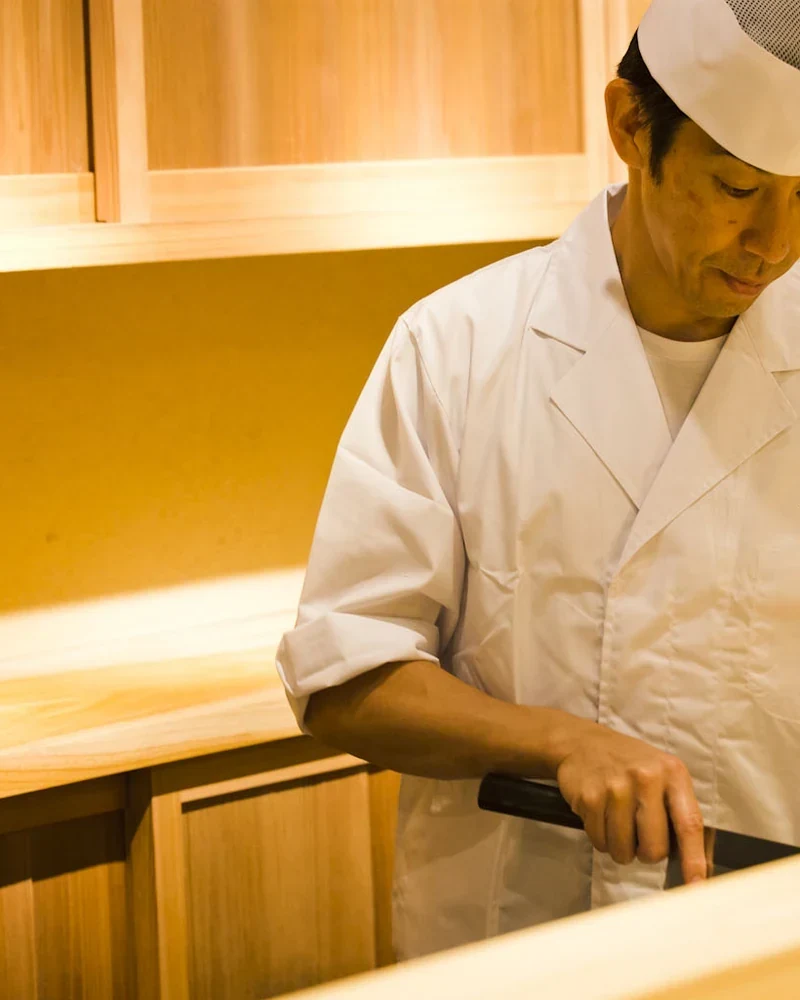
In Residence
Kazuhito Higuchi
Chef
- 01CuisineModern Japanese Kappo Omakase
- 02CityTokyo, Japan
- 03RecognitionTwo Michelin Stars
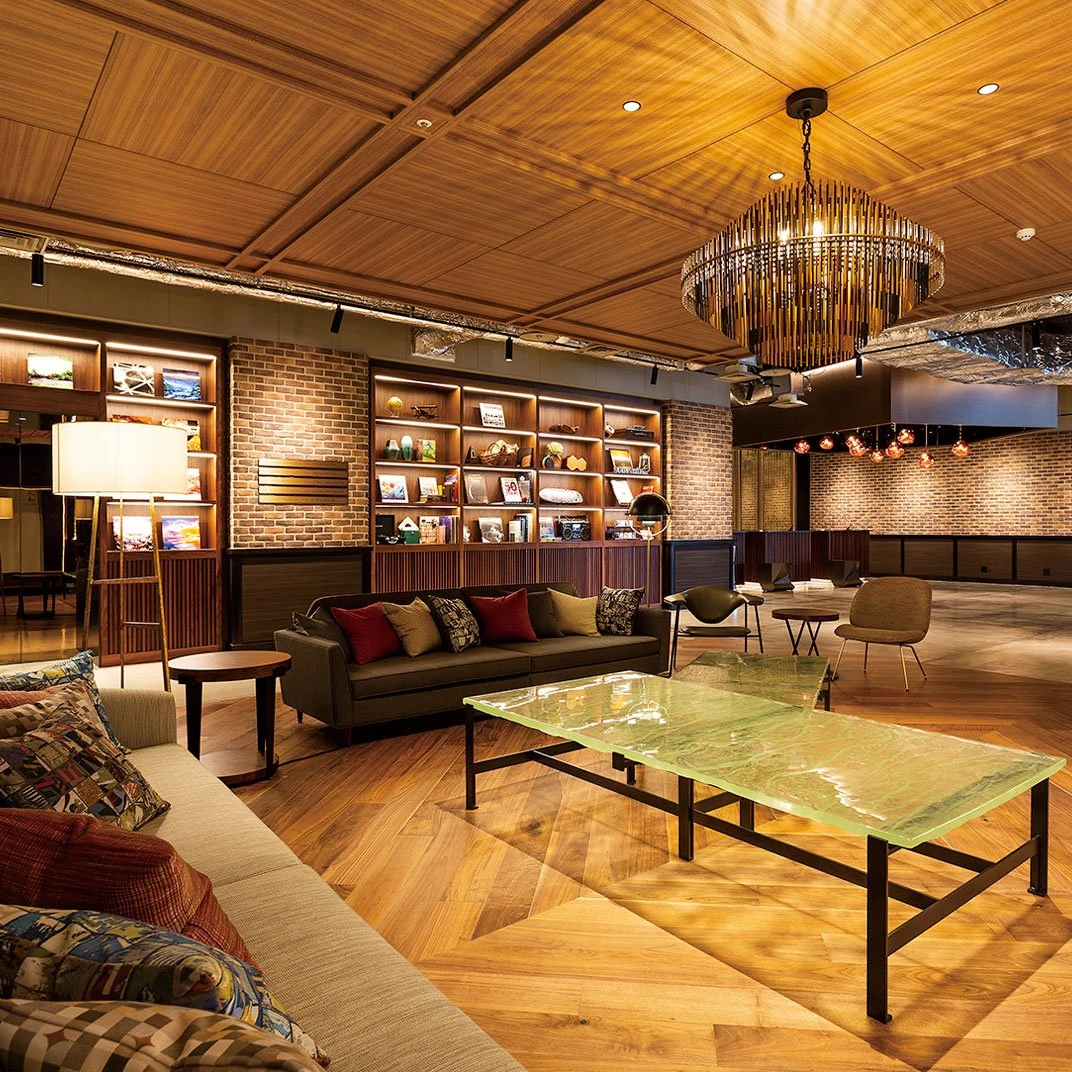
- 2 Michelin Stars · Michelin Guide
- Michelin 2 Stars · 2026
- Tabelog Bronze #109: 4.2pts · 2026
- Opinionated About Dining Top Restaurants in Japan Highly Recommended · 2026
- Tabelog Bronze · 2025
- Michelin 2 Stars · 2025
- Opinionated About Dining Top Restaurants in Japan Ranked #176 · 2025
- Tabelog 100 #11: 4.2pts · 2025
- Michelin 2 Stars · 2024
- Opinionated About Dining Top Restaurants in Japan Ranked #153 · 2024
- Opinionated About Dining Top Restaurants in Japan Ranked #150 · 2023
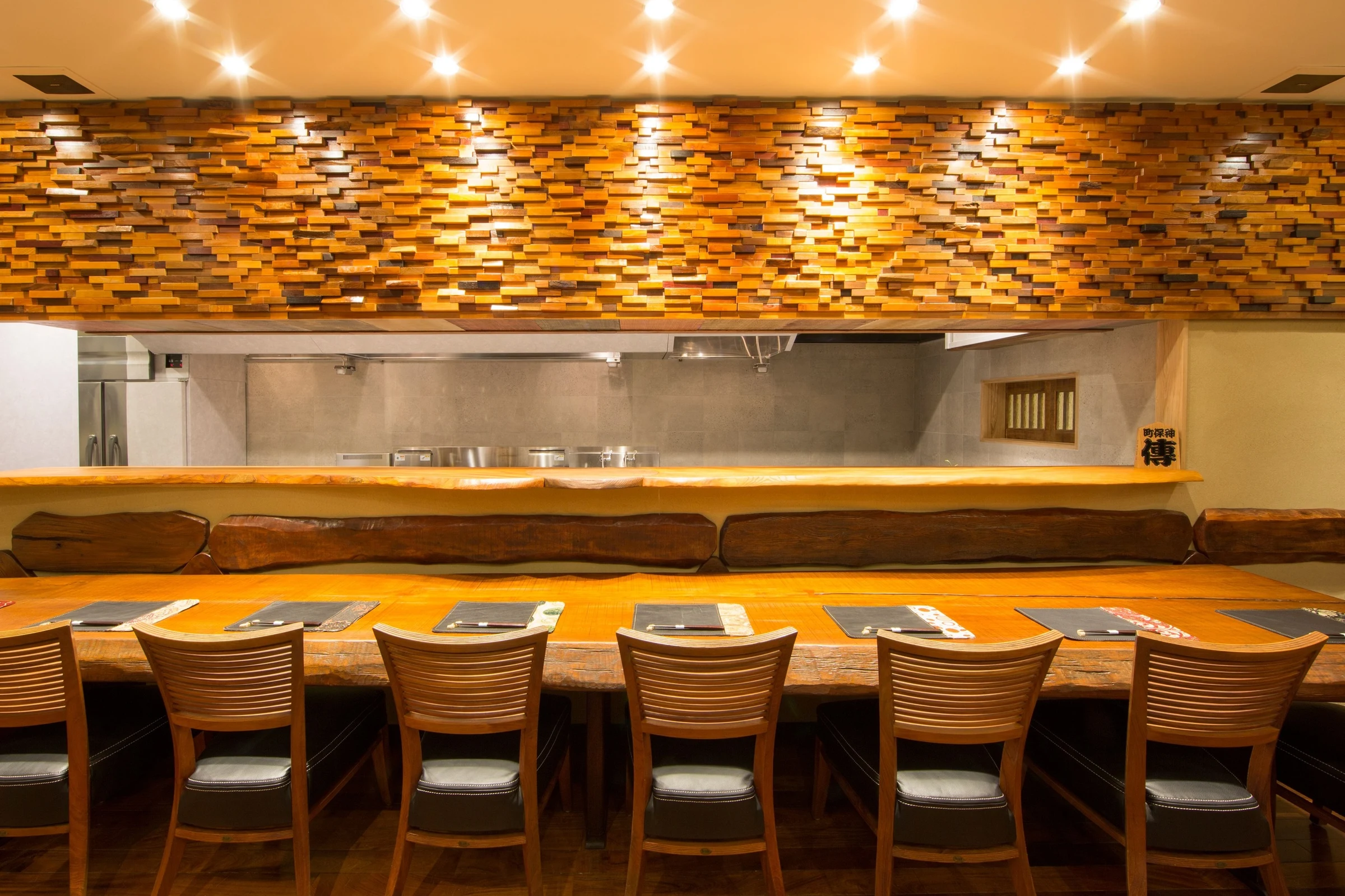
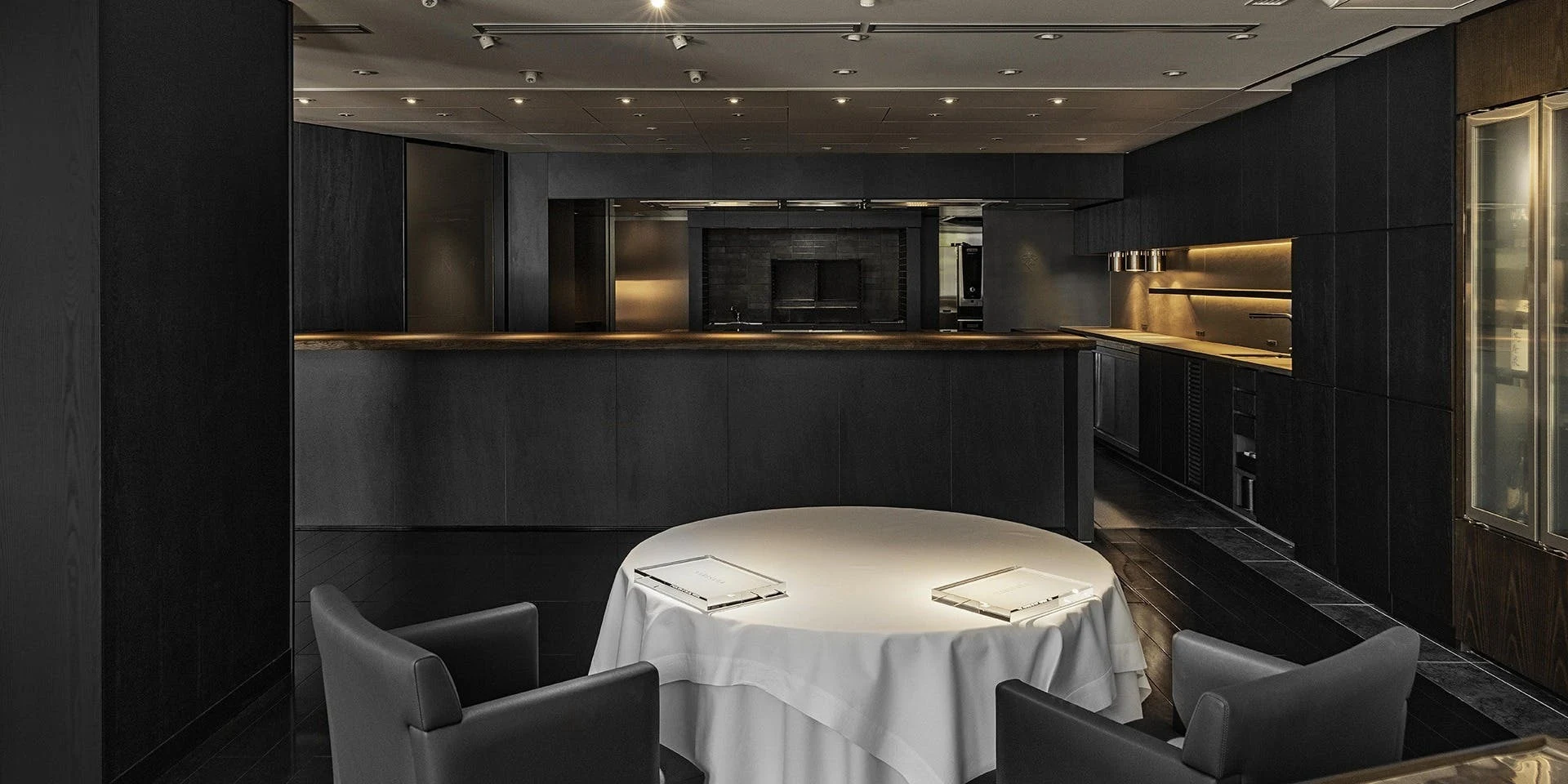
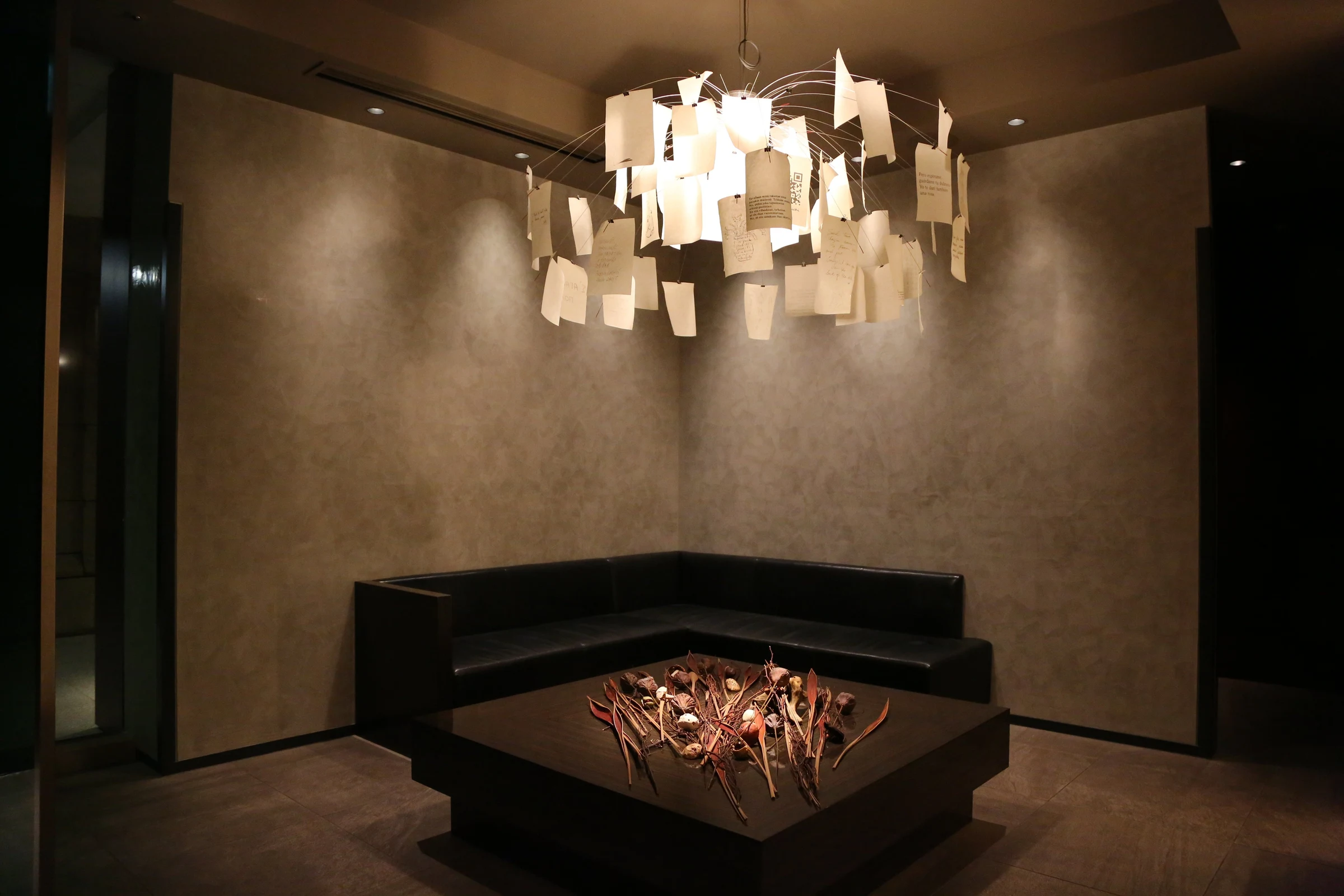
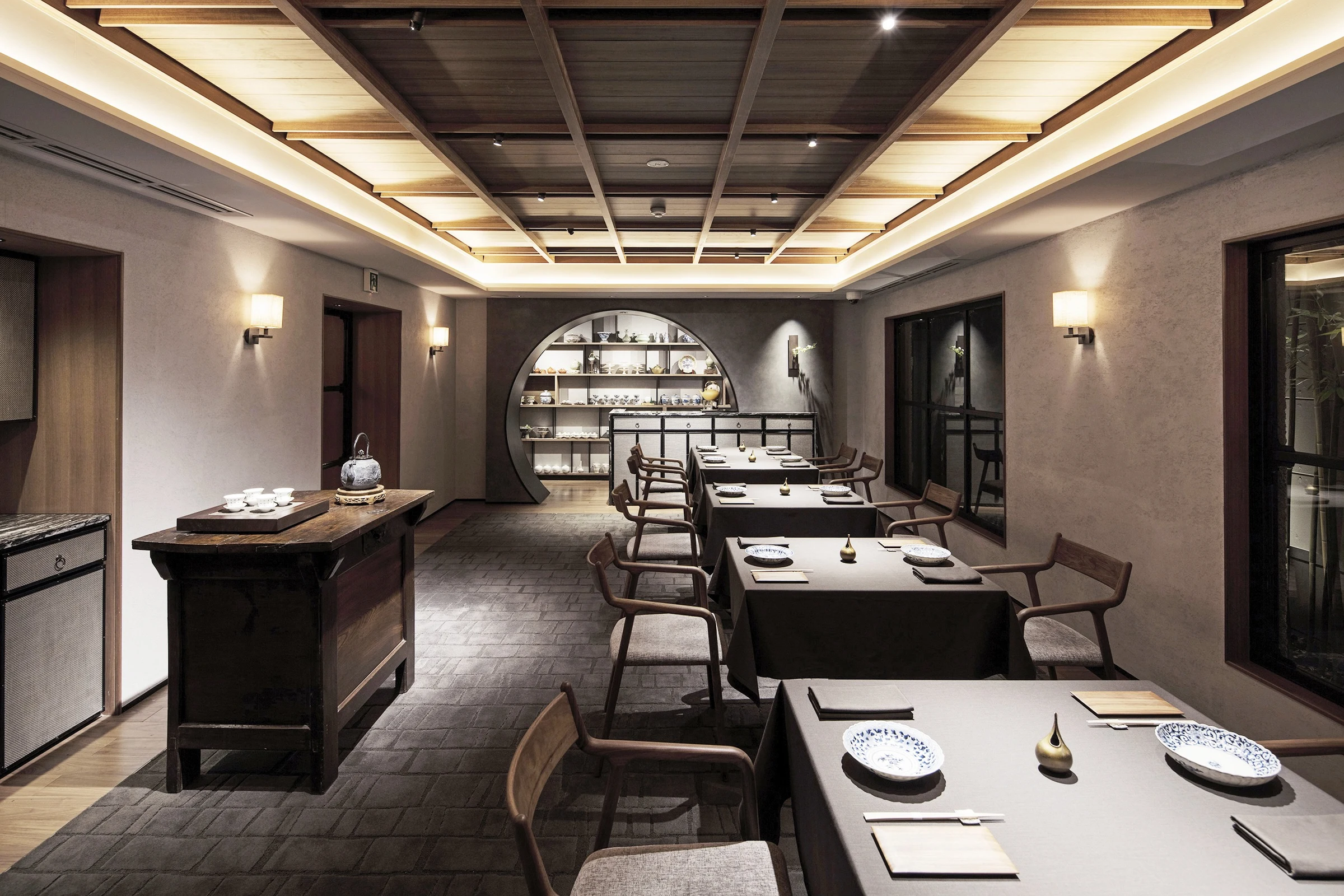
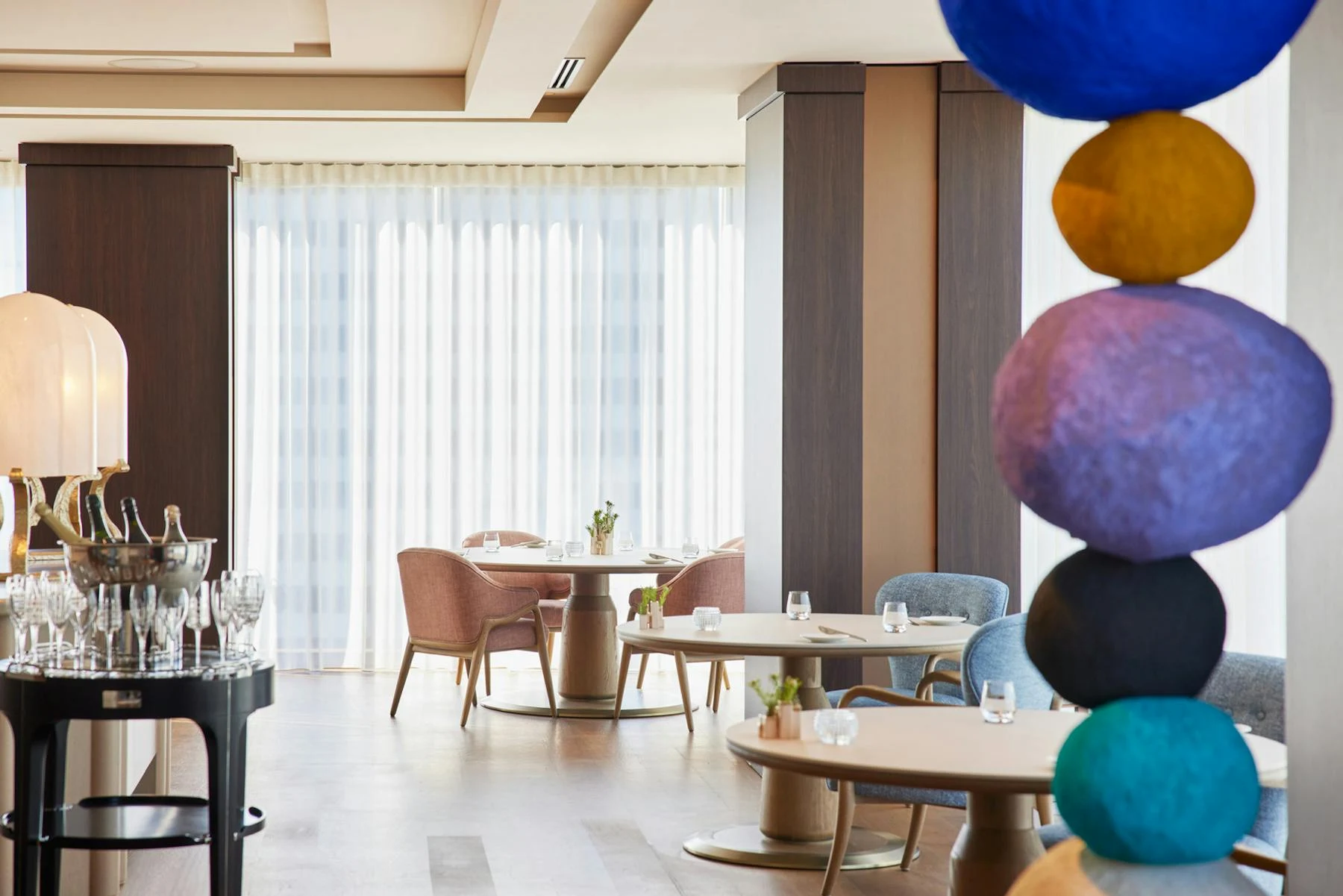
Jingumae Higuchi is a 2-Michelin-star restaurant in Tokyo's Shibuya district, with dinner priced at JPY 40,000 to 49,999 per person. The address is residential by Tokyo standards, second floor of a low building on a quiet Jingumae backstreet, a few minutes' walk from Kita Sando station. There is none of the glass-and-steel theatre that signals ambition in other parts of the city. What the room does offer, across just 14 seats divided between a six-seat counter, a small table section, and a horigotatsu private room, is the kind of considered quiet that functions as its own statement in a dining culture that has long understood restraint as a form of hospitality.
Where This Room Sits in Tokyo's Kaiseki Tier
Tokyo's serious kaiseki counters now occupy a narrower, more contested band than they did a decade ago. The category has stratified: at one end, the three-Michelin-star houses that operate as long-haul pilgrimage restaurants; at the other, the growing number of two-star and high-scoring independent counters that carry equivalent critical respect with slightly less institutional ceremony. Higuchi belongs firmly to the second group. Two Michelin stars in both 2024 and 2025, a Tabelog score of 4.23, continuous Tabelog Bronze recognition from 2017 through 2026, and three appearances on the Tabelog Japanese Cuisine TOKYO Top 100 (2021, 2023, 2025) place it in a comparable set that includes houses like Azabu Kadowaki and Kagurazaka Ishikawa, where the emphasis is on sustained critical consistency rather than trophy-shelf accumulation.
The Sunday letter
Find new places through the people who run them.
Our Sunday email brings you the chefs, winemakers and hoteliers behind our newest stories. See a sample before you subscribe.
See a sample of the Sunday emailOne email a week. Unsubscribe from any issue.
What distinguishes Higuchi within that tier is the longevity of its Tabelog record. A Silver award in 2017 followed by eight consecutive Bronze years reflects a house that entered the critical conversation early and has held its position through a period when Tokyo's kaiseki scene has become more competitive. Opinionated About Dining ranked the restaurant at number 150 among Japan's leading restaurants in 2023, 153 in 2024, and 176 in 2025, a range that reflects the ranking's own methodology adjustments as much as any single-year shift in the kitchen. For comparison, Myojaku and Ginza Fukuju operate in a similar critical register within the Tokyo Japanese cuisine category.
The Izakaya Undercurrent
The editorial framing of Higuchi as a kaiseki counter is accurate but incomplete. The room's configuration, counter seating facing the kitchen, small tables, a horigotatsu private room that accommodates four, reads less like a formal ryotei and more like the refined end of Japan's izakaya tradition, where the boundary between ceremonial dining and convivial drinking has always been porous. The drinks programme reinforces this: the restaurant is explicitly particular about its sake and shochu, with nihonshu and shochu listed as the primary drink categories rather than wine. In the izakaya register, drinks are not an afterthought to the food, they are a co-equal part of the evening's logic. At this price point and with this critical standing, that framing elevates what might elsewhere be a utilitarian pairing into a form of considered curation.
The Tabelog listing notes that the occasion most recommended by reviewers is dining with friends, which points to the same cultural register. The room at this scale, 14 seats, dinner-only, five evenings per week, is designed for the kind of conversation that needs a shared table and time, not a choreographed sequence of courses consumed in silence. That framing sits comfortably alongside houses such as Kioicho Fukudaya, where the kaiseki tradition similarly bends toward the social.
Fish, Ingredient Focus, and What the Record Implies
Tabelog record identifies the kitchen's primary focus as fish, a signal that places Higuchi in the part of the kaiseki tradition that draws heavily from the edomae and washoku emphasis on seasonal seafood rather than the meat-centred direction some contemporary Japanese kitchens have taken. Chef Kazuhito Higuchi's approach,, centres on the idea that ingredient quality and preparation, not intervention, carry the meal. That orientation is common among the houses in this tier, but the consistency of Higuchi's critical record over nine award years suggests the kitchen has applied it with unusual discipline.
Average spend of JPY 40,000 to 49,999 per person at dinner places Higuchi in the same price tier as the two- and three-Michelin-star houses across central Tokyo, including peers like Gion Sasaki in Kyoto and Isshisoden Nakamura, where the kaiseki format is similarly anchored in seasonal fish and rigorous sourcing. At that price point, the expectation is not just good food, it is a coherent argument about what Japanese cuisine is and should be.
The Neighbourhood Context
Jingumae is not an obvious location for a serious kaiseki counter. The area is better known for its fashion retail, the Meiji Shrine approach, and the accumulated café and restaurant density of Omotesando. That said, the neighbourhood's relative quietness compared to Ginza or Shinjuku, where many of Tokyo's formal kaiseki houses are concentrated, gives the evening a different texture. Arriving at a second-floor counter on a residential backstreet in Jingumae carries none of the grandeur of, say, a Ginza entrance lobby. The point is that Higuchi earns its critical standing without the location premium that supports some of its peers.
For visitors staying in central Tokyo, the proximity to Kita Sando station (approximately 680 metres, per the Tabelog listing) makes access direct by subway. No parking is available at the venue, which is standard for this area of Shibuya.
Planning Your Visit
Higuchi operates dinner-only, Monday, Tuesday, Thursday, Friday, and Saturday, 18:00 to 21:00. It is closed Wednesday and Sunday. Reservations are essential. Budget: JPY 40,000 to 49,999 per person at dinner. Dress: smart casual. Getting there: Kita Sando station is the nearest transit point.
For those building a broader itinerary, our Tokyo hotels guide, Tokyo bars guide, and Tokyo experiences guide offer context for the wider city. Beyond Tokyo, the same kaiseki tradition is represented at Kashiwaya Osaka Senriyama and HAJIME in Osaka, while akordu in Nara and Goh in Fukuoka each represent different regional inflections of serious Japanese cooking. For something further afield, 1000 in Yokohama and 6 in Okinawa complete the picture of how Japanese fine dining varies across the country's geography. A Tokyo wineries guide is also available for those whose itinerary extends to drinks-led venues.
Questions
Frequently asked
What recognition does Jingumae Higuchi hold?
Jingumae Higuchi holds 2 Michelin stars.
Who works at Jingumae Higuchi?
Made By profiles Kazuhito Higuchi (Chef) at Jingumae Higuchi.
How expensive is Jingumae Higuchi?
Jingumae Higuchi is listed at a price level of $$$$.
Where is Jingumae Higuchi and what does it serve?
Jingumae Higuchi is in Shibuya, Tokyo, serving Modern Japanese Kappo Omakase.
The field
How it compares
| Place | Awards | Cuisine | Notes |
|---|---|---|---|
| Jingumae Higuchi | Michelin 2 Stars | Modern Japanese Kappo Omakase | Shibuya, $$$$ |
| Den | Michelin 2 Stars, World's 50 Best | Modern Japanese Kaiseki | Tokyo |
| Florilège | Michelin 2 Stars, World's 50 Best | Modern French-Japanese Plant-Based Fine Dining | Tokyo |
| Narisawa | Michelin 2 Stars, World's 50 Best | Modern Japanese Satoyama Fine Dining | Tokyo |
| Quintessence | Michelin 3 Stars | Modern French Fine Dining | Tokyo |
| Sazenka | Michelin 3 Stars, World's 50 Best | Modern Chinese Fine Dining | Tokyo |
| Sézanne | Michelin 3 Stars, World's 50 Best | Modern French Fine Dining | Tokyo |
In residence
Similar places
Modern Japanese Kaiseki
Den
Tokyo, Japan
★★ · 50 Best
Modern French-Japanese Plant-Based Fine Dining
Florilège
Tokyo, Japan
★★ · 50 Best
Modern Japanese Satoyama Fine Dining
Narisawa
Tokyo, Japan
★★ · 50 Best
Modern French Fine Dining
Quintessence
Tokyo, Japan
★★★
Modern Chinese Fine Dining
Sazenka
Tokyo, Japan
★★★ · 50 Best
Modern French Fine Dining
Sézanne
Tokyo, Japan
★★★ · 50 Best
The Sunday letter
Get the next Made By story in your inbox.
We send one email every Sunday morning with the places and people we covered that week.
See a sample of the Sunday emailOne email a week. Unsubscribe from any issue.