- Falstaff Winery - Listed · 2026
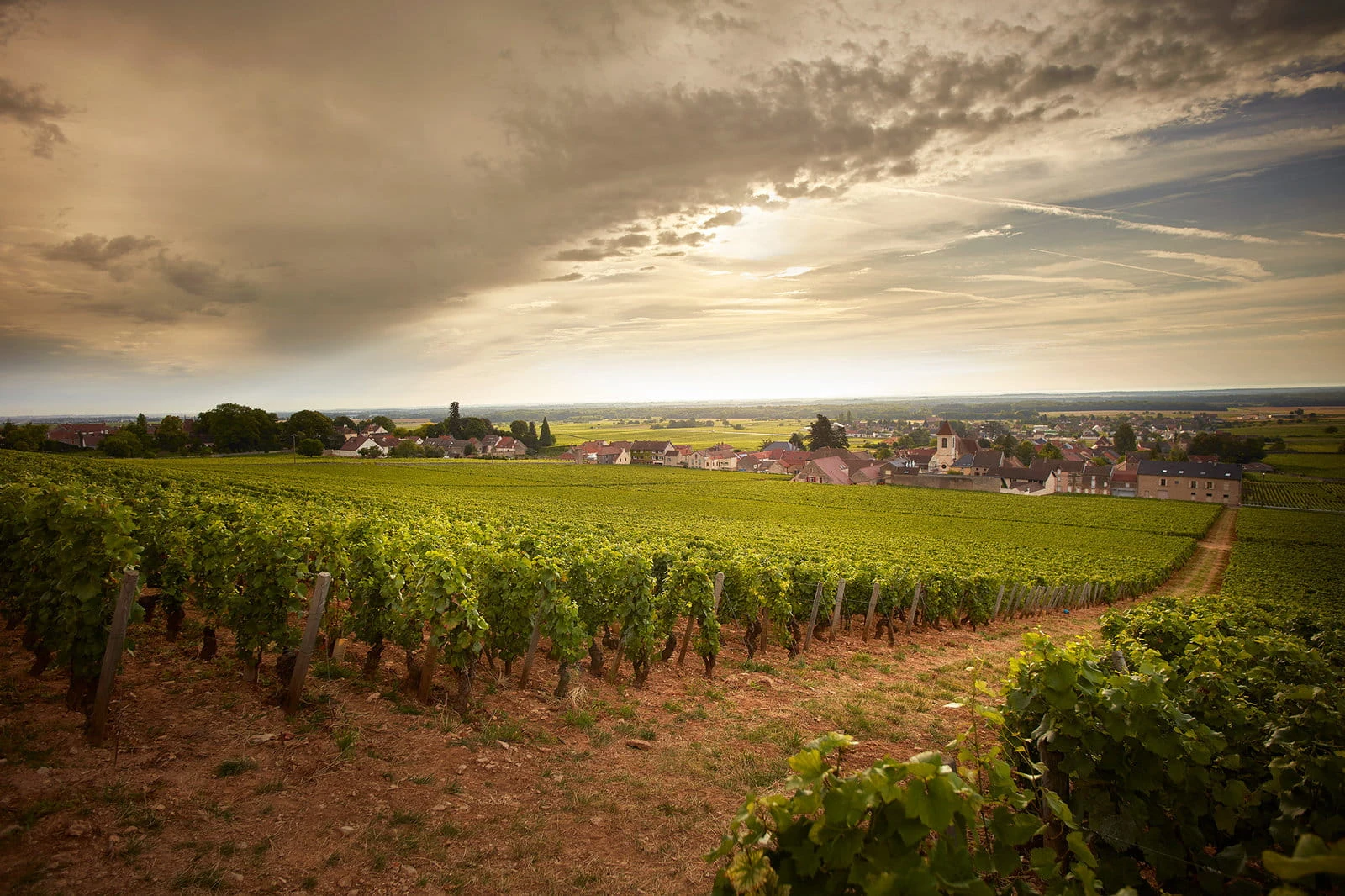
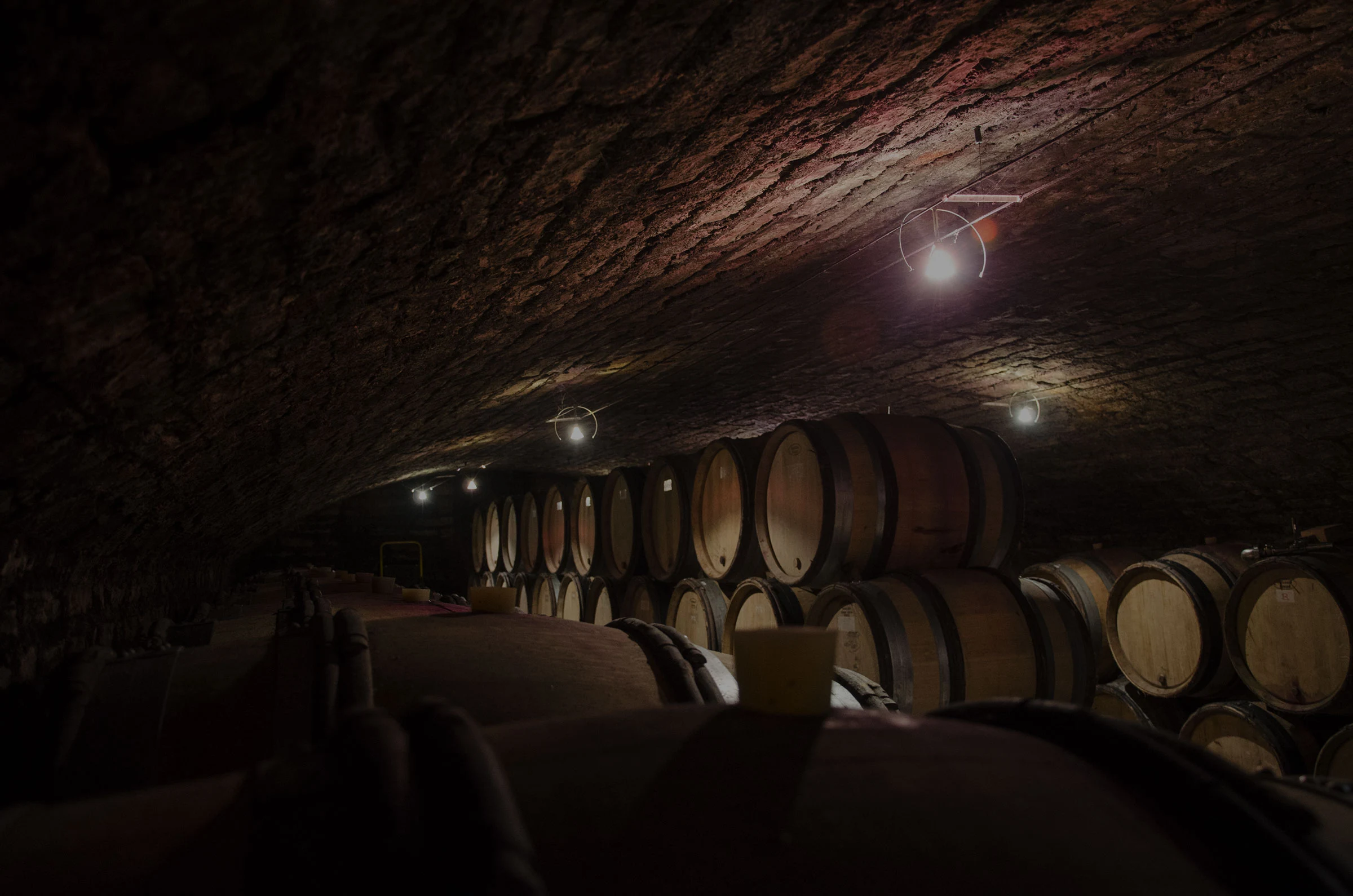
Joseph Castan in Gignac is best described by atmosphere, not service details or claims of a formal visitor format. Think family-rooted Languedoc estate: rustic, classic, scenic and elegant, with craftsmanship and terroir at the center. It reads as Southern French wine country rather than a design-driven destination; its appeal comes from regional character, not a heavily packaged hospitality concept.
A Languedoc estate atmosphere
The strongest grounded way to approach Joseph Castan is within Gignac’s winegrowing setting. The tone is classic, not theatrical: a working regional estate feel, where landscape, tradition and craft matter more than polished showroom language. Its character is best understood through sense of place, with the estate mood carrying the experience more than any confirmed list of visitor amenities.
What can be said with confidence is narrower but useful: the appeal lies in Southern French winegrowing character. Expect countryside atmosphere, family-estate sensibility and terroir as part of the identity. Visitors comparing Gignac options should read Joseph Castan as scenic, classic and rustic-elegant, rather than a restaurant, bar or modern visitor center with a documented program. Practically, approach it for setting, heritage and wine-country texture, while keeping expectations flexible where operational details are not clearly stated.
How to position it in Gignac
For a Gignac itinerary, Joseph Castan works as a wine-country reference point: rooted, regional and craft-led in tone. Because public details are limited, avoid assuming specific hours, prices, languages, tour formats, food service, dietary arrangements, capacity or appointment rules unless confirmed directly with the venue. Other Gignac dining can be considered separately, but Joseph Castan itself is first a Languedoc estate atmosphere centered on craftsmanship and terroir, most relevant for visitors seeking a grounded regional impression rather than documented hospitality structure.
Questions
Frequently asked
Who works at Joseph Castan?
Made By profiles Vianney Castan (Winemaker) at Joseph Castan.
The field
How it compares
| Place | Notes |
|---|---|
| Joseph Castan | Terrasses-du-Larzac |
| Biondi-Santi Tenuta Greppo | Montalcino |
| Chateau Leoville Las Cases | Saint-Julien-Beychevelle |
| Domaine de la Romanée-Conti | Vosne-Romanée |
| Domaine des Comtes Lafon | Meursault |
| Domaine du Clos de Tart | Morey-Saint-Denis |
| Domaine Hubert Lignier | Morey-Saint-Denis |